
The world collectively acknowledges Earth Day on April 22nd each year, a global observance dedicated to honoring and protecting our planet. Since its inception in 1970, this day has galvanized millions across every continent to recognize our profound connection to Earth and the critical need for its preservation. While human efforts are paramount, a vast array of fascinating and beautiful animals plays equally vital, often unsung, roles in maintaining planetary health. In recognition of Earth Day, this exploration delves into the remarkable contributions of several avian species, highlighting their significant, yet frequently overlooked, environmental impacts. These birds, through their unique behaviors and ecological functions, serve as indispensable partners in sustaining the delicate balance of our natural world.
Hummingbirds: Tiny Wings, Monumental Ecological Impact
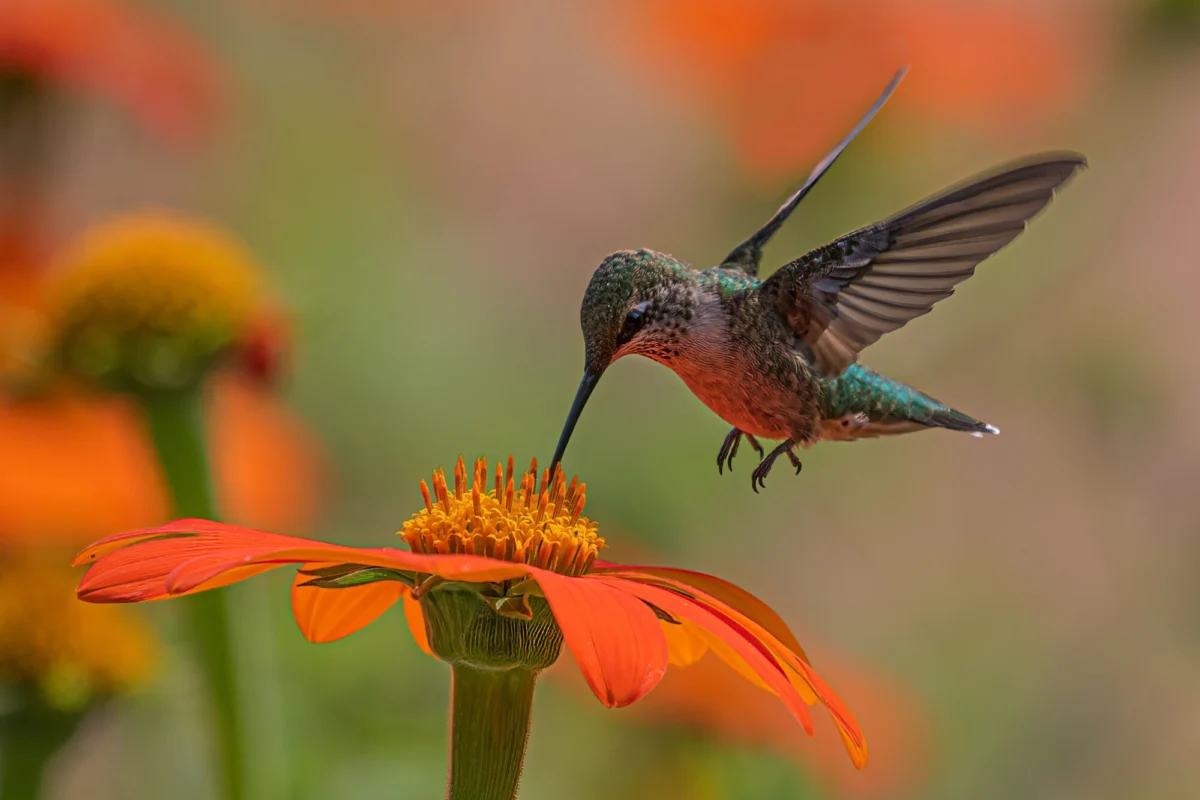
Hummingbirds, despite their diminutive size, wield a surprisingly potent ecological influence. These specialized nectar feeders are critical players in the intricate dance of pollination. As they flit from blossom to blossom, drawing sustenance from nectar, they inadvertently transfer pollen, a process essential for plant reproduction. This vital service is particularly crucial in ecosystems where other pollinators, such as bees and butterflies, may face challenges in thriving due to environmental pressures. The co-evolutionary relationships hummingbirds share with specific plant species foster biodiversity and underpin the health of entire ecosystems. Their acute sensitivity to environmental shifts also positions them as early warning indicators of climate disruption, making their populations valuable barometers of ecological well-being.
The phenomenon of hummingbird pollination is a testament to nature’s efficiency. As they hover, their rapid wing beats create a unique aerodynamic environment that allows them to access nectar deep within flowers. In the process, their heads and beaks brush against the anthers, collecting pollen. When they visit the next flower of the same species, some of this pollen is deposited onto the stigma, facilitating fertilization. This direct contribution to plant reproduction is fundamental for the survival of numerous plant species, many of which have adapted specifically to be pollinated by these energetic avians. Studies have indicated that in certain regions, hummingbirds are responsible for pollinating a significant percentage of the local flora, especially in areas where insect pollinator populations have declined. For instance, research published in the journal Oecologia has highlighted the significant role of hummingbirds in pollinating plants like Penstemon and Lupinus in North American montane regions.
The sensitivity of hummingbirds to environmental change is a well-documented phenomenon. Factors such as altered flowering times due to warming temperatures, habitat fragmentation, and the increased use of pesticides can directly impact their food sources and breeding success. Consequently, monitoring hummingbird populations and their migratory patterns provides invaluable data for understanding the broader impacts of climate change and habitat degradation. Organizations like the Cornell Lab of Ornithology actively track hummingbird populations through citizen science initiatives, offering crucial insights into their long-term health and the environmental conditions they face. A deep dive into the multifaceted impact of these small birds on the environment, as explored in resources like the One Earth blog, reveals them to be far more than mere decorative inhabitants of our natural landscapes; they are essential architects of biodiversity.
Vultures: Nature’s Unsung Sanitation Engineers
Another group of avian superheroes, often overlooked or even reviled, are vultures. These large birds, characterized by their distinctive bald heads, serve as nature’s indispensable cleanup crew. They perform a vital ecological service by consuming carcasses, preventing the proliferation of disease that could arise from decaying organic matter. Vultures possess highly acidic digestive systems, a remarkable adaptation that allows them to neutralize dangerous pathogens that would be harmful, or even lethal, to other species, including humans. Their role in carrion disposal is critical for maintaining ecological balance and preventing the spread of zoonotic diseases.
The evolutionary advantage of a bald head is directly linked to their feeding habits. By lacking feathers on their heads and necks, vultures can more easily access the flesh within carcasses and prevent blood and other organic material from accumulating and becoming a breeding ground for bacteria on their plumage. This adaptation is crucial for their survival and for the health of the ecosystems they inhabit. The World Wildlife Fund (WWF) aptly describes vultures as "environmental influencers," underscoring their significant contribution to ecosystem health and stability. Their presence ensures that carcasses are processed efficiently, returning nutrients to the soil and minimizing the risk of widespread disease outbreaks.
The ecological impact of vulture decline has been starkly illustrated in various parts of the world. In India, the widespread use of the veterinary drug diclofenac, which is toxic to vultures, led to a catastrophic population crash in the 1990s. This decline resulted in an increase in feral dog populations, which scavenged on carcasses, leading to a surge in rabies cases in humans and livestock. This tragic case highlights the cascading negative effects that can occur when a key component of the ecosystem, like vultures, is removed. The scientific analysis of these events has led to bans on diclofenac in many regions and concerted conservation efforts to protect remaining vulture populations. The presence of healthy vulture populations is a direct indicator of a functioning and resilient ecosystem.
Seabirds: Connecting Terrestrial and Marine Ecosystems
The remarkable ability of birds to fly also allows them to act as crucial connectors between disparate ecosystems. Seabirds, in particular, play a significant role in nutrient cycling by transporting essential elements from the ocean to terrestrial environments. Through their droppings, which are rich in nitrogen and phosphorus, seabirds fertilize islands and coastal areas. This influx of nutrients boosts soil fertility, leading to enhanced plant growth and more robust vegetation. The improved vegetation, in turn, stabilizes habitats, reduces erosion, and provides sustenance and shelter for a wider array of terrestrial wildlife.
This nutrient transfer is a cornerstone of many island ecosystems. For example, on islands with large seabird colonies, the terrestrial flora is often significantly more diverse and productive than on similar islands lacking these avian visitors. Research published in Proceedings of the National Academy of Sciences has quantified the substantial contribution of seabird guano to the nutrient budgets of oceanic islands, demonstrating its critical role in supporting terrestrial biodiversity. By effectively bridging the gap between marine and terrestrial systems, seabirds contribute to the overall productivity and resilience of these unique environments. Their presence can influence everything from the types of plants that grow to the insects and other small animals that inhabit the land.
The study by the American Bird Conservancy highlights how the nutrient subsidies provided by seabirds can have far-reaching effects, impacting not only plant communities but also influencing the distribution and abundance of other species. This interconnectedness underscores the importance of protecting seabird populations and their marine feeding grounds. Threats to seabirds, such as overfishing, pollution, and climate change impacting ocean currents and prey availability, can therefore have significant ripple effects on terrestrial ecosystems that rely on their contributions.
Parrots: Vital Architects of Forest Regeneration
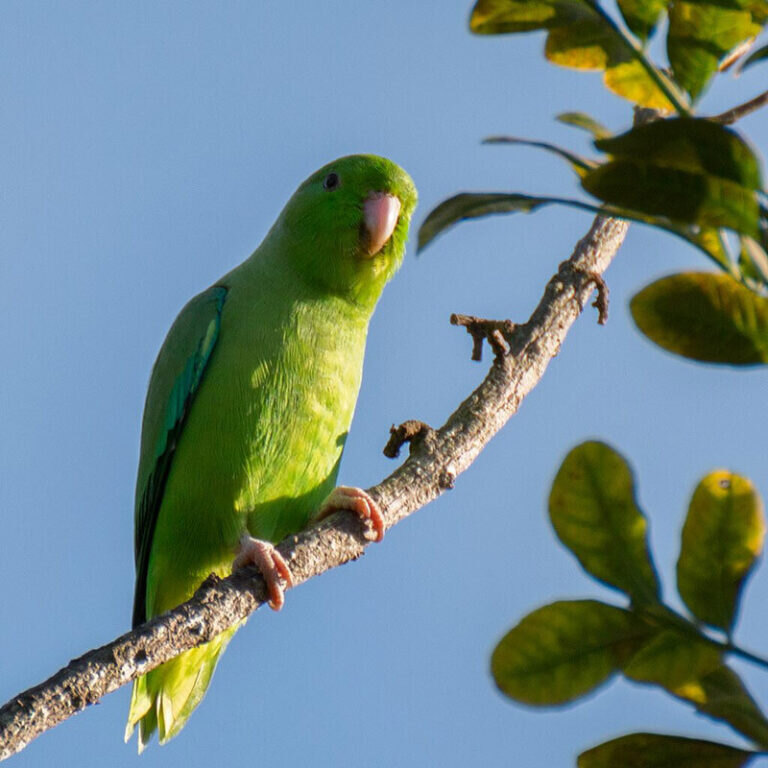
Parrots are not only admired for their vibrant plumage and intelligence but also for their often-underestimated role as "forest gardeners" and "multilinkers" within their ecosystems. Scientific research indicates that parrots are instrumental in seed dispersal, plant pollination, and even pest control through their insectivorous habits. Their movements across landscapes facilitate the transfer of energy and nutrients between different parts of an ecosystem, thereby supporting plant life cycles and bolstering biodiversity.
A particularly vital role of parrots is their contribution to forest regeneration. By consuming fruits, parrots ingest seeds, which are then dispersed through their droppings, often over considerable distances. This process allows for the colonization of new areas and the maintenance of genetic diversity within plant populations. In some cases, parrots can transport seeds to suitable germination sites that would otherwise be inaccessible, aiding in the recovery of degraded forest areas. This passive yet powerful form of seed dispersal is critical for the long-term health and resilience of forests.
Furthermore, parrots’ dietary habits contribute to ecological balance. By feeding on insects, they can help regulate insect populations, preventing overabundance that could damage plant life. Their role as pollinators, though perhaps less recognized than that of hummingbirds, also contributes to the reproductive success of certain plant species. The study published in PloS One on the ecological roles of parrots provides in-depth analysis of their contributions, revealing them as key players in maintaining the structure and function of tropical forests. Understanding these multifaceted roles underscores the importance of parrot conservation, not just for their intrinsic value, but for the ecological services they provide.
Broader Implications and Call to Action
The ecological contributions of hummingbirds, vultures, seabirds, and parrots, as detailed above, represent just a fraction of the indispensable roles played by avian species worldwide. From the smallest insectivore to the largest scavenger, birds are woven into the intricate tapestry of life on Earth, performing functions that are critical for ecosystem health and stability. Their pollination services support global food security, their role in nutrient cycling enriches soils, and their contributions to seed dispersal are vital for maintaining biodiversity and forest cover.

As we celebrate Earth Day, it is imperative to recognize the profound interconnectedness between avian populations and the well-being of our planet. The challenges facing these species—habitat loss, climate change, pollution, and direct persecution—are direct threats to the ecological services they provide. Conservation efforts that focus on protecting bird habitats, mitigating climate change, and reducing pollution are therefore not merely about saving birds; they are about safeguarding the health of the ecosystems upon which all life, including human civilization, depends.
The data increasingly points to a critical juncture. Declines in bird populations globally are a cause for significant concern, with estimates suggesting billions of birds have been lost in recent decades. This loss has tangible consequences for natural systems. For example, the decline in insectivorous birds can lead to an increase in insect pests, impacting agriculture and natural vegetation. Similarly, the reduction in pollinator species, including birds, poses a direct threat to crop yields and wild plant reproduction.
Official responses to these environmental challenges are multifaceted, involving international agreements, national conservation policies, and the tireless work of non-governmental organizations. The Convention on Biological Diversity, for instance, sets global targets for biodiversity conservation, many of which directly benefit bird populations. National governments implement protected area networks, endangered species recovery programs, and regulations aimed at reducing pollution and mitigating climate change. The scientific community continues to provide the evidence base for these actions, through ongoing research and monitoring of bird populations and their habitats.
Ultimately, Earth Day serves as a crucial reminder of our collective responsibility to protect the natural world. By understanding and appreciating the vital roles that birds and other animals play, we can foster a greater sense of stewardship and inspire action. Supporting conservation organizations, adopting sustainable practices in our daily lives, and advocating for stronger environmental policies are all tangible ways individuals and communities can contribute to a healthier planet for future generations. The continued thriving of our planet is inextricably linked to the health and diversity of its inhabitants, a truth powerfully embodied by the unsung environmental heroes of the avian world.
