
Genomics, the study of an organism’s complete set of DNA and its interactions, is revolutionizing scientific research and investigative efforts, particularly in the critical arena of wildlife conservation. While genetics traditionally focuses on individual hereditary traits, such as eye color or feather patterns, genomics delves into the entirety of an organism’s genetic blueprint – its genome. This comprehensive approach allows scientists to understand the intricate workings of biological systems, much like understanding an entire library reveals the full scope of knowledge within, rather than just individual books. The advent of sophisticated sequencing technologies has made it possible to map these genomes with unprecedented detail, offering a holistic view of an organism’s biological processes. This powerful new perspective is proving to be a game-changer, especially in the urgent fight against the illegal wildlife trade.
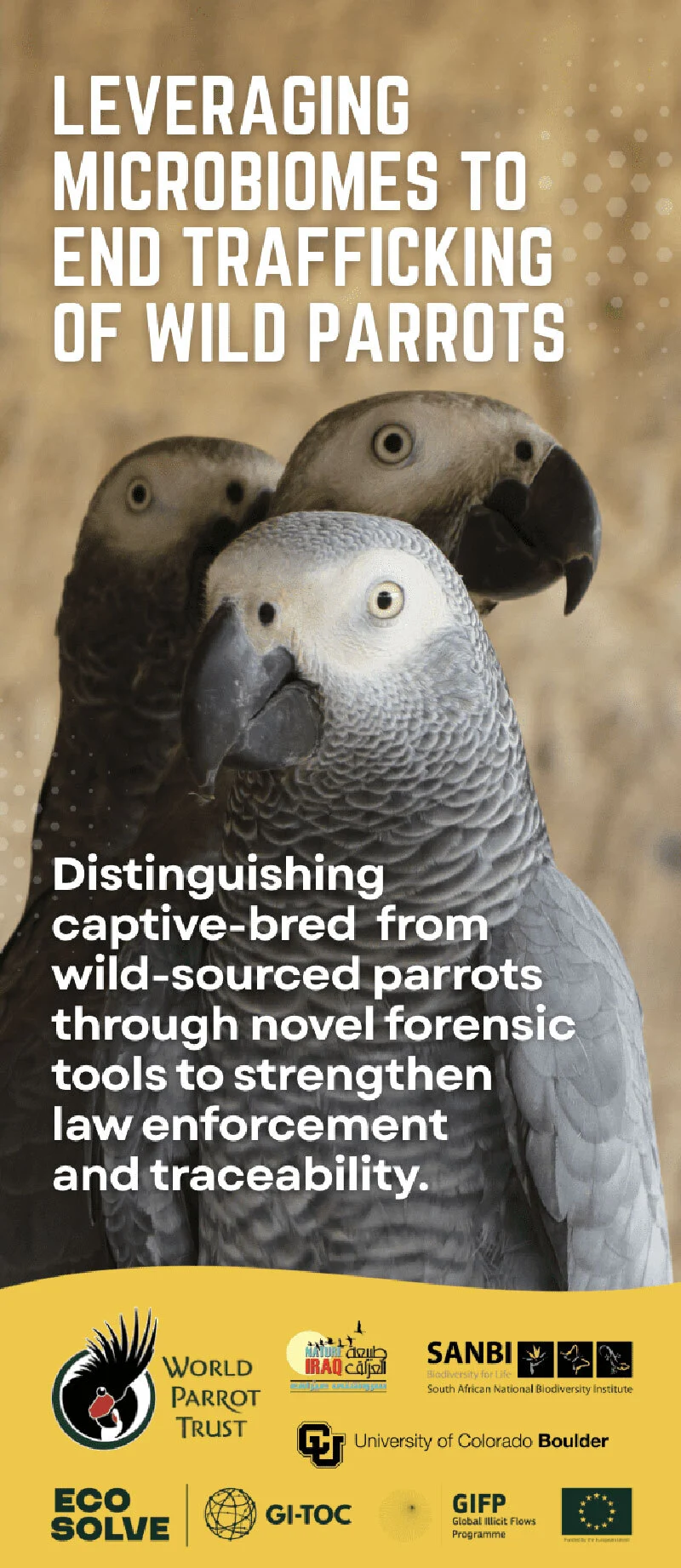
The impact of these advancements is particularly evident in the plight of the endangered African grey parrot (Psittacus erithacus). These highly intelligent and sought-after birds have become a significant target for illegal trafficking. The World Parrot Trust, in collaboration with organizations like the TRACE Wildlife Forensics Network, is leveraging cutting-edge genomic tools to combat this illicit trade. A key challenge in this fight stems from traffickers exploiting legal supply chains by misrepresenting wild-caught birds as captive-bred. This fraudulent labeling allows them to circumvent international trade regulations and profit from the exploitation of wild populations. Historically, verifying the origin of these birds has been incredibly difficult, relying on often unreliable documentation and observational evidence. However, the application of genomics, specifically through the analysis of microbiomes, is providing a robust, scientific method to distinguish between birds that have been raised in captivity and those captured from their natural habitats.
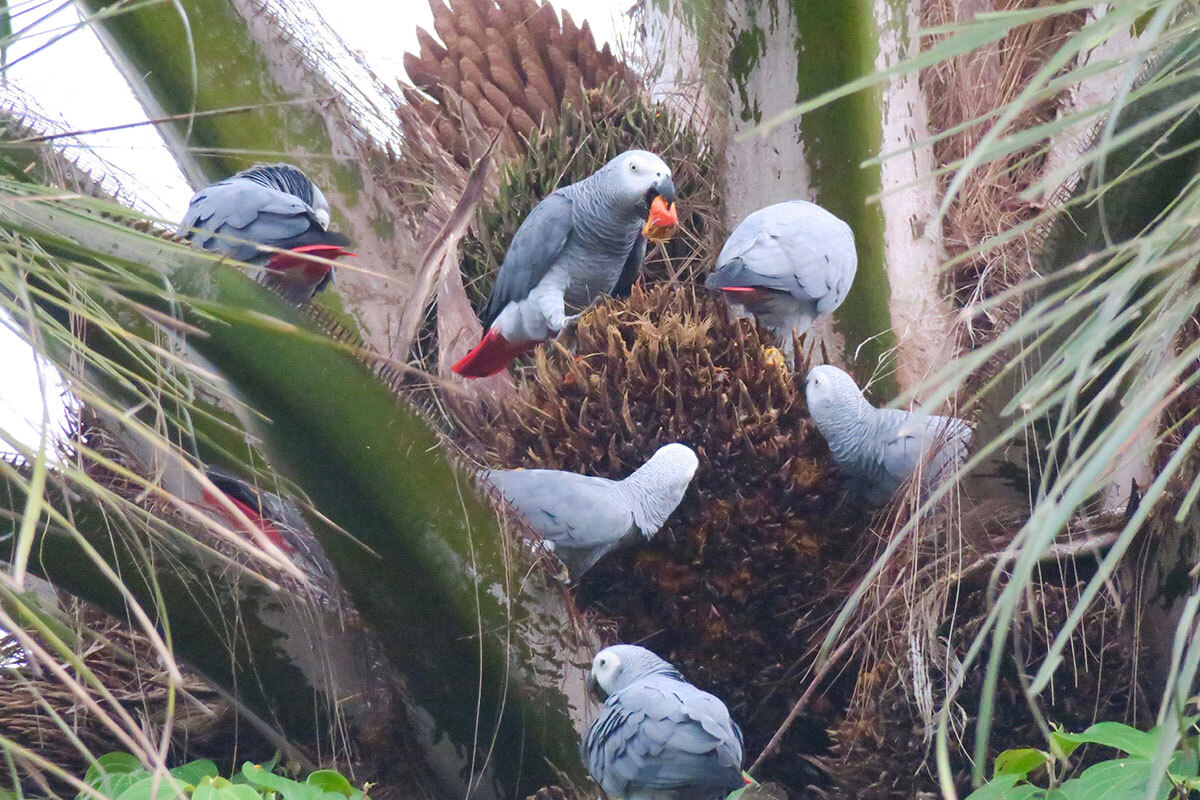
The concept of the microbiome – the collection of microorganisms, such as bacteria, viruses, and fungi, that live in and on an organism – offers a unique fingerprint. Wild parrots consume a diverse and varied diet in their natural environments, foraging for a wide array of plants, berries, nuts, and insects. This varied diet cultivates a rich and distinct microbiome within their digestive systems. In contrast, captive parrots are typically fed commercial bird foods, which are often less diverse and processed. This difference in diet directly influences the composition and diversity of their microbiomes, creating a discernible signature. By analyzing these microbial communities, forensic scientists can now establish a reliable baseline for differentiating between wild and captive-bred individuals, thereby challenging false claims of origin and exposing illegal operations.
This new forensic capability has become especially critical in light of alarming export figures. Since 2020, an estimated 46,000 African grey parrots have been exported from South Africa under the guise of being "captive-bred." These exports have primarily been directed to countries such as Iraq and the United Arab Emirates, raising significant concerns among conservationists and international wildlife enforcement agencies. The sheer volume of these exports, coupled with the widespread use of the "captive-bred" label, strongly suggests a systematic effort to launder wild-caught birds into the legal pet trade. Genomics provides investigators with the crucial scientific evidence needed to challenge these deceptive practices and bring the perpetrators of this illegal trade to justice.
The development and deployment of portable DNA sequencing technology, exemplified by the MinION device, have been instrumental in this evolving landscape. Traditionally, DNA sequencing machines were large, complex, and expensive laboratory equipment, often occupying the space of a large refrigerator. This limited the accessibility and speed of genetic analysis, particularly in field settings or remote locations where illegal activities often occur. The MinION, developed by Oxford Nanopore Technologies, represents a paradigm shift. This remarkably compact device, approximately the size of a USB flash drive, can be directly connected to a laptop, enabling real-time DNA sequencing. Its portability, affordability, and ease of use have democratized genomic analysis, making it accessible to conservation organizations and forensic laboratories worldwide.
The advantages of the MinION are transformative for wildlife forensics. Its small size allows for field-based sampling and immediate analysis, reducing the need to transport delicate samples across long distances, which can compromise their integrity. This rapid turnaround time is crucial for timely intervention in cases of suspected trafficking. Furthermore, the MinION’s ability to perform real-time sequencing means that results can be obtained within hours, enabling swift action by law enforcement and conservation authorities. This contrasts sharply with traditional methods that could take weeks or even months to yield results. The cost-effectiveness of the MinION also makes advanced genomic analysis accessible to a wider range of organizations, including non-profits and smaller research groups that may have limited budgets. This democratization of technology is vital in the global effort to protect endangered species.
Organizations like the World Parrot Trust and the TRACE Wildlife Forensics Network are at the forefront of utilizing this technology. They are actively engaged in collecting samples, performing genomic analyses, and collaborating with national and international agencies to build robust cases against wildlife traffickers. The process typically involves non-invasive sampling, such as collecting feather or fecal samples, which contain DNA and microbiome data from the bird. These samples are then analyzed using the MinION to generate genetic profiles and microbiome fingerprints. By comparing these profiles to established databases of wild and captive populations, investigators can determine the most probable origin of the bird. This scientific evidence can then be used in legal proceedings to prosecute individuals involved in illegal wildlife trade and to inform policy decisions aimed at strengthening conservation efforts.
The implications of this genomic revolution extend far beyond the African grey parrot. The methodology is applicable to a wide range of endangered species that are targeted by illegal trade, including pangolins, rhinos, elephants, and various reptiles and amphibians. By providing a reliable and objective means of identifying illegally sourced wildlife, genomics empowers authorities to dismantle trafficking networks, disrupt illicit supply chains, and deter future poaching and illegal trade activities. This, in turn, contributes to the long-term survival of vulnerable species by reducing the pressure on wild populations and allowing them to recover.
The financial support provided by entities like Lafeber for initiatives such as the World Parrot Trust’s microbiome profiling program is crucial. These donations enable the acquisition and deployment of vital technologies like the MinION, as well as the training of personnel in their use. Such partnerships underscore the collaborative nature of conservation efforts, bringing together scientific expertise, technological innovation, and financial resources to address complex global challenges. The ability to accurately trace the origin of wildlife products is a significant step forward in the global fight against wildlife crime. It provides a powerful tool to uphold international agreements, such as the Convention on International Trade in Endangered Species of Wild Fauna and Flora (CITES), and to hold accountable those who profit from the destruction of biodiversity.
Looking ahead, the continuous advancements in genomics, coupled with the increasing accessibility of sequencing technologies, promise to further enhance conservation efforts. The ongoing development of more sophisticated analytical tools and larger reference databases will only strengthen the accuracy and scope of genomic-based wildlife forensics. This evolving field offers a beacon of hope for endangered species, providing a scientific foundation upon which to build more effective strategies for their protection and ensuring that the "instruction manual" of life can be read and understood to safeguard its future. The ability to distinguish between a bird that was born in a nest in the wild and one that was bred in a cage is a testament to human ingenuity and its potential to serve as a powerful force for good in protecting the planet’s precious biodiversity.
