
The Toucan Rescue Ranch (TRR), a cornerstone of Costa Rican wildlife conservation, has officially expanded its multi-faceted mission by prioritizing a comprehensive Education Program designed to bridge the gap between rescue operations and long-term environmental sustainability. While the organization is widely recognized for its clinical success in rehabilitating injured and orphaned wildlife, its leadership emphasizes that the ultimate survival of Costa Rica’s biodiversity depends on fostering a global culture of environmental stewardship. By integrating hands-on sanctuary experiences with cutting-edge virtual outreach through partnerships with National Geographic Explorers, Toucan Rescue Ranch is redefining how conservation organizations engage with the public in the 21st century.
Since its founding in 2004, Toucan Rescue Ranch has evolved from a small rescue facility for birds into a world-class sanctuary and rehabilitation center housing a diverse array of species, including sloths, owls, monkeys, and its namesake toucans. However, the organization’s leadership recognized early on that a "rescue-only" model is a reactive solution to a systemic problem. Habitat loss, illegal pet trade, and human-wildlife conflict continue to drive animals into the clinic. To address the root causes of these issues, the Education Program was established as a proactive pillar, aiming to transform visitors and students from passive observers into active advocates for the natural world.
A Multidimensional Approach to Interactive Learning
The Education Program at Toucan Rescue Ranch is structured around the philosophy of immersive experience. For those visiting the sanctuary in person, the ranch offers guided educational tours that depart from the traditional "zoo" experience. These tours are designed to provide a deep dive into the biological needs and ecological roles of the resident animals. Visitors are not merely shown the animals; they are educated on the specific circumstances that led to each animal’s rescue, whether it was an electrocution on uninsulated power lines, a dog attack, or the consequences of the illegal wildlife trade.
These onsite experiences are further enriched by hands-on workshops tailored to different age groups. For younger children, the focus remains on empathy and basic biology, while older students and university groups engage in more complex discussions regarding conservation genetics, habitat fragmentation, and the ethics of wildlife rehabilitation. By providing a unique opportunity to see rescued animals up close, the program humanizes the abstract concept of "biodiversity loss," making the challenges faced by these species tangible to the public.
Expanding the Reach Through Virtual Innovation
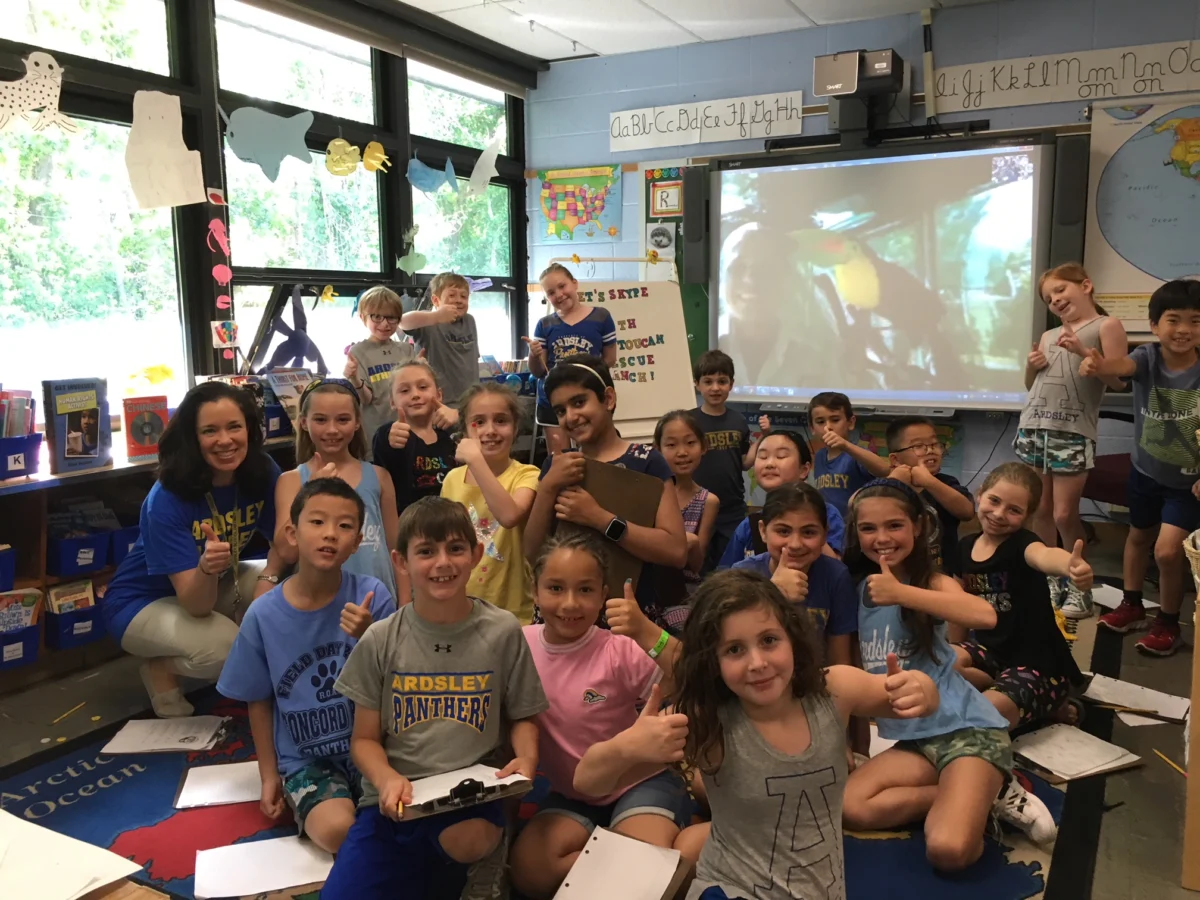
Recognizing that geographic and financial barriers often prevent schools from visiting the rainforest, Toucan Rescue Ranch has invested heavily in its virtual learning infrastructure. This shift toward digital outreach was accelerated by global changes in educational delivery over the last several years, leading to a robust suite of online sessions. These virtual tours and workshops are designed to be highly interactive, utilizing high-definition video and real-time communication to bring the sights and sounds of the Costa Rican canopy directly into classrooms and homes worldwide.
The virtual program allows participants to explore the world of conservation without the carbon footprint of international travel. These sessions cover a wide range of topics, from the specialized diet of the emerald toucanet to the slow-motion metabolism of the two-toed sloth. By democratizing access to environmental education, Toucan Rescue Ranch is building a global network of informed citizens who understand that the health of the rainforest is inextricably linked to global climate stability.
Strategic Partnership with Exploring By The Seat Of Your Pants
A significant milestone in the expansion of these educational efforts is the formal partnership between Toucan Rescue Ranch and "Exploring By The Seat Of Your Pants" (EBTSOYP). Founded in 2015 by Joe Grabowski, a National Geographic Explorer and celebrated educator, EBTSOYP was created with a mission to ignite the curiosity of future scientists and conservationists. The platform connects classrooms with leading experts, explorers, and researchers through live, virtual guest speaking engagements and field trips.
Since its inception, EBTSOYP has hosted over 1,000 live events, reaching hundreds of thousands of students in more than 60 countries. By removing the cost barrier—offering these experiences for free to classrooms—Grabowski has created a powerful tool for global education. The partnership with Toucan Rescue Ranch brings a specialized focus on the Central American rainforest, specifically targeting North American classrooms that may have little direct exposure to tropical ecosystems.
The Saving Sloths Together Initiative: A Case Study in Education
At the heart of the TRR and EBTSOYP partnership is a monthly virtual visit series focused on one of the world’s most charismatic yet misunderstood animals: the sloth. These 40-minute sessions provide an in-depth look at the "Saving Sloths Together" program, a collaborative project between Toucan Rescue Ranch and The Sloth Institute of Costa Rica.
During these sessions, a knowledgeable guide from the ranch leads students through the complex process of sloth conservation. The curriculum covers the distinct differences between the Hoffman’s two-toed sloth and the brown-throated three-toed sloth, their specialized anatomy, and the unique challenges they face in the wild. More importantly, the sessions detail the rigorous "rewilding" process, explaining how orphaned sloths are taught the skills necessary to survive in the wild before they are eventually released.
The sessions conclude with a lively Q&A period, allowing students to engage directly with conservationists. This direct interaction is vital for inspiring the next generation of scientists. When a student in a city can ask a researcher in the rainforest about the day-to-day realities of wildlife rescue, it transforms a textbook subject into a viable career path and a lifelong passion. To further support the ranch’s mission, classrooms that contribute a donation of $25.00 or more receive a special donation certificate, providing students with a sense of tangible participation in the conservation process.
Supporting Data and Environmental Context
The need for such robust educational initiatives is underscored by the current environmental data coming out of Central America. Costa Rica, despite covering only 0.03% of the earth’s surface, contains nearly 6% of the world’s biodiversity. However, this biodiversity is under constant threat. According to recent environmental reports, habitat fragmentation caused by agricultural expansion and urban development remains the leading cause of wildlife displacement in the region.
Furthermore, data from Costa Rica’s National System of Conservation Areas (SINAC) suggests that human-wildlife conflict is on the rise as urban areas encroach on natural corridors. Educational programs like those at Toucan Rescue Ranch serve as a critical intervention. By teaching local communities and international tourists about the importance of maintaining wildlife corridors and the dangers of feeding wild animals, the ranch is directly contributing to a reduction in rescue-related incidents.
Broader Impact and Global Implications
The implications of Toucan Rescue Ranch’s Education Program extend far beyond the borders of Costa Rica. In an era of rapid climate change and mass extinction, the role of rescue centers is evolving. They are no longer just hospitals for animals; they are hubs of data collection and public advocacy. The information gathered during the rehabilitation of a sloth or a toucan provides valuable insights into the health of the broader ecosystem.
By sharing this information through platforms like EBTSOYP, Toucan Rescue Ranch is contributing to a global "environmental literacy." This literacy is essential for the success of international conservation agreements and local policy changes. When people understand the intrinsic value of a species and the complexity of its habitat, they are more likely to support sustainable practices and advocate for protective legislation.
The success of the partnership with National Geographic Explorers also highlights the growing importance of "edutainment" in conservation. By leveraging the charisma of animals like sloths and the prestige of the National Geographic brand, TRR is able to capture the attention of a younger generation that is constantly bombarded with digital content. This strategy ensures that the message of conservation remains relevant and engaging in a competitive media landscape.
Conclusion: A Call to Action for Future Stewards
Toucan Rescue Ranch’s commitment to education represents a holistic approach to conservation. By balancing the immediate, urgent needs of injured wildlife with the long-term necessity of public education, the ranch is creating a sustainable model for environmental protection. Whether through a guided tour in the heart of the rainforest or a virtual session in a remote classroom, the goal remains the same: to inspire a deep-seated appreciation for the natural world and a commitment to its preservation.
For teachers, group leaders, and wildlife enthusiasts, the invitation to join this mission is open. Participation in the Education Program is more than just a learning opportunity; it is an investment in the future of the planet’s biodiversity. As Toucan Rescue Ranch continues to expand its reach and refine its educational tools, it stands as a testament to the power of knowledge in the fight against extinction. Through informed advocacy and global cooperation, the "magic of the rainforest" can be preserved for generations to come, ensuring that species like the sloth and the toucan continue to thrive in their natural habitats.
