
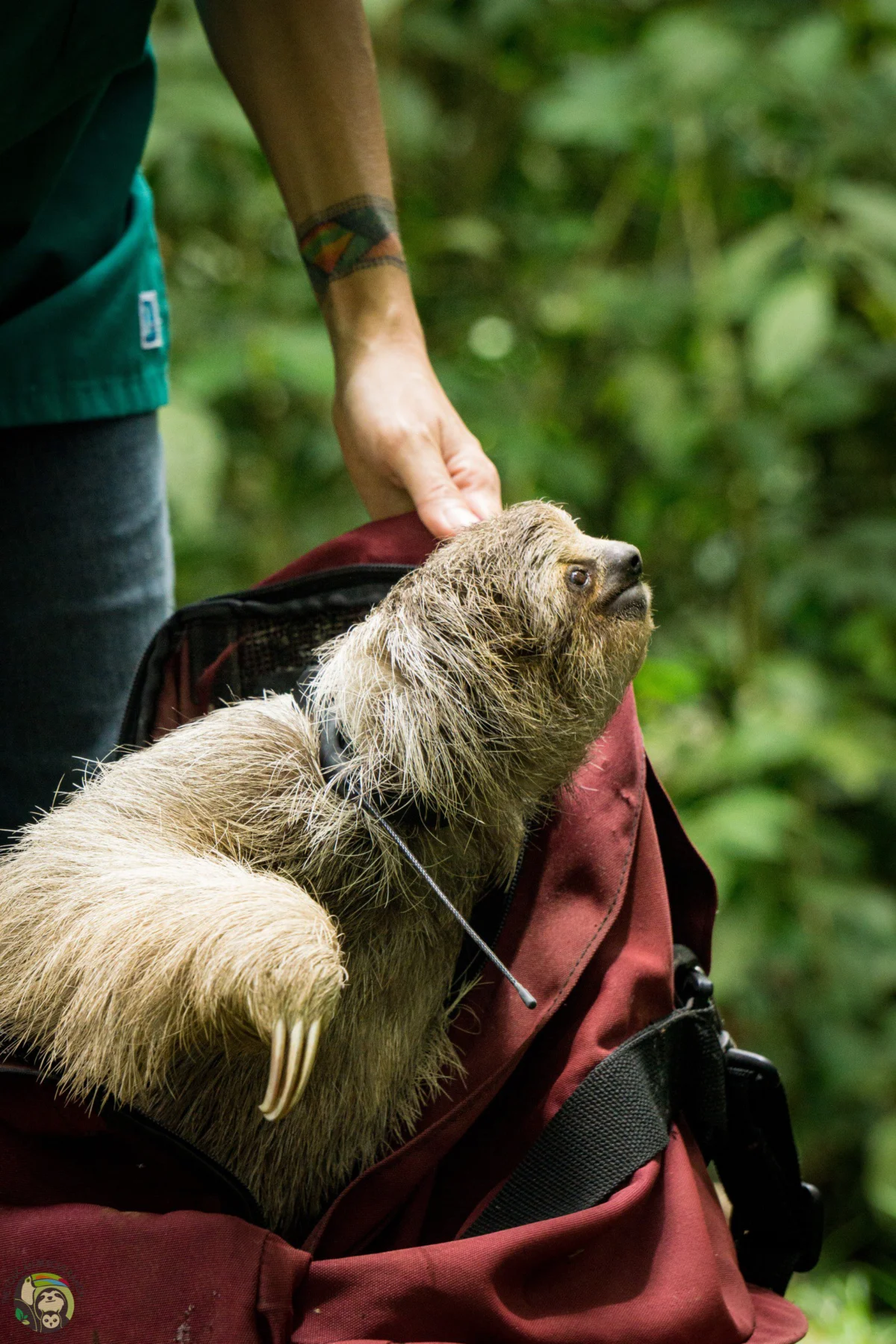
The Toucan Rescue Ranch Release Program stands as a cornerstone of wildlife conservation in Costa Rica, representing a sophisticated, multi-stage initiative designed to return displaced and injured animals to their natural ecosystems. Based in the biodiversity-rich corridors of Central America, the program operates as a vital link between emergency veterinary intervention and the long-term restoration of local fauna. By focusing on a rigorous rehabilitation protocol, the Toucan Rescue Ranch (TRR) ensures that rescued wildlife—ranging from iconic toucans and macaws to elusive owls and mammals—receives the medical, behavioral, and environmental support necessary to survive the transition from captivity back to the wild.
The Foundations of Wildlife Rehabilitation in Costa Rica
Costa Rica is home to nearly 5% of the world’s known biodiversity, a fact that places immense pressure on local conservation efforts. The Toucan Rescue Ranch Release Program was established to address the growing number of animals affected by habitat loss, electrocution on power lines, vehicular strikes, and the illegal pet trade. The program’s mission is rooted in the belief that every animal deserves a second chance at a life of autonomy.
The process begins the moment an animal enters the sanctuary. Many arrivals are victims of the illegal wildlife trade, often suffering from malnutrition, clipped wings, or psychological trauma from prolonged human contact. Others are brought in by local citizens or government officials after being found injured in the field. The immediate priority is stabilization, led by a team of skilled veterinarians and wildlife care specialists who provide 24-hour medical attention. This clinical phase is the first step in a long journey toward re-wilding, where the ultimate success is measured not just by survival, but by the animal’s ability to reintegrate into the complex social and biological structures of the rainforest.
A Chronological Approach to Reintegration: From Intake to Independence
The path to freedom is a structured, chronological progression that ensures no animal is released before it is fully prepared. This timeline is divided into several critical phases:
Phase 1: Clinical Recovery and Stabilization
Upon arrival, animals undergo a thorough medical examination, including blood work, X-rays, and parasitic screenings. For those coming from the illegal pet trade, this phase often involves reversing the effects of poor diets and restricted movement. The goal is to restore physical health to a baseline that allows for active rehabilitation.
Phase 2: Behavioral Enrichment and Skill Acquisition
Once medically cleared, animals move to enrichment enclosures. Here, the focus shifts from healing to learning. For young birds or mammals that never learned to survive in the wild, this stage is educational. Specialists use "soft" techniques to teach essential survival skills, such as identifying native fruits, foraging for insects, and recognizing the calls of predators. Behavioral enrichment is tailored to each species; for example, toucans are encouraged to practice complex hopping and flight maneuvers to rebuild pectoral muscle strength.
Phase 3: The Pre-Release Assessment
Before moving to a release site, each candidate must pass a series of assessments. These evaluations determine if the animal possesses a healthy fear of humans, the ability to find food independently, and the physical stamina to navigate a wild environment. Animals that fail to meet these criteria—often due to permanent physical disability or irreversible habituation to humans—are transitioned into the permanent resident program.
Phase 4: The Soft Release Process
The "soft release" is a specialized methodology used by TRR to ease the transition. Instead of a "hard release," where an animal is simply let go in a new location, the soft release involves placing the animal in a large enclosure at the intended release site. This allows the animal to acclimate to the local climate, sounds, and smells while still receiving supplemental food. Eventually, the door is left open, allowing the animal to venture out and return as needed until it feels confident enough to leave permanently.
Categorizing Candidates: Release Prospects vs. Permanent Residents
A critical component of the program’s integrity is the objective classification of animals. Not every rescue can return to the wild, and the Ranch maintains a strict "no-harm" policy regarding the release of unfit individuals.
The Ideal Release Candidate
Strong candidates are typically those who have maintained their natural instincts. This includes adult animals that were wild-born and only spent a short time in clinical care, as well as offspring from the Ranch’s specialized breeding programs. A key example is the toucan breeding program, where chicks are raised with minimal human interaction to ensure they do not become habituated. These birds retain a natural wariness of humans, which is their greatest defense against recapture or domestic conflict.
The Role of Permanent Residents
Animals deemed unfit for release serve a different but equally vital purpose. These residents, such as parrots with permanently damaged wings or owls that have lost their sight, become "ambassadors" for their species. They participate in the Ranch’s educational programs, providing a face for the consequences of the illegal pet trade and habitat destruction. By sharing the stories of these permanent residents, TRR fosters empathy and drives community-led conservation efforts.
Strategic Partnerships and Regulatory Oversight
The Toucan Rescue Ranch does not operate in a vacuum. Every release is a collaborative effort involving Costa Rica’s wildlife governing agency, the Ministry of Environment and Energy (MINAE). This partnership ensures that all releases comply with national conservation strategies and that animals are placed in habitats where their species is already present or where they can help bolster declining populations.
Furthermore, TRR collaborates with local reserves to identify the most secure release sites. Partnerships with institutions like Earth University and the Tirimbina Biological Reserve provide access to thousands of acres of protected primary and secondary forests. These sites are selected based on the availability of food sources, the density of natural predators, and the distance from human urban centers.
Infrastructure for Success: The Release Sites
The Ranch has invested significantly in its own dedicated release infrastructure. Currently, the operation manages two primary parcels of land—one 25-acre tract and another 16-acre tract—specifically designed for the soft release program. These properties act as a halfway house between the sanctuary and the deep wild.
The presence of an intern house on these properties allows for constant, low-impact monitoring. Researchers and interns can observe the animals from a distance, recording data on their foraging patterns and social interactions without interfering with their re-wilding process. This infrastructure is essential for the "rewilding" of species that require large home ranges, providing them with a safe "anchor" point during their first few weeks of freedom.
Post-Release Monitoring and Data Analysis
The commitment to the animal does not end when it flies or climbs away. Post-release monitoring is an integral part of the program’s scientific framework. Using a combination of field observations, camera traps, and, in some cases, radio telemetry or GPS tracking devices, the TRR team gathers data on the success rates of their graduates.
This data is used to refine rehabilitation techniques. For instance, if monitoring reveals that a certain species struggles to find water during the dry season post-release, the Ranch may adjust its pre-release training to include more intensive water-sourcing exercises. This feedback loop ensures that the program remains at the forefront of wildlife rehabilitation science.
Broader Impact: Ecosystem Services and Community Awareness
The release of a single toucan or sloth has implications that reach far beyond the individual animal. These creatures are "ecosystem engineers." Toucans, for example, are primary seed dispersers; by eating fruit and traveling across the forest, they help replant the rainforest, maintaining the genetic diversity of the flora. Predators like owls and hawks provide essential pest control, keeping populations of rodents and insects in check.
Beyond the biological impact, the Release Program serves as a catalyst for community engagement. When local residents see an animal being returned to the trees, it reinforces the value of the standing forest. The program’s "Back in the Trees" and "Born to be Wild" campaigns have successfully shifted local perspectives, encouraging a transition from viewing wildlife as potential pets to seeing them as essential components of a healthy environment.
Conclusion and Future Outlook
The Toucan Rescue Ranch Release Program represents a sophisticated model for modern wildlife conservation. By combining high-level veterinary medicine with rigorous behavioral science and strategic environmental partnerships, the Ranch ensures that "giving wildlife a second chance" is more than a slogan—it is a measurable, scientific reality.
As habitat fragmentation continues to pose a threat to Costa Rican wildlife, the role of such programs becomes increasingly vital. The Ranch’s ongoing expansion of its release sites and its commitment to data-driven rehabilitation provide a blueprint for similar initiatives globally. For the animals that pass through its gates, the program offers a transition from tragedy to triumph, ensuring that the vibrant canopy of the Costa Rican rainforest remains populated by the species that define it. Through continued public support and scientific innovation, the Toucan Rescue Ranch remains a beacon of hope for the wild heart of Central America.
