
The first whisper of spring often arrives not with the blooming of flowers, but with the electrifying, albeit brief, appearance of hummingbirds. For dedicated observers and backyard enthusiasts, the anticipation of these iridescent jewels gracing feeders and gardens after a long, silent winter is a profound signal of nature’s cyclical renewal. While their arrival may seem to stretch into an eternity for the impatient, the reward of witnessing their energetic displays and intricate feeding behaviors is, by all accounts, a significant payoff for their arduous journey. These tiny avian powerhouses undertake migrations that are nothing short of astonishing, traversing thousands of miles to reach their breeding grounds, making their eventual appearance a testament to resilience and the unwavering call of instinct.
The Epic Journey of the Tiny Traveler
The migratory patterns of hummingbirds are a marvel of natural engineering. Many species, particularly the Ruby-throated Hummingbird in the eastern United States and Canada, embark on a remarkable journey of up to 2,000 miles from their wintering grounds in Central America. This migration is not a leisurely stroll; it is a high-stakes endeavor, fraught with challenges. These minuscule birds, weighing as little as a dime, must navigate vast bodies of water, unpredictable weather patterns, and a landscape that is constantly evolving due to human development and agricultural practices.
The timing of their migration is intricately linked to the blooming cycles of flowers and the availability of insect prey, their primary food source in addition to nectar. As temperatures warm and daylight hours lengthen, the internal biological clocks of these birds trigger their departure. They typically travel by day, resting and feeding along the way. During this journey, they rely on a rich diet of nectar from flowering plants and small insects, which provide the necessary energy for sustained flight.
Regional Variations and Resident Species
While many hummingbirds are migratory, a significant portion of the hummingbird population, particularly in the far western United States, comprises resident species. These include species such as Anna’s Hummingbird, Costa’s Hummingbird, and Allen’s Hummingbird. Unlike their migratory counterparts, these species may remain in their territories year-round, or their migrations are shorter and less extensive, often dictated by local food availability and microclimates.
For residents in these regions, the anticipation shifts from waiting for arrival to observing the development of local hummingbird families. These resident species are often among the first to begin nesting. This means that observers might soon have the opportunity to witness newly fledged young hummingbirds venturing out for the first time, making their tentative visits to feeders and flowers. This offers a unique perspective on the hummingbird lifecycle, moving beyond the spectacle of migration to the intimate drama of raising the next generation.

Enticing Hummingbirds: Beyond the Feeder
Attracting these captivating creatures to one’s backyard involves more than simply hanging a feeder. While feeders filled with a properly prepared nectar solution (typically four parts water to one part granulated white sugar, boiled and cooled) are a primary draw, creating a hummingbird-friendly habitat is crucial for their long-term well-being and for increasing the likelihood of repeat visits.
Creating a Hummingbird Haven:
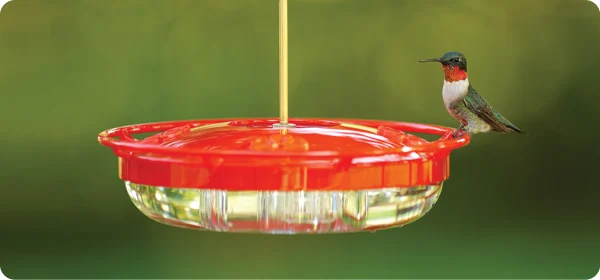
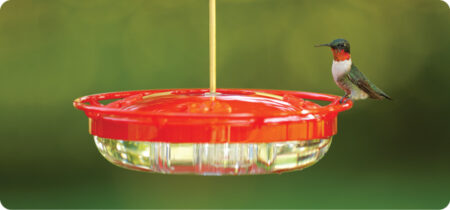
- Nectar Feeders: High-quality feeders, especially those with clear bases, can provide an excellent vantage point for observing feeding behavior. Wild Birds Unlimited feeders, for instance, are designed to facilitate close observation of the birds’ unique feeding mechanisms.
- Native Plants: A diverse array of native flowering plants is essential. Hummingbirds have a preference for tubular flowers in vibrant colors, such as red, orange, and pink. Plants like bee balm (Monarda spp.), cardinal flower (Lobelia cardinalis), trumpet vine (Campsis radicans), and columbine (Aquilegia spp.) are excellent choices. These plants not only provide nectar but also serve as a source of small insects and spiders, which are vital for protein, especially during nesting season.
- Water Sources: Hummingbirds also benefit from access to water. Misters or shallow bird baths with gentle water movement can attract them for bathing and drinking.
- Shelter and Perching Spots: While active, hummingbirds also need places to rest and survey their territory. Small trees, shrubs, and even clotheslines can serve as perching spots.
The Art of Observation: A Window into Avian Ingenuity
Watching hummingbirds is an exercise in rapt attention. Their behavior is a symphony of motion and sound. Observers are encouraged to look for a variety of cues that indicate their presence and activity:
- Agile Flight: Their aerial acrobatics are legendary. They can hover in place, fly backward, and dart with astonishing speed and precision. This agility is crucial for accessing nectar from deep within flowers and for evading predators.
- Vocalizations: Beyond the iconic hum of their wings, hummingbirds communicate through a series of high-pitched chirps and squeaks. These sounds can indicate territorial disputes, alarm calls, or courtship displays.
- Pollen Indicators: A keen eye might spot a dusting of yellow pollen on a hummingbird’s forehead, a tell-tale sign of its recent foraging activity among flowers. This pollen transfer is essential for plant pollination, highlighting the hummingbird’s ecological role.
- Feeding Mechanism: The feeding process itself is a fascinating spectacle. Contrary to popular belief, hummingbirds do not suck nectar through their bills. Instead, their tongues are uniquely adapted with open grooves or forks. When extended into nectar, capillary action draws the liquid up into the tongue, which is then rapidly lapped into the mouth. This rapid lapping motion can occur up to 12 times per second. Witnessing this rapid tongue movement, especially with feeders designed for clear viewing, provides a remarkable glimpse into their specialized biology.
The Ecological Significance of Hummingbirds
Hummingbirds are not merely ornamental additions to our landscapes; they are critical pollinators. As they flit from flower to flower, they inadvertently transfer pollen, playing a vital role in the reproductive cycle of many plant species. Their specialized feeding habits and ability to fly long distances make them efficient pollinators for plants that might otherwise struggle to reproduce.
The health of hummingbird populations is also an indicator of the health of their ecosystems. Declines in hummingbird numbers can signal environmental stressors such as habitat loss, pesticide use, and climate change. Therefore, efforts to conserve and attract hummingbirds contribute to broader biodiversity conservation goals.
Expert Insights and Further Exploration
For those seeking to deepen their understanding and appreciation of hummingbirds, resources such as the Wild Birds Unlimited Nature Centered Podcast offer invaluable insights. Episode 72, "Hooray for Hummingbirds," provides entertaining and informative discussions with experts John and Brian, who share practical advice on attracting and observing these captivating birds, enhancing the joy and fulfillment derived from these encounters.

Conclusion: A Rewarding Investment in Nature
The wait for hummingbirds, though sometimes lengthy, is ultimately a rewarding investment in the natural world. Their arrival signals the vibrancy of spring and summer, offering a consistent source of wonder and delight. By understanding their needs, providing appropriate habitats, and taking the time to observe their intricate behaviors, individuals can forge a deeper connection with these remarkable avian jewels. The patience required to witness their return is mirrored in the resilience they display throughout their incredible journeys, a testament to the enduring power and beauty of nature. Their presence in our backyards is a gift, a fleeting reminder of the wild world’s intricate dance and the simple yet profound pleasures it offers.
