

Woodpeckers are truly wonderful, bringing an entertaining array of activities and excitement to backyards across North America. However, their designation as "wondrous" is perhaps more fitting, stemming from an extraordinary assortment of physical and behavioral adaptations that equip them for a lifestyle that appears, to many observers, as a perpetual existence of demanding labor. These avian acrobats, renowned for their distinctive drumming and tree-excavating prowess, are far more than just backyard visitors; they are a testament to the power of evolutionary engineering, showcasing remarkable resilience and specialized anatomy that allows them to thrive in environments that would be insurmountable for most other bird species.
The Punishing Profession of a Woodpecker
The very essence of a woodpecker’s life involves a degree of physical exertion that is almost unfathomable. When excavating a nest cavity or foraging for insects, a woodpecker’s head can strike a tree’s surface at astonishing speeds, reportedly reaching up to 13 miles per hour. The force generated by these impacts is approximately 10 Gs. To put this into perspective, a human experiencing 10 Gs would likely suffer severe brain trauma, with the human brain being approximately three times more susceptible to concussion than that of a woodpecker at such velocities. This constant, high-impact activity begs the question of how these birds not only survive but flourish under such conditions.
Anatomical Marvels: Engineering for Impact
Scientific inquiry has long focused on the unique biological mechanisms that enable woodpeckers to withstand this punishing regimen. A primary area of investigation has been their cranial structure. Unlike the more solid skulls of many birds, a woodpecker’s skull is characterized by lightweight, spongy bone that is infused with air pockets. This structure, while seemingly delicate, is remarkably strong due to an intricate reinforcing meshwork of bony support struts.
Crucially, the size of a woodpecker’s skull relative to its brain is significantly smaller than in most avian species. This anatomical arrangement creates a snug fit, minimizing the space within the skull where the brain can shift and rattle during severe impacts. This reduced "sloshing" effect is a critical factor in preventing neurological damage, akin to a shock-absorbing system designed by nature.
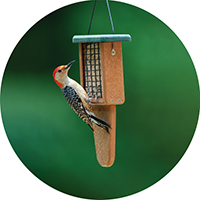
Furthermore, the constant hammering would logically lead to the rapid erosion of a bird’s beak. However, woodpeckers possess a remarkable regenerative capability. Specialized cells at the tip of their beaks are continuously active, replacing material lost through wear and tear. This ensures that their chisel-pointed beaks remain strong, resilient, and, astoundingly, self-sharpening with each successive blow. This continuous renewal process is vital for their ability to excavate and forage effectively throughout their lives.
Specialized Sensory Protection
Beyond cranial and beak adaptations, woodpeckers have evolved sophisticated protective measures for their eyes and respiratory systems. The expulsion of wood chips and debris during excavation poses a significant risk of injury. To mitigate this, woodpeckers have developed a unique "dust mask" in the form of stiff feather tufts that grow over their nostrils. These specialized feathers act as filters, preventing small wood particles from entering their nasal passages.
Complementing this is a specialized third eyelid, a nictitating membrane that sweeps across the eye diagonally. This transparent or translucent membrane functions much like built-in safety goggles, shielding the eyes from flying debris while still allowing the bird to maintain a degree of vision during its arduous work. This dual-layered protection underscores the profound level of adaptation these birds exhibit to their challenging ecological niche.
A Glimpse into Woodpecker Diversity and Ecology
North America is home to a diverse array of woodpecker species, each with its own specific adaptations and ecological roles. Among the most common and recognizable are the Downy Woodpecker (Dryobates pubescens) and the Hairy Woodpecker (Dryobates villosus), often seen at feeders. Their larger cousins, the Northern Flicker (Colaptes auratus) and the Pileated Woodpecker (Dryocopus pileatus), are also prominent figures in forest and woodland ecosystems, their distinctive calls and drumming echoing through the trees.

The ecological significance of woodpeckers extends beyond their impressive physical traits. They are keystone species in many forest environments. By excavating cavities, they create essential nesting sites and roosting places for a multitude of other bird species, small mammals like squirrels and bats, and even insects. A study published in the Journal of Avian Biology highlighted that abandoned woodpecker cavities can be occupied by over 50 different species, demonstrating their critical role in providing essential habitat.
Their foraging habits also play a vital role in forest health. Many woodpeckers specialize in consuming wood-boring insects, such as carpenter ants and beetle larvae, effectively acting as natural pest controllers. By reducing populations of these insects, they help to protect trees from significant damage and disease. The Pileated Woodpecker, for instance, is known for its substantial impact on carpenter ant populations, often leaving characteristic rectangular holes in trees as evidence of its feeding activity.
Attracting Woodpeckers to Your Backyard
For backyard bird enthusiasts, the opportunity to observe these remarkable creatures up close is a significant draw. Fortunately, attracting a variety of woodpecker species is achievable with the right approach to feeding. Wild Birds Unlimited (WBU) offers a range of specialized foods designed to cater to their dietary needs and preferences.
High-energy suet, particularly in no-melt formulations that are suitable for warmer climates, is a perennial favorite. This provides essential fats and calories, especially crucial during colder months. WBU’s Bark Butter products, a proprietary blend of suet, peanut butter, and cornmeal, have proven exceptionally effective in attracting a wide range of woodpeckers, as well as other insectivorous birds.

Shelled peanuts, either whole or in pieces, are another highly sought-after food. Their high fat and protein content makes them an excellent energy source. Blends such as the TreeNutty® Plus Blend, which incorporates various nuts and seeds, can also appeal to woodpeckers. For a more specialized offering, WBU’s Woodpecker Cylinder, often containing a mix of nuts, seeds, and suet, is specifically formulated to draw these birds to feeders.
The presence of these feeders not only provides sustenance for woodpeckers but also offers valuable opportunities for observation and education, fostering a deeper appreciation for their unique adaptations and ecological importance.
Understanding the "Why" Behind the Drumming
While the physical act of excavating cavities is for nesting and foraging, woodpeckers also engage in a behavior known as drumming, which serves a different, yet equally important, purpose. This rhythmic tapping on resonant surfaces, such as dead trees or even man-made structures, is primarily a form of communication.
During the breeding season, drumming serves as a territorial display, announcing a male’s presence and warning off rivals. It is also a crucial component of courtship, with males often engaging in elaborate drumming duets with potential mates. The speed, intensity, and pattern of the drumming can convey different messages, from aggression to attraction.

In some instances, drumming can also be a form of "signal" drumming, where woodpeckers tap on hollow logs or branches to locate insects hidden within. The subtle vibrations created by the tapping travel through the wood, and the bird can detect the presence of prey by listening to the changes in resonance or the sounds of insect movement.
The Broader Impact: Conservation and Appreciation
The ongoing research into woodpecker adaptations and their ecological roles has significant implications for conservation efforts. Understanding their specific habitat requirements, particularly their reliance on mature forests with standing dead trees (snags) for nesting and foraging, is crucial for effective forest management. Protecting these habitats ensures the continued survival of woodpecker populations and, by extension, the many species that depend on the cavities they create.
The "Wonderful Woodpeckers" podcast episode from WBU provides an accessible platform for the public to learn more about these fascinating birds, fostering greater awareness and appreciation. As human development encroaches on natural habitats, initiatives that promote backyard bird feeding and habitat preservation become increasingly important. By providing food sources and suitable environments, individuals can play a direct role in supporting local woodpecker populations and contributing to broader biodiversity conservation goals.
The resilience and specialized adaptations of woodpeckers serve as a powerful reminder of the intricate and ingenious ways in which life has evolved to meet the challenges of diverse environments. Their continued presence in our backyards and wild spaces offers a unique window into the marvels of the natural world, a world that continues to surprise and inspire with its enduring wonders.
