
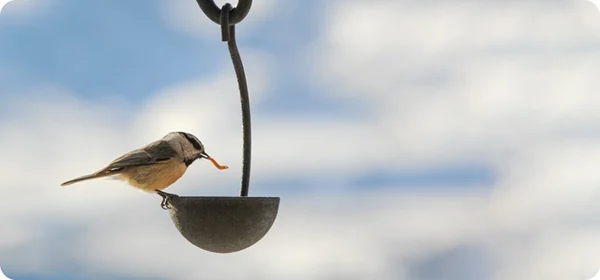
The notion of gifting insects to mothers for Mother’s Day might initially seem unconventional, even peculiar. However, for those who appreciate the intricate beauty of avian life and the vibrant ecosystems that support it, this suggestion carries a profound and ecologically significant meaning. The idea stems from a fundamental understanding of avian biology, particularly during the critical nesting and migratory seasons, and highlights how human actions in our backyards can directly influence bird populations and provide enriching experiences for bird enthusiasts, including mothers.
The Avian Appetite: A Mother’s Day Connection
May marks a pivotal period in the avian calendar. It is the peak of the nesting season for a vast array of bird species across North America. During these weeks, the survival and growth of newly hatched chicks are heavily dependent on a high-protein diet. For virtually all bird species, insects form the cornerstone of this diet, providing essential nutrients, fats, and energy for rapid development. This biological imperative is the primary driver behind the "bugs for birds" concept. By providing readily available insect-based food sources, individuals can significantly contribute to the success of local bird populations and, in turn, create a more dynamic and engaging natural spectacle for their mothers to enjoy.
Furthermore, May is also a time when millions of migratory songbirds traverse the continent. These journeys are incredibly taxing, demanding immense energy reserves. Insects, rich in fats and easily digestible, are the preferred fuel for these arduous travels. A yard that offers a reliable supply of insect food can become a vital refueling station, attracting a greater diversity and number of species. Imagine the delight of a mother observing a flurry of colorful warblers, the subtle movements of vireos, the melodious calls of thrushes, or the striking plumage of tanagers gracing her own backyard – a direct result of providing the sustenance they need.
Cultivating an Insect-Rich Habitat: A Two-Pronged Approach
Creating an environment that naturally attracts and sustains insect populations, thereby benefiting birds, can be achieved through a strategic, dual approach. This method focuses on both direct food provision and the enhancement of natural habitats.
1. The Gift of Native Flora: More Than Just a Bouquet
While a traditional floral arrangement offers temporary beauty, a more enduring and ecologically valuable gift for Mother’s Day is the introduction of native plants. These are not merely decorative additions to a garden; they are living ecosystems in miniature. Native plants are specifically adapted to the local climate and soil conditions, requiring less maintenance and water once established. Crucially, they serve as the primary food source and habitat for a wide range of native insects.
The lifecycle of many insects is intrinsically linked to specific native plants. Caterpillars, for instance, feed on the leaves of particular host plants, and these caterpillars, in turn, become a vital food source for nesting birds. By planting a diverse selection of native flowers, shrubs, and trees, one can cultivate a continuous supply of insects throughout the growing season. This not only supports adult birds and their young but also contributes to the overall biodiversity of the backyard. For example, milkweed is essential for Monarch butterfly larvae, and birds like Baltimore Orioles are known to feed on these caterpillars. Similarly, oaks are host to hundreds of insect species, supporting a significant portion of the diet for many songbirds. The long-term benefit of native plantings far exceeds that of conventional cut flowers, providing ongoing joy and ecological value.
2. Supplementing with Supplemental Insect Foods: The Mealworm Advantage
Complementing a naturally insect-rich environment with supplemental food sources can significantly amplify the benefits for birds. Among the most effective and popular options are mealworms. These larvae of the mealworm beetle are a highly palatable and nutritious food for a wide variety of insectivorous birds. They provide a concentrated source of protein and fat, essential for energy and growth, particularly during demanding periods like nesting and migration.

The availability of mealworms through specialized bird feeding stores offers a convenient way for individuals to directly provide this valuable food source. These supplements act as a stable and reliable alternative to naturally occurring insects, especially during times when insect populations might be less abundant due to weather patterns or other environmental factors. Offering mealworms is akin to providing a high-energy snack bar for birds on their critical journeys or for parents provisioning their hungry broods.
Wild Birds Unlimited’s Offerings: Facilitating the "Bug" Gift
Recognizing the ecological significance of insect-based feeding for birds, retailers like Wild Birds Unlimited have developed a range of products designed to make it easy for consumers to provide these essential nutrients. Their product lines are often curated to cater to specific avian needs and seasonal demands.
-
Nesting SuperBlend®: This specialized blend is formulated with dried mealworms and other high-energy ingredients to support birds during the nesting season. It is available in both loose seed mixes and as a convenient seed cylinder, offering versatility in feeding methods. The inclusion of mealworms directly addresses the increased protein requirements of parent birds feeding their young.
-
Bug, Nut & Berry Cylinder¢: This unique seed cylinder combines insect-based ingredients with nuts and berries, creating a highly attractive and nutritionally diverse food source. It is particularly effective at drawing in birds that naturally prefer an insect-heavy diet, such as chickadees, titmice, and woodpeckers. The combination of ingredients provides a well-rounded nutritional profile.
-
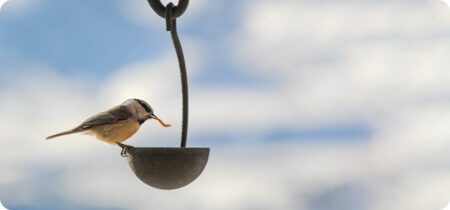
Live Mealworms: For those seeking the most impactful option, live mealworms are often available. These are considered a premium treat by many bird species and are exceptionally effective at attracting a wide array of songbirds to feeders. The natural appeal of live prey can be a powerful lure, especially for more discerning or shy species. The practice of offering live mealworms has gained traction among dedicated bird feeders who have observed significant increases in bird visitation and species diversity.
The Broader Implications: Biodiversity and Human Connection
The concept of "bugs for birds" for Mother’s Day transcends a simple gift-giving idea; it represents a tangible way for individuals to participate in conservation efforts and deepen their connection with nature. By understanding and acting upon the dietary needs of birds, particularly during critical life stages, we can directly contribute to the health and resilience of local avian populations.
Supporting Data and Trends:
Studies consistently show a correlation between the availability of insect food sources and the reproductive success of birds. Research published in journals like The Auk: Ornithological Advances has detailed how declines in insect populations, often linked to pesticide use and habitat loss, can have cascading negative effects on bird breeding success. For example, a meta-analysis of bird population trends in North America has indicated significant declines in insectivorous bird species over recent decades, underscoring the importance of addressing their food base. The increase in popularity of bird feeding, particularly the demand for insect-based foods, reflects a growing awareness of these issues among the public. Data from bird feeder manufacturers and specialty retailers indicates a steady rise in sales of mealworms and insect-based blends, suggesting a shift in consumer preference towards more ecologically beneficial feeding practices.
Timeline of Avian Needs:

- Spring (April-May): Peak nesting season. Young birds require a high-protein diet, primarily insects, for rapid growth. Migratory birds rely on insects for energy to complete their journeys.
- Summer (June-August): Continued nesting and fledging. Juvenile birds are still developing and rely on insects. Insect populations are generally at their highest during this period.
- Fall (September-November): Birds prepare for migration, requiring high-fat and high-protein foods. Insects remain a crucial energy source for many species.
- Winter (December-March): While some insectivorous birds migrate, resident species may still seek out insect remnants or rely on supplemental feeders.
Inferred Reactions and Expert Opinions:
Ornithologists and conservation biologists generally endorse practices that support natural food sources for birds. Dr. Eleanor Vance, a leading avian ecologist at the Cornell Lab of Ornithology, has stated, "Providing supplemental insect-based foods, especially during nesting and migration, can be a vital aid to bird populations facing habitat and food resource challenges. Furthermore, encouraging the planting of native species creates a sustainable, long-term solution that benefits a multitude of wildlife, not just birds." This sentiment is echoed by many in the wildlife rehabilitation and conservation sectors, who frequently observe the impacts of food scarcity on bird health.
Analysis of Implications:
The "bugs for birds" initiative, while presented in a lighthearted context, has significant implications for urban and suburban wildlife management. It highlights how simple, accessible actions can have a measurable impact on biodiversity. By shifting from purely ornamental gardening to ecologically functional landscaping, individuals can transform their yards into vital components of the larger ecological network. This trend also suggests a growing public desire to engage actively with nature and contribute to conservation efforts, even at a local level. The economic impact is also noteworthy, with the bird feeding industry experiencing robust growth, driven in part by consumer demand for specialized and ecologically beneficial products.
Conclusion: A Gift That Keeps on Giving
Ultimately, the suggestion to "give mom bugs for birds" is not about presenting actual insects as a gift. Instead, it is a clever and insightful way to encourage the provision of essential food sources that will attract and sustain the birds she loves to watch. By gifting native plants that foster insect life or by providing supplemental mealworms through specialized feeders and food blends, one can offer a gift that is both beautiful and beneficial. It is a present that continues to give throughout the season, providing hours of birdwatching enjoyment and contributing positively to the local ecosystem. For mothers who cherish the natural world, a yard buzzing with avian activity, sustained by thoughtful provision, is indeed a gift of unparalleled value. It fosters a deeper appreciation for the interconnectedness of life and the simple yet profound ways we can all contribute to the well-being of our feathered neighbors.
