
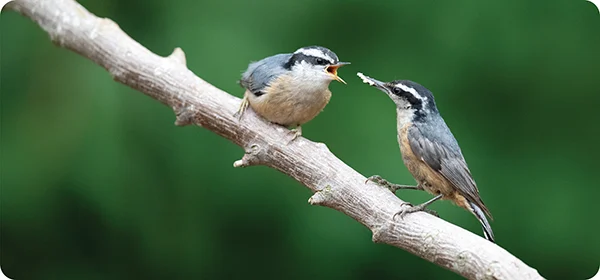
The gentle chirping of newly hatched birds, the flutter of small wings learning to navigate the world, and the dedicated efforts of parent birds to nurture their young represent one of nature’s most profound and universally appreciated spectacles. For those who cultivate vibrant backyards, this annual resurgence of avian life offers not only aesthetic pleasure but also a tangible connection to the delicate cycles of nature. Beyond the sheer delight of observation, the presence and success of nesting birds in our communities are increasingly understood to be indicators of ecological health and the effectiveness of human efforts to support local wildlife.
Understanding the Vital Role of Backyard Support Systems
The observation that birds actively utilize backyard feeders and nesting structures during breeding season is more than anecdotal; it is supported by a growing body of scientific research. Studies indicate that providing reliable food sources can significantly influence the timing of avian reproduction. For instance, research published in journals such as The Auk: Ornithological Advances has demonstrated that bird species with consistent access to supplementary food often initiate their breeding cycles earlier in the season. This early nesting is advantageous, as it typically allows broods to hatch before the peak of insect populations, potentially reducing competition among siblings and increasing the likelihood of successful fledging. Furthermore, earlier broods may face less pressure from late-season weather extremes and a reduced number of predators actively hunting.
The benefits of supplemental feeding extend to the parental birds themselves. When feeders offer readily available sustenance, breeding females can dedicate less time and energy to foraging. This saved energy can be redirected towards crucial activities such as selecting optimal nesting sites, constructing more robust and well-insulated nests, and allocating more resources to nest defense against predators. The ability to focus on these vital tasks directly correlates with improved reproductive outcomes.
Moreover, the availability of abundant feeder food allows parent birds to broaden their dietary choices when foraging for their young. Instead of relying solely on whatever is immediately accessible, they can seek out a wider variety of natural food sources, ensuring their offspring receive a more diverse and nutrient-rich diet. Scientific findings, including those highlighted by ornithological societies, suggest that this enriched nutrition can lead to reduced aggression among nestlings, fostering a more harmonious and cooperative environment within the nest, and ultimately promoting faster and healthier growth rates.
Nesting Boxes: Crucial Sanctuaries for Avian Families
While food is a primary driver of reproductive success, the provision of safe and appropriate nesting habitats is equally critical. Properly designed and installed nesting boxes offer a significant advantage, particularly in regions prone to unpredictable weather patterns. These structures can provide essential shelter from extreme cold, heavy rain, and strong winds, safeguarding vulnerable eggs and young chicks. The design of these boxes is paramount; features such as adequate ventilation, proper drainage, and appropriate entrance hole sizes that deter larger predators are vital for ensuring the safety and well-being of nesting birds. The placement of these boxes, considering factors like orientation to prevailing winds and protection from direct sunlight during the hottest parts of the day, further enhances their effectiveness.
The Importance of Natural Habitat Enhancement
Beyond manufactured resources, the quality of a yard’s natural habitat plays an indispensable role in supporting nesting bird populations. Contrary to the notion that pristine, immaculately manicured lawns are ideal, a slightly "messier" yard can offer a wealth of resources that birds require for successful nesting. Natural vegetation provides not only nesting materials but also essential cover from predators and a diverse array of insect prey.
The strategic planting of native trees, shrubs, and wildflowers is a cornerstone of habitat enhancement. Native plants are co-evolved with local wildlife, offering the specific types of nesting sites, food sources (insects, seeds, berries, nectar), and cover that indigenous bird species have adapted to utilize. For example, dense shrubs offer protection for ground-nesting birds, while mature trees provide sturdy branches for cavity nesters and perching sites for foraging adults. Wildflowers attract a variety of insects, which form a crucial part of the diet for many songbirds, especially during the breeding season when protein demands are highest.
Specialized Nutrition for Nesting Success

Recognizing the specific nutritional needs of nesting birds, specialized bird food formulations have been developed to provide essential nutrients. Products like Wild Birds Unlimited’s Nesting SuperBlend® and Bark Butter® are formulated with ingredients known to support avian health during the demanding breeding season. Nesting SuperBlend, for instance, typically includes a rich combination of sunflower chips, peanuts, mealworms, Bark Butter Bits, Nutrasaff, tree nuts, and calcium.
Calcium is a particularly vital mineral for nesting birds, especially for the female during egg formation. Low calcium levels can lead to weakened eggshells and reduced reproductive success. Mealworms and other insect-based components provide essential protein, which is critical for egg development, chick growth, and maintaining the energy levels of parent birds. Bark Butter, a high-energy suet-based food, offers a concentrated source of fat and protein, proving beneficial for a wide range of bird species, including those that may not readily utilize traditional seed feeders. The availability of these nutrient-dense foods can significantly impact the health and survival rates of both adult birds and their offspring.
A Chronology of the Nesting Season and Its Support
The avian nesting season is a dynamic process, with different species initiating their cycles at varying times, dictated by environmental cues such as temperature, day length, and food availability.
-
Late Winter/Early Spring (February-April): As days lengthen and temperatures begin to moderate, many bird species start to exhibit pre-breeding behaviors. Males begin to sing to establish territories, and pairs start to form. Providing early access to feeders during this period can help birds build up the necessary fat reserves and nutritional stores for the upcoming breeding demands. Research suggests that this early nutritional support can lead to earlier nesting initiation.
-
Spring (April-June): This is the peak nesting season for many common backyard birds, including bluebirds, chickadees, goldfinches, and various woodpecker species. During this period, parent birds are actively building nests, laying eggs, incubating, and feeding hatchlings. The provision of both food and suitable nesting sites becomes critically important. This is also when the visual spectacle of fledgling birds, often clumsy and dependent, becomes most apparent.
-
Late Spring/Early Summer (May-July): As the first broods fledge, many species will begin a second nesting attempt. The demands on parent birds remain high as they continue to feed and protect their young from previous clutches while also initiating new ones. Specialized nesting foods and continuous feeder maintenance are crucial during this extended period of reproductive activity. The resilience and adaptability of these birds are often showcased as they navigate the challenges of raising multiple broods.
-
Late Summer (August-September): While the intense breeding activity begins to wane, juvenile birds are now independent and are often seen congregating at feeders with adults. This period is important for young birds to continue building strength and fat reserves for their migration or to survive the leaner months of winter. Continued feeding can support these efforts and contribute to the overall health of the local bird population heading into the fall.
Broader Implications and Expert Insights
The success of backyard bird nesting initiatives has broader implications for urban and suburban ecosystems. Bird populations serve as indicators of environmental health, and their ability to thrive in human-modified landscapes suggests a degree of ecological resilience. Organizations like Wild Birds Unlimited emphasize that their mission is to "bring people and nature together," a philosophy that underpins the understanding that human actions can have a positive and significant impact on wildlife.
Dr. Sarah Jenkins, an ornithologist specializing in urban ecology, commented, "Backyard habitats, when thoughtfully managed, can act as vital stepping stones and refuges for birds, especially in fragmented landscapes. The cumulative effect of thousands of individuals providing food, water, and shelter can create a network of support that significantly contributes to the survival of local populations. It’s a powerful example of citizen science and conservation in action."
The implications of successful nesting extend beyond the birds themselves. For individuals and families, observing the nesting process offers unparalleled educational opportunities. Children can learn firsthand about life cycles, parental care, and the interconnectedness of nature. The act of providing for these creatures can foster a sense of responsibility and stewardship, deepening an appreciation for the natural world.

Analysis of Impact: A Win-Win for Nature and Humans
The practice of supporting nesting birds through backyard initiatives represents a clear win-win scenario. For the birds, it means increased survival rates, improved reproductive success, and the ability to thrive in environments increasingly shaped by human development. For humans, it offers the profound joy of connecting with nature, educational enrichment, and the satisfaction of contributing to the well-being of local wildlife.
The data consistently shows that supplemental feeding and habitat provision directly correlate with healthier bird populations. The early nesting observed in birds with access to feeders, for example, can be a critical factor in population stability, especially in areas where natural food sources may be unpredictable or depleted. Furthermore, the reduction in aggression among nestlings due to better nutrition can lead to stronger, more robust young birds that are better equipped to face the challenges of survival.
As the world grapples with biodiversity loss, the role of individual actions, amplified across communities, becomes increasingly significant. Initiatives that encourage the creation of bird-friendly backyards are not merely hobbyist pursuits; they are practical, accessible, and impactful forms of conservation. The simple act of placing a feeder, installing a nest box, or planting a native shrub can contribute to a larger ecological effort.
Conclusion: The Enduring Joy and Responsibility
The joy derived from observing nesting birds is amplified by the knowledge that our actions can directly contribute to their success. The dedication of parent birds, the vulnerability of their young, and the intricate dance of nature unfolding in our own backyards offer a constant source of wonder and fulfillment. As the Wild Birds Unlimited podcast "Nature Centered" explores in its episode "Joy of Summer Birds," this connection is not merely passive observation but an active participation in the preservation of avian life. By understanding the needs of these remarkable creatures and implementing thoughtful, evidence-based support, we can ensure that the cheerful sounds and vibrant sights of nesting birds continue to enrich our lives and our ecosystems for generations to come. The responsibility to nurture these small lives, and the profound joy that comes from doing so, is a gift that keeps on giving.
