
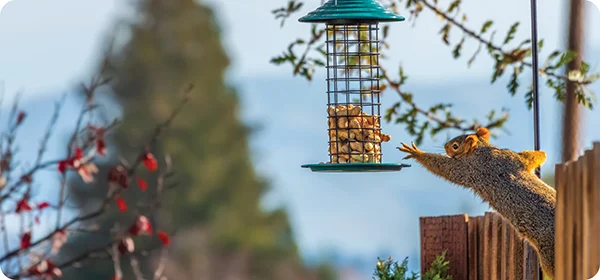
The allure of a well-stocked bird feeder is undeniable, offering a vibrant display of avian activity and a connection to nature for backyard enthusiasts. However, this readily available food source can also become a magnet for a variety of opportunistic creatures, commonly referred to as "critters," leading to frustration for dedicated bird feeders. From agile squirrels to flocks of non-native birds, the challenge of maintaining a peaceful and exclusive haven for desirable bird species is a persistent one. Fortunately, innovative solutions and informed feeding strategies are available to help bird lovers reclaim their feeders and ensure a more harmonious coexistence with nature.
The Persistent Problem of Feeder Invaders
For many, the experience of setting up a bird feeder is met with immediate delight as local bird populations discover the new food source. However, this bounty often attracts unintended visitors. Squirrels, with their remarkable agility and problem-solving skills, are perhaps the most notorious of these interlopers. Their ability to leap considerable distances and navigate complex structures allows them to access feeders intended for birds, consuming vast quantities of seed and potentially damaging expensive feeding apparatus. Beyond squirrels, larger bird species, often referred to as "nuisance birds," can descend upon feeders in such numbers that they deplete food supplies rapidly, intimidate smaller songbirds, and ultimately discourage preferred avian visitors from partaking in the feast. This dynamic transforms what was intended as a haven for diverse birdlife into a competitive arena, testing the patience of even the most dedicated backyard naturalist.
The economic impact of these incursions can also be significant. High-quality birdseed, often formulated with specific nutritional benefits for various bird species, can be an expensive investment. When a substantial portion of this seed is consumed by squirrels or large flocks of non-target birds, the cost-effectiveness of maintaining feeders diminishes. Furthermore, the physical damage that determined squirrels can inflict on feeders, from chewing through plastic components to bending metal poles, necessitates frequent repairs or replacements, adding to the overall expense.
Strategic Defenses: Baffling and Caging
One of the most effective methods for deterring arboreal mammals like squirrels involves the strategic use of baffles. These are specialized devices designed to prevent climbing animals from reaching bird feeders.
Pole-Mounted Feeders and Stovepipe Baffles
For feeders mounted on poles, the implementation of a stovepipe baffle is a widely recommended strategy. These smooth, metal cylinders are installed vertically on the feeder pole. Their smooth surface, combined with their significant diameter, makes it virtually impossible for squirrels to grip and ascend. To maximize effectiveness, several key placement guidelines must be adhered to. The baffle should be positioned at least five feet above the ground, ensuring that even if a squirrel attempts to jump from the ground, it will be unable to reach the feeder. Equally crucial is the distance of the pole from any potential launch points. The pole system, including the baffle, should be situated at least ten feet away from any trees, bushes, fences, or other structures that a squirrel could use as a springboard to leap onto the feeder. This creates a significant, unbridgeable gap, effectively transforming a pole-mounted feeder into a squirrel-proof setup.
The efficacy of stovepipe baffles is supported by numerous anecdotal reports from bird feeding enthusiasts and is a staple recommendation from organizations dedicated to wildlife management and bird conservation. Their simplicity and mechanical nature mean they do not rely on any form of harmful deterrents, making them an environmentally sound solution.
Hanging Feeders and Domed Baffles
For feeders that are hung from branches or hooks, a different type of baffle is employed: the domed squirrel baffle. These are typically wide, concave or dome-shaped structures that are placed above the feeder. When a squirrel attempts to climb down the hanging wire or chain, it encounters the smooth, sloping surface of the dome, which prevents it from reaching the feeder below. Similar to stovepipe baffles, proper placement is paramount. The dome should be positioned directly above the feeder, creating a physical barrier that intercepts any descending intruder. The size of the dome should also be proportionate to the feeder it is protecting, offering ample coverage.

The Protective Cage Solution
An alternative and often highly effective method for protecting feeders from both squirrels and larger bird species is the use of an exclusion cage. These cages are essentially wire enclosures that fit around the feeder, creating a barrier with openings sized specifically to allow smaller birds to pass through while excluding larger animals and birds. These cages come in various mesh sizes and dimensions, catering to a wide range of feeder types and sizes.
The concept behind exclusion cages is to selectively allow access. Smaller birds, such as finches, chickadees, and titmice, can easily navigate the openings. However, squirrels, with their larger bodies, and birds like starlings or grackles, are unable to penetrate the cage, thus gaining no access to the seed within. This method is particularly valuable as it can be retrofitted to many existing feeders, offering a versatile solution for diverse feeding setups.
Addressing "Nuisance" Birds Through Food and Feeder Selection
The term "nuisance birds" is subjective, typically referring to species that congregate at feeders in overwhelming numbers, consuming excessive amounts of food and preventing smaller, more desirable birds from feeding. Identifying these species and understanding their feeding preferences is key to implementing effective deterrents.
Strategic Seed Selection
The type of birdseed offered is a critical factor in attracting desired species while deterring others. Certain seeds are universally appealing to a broad range of birds, while others are more specialized.
- Seeds to Avoid: Cracked corn and millet are often favored by larger birds such as grackles, starlings, and house sparrows. While these seeds are nutritious, their widespread appeal makes them a primary attractant for "nuisance" flocks.
- Preferred Alternatives: Safflower seed, for instance, is a more selective option. Many common nuisance birds, particularly starlings and house sparrows, tend to avoid it due to its slightly bitter taste. However, it is a highly nutritious and palatable food for many backyard favorites, including cardinals, chickadees, titmice, and nuthatches. Offering pure safflower seed can significantly shift the demographic at your feeders.
- Suet Strategies: Pure suet cakes, devoid of added fillers or grains, are another excellent way to cater to specific birds. While starlings may show little interest in plain suet, woodpeckers, flickers, and other insectivorous birds find it highly attractive. Blended suet products, often containing corn or millet, can inadvertently attract larger, undesirable bird species.
The shift in food offerings can be a gradual process. Bird watchers can begin by gradually introducing safflower seed into their existing mixes or by offering it in a separate feeder. Observing the responses of different bird species will help refine the strategy. Data from ornithological studies and bird feeding organizations consistently highlight the effectiveness of safflower in attracting a more desirable species mix. For example, studies on bird feeding preferences in North America have shown that while blackbirds and grackles will consume safflower, their preference is significantly lower compared to corn or sunflower seeds.
Feeder Design for Selectivity
Beyond seed choice, the design of the feeder itself plays a crucial role in determining which birds can access the food.
- Weight-Sensitive Feeders: These innovative feeders feature feeding ports that are designed to close under a certain weight. When a heavier bird, such as a starling or a larger pigeon, lands on the perch or feeding tray, the ports automatically shut, preventing them from accessing the seed. Smaller birds, with their lighter weight, can feed without triggering the mechanism. These feeders are particularly effective in discouraging larger, opportunistic species.
- Caged Feeders: As mentioned previously, feeders enclosed within a wire cage offer a physical barrier. The mesh size is engineered to permit smaller birds to enter and feed, while excluding larger birds and mammals. This dual-purpose solution addresses both squirrel and large bird issues simultaneously.
- Perch Design: The length and presence of perches can also influence feeder accessibility. Feeders with very short perches, or no perches at all, are often more challenging for larger birds to balance on and feed from comfortably. Small songbirds, which are more adept at clinging to surfaces, are generally unfazed by these designs. This subtle design feature can subtly shift the balance in favor of smaller avian visitors.
The development of these specialized feeders reflects an increasing understanding of bird behavior and the need for nuanced approaches to backyard bird feeding. Manufacturers have invested in research and development to create products that not only dispense seed but also actively manage the species that can access it.
Expert Guidance and Continued Learning
Navigating the complexities of critter control and bird feeding requires informed decision-making. Many specialized retailers and organizations offer invaluable resources and expert advice.

The Role of Certified Bird Feeding Specialists
Stores like Wild Birds Unlimited employ Certified Bird Feeding Specialists who possess extensive knowledge of local bird species, their dietary needs, and effective methods for managing feeder challenges. These specialists can assess individual backyard situations, recommend appropriate feeders, baffles, and seed types, and provide tailored advice for specific pest problems. Their expertise bridges the gap between general knowledge and practical application, empowering individuals to create successful backyard feeding ecosystems.
Podcasts and Online Resources
Beyond in-person consultations, a wealth of information is available through various media. Podcasts, such as "Nature Centered" from Wild Birds Unlimited, dedicate episodes to specific topics like critter solutions, offering practical tips and insights from experts. Online resources, including websites of reputable bird conservation organizations and specialty retailers, provide articles, guides, and product information that can aid in problem-solving. For instance, Episode 76 of the "Nature Centered" podcast, titled "Critter Solutions," delves into these very issues, offering a convenient way for listeners to gain knowledge on the go.
Broader Implications and the Future of Backyard Ecology
The challenges posed by squirrels and nuisance birds at feeders are not merely an inconvenience; they reflect a broader ecological dynamic. As urban and suburban landscapes expand, the boundaries between human-managed spaces and natural habitats blur. Bird feeders, while intended to support wild bird populations, can also inadvertently create artificial feeding grounds that alter natural foraging behaviors and can favor certain species over others.
The development and adoption of sophisticated critter-proofing solutions demonstrate a growing awareness of the need for responsible backyard management. By employing these strategies, individuals can contribute to a more balanced backyard ecosystem. This involves not only protecting their seed investment but also ensuring that their feeding efforts genuinely benefit a diverse range of avian species. The long-term implication is the creation of more sustainable and enjoyable backyard habitats that foster biodiversity and provide educational opportunities for all ages. The continued innovation in feeder design and feeding strategies suggests a commitment to harmonizing human interests with the needs of wildlife, fostering a more respectful and mutually beneficial relationship with the natural world.
