
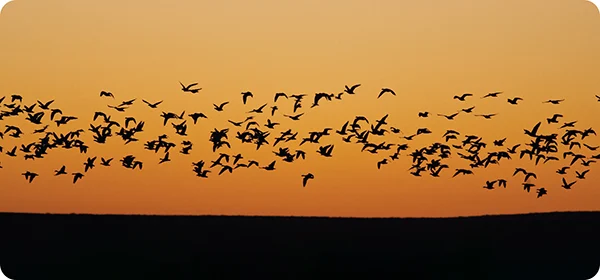
September marks a pivotal period of transition, not only in our daily routines and the natural world but also for the avian populations that grace our backyards. As the vibrant energy of summer recedes, replaced by the crisp air of autumn, birds undergo their own profound transformations, driven by an innate biological imperative to survive and thrive through the coming colder months. This annual cycle, characterized by molting and the arduous journey of migration, presents significant challenges for our feathered friends, demanding a substantial increase in nutritional resources to fuel these demanding processes. Understanding these biological needs offers a unique opportunity for backyard observers to play a crucial role in supporting avian health and observing nature’s resilience firsthand.
The Biological Imperative of Seasonal Transition
The transition into autumn is a multifaceted event for birds. The days grow shorter, a potent signal that triggers a cascade of physiological and behavioral changes. For many adult birds, the demanding period of raising young has concluded, allowing them to shift their focus inward. One of the most visually striking and biologically critical transformations is molting. During this process, birds systematically shed their old, worn feathers and replace them with a fresh set of new plumage. This is not merely an aesthetic upgrade; these new feathers are vital for insulation, waterproofing, and, crucially, for efficient flight. Molting can take anywhere from four to eight weeks, depending on the species and the extent of the feather replacement.
Simultaneously, the impending winter compels many species to undertake long-distance migrations. This incredible feat of endurance requires birds to accumulate significant fat reserves, effectively doubling their body weight in a matter of weeks. This stored energy is the sole fuel source for the sustained flight that can cover hundreds or even thousands of miles. The biological demands of both molting and migration are immense, placing a premium on readily available and highly nutritious food sources.
Nutritional Demands: A Matter of Survival
The physiological demands of molting and migration place birds in a state of heightened nutritional need. Feathers are primarily composed of protein, meaning that the rapid growth of new plumage requires a substantial dietary intake of this essential macronutrient. For birds undergoing a full molt, their protein requirements can skyrocket.
Migration adds another layer of nutritional complexity. The need to accumulate substantial fat reserves necessitates a diet rich in energy-dense foods. This fat serves as the primary fuel for sustained flight, enabling birds to cover vast distances between breeding and wintering grounds. Scientific studies have consistently shown that birds preparing for migration exhibit an increased appetite and a preference for high-fat and high-protein foods. For example, research on various passerine species has documented significant increases in body fat content in the weeks leading up to migration, with some individuals accumulating fat stores that constitute up to 30-40% of their total body mass.
The urgency of these nutritional needs cannot be overstated. For molting birds, inadequate protein can lead to poorly formed feathers, compromising their ability to regulate body temperature and fly effectively, thus increasing their vulnerability to harsh weather conditions and predators. Similarly, for migratory birds, insufficient fat reserves can result in exhaustion, failed migration attempts, and increased mortality rates. This critical period underscores the delicate balance of survival that avian populations navigate each year.
The Backyard as a Vital Resource
This intense period of nutritional demand presents a significant opportunity for individuals who maintain backyard bird feeders. By offering specific types of food, residents can provide a critical lifeline to birds in their local environment, supporting them through these challenging transitions. The key lies in understanding what birds are actively seeking during this time: foods that are high in fats and proteins.
"Providing the right foods at the right time is essential for supporting bird populations," states Dr. Eleanor Vance, an ornithologist specializing in avian nutrition. "During the fall, when birds are molting and preparing for migration, their energy expenditure is at its peak. High-quality, calorie-dense foods can make a significant difference in their ability to successfully navigate these critical life stages."
The types of food that best meet these needs include:

- Peanuts: A rich source of protein and healthy fats, whole or shelled peanuts are a favorite among many bird species, including jays, woodpeckers, and chickadees.
- Sunflower Chips (Black Oil Sunflower Seeds): These seeds are packed with fat and protein, making them an excellent energy source for a wide variety of birds. Their thin shells also make them accessible to smaller birds.
- Suet: Rendered animal fat, often mixed with seeds, nuts, or insects, is an incredibly calorie-dense food. It is particularly valuable during colder months and for birds with higher energy demands. Woodpeckers, nuthatches, and chickadees are frequent visitors to suet feeders.
- Bark Butter® and similar high-energy spreads: These specially formulated products are designed to be highly palatable and rich in fats and proteins, attracting a diverse range of birds, including many that may not typically visit seed feeders.
- Nyjer® Seed (Thistle Seed): While smaller and requiring a specialized feeder, Nyjer® seed is a favorite of finches, such as goldfinches and house finches, and provides essential nutrients.
"We’ve seen a tremendous response from birds when we offer a variety of high-fat, high-protein foods in the fall," notes Mark Johnson, owner of a local Wild Birds Unlimited franchise. "It’s not just about attracting more birds, but about providing them with the fuel they need to survive. When people understand the biological reasons behind these nutritional needs, they become even more invested in offering the right food. It’s a win-win: the birds get the sustenance they require, and we get to witness their incredible journeys up close."
A Timeline of Avian Transitions
The transition period for birds can be broadly understood through a chronological lens, though specific timings will vary by species and geographic location.
Late August to Early September:
- Parental Care Concludes: For many species, the demanding period of feeding and protecting young has ended. Adult birds begin to focus on their own needs.
- Early Molting: Some species may begin their post-breeding molt, replacing worn feathers from the breeding season. This is often a gradual process.
- Foraging Shifts: Birds begin to seek out foods that will help them build up energy reserves, showing a preference for fruits, seeds, and insects that are rich in fats and proteins.
Mid-September to Mid-October:
- Peak Molting Period: For many species, this is the height of their molt. New feathers are rapidly growing, requiring significant protein intake.
- Intensified Migration Preparations: Birds destined for long-distance wintering grounds begin to significantly increase their food intake, rapidly accumulating fat.
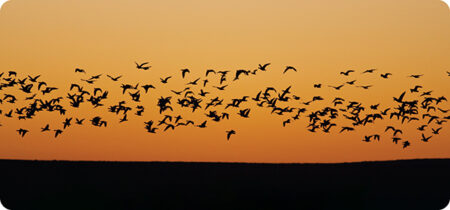
- Visible Migration Activity: The skies begin to fill with migrating birds, with peaks occurring during this period, particularly during dawn and dusk.
Late October to November:
- Completion of Molting: Most birds will have completed their new plumage by this time, ready for the challenges of winter.
- Late Migration: Later-migrating species, such as dark-eyed juncos and some sparrows, are actively migrating south.
- Year-Round Residents: Birds that remain in their breeding territories for the winter begin to rely more heavily on cached food and feeders as natural food sources become scarcer.
Broader Implications and Ecological Significance
The successful completion of molting and migration is not just critical for individual bird survival but has broader implications for ecosystem health and biodiversity. Migratory birds play vital roles in pollination, seed dispersal, and insect control across vast geographic areas. A decline in migratory bird populations due to inadequate resources during transition periods can have cascading effects on the ecosystems they inhabit.
"The health of bird populations is a strong indicator of the health of our environment," explains Dr. Vance. "When we see declines in migratory species, it signals potential problems with habitat loss, food availability, or climate change that affect not just birds but also the broader ecological balance."
The role of backyard bird feeding in supporting these populations is increasingly recognized by conservation organizations. While not a replacement for natural habitats, well-managed feeders can provide a crucial supplementary food source, especially during periods of extreme environmental stress. This human intervention can help buffer populations against fluctuations in natural food availability and mitigate some of the negative impacts of habitat fragmentation.
Expert Insights and Further Resources
For those seeking to deepen their understanding of avian transitions and how to best support local bird populations, several resources are available. The WBU Nature Centered Podcast offers an entertaining and informative platform for learning about backyard birding and nature. Episode 77, titled "Basics of Transition," specifically delves into the challenges birds face during this season and provides practical advice for backyard enthusiasts. Hosted by knowledgeable experts, these episodes often feature interviews with ornithologists and conservationists, offering valuable insights backed by scientific research.
Additionally, the Wild Birds Unlimited (WBU) network of stores provides a wealth of expert advice and a curated selection of high-quality bird foods and feeders designed to meet the specific nutritional needs of birds throughout the year. Their knowledgeable staff can offer personalized recommendations based on local bird species and seasonal requirements.

The importance of providing high-quality nutrition cannot be overstated. By offering foods rich in protein and fats, backyard observers can directly contribute to the survival and well-being of birds as they navigate the demanding cycles of molting and migration. This engagement not only benefits the birds but also enriches the observer’s experience, allowing for a more intimate connection with the natural world and a front-row seat to the spectacular, yet challenging, transitions of the autumn season.
