
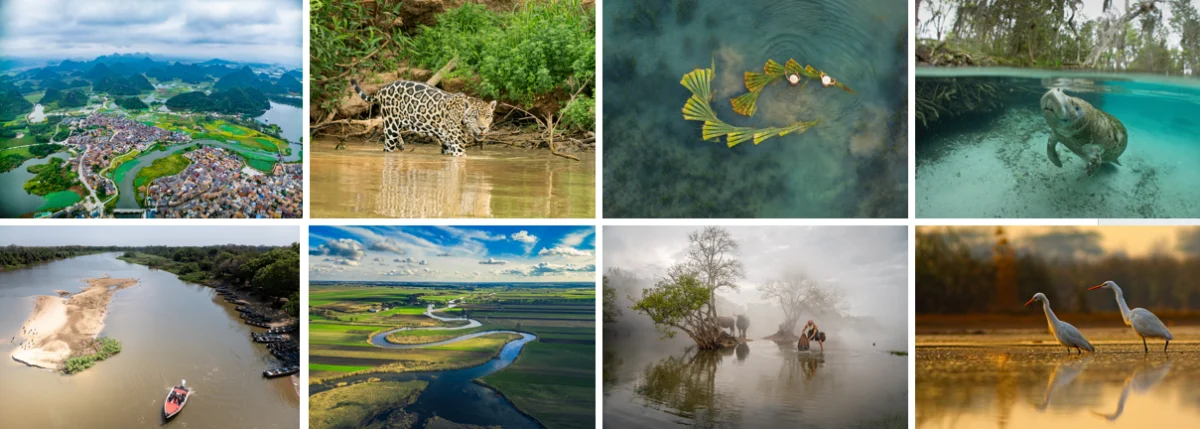
Wetlands International has been identified as a leading nonprofit organization in the critical fight against biodiversity loss by Giving Green, a prominent climate philanthropy research group. This recognition, highlighted in Giving Green’s latest report, "Reducing Biodiversity Loss," underscores Wetlands International’s significant contributions and effective strategies in conserving and restoring vital wetland ecosystems. Giving Green plays a crucial role in the philanthropic landscape by meticulously researching and analyzing impactful solutions, thereby enabling donors to maximize their environmental contributions.
The Indispensable Role of Wetlands in Global Ecosystem Health
Wetlands, often overlooked, are among the planet’s most productive and yet most imperiled ecosystems. Their multifaceted importance spans climate regulation, biodiversity support, and the provision of essential resources for human societies and economies. As "climate superheroes," coastal wetlands like mangroves and seagrass meadows are exceptional carbon sinks, sequestering vast quantities of greenhouse gases and providing a natural buffer against rising sea levels, thereby protecting coastal communities from erosion and inundation. Inland, peatlands, which are a type of wetland, represent some of the largest terrestrial carbon stores on Earth. Beyond carbon sequestration, they play a pivotal role in regulating hydrological cycles, mitigating the extremes of floods and droughts.
Furthermore, wetlands are unparalleled biodiversity hotspots, nurturing an extraordinary array of flora and fauna, including numerous species teetering on the brink of extinction. The intricate web of life within these ecosystems is fundamental to maintaining ecological balance and resilience. The health of wetlands is intrinsically linked to human well-being and economic prosperity. They are the bedrock of water security, ensuring a consistent and clean supply of freshwater for both natural systems and human consumption. Globally, wetlands directly or indirectly support over one billion livelihoods. These livelihoods are generated through diverse activities such as aquaculture, which provides a primary source of protein for more than a billion people, and rice cultivation, which feeds 3.5 billion people annually. Other vital economic activities include transportation, tourism, and crop production that depend on wetland resources. The sheer economic value of water and freshwater ecosystems is staggering, estimated at USD 58 trillion annually, a figure equivalent to 60% of global Gross Domestic Product. In urban settings, wetlands offer invaluable green spaces, providing citizens with opportunities to connect with nature, which has demonstrable benefits for mental and physical health.
The Alarming Rate of Wetland Degradation and its Consequences
Despite their profound ecological and economic significance, wetlands are vanishing at an alarming pace. Since 1970, an estimated 22% of the world’s wetlands have been lost, and the rate of degradation continues to accelerate. This relentless decline is primarily driven by human activities. The construction of dams, dykes, drainage systems, and widespread deforestation has fragmented vital wetland connectivity, disrupting natural water flows and ecological processes.
The loss and degradation of these critical ecosystems trigger a cascade of negative consequences. This includes accelerating biodiversity loss, as countless species dependent on wetlands lose their habitats. It places immense stress on global food and water supplies, jeopardizing food security and freshwater availability for burgeoning populations. Crucially, wetland degradation exacerbates the impacts of climate change, intensifying the frequency and severity of extreme weather events such as devastating floods, prolonged droughts, and destructive wildfires. The interconnectedness of these environmental challenges highlights the urgent need for robust conservation and restoration efforts.
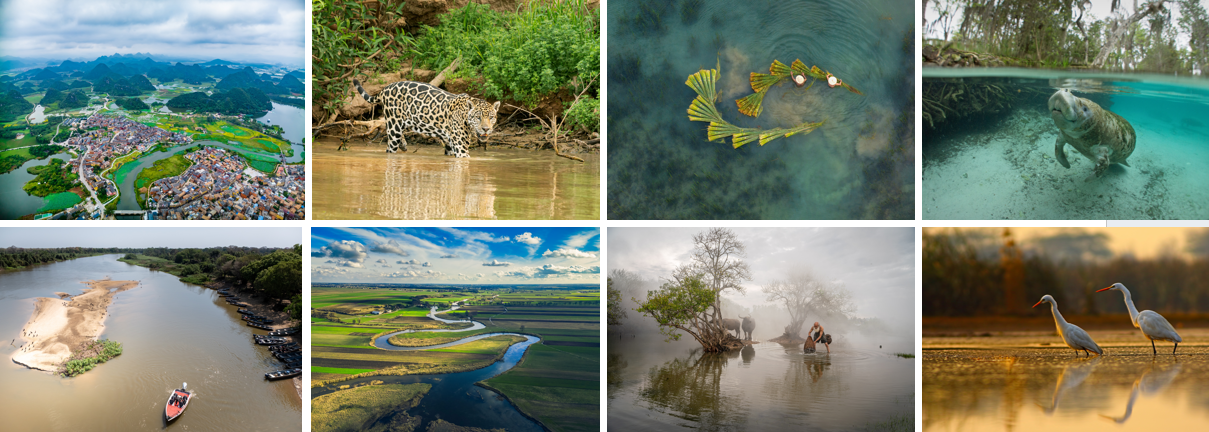
The Funding Gap: A Major Obstacle to Wetland Conservation
While the knowledge and technical solutions for restoring degraded wetlands are readily available, a significant and persistent gap in financing remains the most substantial barrier to widespread and effective action. To achieve global biodiversity targets, such as the commitment to protect 30% of the planet’s land and sea by 2030, a substantial increase in conservation funding is imperative. Current estimates suggest that the global biodiversity financing gap requires an annual investment of approximately USD 700 billion. This immense funding deficit underscores the challenge of scaling up conservation initiatives to the level required to reverse current trends of ecosystem loss.
Wetlands International’s Strategic Vision and Giving Green’s Endorsement
Wetlands International, with its extensive thirty-year history of working with communities, partners, and governments worldwide, is actively addressing this challenge. The organization’s strategic vision for the next decade, articulated in its "Wetlands for Life 2026-2035" strategy, outlines a comprehensive plan to conserve and restore diverse wetland types across the globe. This includes vital ecosystems such as rivers, lakes, peatlands, and mangroves. The strategy aims to catalyze transformational change in policies, business practices, and financial flows to ensure the enduring benefits of healthy wetlands for people, biodiversity, and the climate.
The endorsement from Giving Green, particularly within their "Reducing Biodiversity Loss" report, serves as a powerful validation of Wetlands International’s approach. Coenraad Krijger, CEO of Wetlands International, commented on the significance of this recognition: "Wetlands have been undervalued and underfunded – and are under ever-increasing pressure. Giving Green’s research identifying wetlands conservation as a high-impact strategy to tackle biodiversity loss and climate change is a fantastic vote of confidence in our thirty years of work with communities, partners and governments across the globe." This statement emphasizes the long-standing commitment and proven track record of Wetlands International in a field that is increasingly recognized for its critical importance.
Broader Implications and Future Outlook
The recognition of Wetlands International by Giving Green has significant implications for the broader conservation landscape. It signals a growing understanding within philanthropic circles of the pivotal role wetlands play in addressing interconnected global challenges. By highlighting wetlands conservation as a high-impact strategy, Giving Green is likely to influence donor decisions, potentially channeling more resources towards organizations like Wetlands International that have demonstrated effectiveness.
The emphasis on a substantial funding gap also serves as a call to action for governments, corporations, and international financial institutions. Bridging this gap will require innovative financing mechanisms, increased public investment, and the integration of nature-based solutions into economic development planning. The success of initiatives like "Wetlands for Life" will depend not only on dedicated conservation efforts but also on systemic shifts in how wetlands are valued and financed.
The timeline for addressing wetland loss is critically short. The 2030 deadline for global biodiversity targets and the ongoing urgency of the climate crisis demand immediate and scaled-up action. The strategies outlined by Wetlands International, supported by organizations like Giving Green, offer a tangible pathway forward. Their work, grounded in scientific research and community engagement, provides a model for how effective wetland conservation and restoration can be achieved, ultimately contributing to a more sustainable and resilient future for both people and planet. The continued collaboration between research institutions, non-profit organizations, and funding bodies will be essential in translating this recognition into tangible progress on the ground, ensuring that these vital ecosystems are protected and restored for generations to come.
