
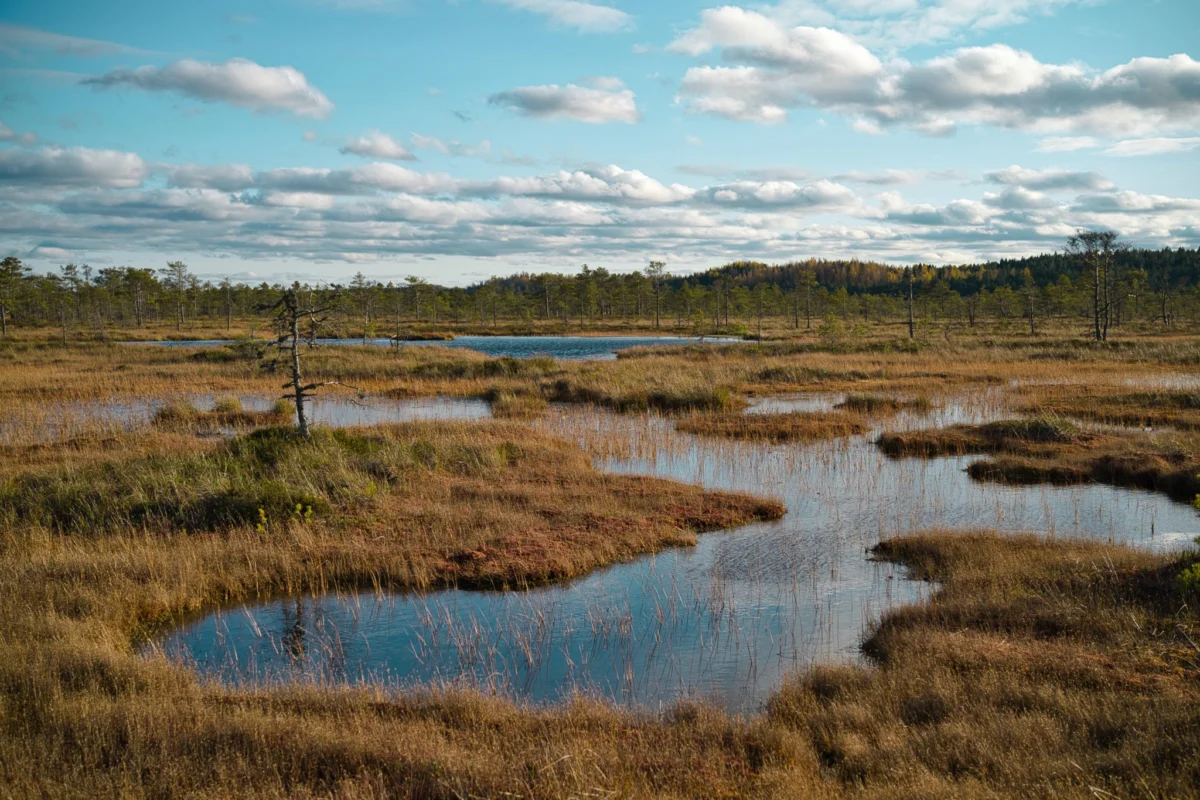
A groundbreaking scientific paper published in the prestigious journal Science is poised to revolutionize how climate actions are prioritized and accelerated. The study introduces a novel conceptual framework, utilizing "wedges" as a standardized unit of mitigation effort, making complex climate strategies more accessible to policymakers and the public alike. Crucially, this research shines a spotlight on peatlands, highlighting their immense, yet often overlooked, potential as a cornerstone of global climate action.
The "Wedge" Framework: Demystifying Climate Mitigation
The core innovation of the study lies in its "wedge" concept. A wedge represents a significant unit of climate mitigation, equivalent to reducing global emissions by 4% – approximately 2 billion tonnes of CO2 equivalent annually by 2050. This standardized measure allows for the direct comparison of diverse climate actions, ranging from the expansion of renewable energy sources like solar power to more behavioral changes such as reducing air travel and increasing forest cover.
This initiative aims to demystify climate pathways, moving beyond the exclusive domain of energy modelers to engage a broader audience. In an era where net-zero plans are increasingly scrutinized due to concerns about energy costs, economic livelihoods, and national security, the paper asserts that fostering public trust hinges on making climate choices transparent and open to informed debate. By presenting climate solutions in a quantifiable and relatable manner, the framework seeks to build consensus and accelerate implementation.
Peatlands: The Unsung Heroes of Climate Mitigation
Amidst the array of well-publicized climate solutions, the study identifies peatlands as one of the most potent, yet significantly underappreciated, climate levers. Protecting, restoring, and rewetting these vital ecosystems can deliver climate benefits on a scale comparable to much larger, more visible interventions, all while occupying a remarkably small land footprint.
The research demonstrates that achieving one full wedge of climate mitigation is attainable by halting the drainage of tropical peatlands and restoring 90% of currently drained areas by 2050. This ambitious yet achievable goal translates to approximately 18 million hectares of restored land, an area roughly equivalent to the size of Cambodia. The mitigation potential of this undertaking rivals many headline-grabbing climate strategies but requires substantially less land than alternatives like large-scale forest expansion.
The Carbon Powerhouse: Understanding Peatland Dynamics
Peatlands are recognized as Earth’s most carbon-dense ecosystems. When maintained in their natural, waterlogged state, they act as vast carbon reservoirs, sequestering and storing immense quantities of carbon over millennia. However, this delicate balance is disrupted when peatlands are drained for agricultural, forestry, or other land-use purposes.
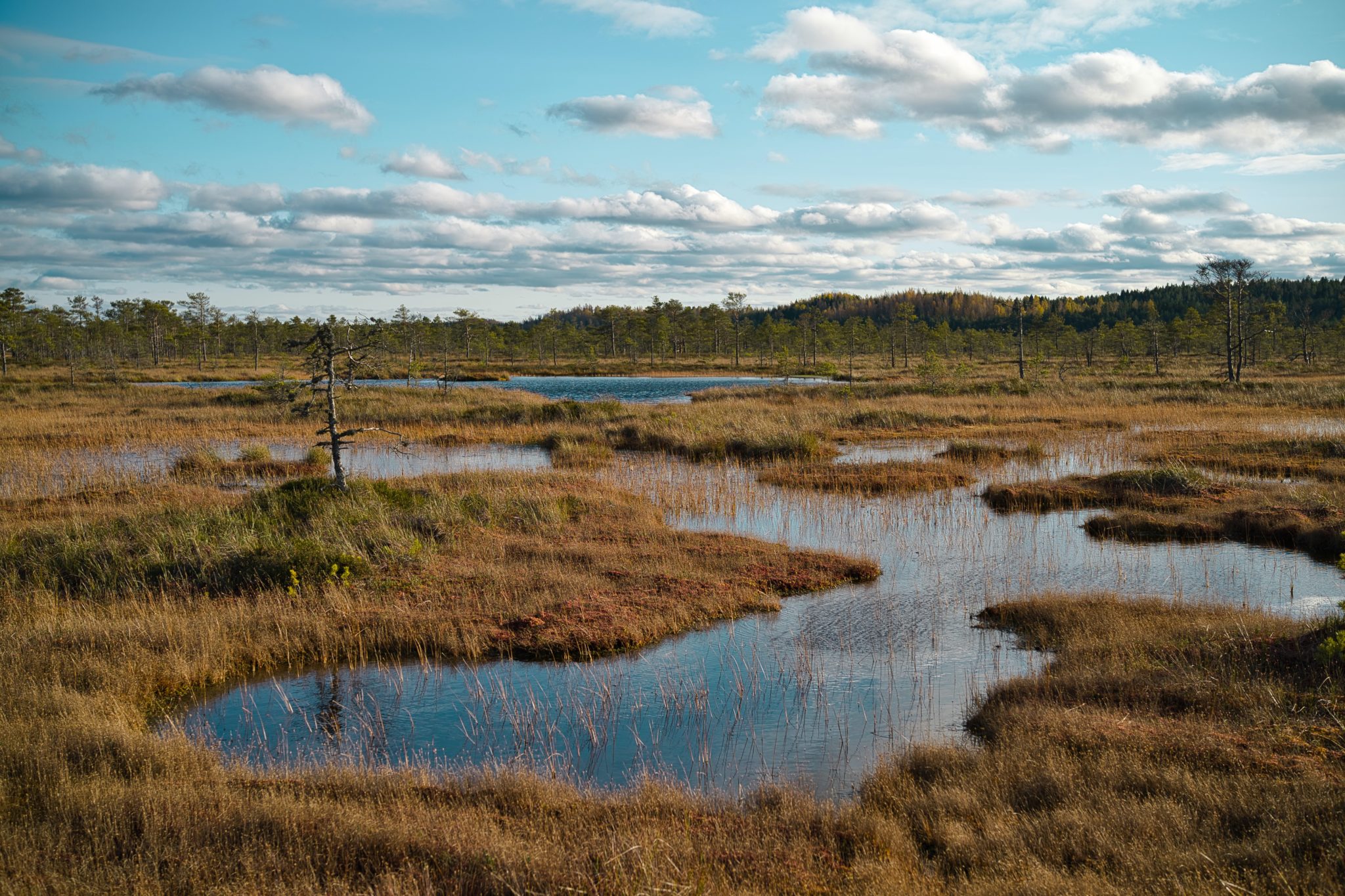
Once drained, peat soils become susceptible to oxidation, leading to the gradual release of stored carbon into the atmosphere. This transformation effectively turns these ancient carbon sinks into significant sources of greenhouse gas emissions. Consequently, rewetting degraded peatlands is paramount not only to arrest these emissions but also to mitigate the escalating risk of wildfires and to initiate the crucial process of ecological recovery.
Dr. Nathan Johnson, Research Associate at Imperial College London and a lead author of the study, emphasized the profound significance of peatlands: "Peatlands cover only a few percent of Earth’s land, yet they store twice as much carbon as all the world’s forests. When land footprint is an important bottleneck for climate action, protecting and restoring peatlands is one of the most powerful ways to cut emissions without competing for vast areas of land."
A Global Call to Action: The Peatland Breakthrough Initiative
The publication of this seminal paper coincides with the impending launch of the "Peatland Breakthrough," a major global initiative designed to galvanize investment and scale up peatland restoration efforts worldwide. The study provides a robust climate rationale, empowering countries and corporations to pledge their support and commit to tangible actions.
Eva Hernandez, Global Peatlands Lead for Wetlands International, underscored the urgency and importance of this research: "Peatlands are the world’s unsung climate champions. We’ve been banging away about their huge mitigation potential for years and this paper shows clearly why governments, businesses and funders should invest in safeguarding and restoring healthy peatlands. As an added bonus, wet, healthy peatlands also enhance water security, reduce wildfires, mitigate floods and drought, and boost unique biodiversity."
The "Peatland Breakthrough" initiative aims to build on the scientific evidence presented in the Science paper by fostering collaboration among governments, non-governmental organizations, private sector actors, and local communities. Its objectives include developing innovative financing mechanisms, supporting policy frameworks that incentivize peatland conservation and restoration, and facilitating knowledge exchange to accelerate the adoption of best practices. Early indications suggest significant interest from several nations and international development banks eager to contribute to this critical environmental endeavor.
Broader Implications: Re-evaluating Climate Strategy Portfolios
The findings of the Science paper are particularly relevant in a policy landscape often dominated by high-profile technological solutions such as battery storage, nuclear power, carbon capture, and direct air capture. The study compellingly demonstrates that many solutions with comparable climate impact manifest very differently in practical implementation, and that some of the most impactful strategies are hidden in plain sight.
For instance, the research highlights that reducing global meat consumption by 30% yields the same climate benefit as cutting passenger air travel by a substantial 70%. Furthermore, a 51% reduction in global food loss and waste would deliver one full wedge of mitigation – the same impact that would require nearly complete decarbonization of the global cement production industry. These comparisons illuminate the scale of action required across various sectors and underscore the fact that no single solution will suffice for achieving a stable climate future.

According to the paper’s projections, approximately 20 wedges of mitigation are necessary to keep the global temperature rise within the critical 1.5°C threshold, relative to current policy trajectories. The study reveals that an astounding 6 trillion possible combinations of strategies exist to collectively achieve this ambitious target, emphasizing the need for diverse and tailored approaches.
Interactive Tools and Empowering Public Engagement
In conjunction with the scientific publication, the researchers have launched an interactive online platform, climatewedges.com. This user-friendly tool empowers individuals and organizations to construct their own decarbonization pathways by comparing options across a wide spectrum of sectors, including energy, transport, food, buildings, industry, and land use.
Dr. Johnson articulated the underlying philosophy of this accessible approach: "People should have agency over how they live and what they vote for, but must be able to compare options to do so." The goal is to democratize climate planning, enabling informed decision-making at all levels of society.
For peatlands, this conceptual framing is transformative. It elevates rewetting and restoration from niche conservation efforts to central climate strategies demanding greater attention and investment. These nature-based solutions offer immediate emission reductions by halting further degradation and provide a sustained, albeit slower, pathway for carbon sequestration. Moreover, they deliver a cascade of co-benefits, enhancing water security, supporting livelihoods, bolstering resilience to extreme weather events like fires and droughts, and protecting unique biodiversity.
The Strategic Advantage of Peatland Restoration
The study also serves as a critical reminder that climate mitigation portfolios are not inherently additive; various strategies can compete for finite resources such as land, biomass, materials, and clean electricity. This interdependency makes peatland restoration an even more compelling proposition. Compared to many land-intensive climate solutions, peatland restoration offers disproportionately high returns on investment from relatively small land areas.
As governments worldwide refine their climate plans and societies engage in crucial debates about the fairness, feasibility, and effectiveness of different pathways, this new "wedge" framework offers a clearer lens through which to view the choices ahead. For these choices to be credible and impactful, peatlands must occupy a central position in the global climate discourse.
Restoring and rewetting peatlands represents not only one of the most effective strategies for preventing emissions from degraded landscapes and gradually sequestering atmospheric carbon but also stands as a prime example of how nature-based solutions can deliver significant climate impact at scale. The scientific validation of their mitigation potential, coupled with the accessibility of the wedge framework, promises to accelerate the integration of peatland conservation and restoration into the global climate action agenda.
