
October heralds a season of vibrant foliage, crisp air, and, for many, the festive spirit of Halloween. While humans anticipate costumes and candy, a different kind of celebration is unfolding in backyards across North America, one that focuses on feathered friends. This article explores how the principles of "trick" and "treat" can be cleverly applied to enhance the experience of backyard birdwatching, drawing parallels between human Halloween traditions and avian attractants.
Understanding the "Trick": Enticing Birds with Strategic Placement and Novelty
The notion of a "trick" in the context of birdwatching might initially seem counterintuitive, invoking the adage "it’s not nice to fool Mother Nature." However, in this avian-themed interpretation, "tricks" refer to clever, nature-aligned strategies designed to pique a bird’s curiosity and encourage them to visit and utilize backyard resources. These methods leverage birds’ natural instincts and sensory perceptions to create a more engaging and successful birding environment.
One of the most effective "tricks" is the strategic use of water. The sound of moving water is a powerful attractant for a wide array of bird species. Even a subtle gurgle from a circulating pump or the gentle drip from a water feature can signal a safe and reliable water source, drawing birds from their usual territories. This attraction is not merely for drinking; birds also use water for bathing, which is crucial for maintaining the health and insulation of their feathers. Studies have shown that the presence of a water feature can significantly increase the diversity and number of bird species observed in a backyard, sometimes by as much as 50% compared to yards without one. This is particularly impactful during drier periods or when natural water sources become scarce.
Another widely employed "trick" involves introducing new feeders and food sources. Birds, by nature, are creatures of habit but also possess an innate curiosity. When a new feeder or a novel type of food is presented, it can take some time for them to discover and trust it. To accelerate this discovery process, a simple yet effective "trick" is to scatter a small amount of the new seed or food on top of, or even beneath, the feeder itself. Birds locate their sustenance primarily by sight. This visual cue serves as an immediate beacon, allowing them to quickly identify the presence of food and associate it with the new feeder. This technique is especially useful for introducing specialized foods that might attract less common species.
The "Treats": Nourishing Birds with High-Value Foods
While "tricks" focus on the initial enticement, "treats" in the avian world refer to offering birds highly desirable and nutritious food items beyond their everyday seed and suet staples. These are the special additions that can elevate a backyard bird sanctuary from a regular stop to a favored destination. Unlike the candy corn and chocolate bars of human Halloween, these "treats" are designed to provide essential energy and nutrients, particularly important as seasons change and natural food sources may become less abundant.
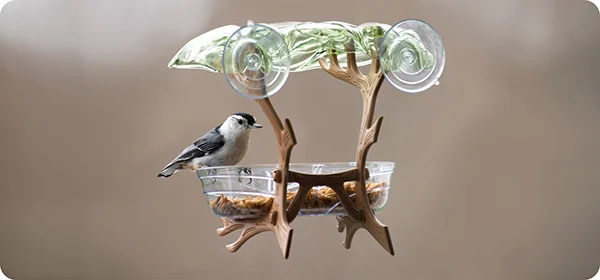
A prime example of a sought-after avian "treat" is Jim’s Birdacious Bark Butter. This unique product is a spreadable suet formulation that has gained renown for its ability to attract a remarkably diverse range of bird species, including many that do not typically visit standard feeders. Its popularity stems from its appealing texture and rich nutrient profile. Documentation across North America has recorded Bark Butter attracting over 155 different bird species, a testament to its broad appeal. The "trick" to maximizing its effectiveness, as mentioned earlier, involves strategic placement. Smearing Bark Butter on the trunk of a favorite tree or on the edge of an active feeder allows birds to easily discover and access this high-energy food source. This is particularly beneficial for attracting woodpeckers, chickadees, titmice, and nuthatches, which often forage on tree bark.
Peanuts stand out as another exceptional "treat" for backyard birds. Rich in protein and healthy fats, peanuts offer a significant caloric boost. A wide variety of birds, including numerous woodpecker species, titmice, nuthatches, chickadees, and bushtits, readily consume peanuts. Their appeal extends to larger birds as well, most notably jays. Blue Jays and Steller’s Jays, in particular, have a well-documented affinity for peanuts, especially those still in the shell. These intelligent birds are known for their caching behavior, actively hiding peanuts for later consumption. A single jay can cache up to 100 peanuts in a single day, capable of emptying a tray feeder in a remarkably short period. Their instinct to bury these nutritious treasures can lead them to travel considerable distances, sometimes up to six miles, from the feeder to their hidden caches. This behavior not only showcases the desirability of peanuts but also highlights the role of birds in seed dispersal.

Beyond these popular options, a variety of other specialized "treats" cater to specific species’ preferences and dietary needs:
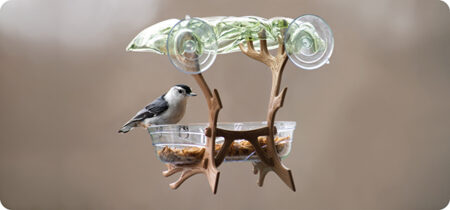
- Mealworms: These live or dried insect larvae are a favorite of bluebirds and other insectivorous birds. They provide essential protein and are often sought after during nesting season when birds need to feed their young.
- Fruit: Many bird species, including orioles and robins, are attracted to fresh or dried fruits. Offering berries, chopped apples, or oranges can be a delightful treat and provide important vitamins and carbohydrates.
- Jelly: Specifically for orioles, a dish of grape jelly can be an irresistible attractant. This high-sugar food provides quick energy and is a favorite during their migratory periods.
- Nectar: For the delicate and energetic hummingbirds, a carefully prepared sugar-water solution (nectar) is the ultimate treat. Providing clean nectar feeders that are regularly maintained is crucial for their health and well-being.
The "Trick or Treat" Connection: A Year-Round Delight
The playful connection between Halloween’s "trick or treat" and backyard bird feeding offers a unique perspective on enhancing avian habitats. It underscores that by understanding and catering to birds’ natural behaviors and dietary needs, we can create environments that are not only beneficial for the birds but also incredibly rewarding for us as observers. The "tricks" involve employing smart, nature-inspired strategies to draw birds in, while the "treats" are the high-quality foods that nourish and sustain them.
This approach transforms the act of bird feeding into an engaging and educational experience. It encourages a deeper appreciation for the intricate lives of birds and the vital role they play in our ecosystems. The principles discussed are not limited to the autumn season; they can be applied year-round to support bird populations through varying weather conditions and breeding cycles.
Expert Insights and Further Exploration
The wisdom behind these "tricks" and "treats" is often shared by seasoned ornithologists and bird feeding experts. Organizations like Wild Birds Unlimited (WBU) have dedicated themselves to educating the public on best practices for backyard bird feeding and habitat creation. Their commitment to bringing people and nature together is evident in their extensive product lines, expert advice, and educational initiatives.
For those seeking to delve deeper into the art of providing avian treats, the WBU Nature Centered Podcast offers a valuable resource. Episode 78, titled "Treats for Birds. No Tricks," features hosts John and Brian sharing their expertise on the most effective ways to delight feathered visitors. Such resources provide a wealth of information, backed by years of observation and research, to help individuals create thriving bird habitats.
Broader Impact and Implications
The practice of intentionally attracting and nourishing backyard birds has far-reaching implications. On an individual level, it fosters a connection with nature, offering a calming and engaging hobby that can reduce stress and improve mental well-being. The consistent presence of birds can also serve as an informal educational tool, teaching children and adults alike about local wildlife, seasonal changes, and ecological interdependence.
From an ecological standpoint, well-managed backyard feeding stations can play a supplementary role in supporting bird populations, particularly in urban and suburban environments where natural food sources may be diminished due to habitat loss and fragmentation. While artificial feeding should not replace natural foraging or habitat preservation, it can provide critical support, especially during challenging times like harsh winters or during migration.
The popularity of bird feeding has also fueled a significant industry, supporting businesses that specialize in bird seed, feeders, and related products. This economic activity, in turn, often funds conservation efforts and research. Moreover, the increased awareness generated by backyard birding can translate into greater public support for broader conservation initiatives aimed at protecting natural habitats and biodiversity.

The "trick or treat" analogy, while lighthearted, encapsulates a fundamental truth: by understanding what attracts and sustains birds, and by providing those elements thoughtfully, we can create mutually beneficial relationships. This Halloween, as families embrace their own traditions, the feathered inhabitants of our backyards are also receiving their special "treats," thanks to the clever "tricks" of dedicated bird enthusiasts. The ongoing engagement with backyard birding ensures that these vibrant, winged creatures continue to grace our lives, a constant reminder of the natural world’s enduring beauty and resilience.
