
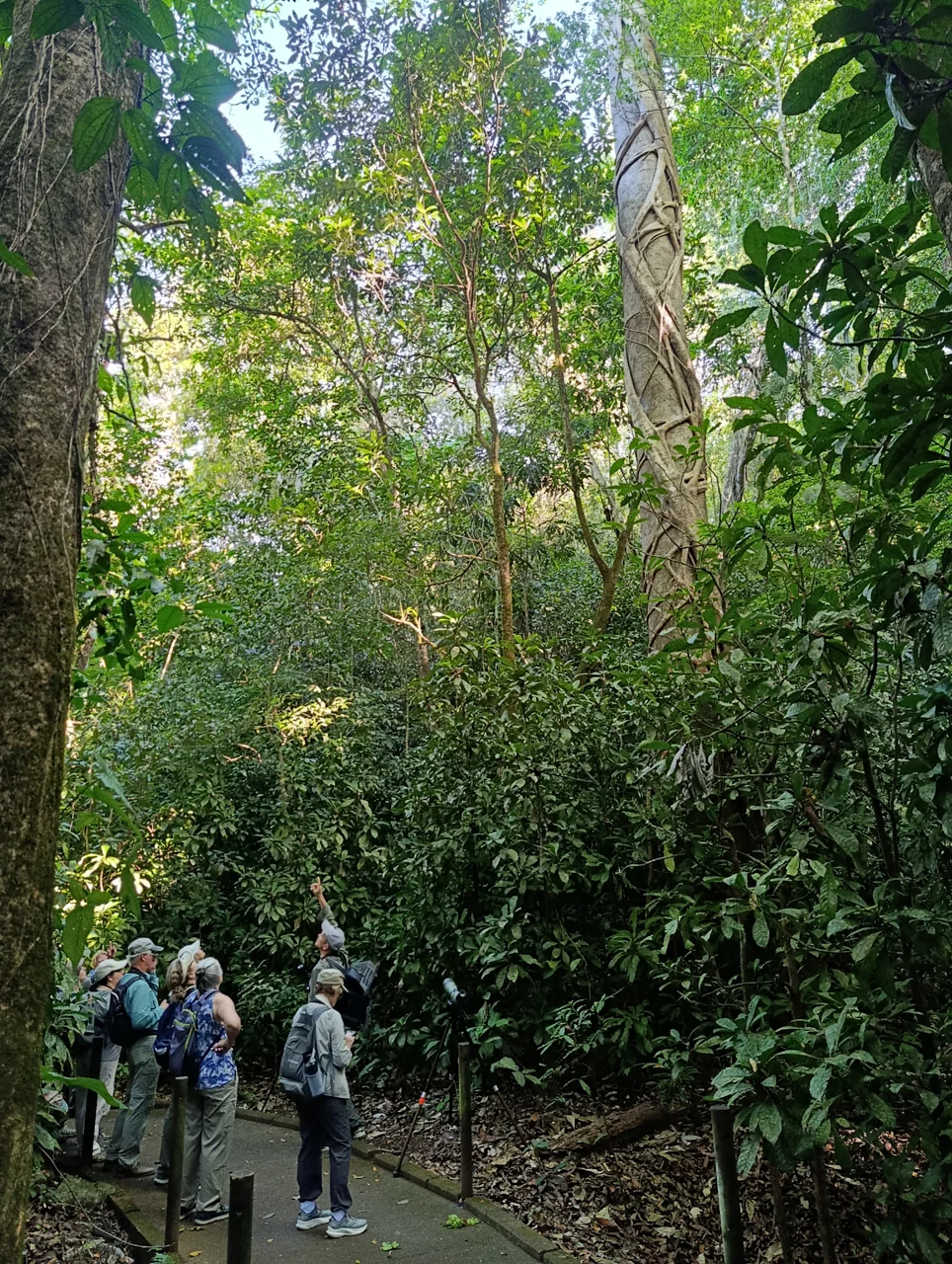
The 2026 Costa Rica Sampler expedition, a multi-regional ornithological survey conducted from March 1 to March 12, has concluded with a documented sighting of over 300 avian species, highlighting the country’s status as a premier destination for global ecotourism and conservation research. Led by noted naturalist Ernesto Carman, the expedition traversed diverse ecological zones, including the Central Valley, the Pacific mangroves of Caldera, the high-altitude Talamanca cloud forests, and the Caribbean lowlands of Sarapiquí. The findings of this twelve-day survey provide critical data on the seasonal distribution of migratory species and the health of endemic populations, such as the Cabanis’s Ground-Sparrow and the Resplendent Quetzal.
Initial Observations in the Central Valley
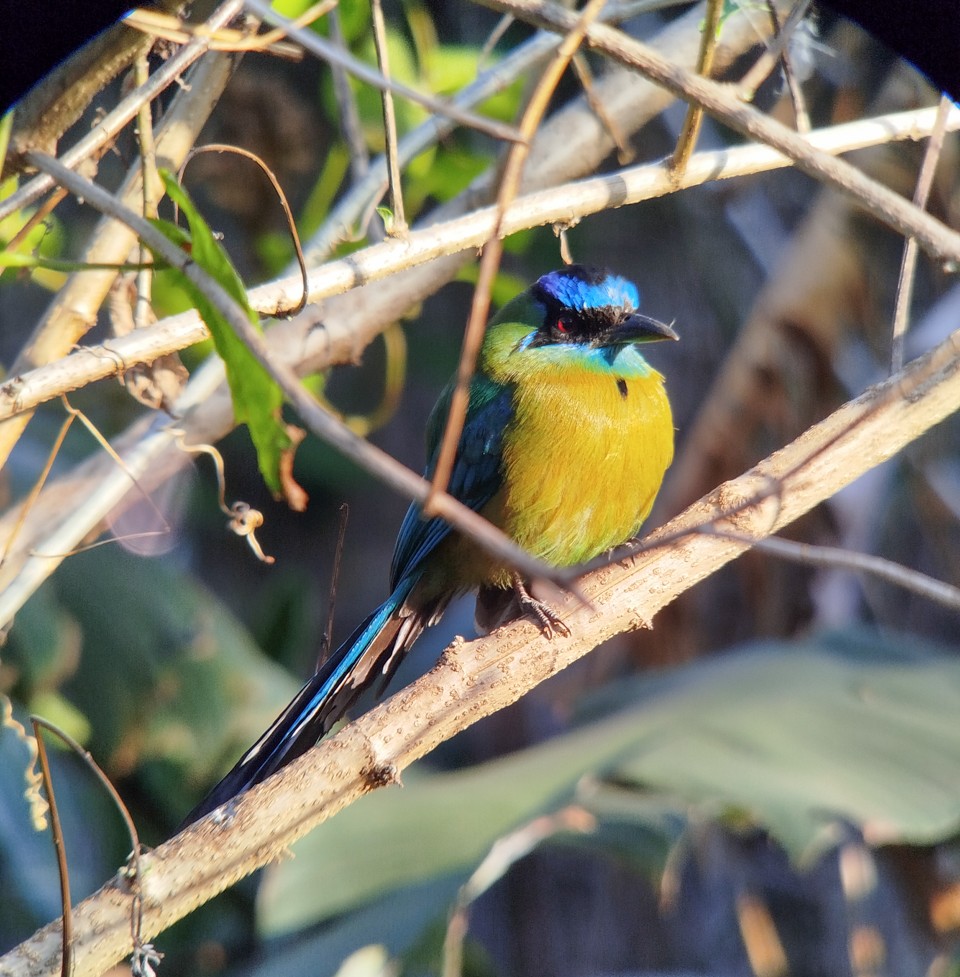
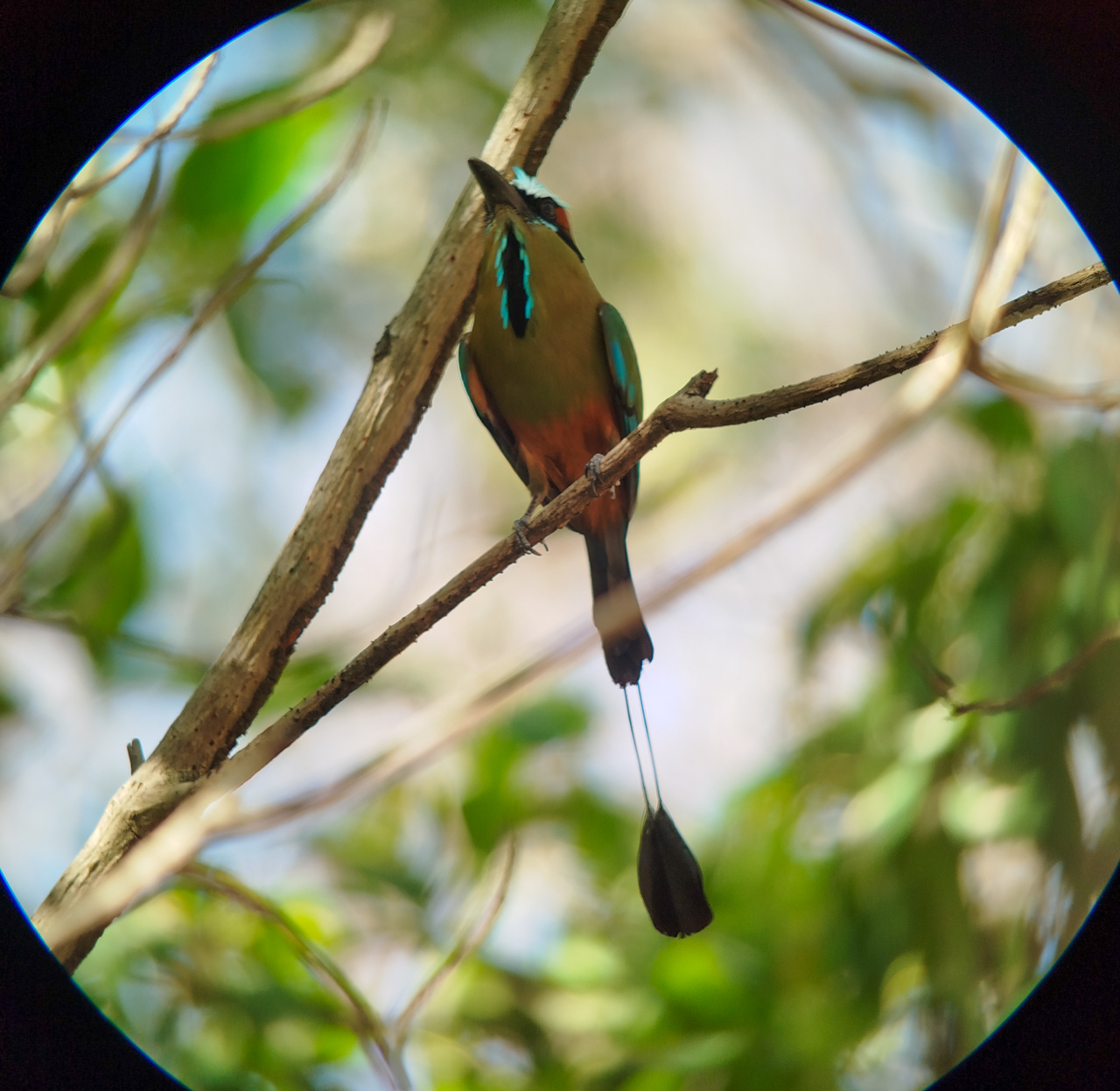
The expedition commenced at the Hotel Bougainvillea, situated in the Central Valley, an area characterized by its volcanic soil and temperate climate. While often overlooked in favor of more remote wilderness, the suburban and agricultural landscapes of the Central Valley serve as vital "biological islands" for resident species. Early observations focused on the hotel’s curated botanical gardens, which act as a refuge for the Lesson’s Motmot and the Social Flycatcher.
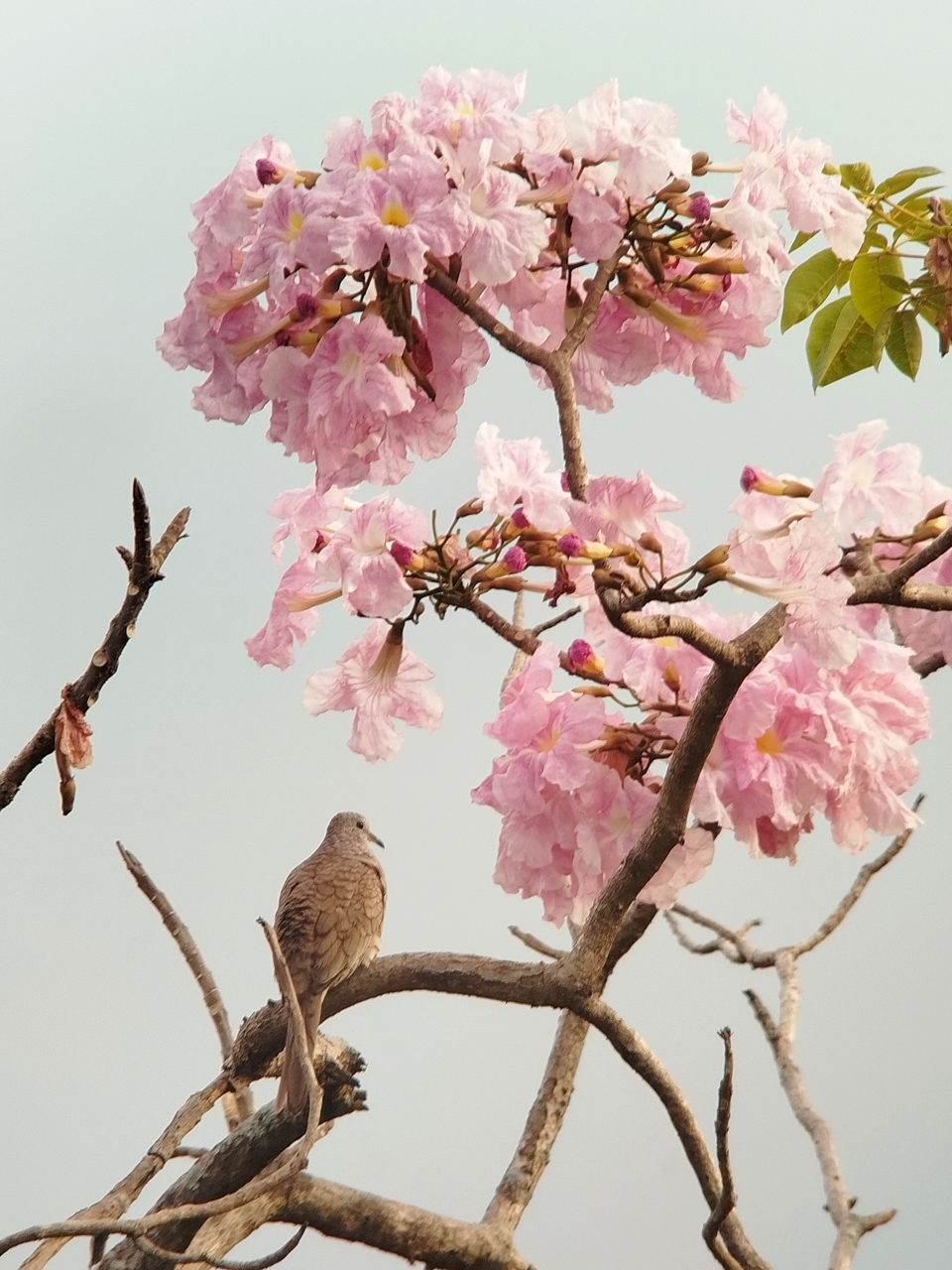
Observers recorded a resident Mottled Owl roosting in bamboo thickets, a find that underscores the importance of maintaining mature vegetation in urbanized corridors. Other significant sightings in this initial phase included the White-tailed Kite and the Red-billed Pigeon. These sightings confirm that even fragmented habitats within Costa Rica’s most populated region continue to support a robust variety of raptors and columbids, provided that native nesting sites remain undisturbed.
Transition to the Pacific Coast and Mangrove Ecosystems
On the second day, the expedition moved westward to the Pacific coast, specifically targeting the Caldera mangroves and the Guácimo Road. This transition from the humid Central Valley to the tropical dry forest and mangrove estuaries is one of the most ecologically significant shifts in Central America. The group identified the Combretum farinosum, commonly known as the Chameleon Vine, in full bloom. The high nectar production of this native vine created a localized "biodiversity hotspot," attracting a dense concentration of Prothonotary and Tennessee Warblers, as well as the Scaly-breasted and Cinnamon Hummingbirds.
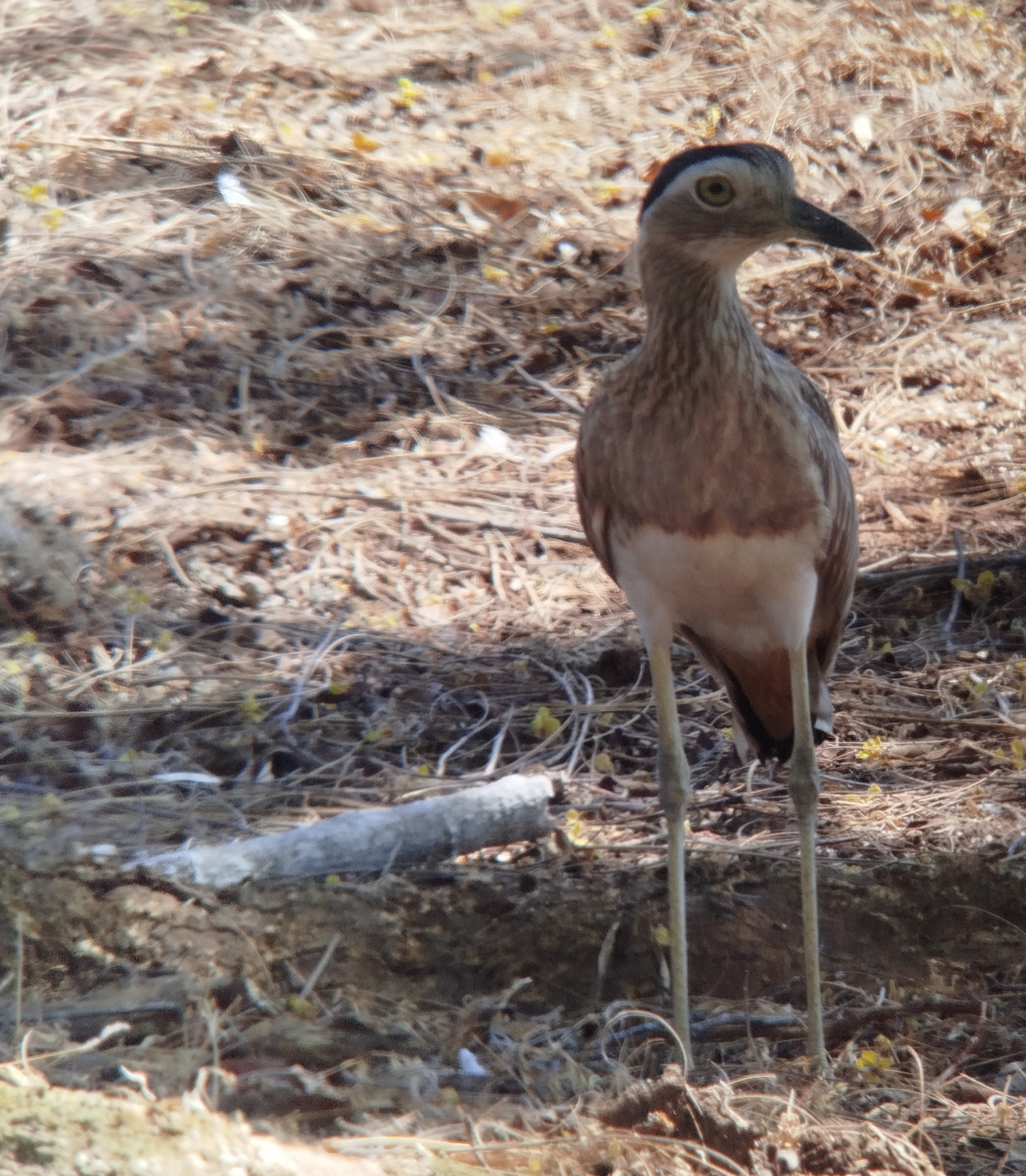
A primary objective of the Pacific leg was the documentation of mangrove specialties. The team successfully located the Mangrove Hummingbird (Amazilia boucardi), a species endemic to Costa Rica and currently classified as endangered due to habitat loss. The presence of this species, alongside the Northern Scrub-Flycatcher and Panama Flycatcher, suggests that the Caldera mangrove complex remains a functional ecosystem despite regional development pressures. Further inland, along the Tárcoles River, the expedition recorded all four regional species of Kingfisher—Ringed, Amazon, Green, and American Pygmy—indicating a healthy aquatic food chain.

The Talamanca Highlands and the Quest for the Resplendent Quetzal
The midpoint of the journey involved an ascent into the Talamanca Mountains, reaching elevations of 3,400 meters above sea level at Cerro de la Muerte. This region is home to the "páramo," a high-altitude shrubland ecosystem that exists only in the highest reaches of the neotropics. Here, the team documented the Volcano Junco, a range-restricted species that thrives in the low-growth vegetation of the peaks.
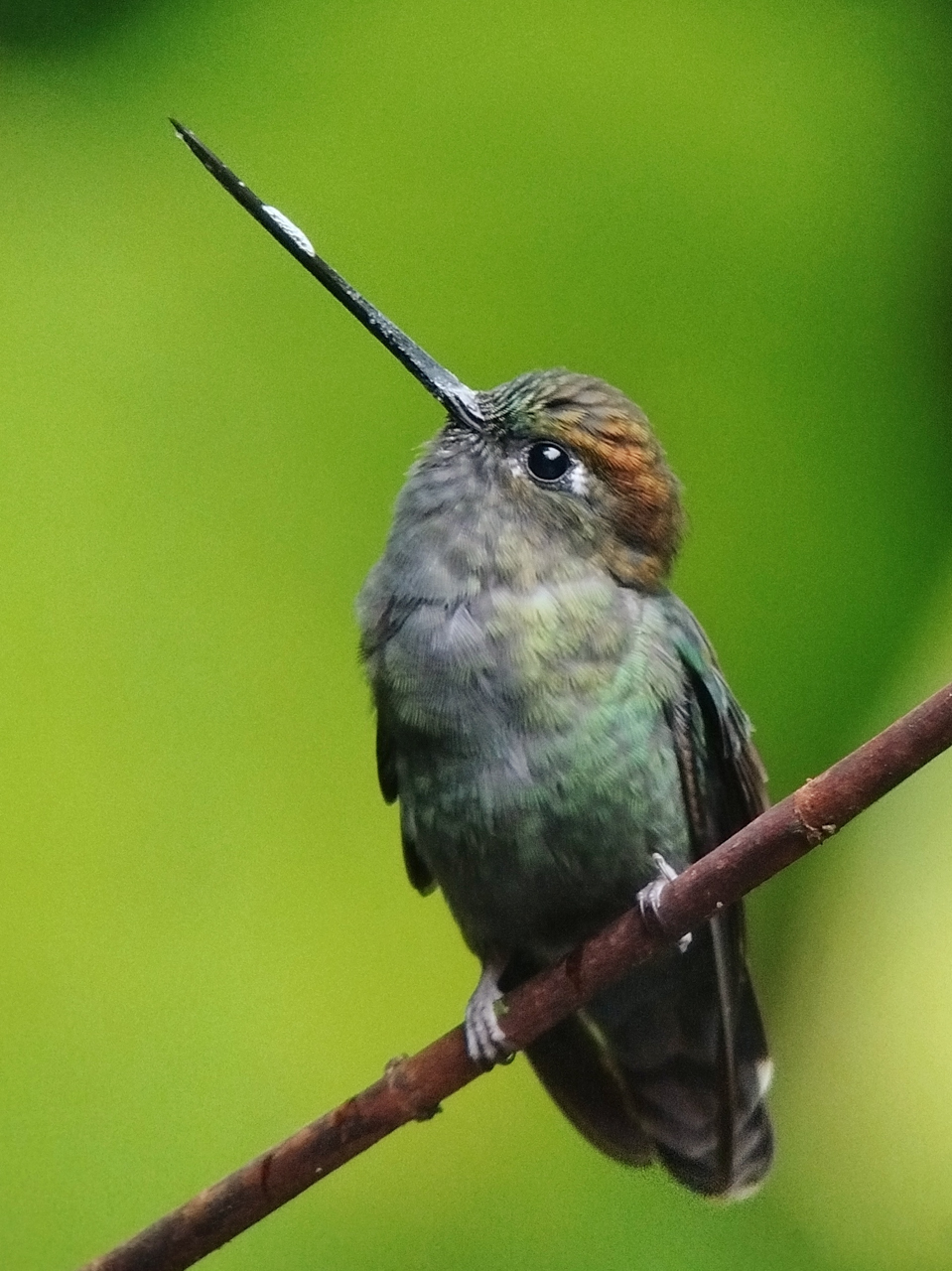
The search for the Resplendent Quetzal (Pharomachrus mocinno) took place in the village of La Esperanza. The Quetzal is a flagship species for conservation in Central America, requiring mature cloud forest and specific fruiting trees, primarily from the Lauraceae family (wild avocados). After a period of patient observation, a male Quetzal was sighted, providing evidence of the success of local community-led conservation efforts. In these high-altitude zones, the expedition also recorded highland specialties such as the Fiery-throated Hummingbird and the Large-footed Finch, species that are highly sensitive to temperature fluctuations and are currently being monitored by climate scientists as indicators of global warming.
Sustainable Agriculture and Endemic Species Preservation
A significant portion of the expedition was dedicated to the Orosí and Ujarrás Valleys, where the intersection of agriculture and avian habitat is most visible. At Café Cristina, an organic, shade-grown coffee plantation, the group analyzed how sustainable farming practices benefit biodiversity. Shade-grown coffee provides a structural canopy that mimics a natural forest, allowing species like the Montezuma Oropendola and the Summer Tanager to forage within agricultural zones.

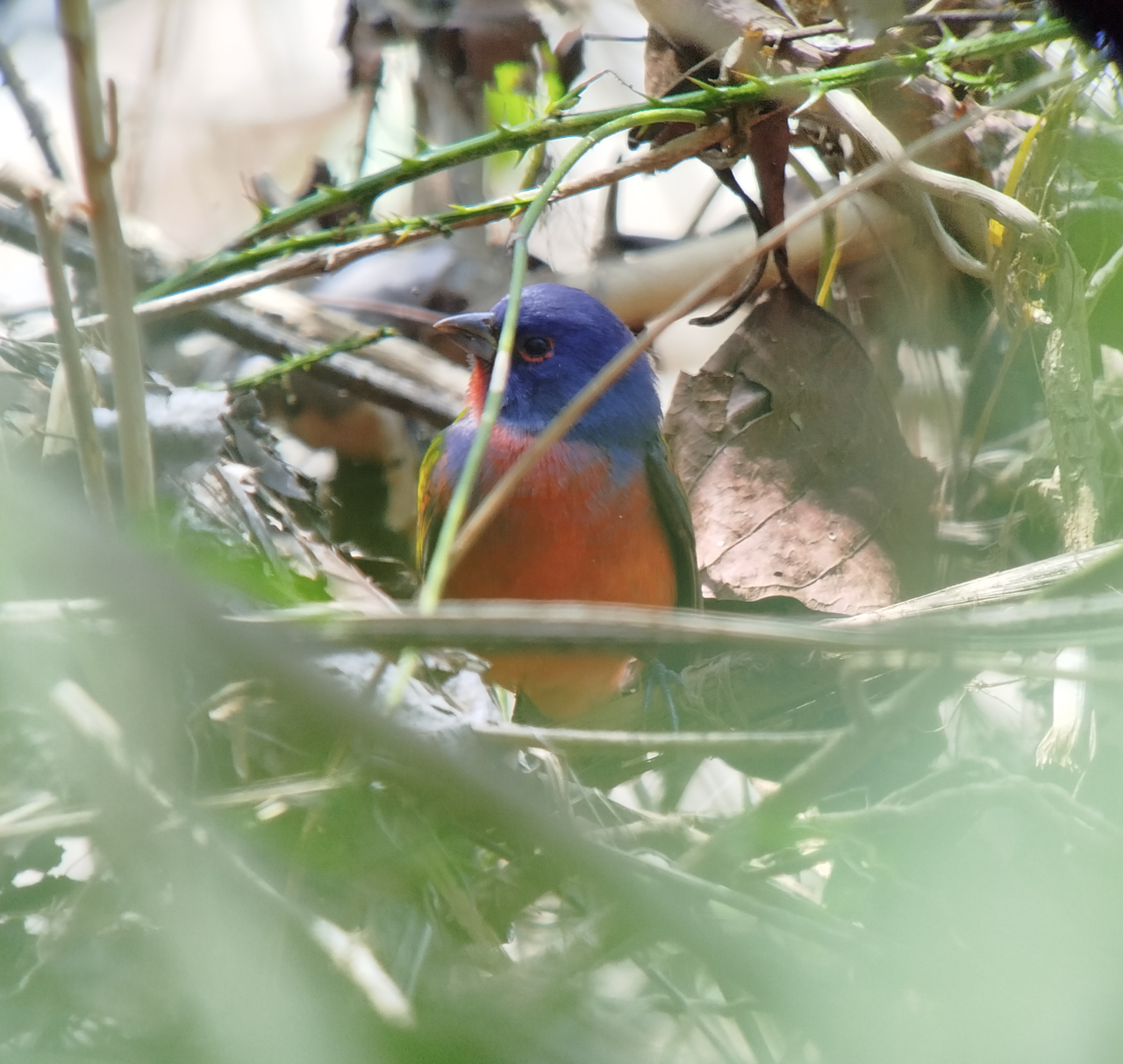
In the Ujarrás Valley, the team focused on the Cabanis’s Ground-Sparrow (Melozone cabanisi). This species is endemic to the Central Plateau of Costa Rica and is threatened by the conversion of its preferred habitat—scrubby coffee plantations and hedgerows—into residential real estate. The sighting of this sparrow, along with the Hook-billed Kite in nearby chayote plantations, highlights the necessity of "bird-friendly" agricultural certifications. The data gathered here supports the argument that economic productivity and wildlife preservation are not mutually exclusive in the Costa Rican model.

The Caribbean Slope: Arenal and La Selva Biological Station
The final phase of the expedition shifted to the northern Caribbean slope, centered around the Arenal Observatory Lodge and the world-renowned La Selva Biological Station. The Arenal region, dominated by the iconic volcano, offers a mix of primary rainforest and secondary growth. Observation decks at the lodge allowed for the study of inter-species "pecking orders" at feeding stations, where Great Curassows and Crested Guans were observed interacting with smaller tanagers and honeycreepers.

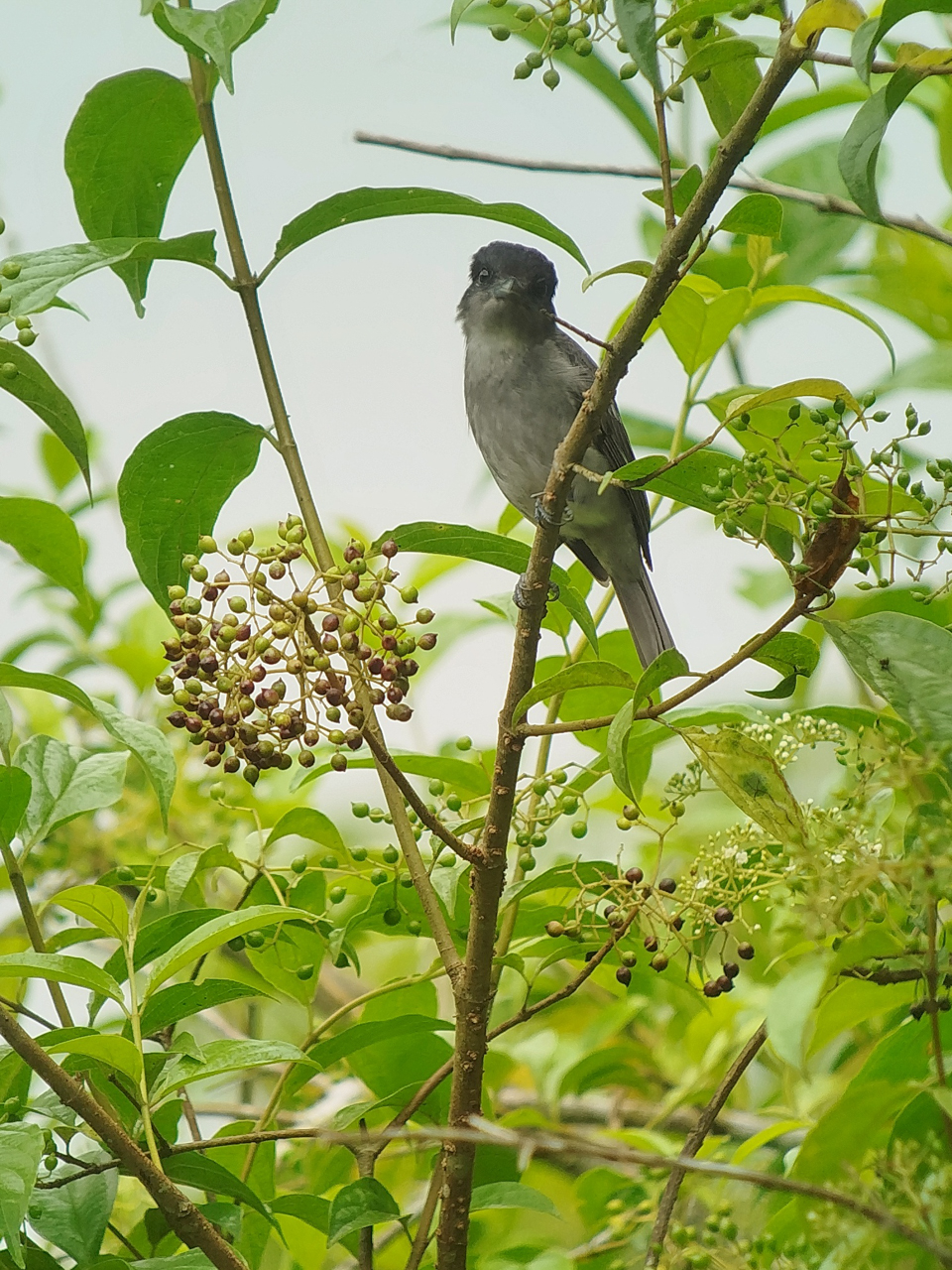
A notable highlight in the Arenal forest was the sighting of an Ornate Hawk-Eagle and the range-restricted Black-and-yellow Tanager. The presence of apex predators like the Hawk-Eagle is a definitive indicator of a large, intact forest block capable of supporting a complex trophic pyramid.

The expedition’s final stop at La Selva Biological Station, managed by the Organization for Tropical Studies (OTS), provided a scientific context for the trip’s observations. La Selva is one of the most important sites in the world for tropical research. Guided by resident researchers, the group documented the critically endangered Great Green Macaw (Ara ambiguus). The survival of this species is tied directly to the Almendro tree (Dipteryx oleifera), which provides both nesting sites and food. The team also observed non-avian species, including White Tent-making Bats and the Strawberry Poison Frog, illustrating the total ecological interconnectedness of the Sarapiquí lowlands.

Scientific and Economic Implications of the Findings
The 2026 expedition serves as more than a mere birding tour; it is a snapshot of Costa Rica’s environmental health. The documentation of over 300 species across eleven days reflects a high level of ecological stability, yet the reliance on specific sites—like the flowering Chameleon Vines in Caldera or the avocado trees in La Esperanza—underscores the vulnerability of these species to localized habitat destruction.
From an economic perspective, the expedition demonstrates the continued viability of high-value ecotourism. Birdwatching is a significant contributor to Costa Rica’s Gross Domestic Product (GDP). According to the Costa Rican Tourism Board (ICT), birdwatchers tend to stay longer and spend more per capita than traditional "sun and sand" tourists. By visiting community-run lodges like Paraíso Quetzal and supporting organic farms like Café Cristina, the expedition directly contributes to a "green economy" that incentivizes local populations to protect rather than exploit their natural resources.

Conclusion and Future Outlook
As the expedition concluded at Hotel Robledal near the international airport, the final sightings of Ferruginous Pygmy-Owls and nesting Cinnamon Hummingbirds served as a reminder of the country’s ubiquitous biodiversity. The data collected by Ernesto Carman and the participants has been uploaded to global databases such as eBird, where it will be used by ornithologists to track migratory patterns and population shifts.

The 2026 Costa Rica Sampler highlights a critical truth for the coming decade: the survival of neotropical biodiversity depends on a patchwork of protected national parks, sustainable agricultural lands, and community-based conservation initiatives. While the sighting of the Resplendent Quetzal remains the emotional peak for many observers, the successful documentation of the endangered Mangrove Hummingbird and the Great Green Macaw provides the most vital scientific takeaways. These species remain on the brink, and their continued presence in the 2026 census is a testament to Costa Rica’s rigorous, though constantly challenged, environmental policies. Looking forward, the integration of birding data into national conservation strategies will be essential as Costa Rica navigates the dual challenges of climate change and economic development.
