
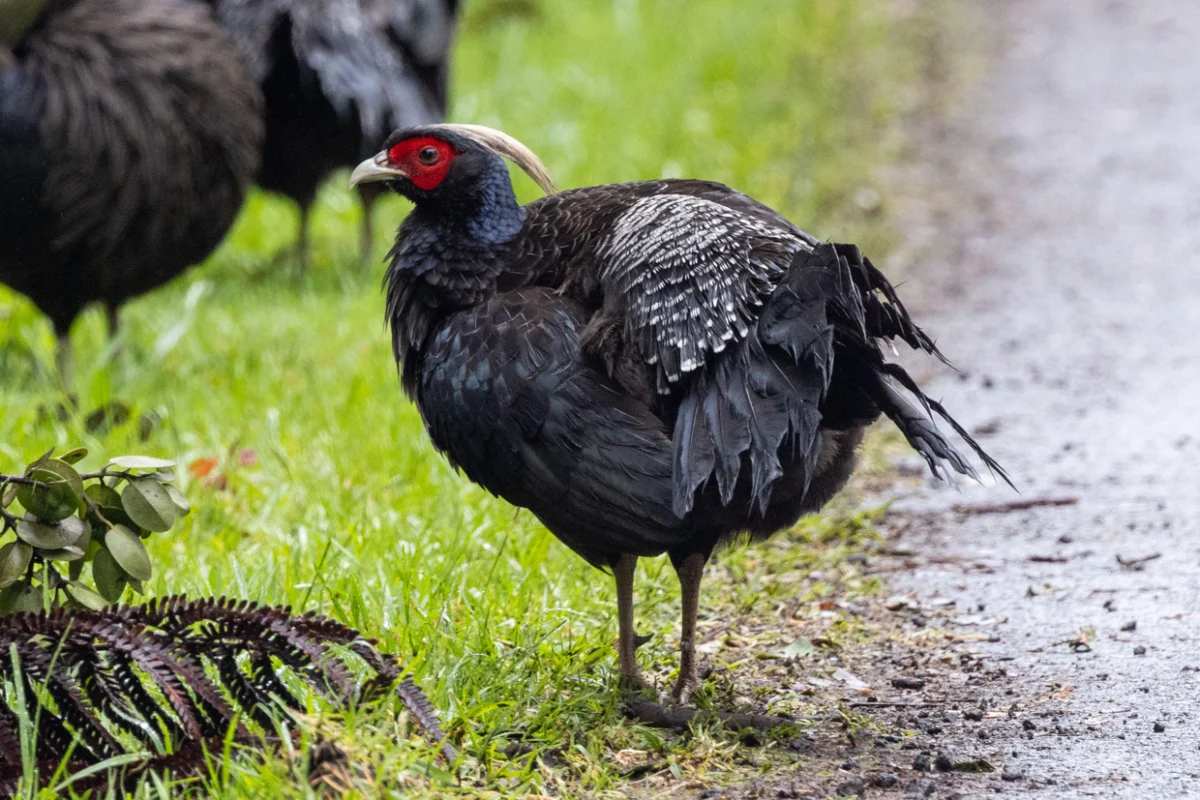
The Hawaiian archipelago, often referred to as the "extinction capital of the world" due to its high number of endangered and extinct species, remains one of the most critical environments for ornithological study and conservation. A recent professional birding expedition across the islands of Oahu, Kauai, and the Big Island has provided a detailed snapshot of the current state of avian life in the region. The tour highlighted the stark contrast between the thriving populations of introduced species in urban and lowland areas and the fragile, specialized endemic species that persist in high-altitude refugia. By documenting dozens of species ranging from the urban-adapted White-Tern to the critically endangered honeycreepers of the Hakalau Forest, the expedition underscored the ecological complexity of the 50th state.
Oahu: Urban Adaptations and Coastal Migrants
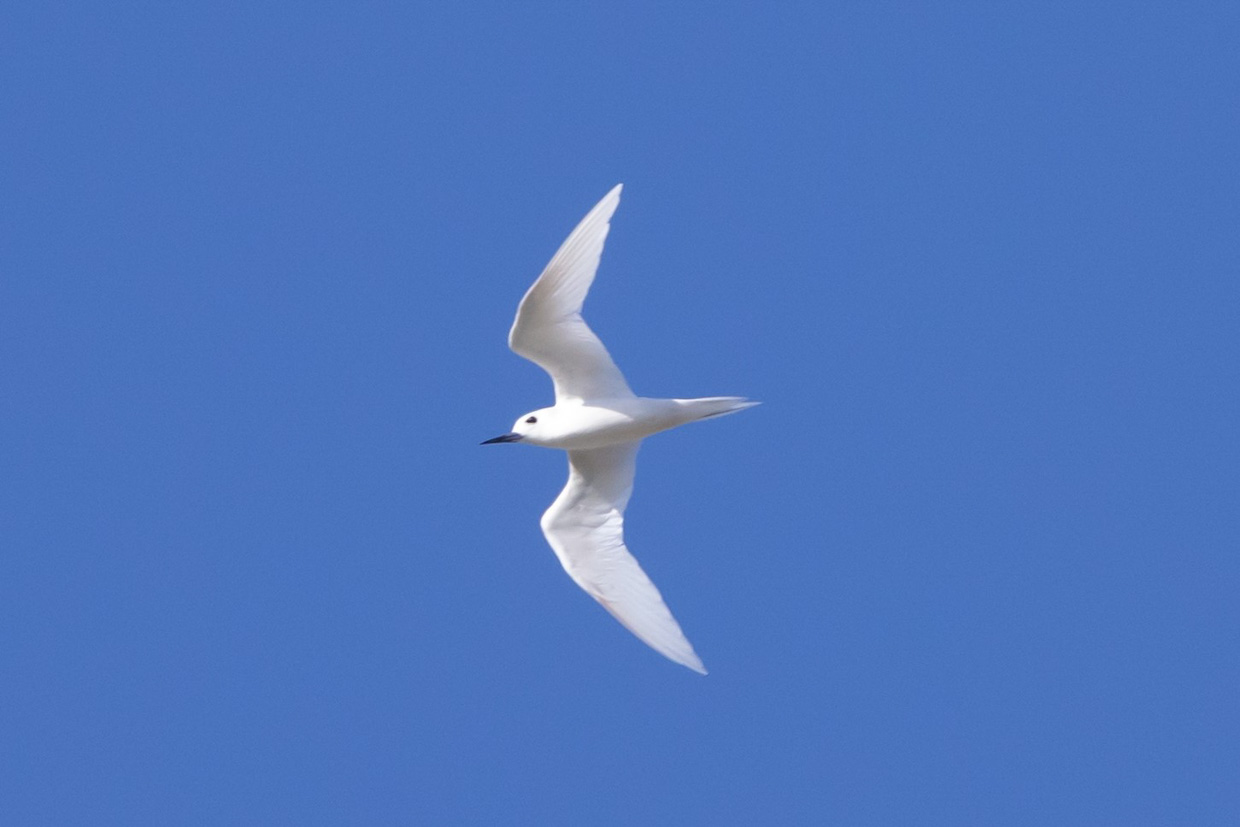
The expedition commenced in Honolulu, the state’s most densely populated urban center. Despite the concrete landscape, the city serves as a unique habitat for the Blue-billed White-Tern (Gygis alba), known locally as the Manu-o-Kū. Unlike many seabirds that require remote offshore islands for nesting, the White-Tern has adapted to Honolulu’s skyscrapers and ornamental street trees. Participants observed juveniles at various stages of development, perched precariously on branches without the use of traditional nests—a hallmark of the species.
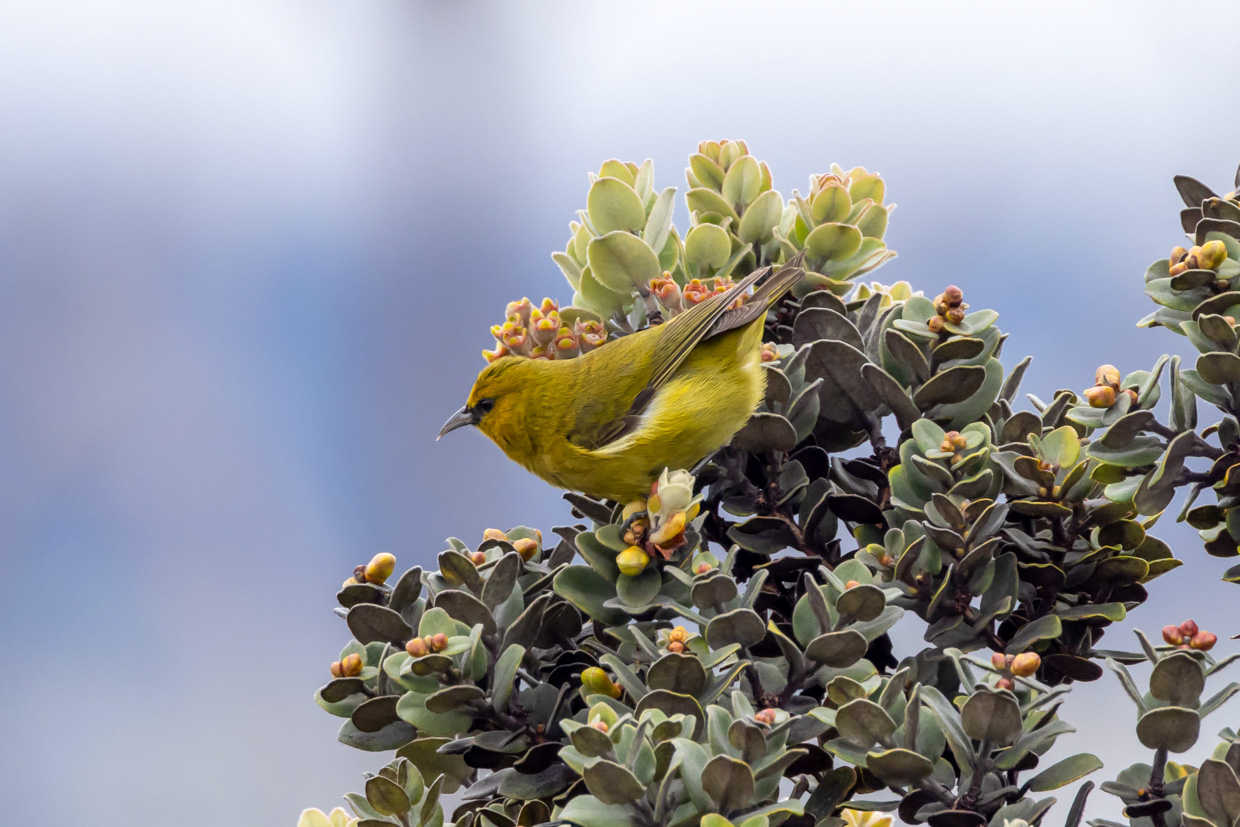
Moving beyond the urban core, the survey expanded into the high country above Honolulu. The avian composition here shifted toward a mix of introduced and endemic species. While the landscape was dominated by colorful non-native birds such as the White-rumped Shama (Copsychus malabaricus), Warbling White-eye (Zosterops japonicus), and Red-crested Cardinal (Paroaria coronata), the team successfully located the Oahu Amakihi (Chlorodrepanis flava). This species represents one of the few Hawaiian honeycreepers that has shown a degree of resilience to avian malaria, allowing it to survive at lower elevations than its more sensitive relatives.
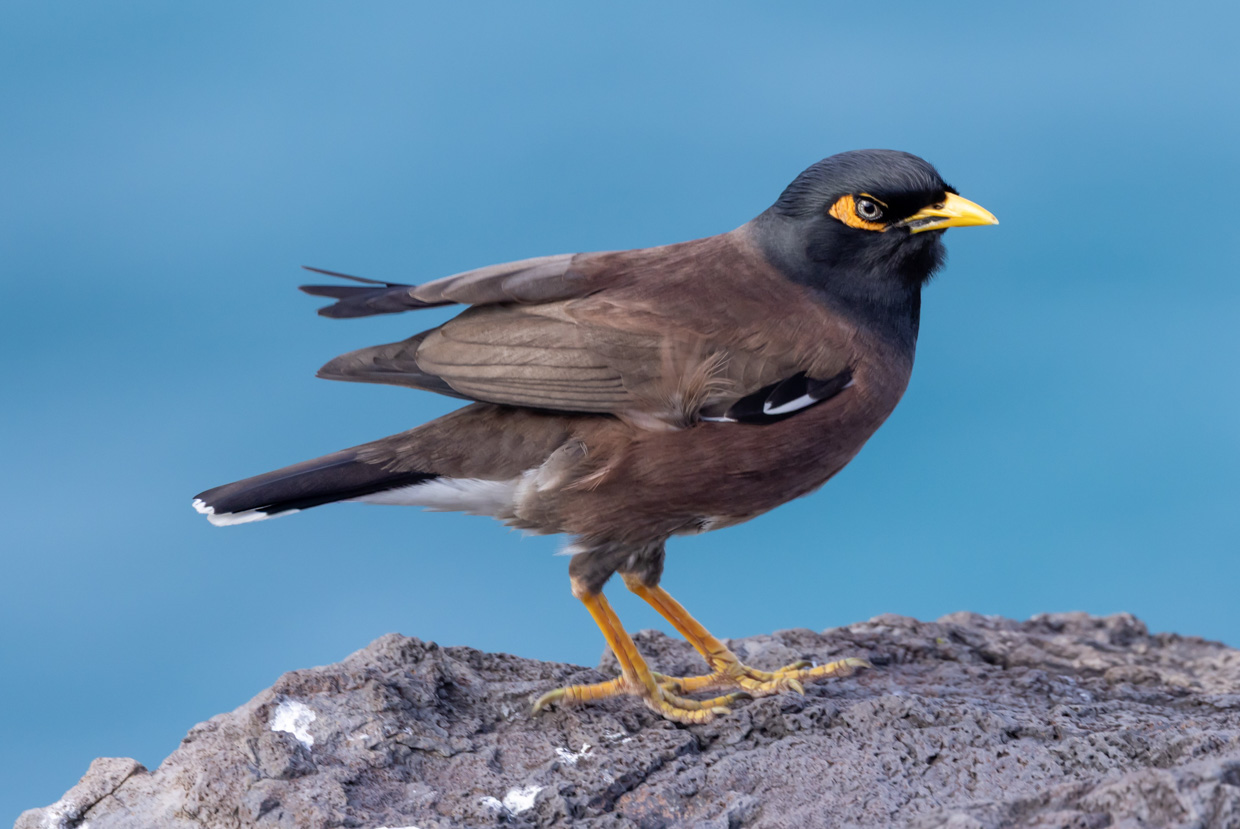
The coastal leg of the Oahu survey focused on the island’s northwestern and windward shores. At an oceanside golf course, the group identified a Bristle-thighed Curlew (Numenius tahitiensis), a high-priority conservation species that migrates from Alaska to Hawaii for the winter. Additional sightings included the Laysan Albatross (Phoebastria immutabilis), Red-footed Boobies (Sula sula), and Brown Boobies (Sula leucogaster). The presence of spouting humpback whales (Megaptera novaeangliae) in the offshore waters provided further evidence of the rich marine-terrestrial interface that defines the Hawaiian ecosystem.
Kauai: The Garden Isle’s Wetland and Montane Sanctuaries
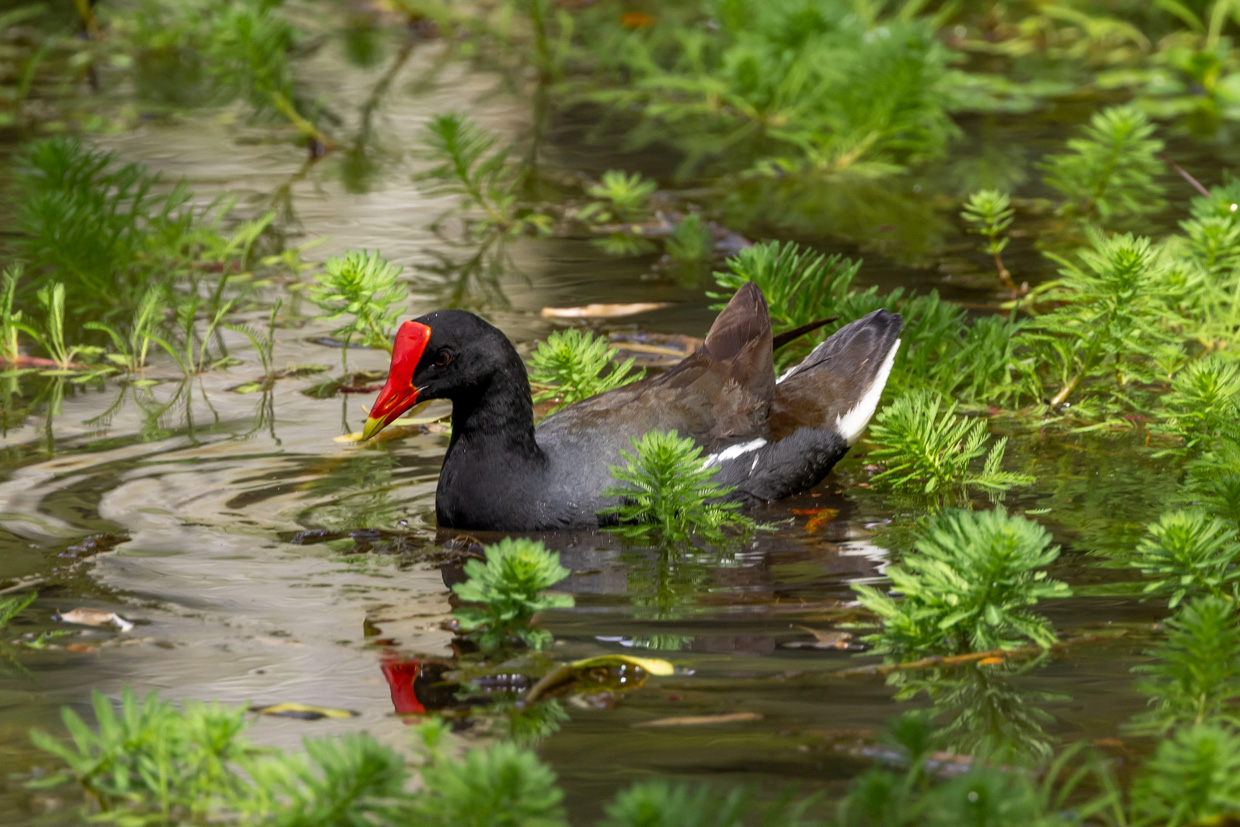
The second phase of the expedition took place on Kauai, an island characterized by its ancient geological age and lush, high-altitude forests. The survey began with a focus on endemic waterbirds, many of which are currently listed as endangered. At various lowland refuges and managed landscapes, the team documented the Hawaiian Coot (Fulica alai), the Hawaiian Duck (Anas wyvilliana), and the Hawaiian Goose, or Nene (Branta sandvicensis). The Nene, Hawaii’s state bird, serves as a primary success story for captive breeding and predator control programs, having been brought back from a population low of roughly 30 individuals in the mid-20th century.
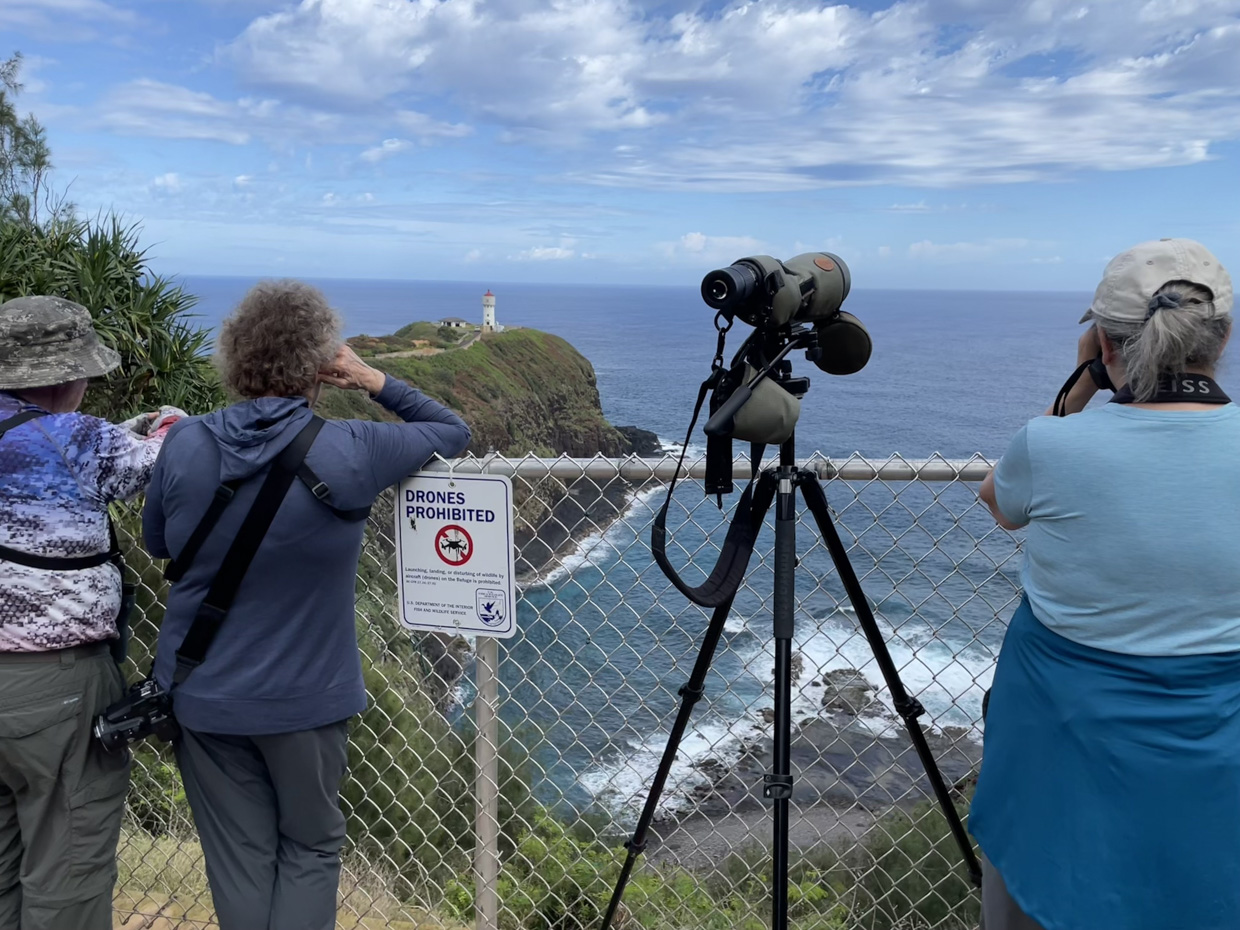
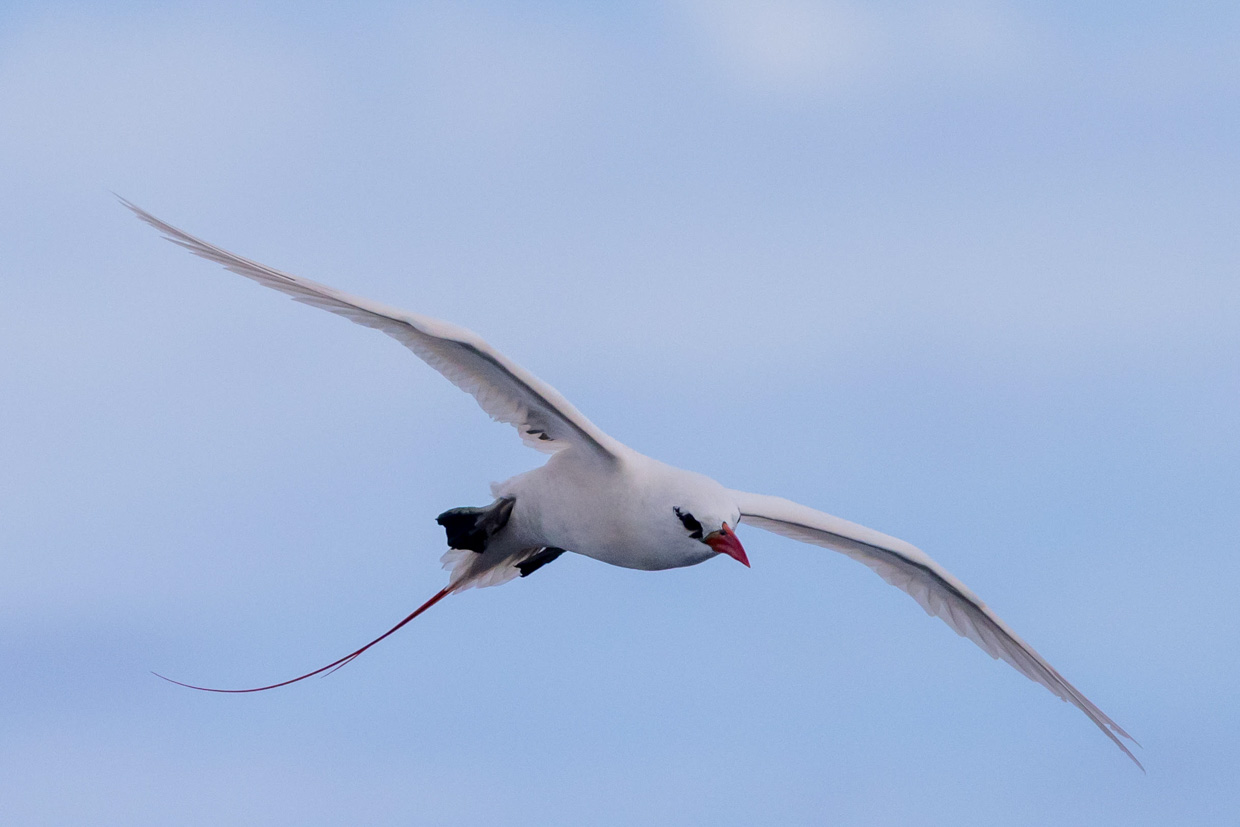
At the Kilauea Point National Wildlife Refuge and surrounding coastal areas, the expedition observed complex interspecies interactions. Great Frigatebirds (Fregata minor) were recorded performing kleptoparasitism, harassing Red-footed Boobies in mid-air to force them to disgorge their catch. On the cliffs, participants gained clear views of both White-tailed and Red-tailed Tropicbirds (Phaethon lepturus and Phaethon rubricauda), while the subterranean moans of nesting Wedge-tailed Shearwaters (Ardenna pacifica) provided an auditory reminder of the island’s importance as a seabird colony.
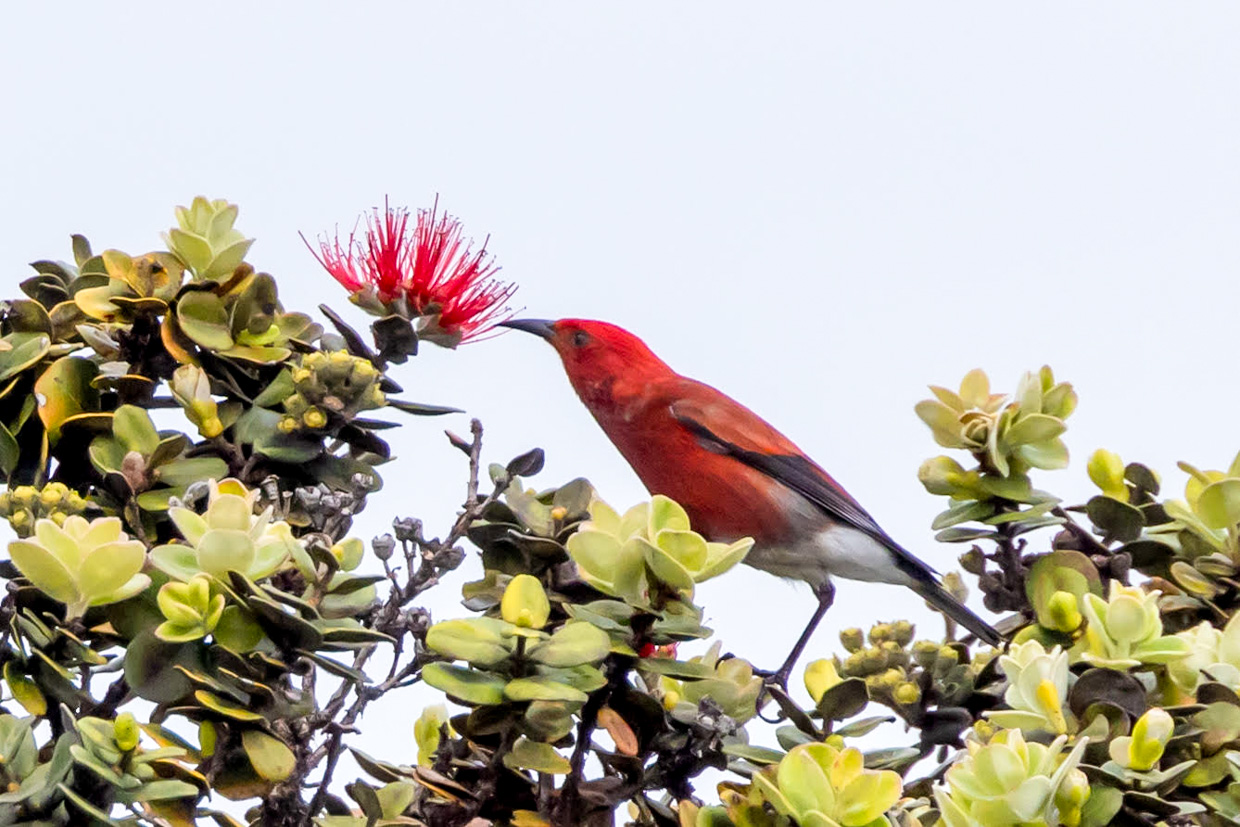
The high-altitude portion of the Kauai survey involved traversing the Waimea Canyon and Kokee State Park. These regions are critical for the survival of Kauai’s endemic passerines. The team recorded the Apapane (Himatione sanguinea), a vibrant crimson honeycreeper that feeds on the nectar of the Ohia Lehua tree. However, the survey also noted the encroachment of introduced game birds and songbirds, such as the Erckel’s Spurfowl (Pternistis erckelii) and Western Meadowlark (Sturnella neglecta), which compete for resources and alter the acoustic environment of the native forest. A significant find in this region was the Kauai Elepaio (Chasiempis sclateri), an endemic monarch flycatcher known for its curious nature and territorial displays.
The Big Island: Volcanic Challenges and the Hakalau Refuge
The final leg of the expedition focused on the Island of Hawaii, the largest and youngest island in the chain. The itinerary was initially hampered by a severe tropical storm system that forced the closure of Hawaii Volcanoes National Park. In response, the team, led by local experts, pivoted to the windward forests near Hilo. This shift in strategy resulted in sightings of the Iiwi (Drepanis coccinea), perhaps the most iconic of the surviving honeycreepers, known for its curved scarlet bill designed to probe tubular flowers.
The expedition’s primary objective on the Big Island was the Hakalau Forest National Wildlife Refuge. Located on the windward slopes of Mauna Kea, Hakalau is the first National Wildlife Refuge established specifically to protect endangered forest birds. Because the refuge is situated above 6,000 feet, the temperature remains too low for the Culex mosquito to survive, creating a "malaria-free" zone for native birds.
Under the guidance of a specialized local lead, the team accessed the restricted-entry forest via four-wheel-drive vehicles. The survey within the refuge yielded high-value sightings, including:
- The Alawi (Hawaii Creeper): A small, insectivorous bird that mimics the behavior of a nuthatch.
- The Akiapolaau: A critically endangered honeycreeper with a unique dual-purpose beak. The lower mandible is used for pecking wood, while the upper mandible probes for larvae.
- The Hawaii Akepa: A tiny, bright orange bird that nests in tree cavities, a rare trait among Hawaiian passerines.
- The Omao: An endemic thrush whose haunting song is a staple of the high-altitude rainforest.
Chronology of the Expedition and Weather Impact
The 10-day expedition followed a rigorous schedule designed to maximize sightings across diverse microclimates:
- Days 1-2: Oahu urban and coastal surveys.
- Days 3-5: Kauai lowland wetlands and Waimea Canyon montane forests.
- Days 6-8: Transition to the Big Island; redirection due to storm activity; Hilo and southern coast surveys.
- Day 9: Hakalau Forest National Wildlife Refuge intensive survey.
- Day 10: Kona coast wastewater treatment plant and Saddle Road arid habitat surveys.
The mid-trip storm highlighted the vulnerability of Hawaiian birding logistics to climate events. While the closure of the National Park was a setback, the flexibility of the itinerary allowed for the documentation of rare migrants on the Big Island, including a Peregrine Falcon (Falco peregrinus) and an Osprey (Pandion haliaetus), both of which are uncommon visitors to the islands.
Scientific and Conservation Context
The data gathered during this tour reflects broader trends in Hawaiian ornithology. According to the American Bird Conservancy, of the more than 50 species of honeycreepers that once existed in Hawaii, only 17 remain, and many of those are on the verge of extinction. The expedition’s success in finding the Akiapolaau and the Akepa emphasizes the vital role of protected areas like Hakalau.
Experts indicate that the primary threats to these birds remain habitat loss, predation by invasive mammals (such as mongooses and feral cats), and avian malaria. The "mosquito line"—the elevation above which mosquitoes cannot breed—is rising as global temperatures increase, further shrinking the available habitat for endemic species. Conservationists are currently exploring the use of Incompatible Insect Technique (IIT) to suppress mosquito populations, a move that local guides mentioned as a "last hope" for species like the Akepa.
Analysis of Implications for Birding Tourism
The expedition also shed light on the economic and educational value of birding tourism in Hawaii. The reliance on local guides for access to restricted areas like Hakalau ensures that tourism dollars support local conservation expertise. Furthermore, the inclusion of introduced species—such as the Chestnut-bellied Sandgrouse (Pterocles exustus) and the Rosy-faced Lovebird (Agapornis roseicollis)—on the trip list highlights a growing trend where birders seek "naturalized" populations that are difficult to see in their native ranges.
However, the contrast between the "eye-candy" introduced birds and the "drab but rare" native species presents a communication challenge for conservationists. Educating visitors on the evolutionary significance of the Akiapolaau’s beak or the Nene’s recovery is essential to fostering the public support required for expensive conservation interventions.
As the expedition concluded along the Old Saddle Road, with a final sighting of the Pueo (Hawaiian Short-eared Owl, Asio flammeus sandwichensis), the participants noted the resilience of these birds. Despite centuries of environmental upheaval, the avian life of Hawaii remains a testament to biological adaptation, provided that active management and habitat protection remain a priority for the state and federal governments.
