
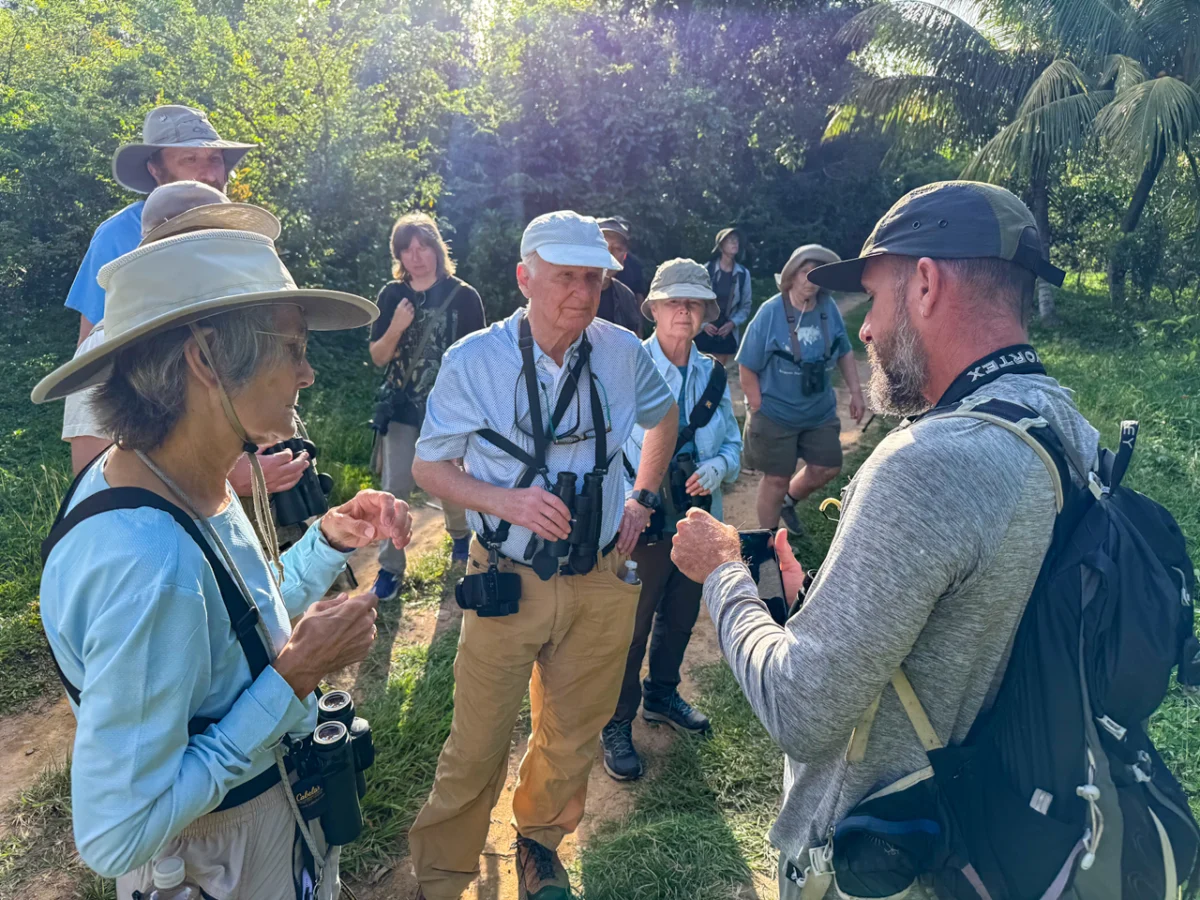
The 2026 Puerto Rico ornithological expedition concluded this week with a record-breaking documentation of 126 bird species, marking the highest count ever recorded for this specific annual survey. Spanning seven days from March 3 to March 9, the expedition traversed the island’s diverse ecological zones—from the northern karst forests and high-altitude central mountains to the southwestern dry forests and eastern mangroves. The findings underscore the resilience of Puerto Rico’s avian populations and the success of long-term conservation initiatives aimed at preserving some of the world’s most endangered tropical birds.
The expedition, led by a team of expert field biologists and professional guides, focused heavily on the island’s 17 endemic species. Beyond the raw data of species counts, the survey provided critical observations on breeding behaviors, habitat health, and the status of introduced species. The record count of 126 species is particularly significant given the historical challenges faced by the island’s ecosystems, including habitat fragmentation and the devastating impact of past hurricanes.
Chronological Overview: From the Karst Region to the Coast
The expedition commenced on March 3 with an initial briefing in San Juan, where researchers and observers established protocols for the week-long survey. The primary objective was to assess the health of endemic populations across varying microclimates.
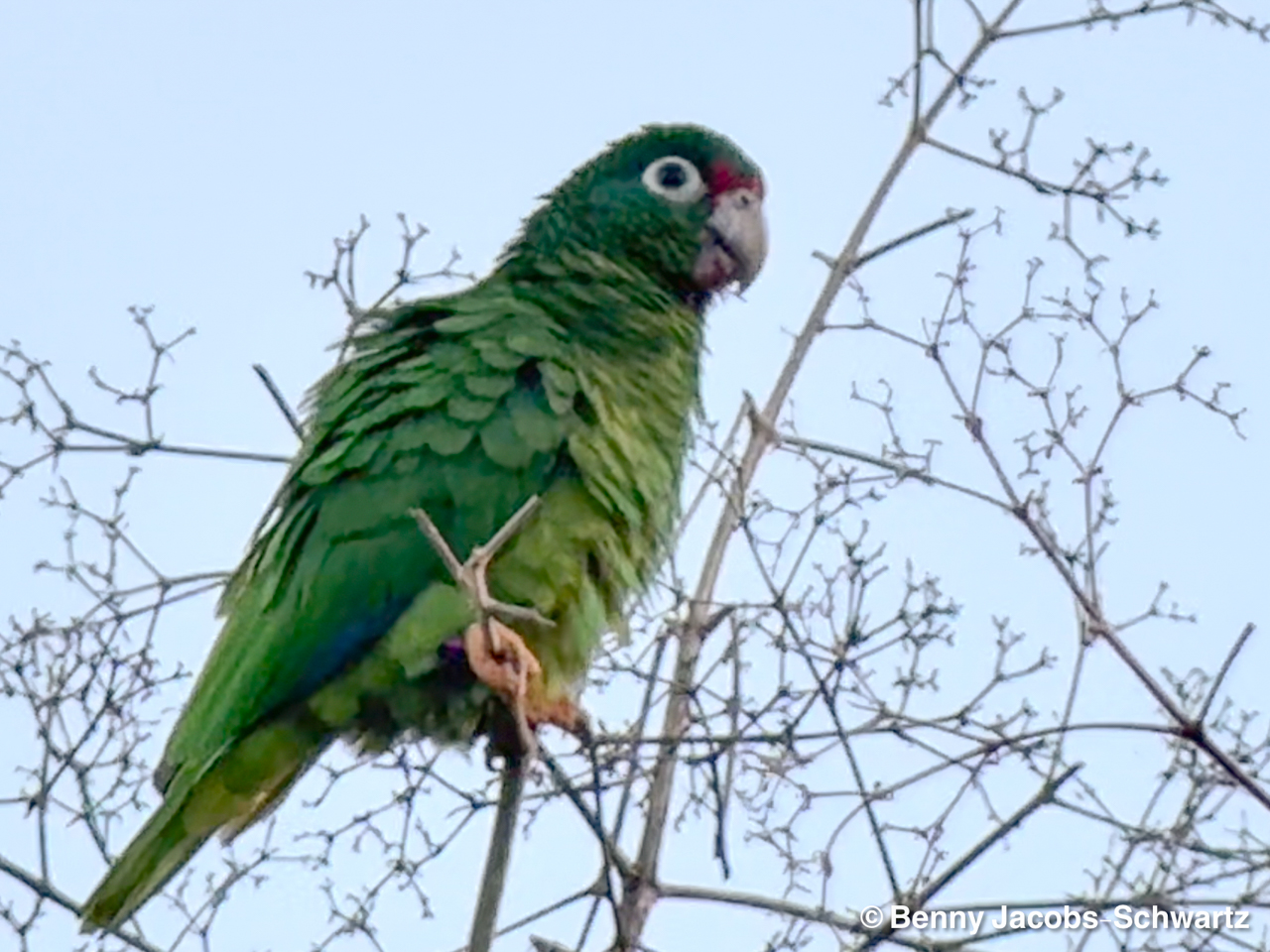
On March 4, the team moved to the Río Abajo State Forest in the northern karst region. This area is a cornerstone of Puerto Rican conservation, serving as the primary site for the recovery of the Puerto Rican Amazon (Amazona vittata). Listed as critically endangered, the Puerto Rican Amazon was once reduced to fewer than 50 individuals in the wild. Field observers at Río Abajo documented a thriving flock, noting pairs perched atop the canopy and foraging within the forest interior. This observation suggests that the reintroduction and captive breeding programs managed by the Department of Natural and Environmental Resources (DNER) and the U.S. Fish and Wildlife Service continue to yield positive results.
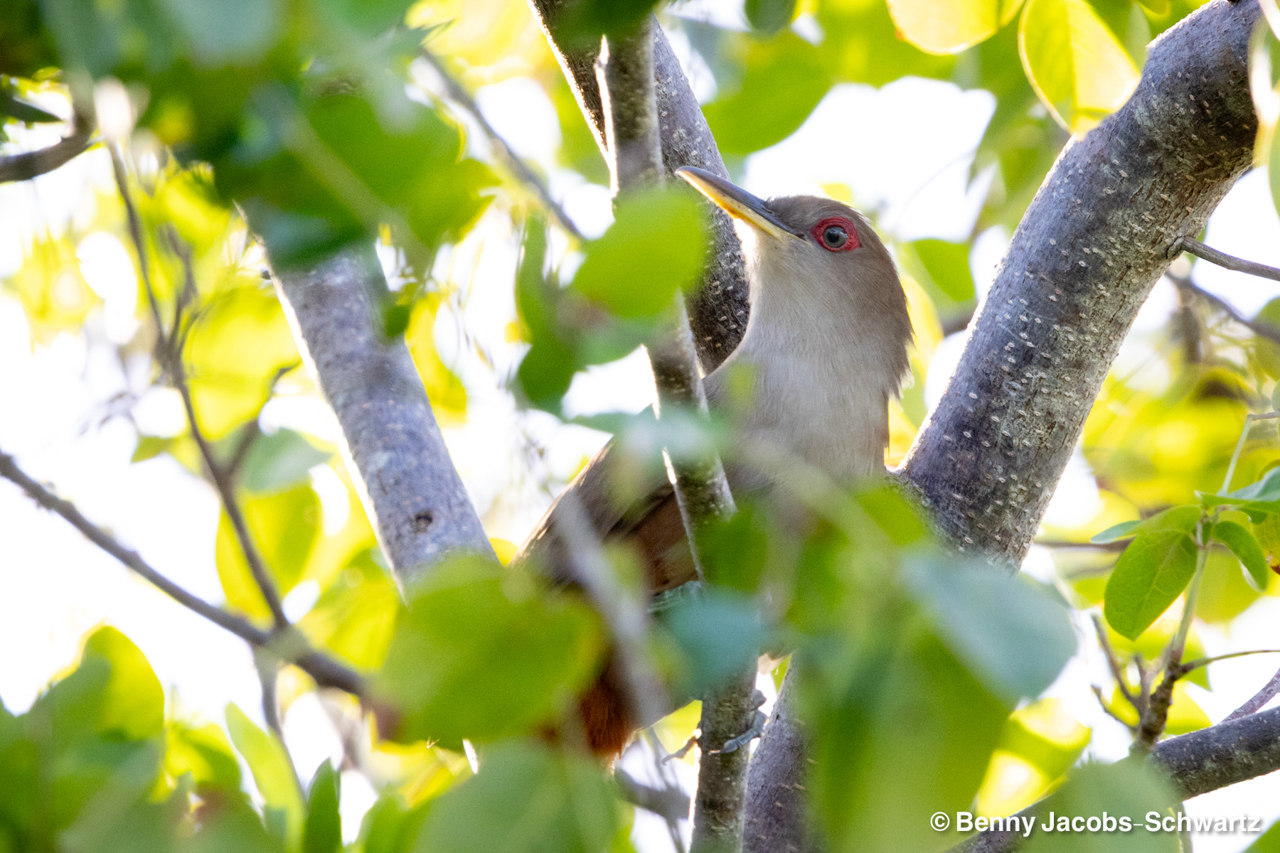
In addition to the parrots, the karst region yielded sightings of the Puerto Rican Emerald, the Puerto Rican Bullfinch, and the elusive Puerto Rican Lizard-Cuckoo. The presence of the Broad-winged Hawk (Buteo platypterus brunnescens), an endangered subspecies localized to this region, was also confirmed. The day concluded with a survey of the coastal wetlands at Playa Sardinera and the Amador wetland, where researchers documented a diverse array of shorebirds, including Black-bellied Plovers and Ruddy Turnstones, alongside a breeding-plumage Tricolored Heron.
Southwestern Biodiversity and the Rare Masked Duck
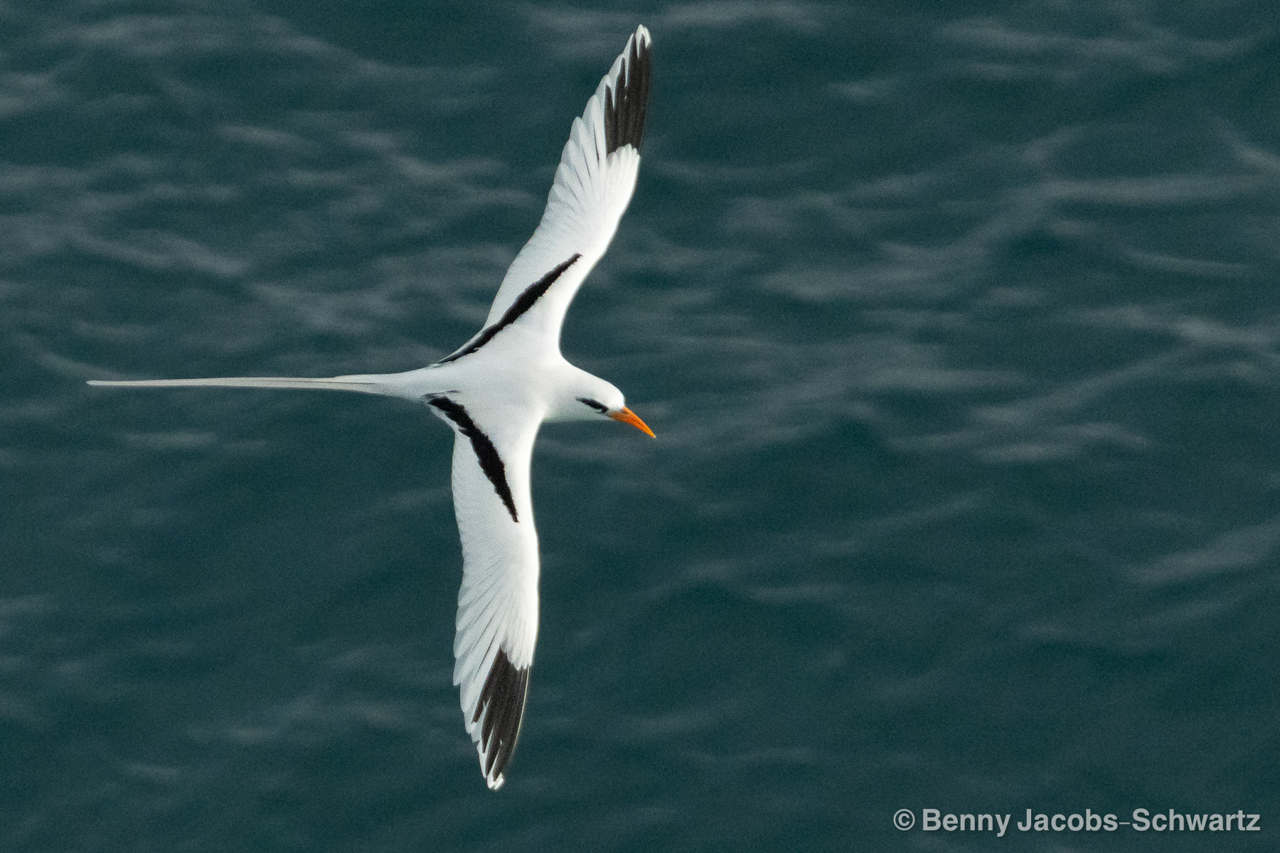
By March 5, the expedition shifted its focus to the northwestern and southwestern corridors. At Los Merenderos de Guajataca, the team observed White-tailed Tropicbirds nesting in the limestone cliffs overlooking the Atlantic. The transition to the southwestern "dry side" of the island provided a stark contrast in habitat and species composition.
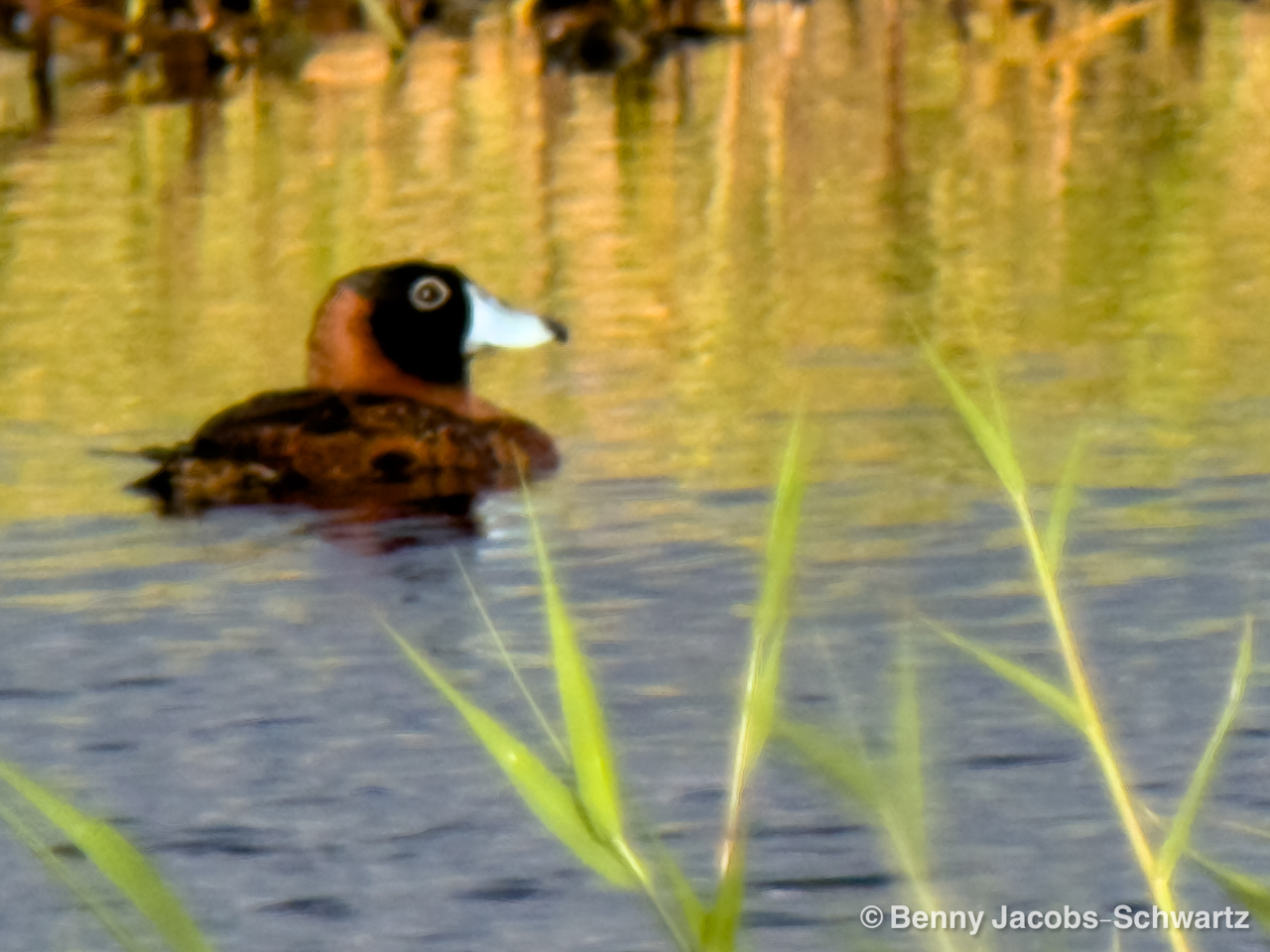
In the Lajas Valley and the Cabo Rojo region, the team documented a significant presence of introduced finches, including Northern Red Bishops and Scaly-breasted Munias. While these species are not native, their established populations are a point of study regarding their interaction with local flora. The highlight of the southwestern leg occurred at the Cartagena Lagoon, where the team successfully located four Masked Ducks (Nomonyx dominicus). The Masked Duck is a secretive and nomadic species, often difficult to track due to its preference for dense vegetation in freshwater marshes. Its presence at the lagoon is a vital indicator of the health of the local wetland ecosystem.
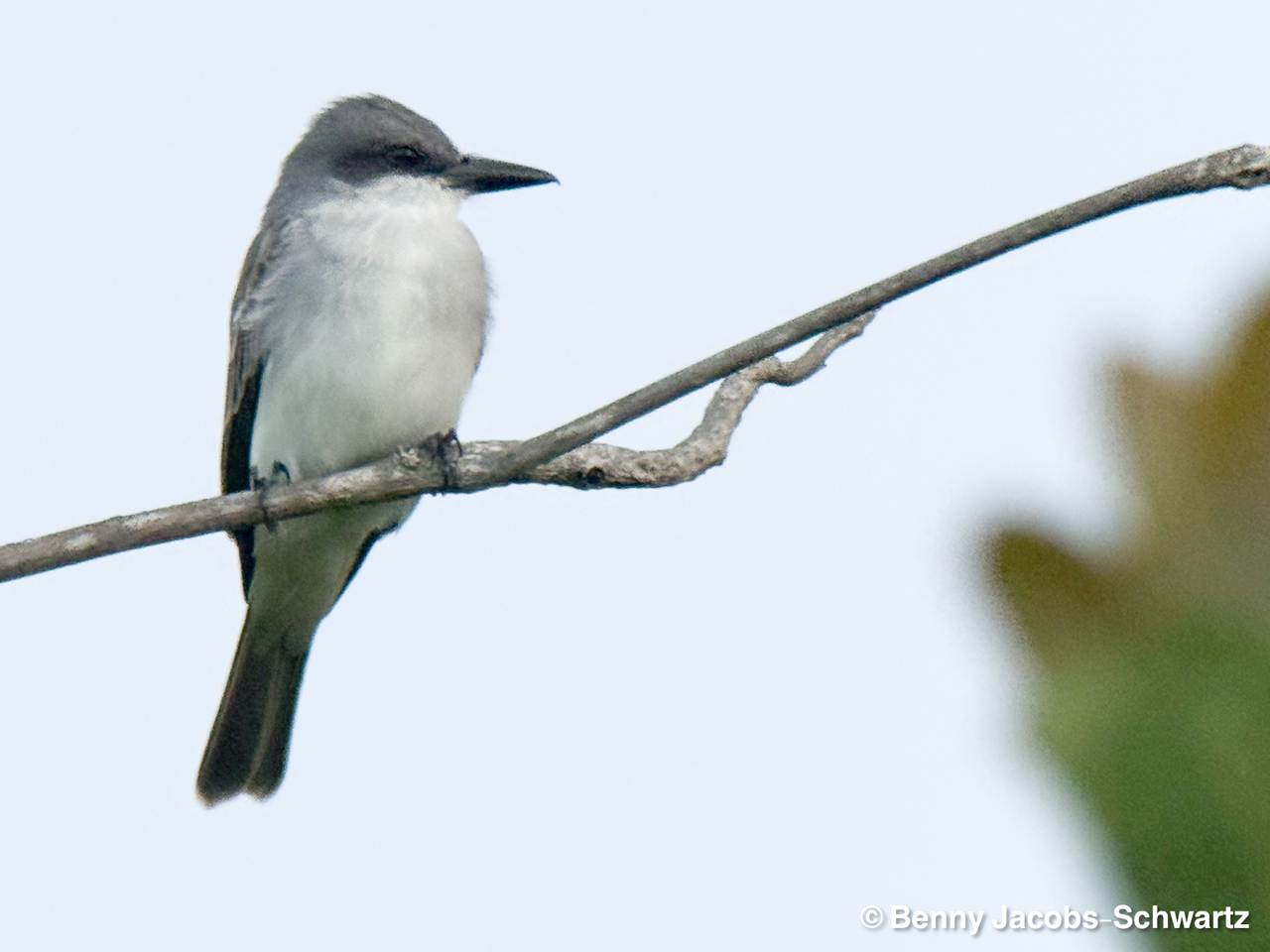
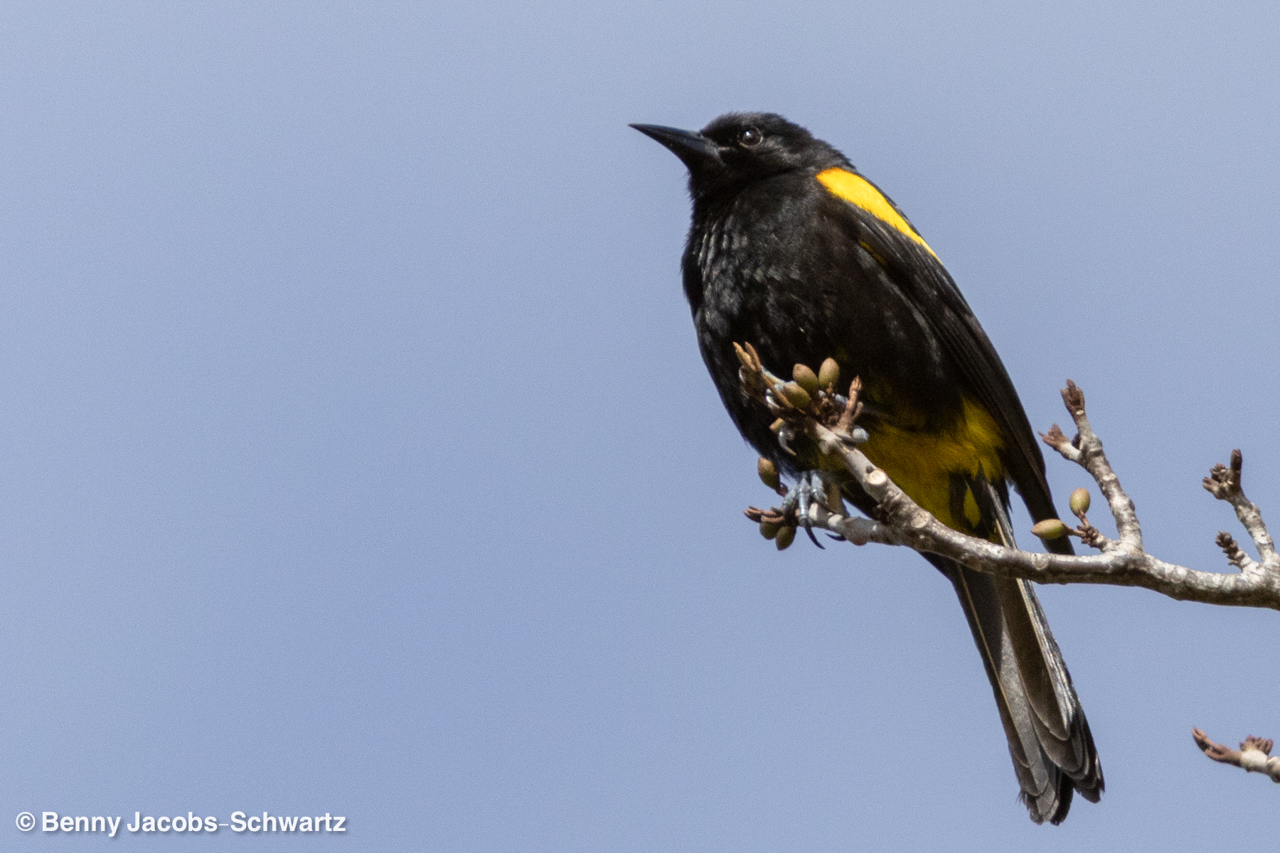
The day ended in the La Parguera mangroves, where the team observed the endangered Yellow-shouldered Blackbird. Once common, this species has been heavily impacted by brood parasitism from the Shiny Cowbird. Conservation efforts, including the provision of protected nesting boxes, have stabilized the population. As night fell, the team recorded the vocalizations of the Puerto Rican Nightjar, a species once thought to be extinct until its rediscovery in 1961.
High-Altitude Observations in the Maricao Mountains
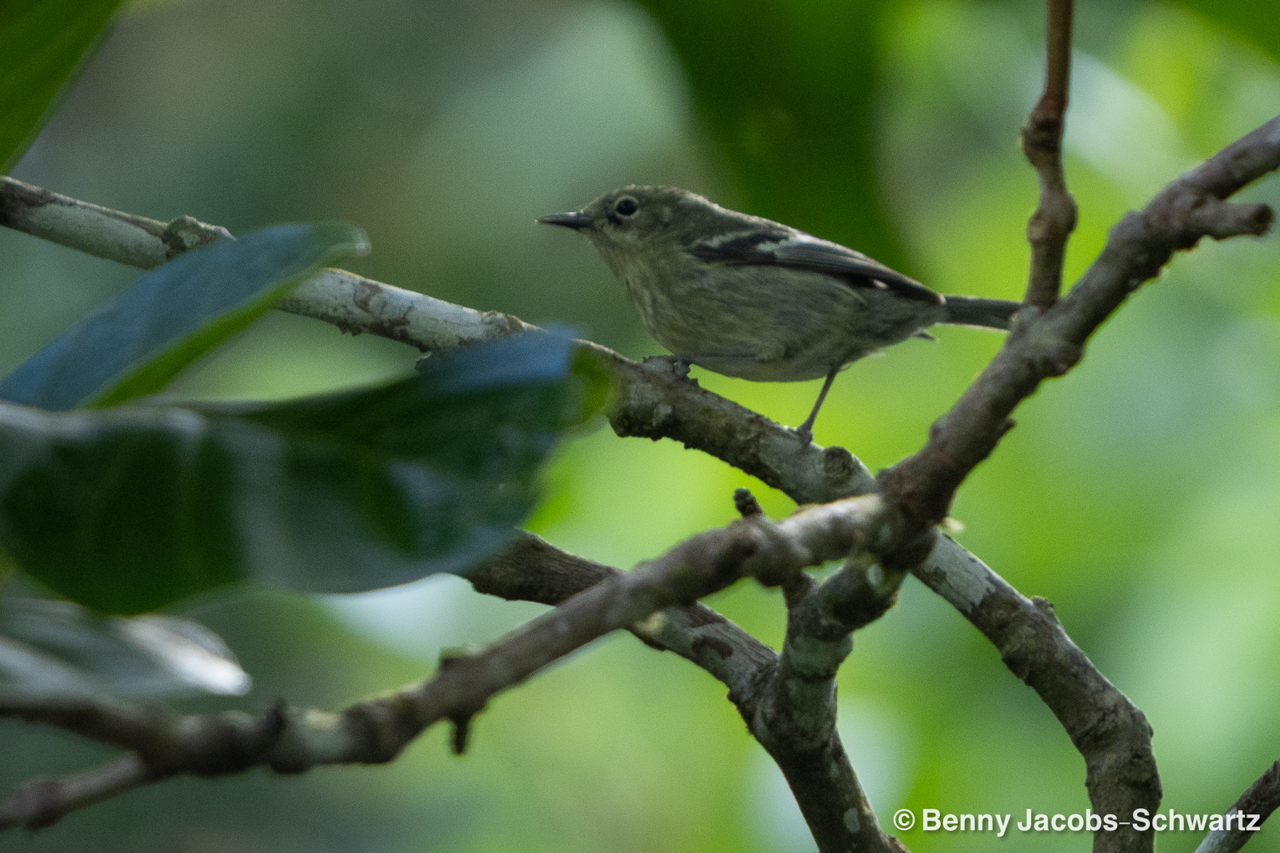
On March 6, the expedition ascended the Maricao Mountains to survey high-altitude specialists. The Maricao State Forest is renowned for its unique "serpentine" soil and elfin woodland habitat. The primary target was the Elfin Woods Warbler (Setophaga angelae), a species first described only in 1971. The team documented four individuals, a significant sighting given the species’ restricted range and vulnerability to habitat loss.
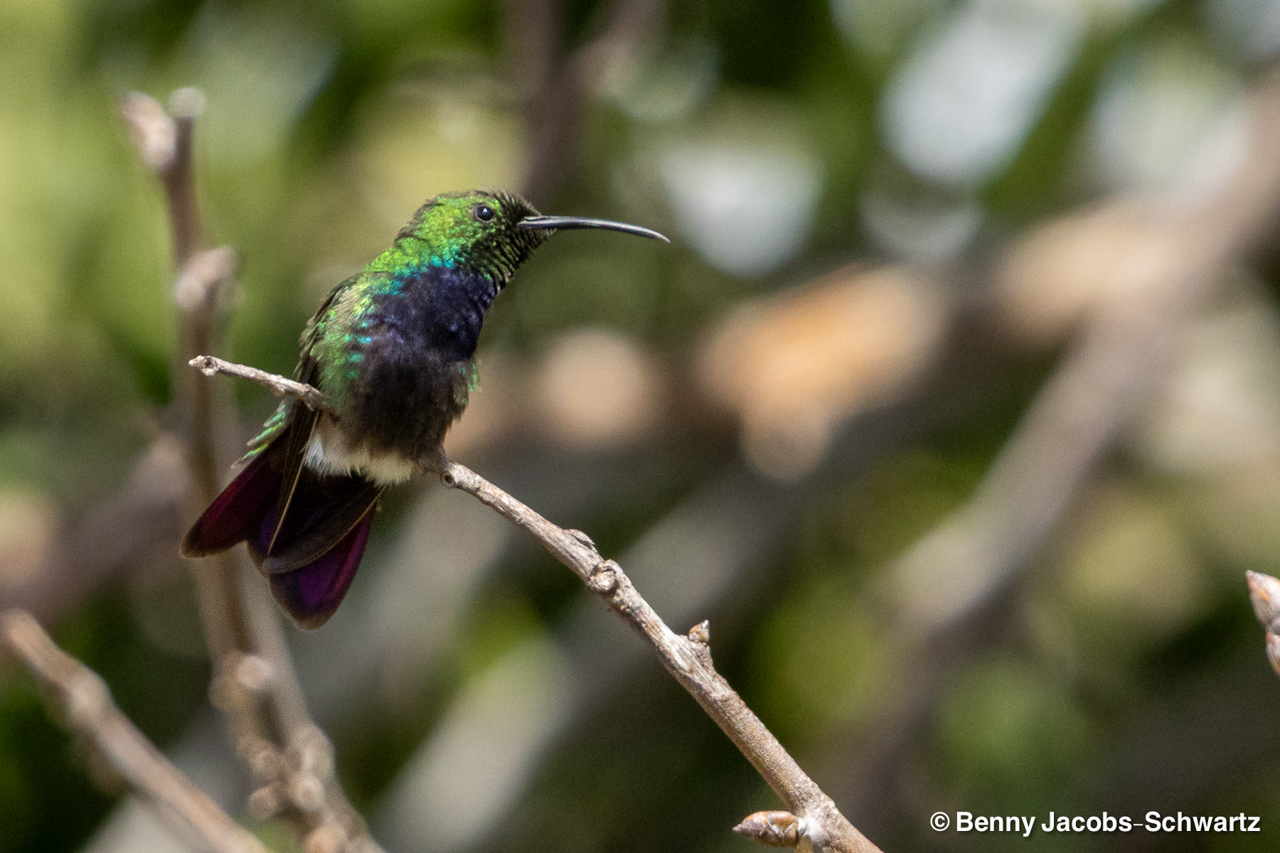
Other high-altitude endemics recorded included the Puerto Rican Tanager—which genetic studies have recently suggested is not a true tanager but belongs to its own distinct family—and the Puerto Rican Chlorophonia. A Green Mango hummingbird was also observed on its nest, providing rare data on the breeding cycle of this mountain-dwelling species.
The afternoon returned to the lowlands of La Parguera for a survey of dry forest restoration sites. These areas, dominated by mesquite and native hardwoods, hosted Mangrove Cuckoos and Caribbean Elaenias. The day concluded with a brief but successful sighting of the Puerto Rican Owl, confirmed through its distinct vocal repertoire.
The Dry Forest of Guánica and the Eastern Rainforest
The final days of the expedition targeted the extremes of Puerto Rico’s environmental spectrum. On March 7, the team entered the Guánica State Forest, a United Nations-designated International Biosphere Reserve. As one of the best-preserved tropical dry forests in the world, Guánica is a critical habitat for the Key West Quail-Dove and the Lesser Antillean Pewee. While the Quail-Dove remained elusive, the Pewee was documented in the Boquerón Wildlife Refuge.
The survey of the Boquerón lagoons revealed a robust population of Caribbean Martins, which migrate to the island for the nesting season. The presence of these migratory birds, alongside year-round residents like the Pied-billed Grebe and Ruddy Duck, highlights the island’s role as a vital link in the Atlantic Flyway.
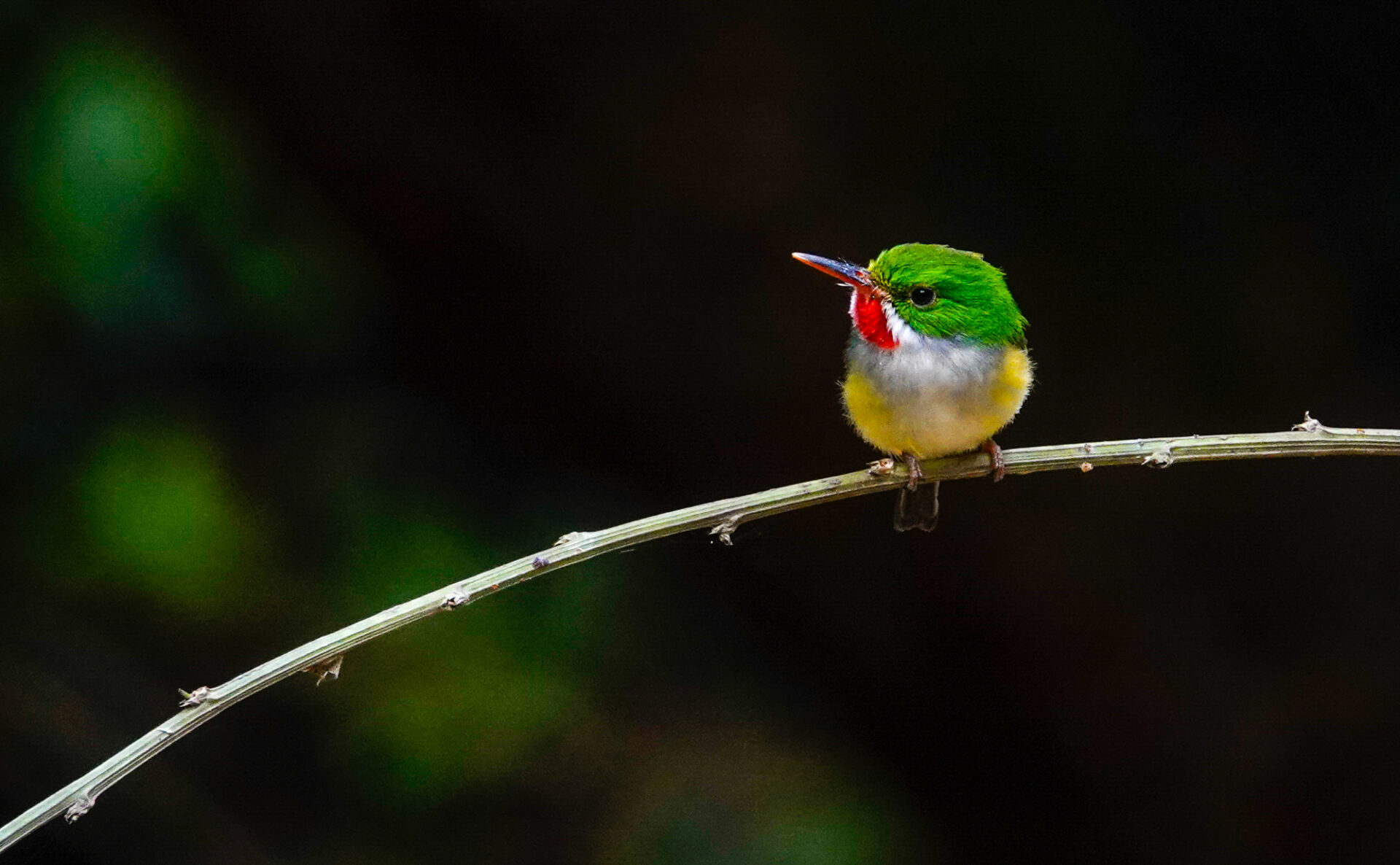
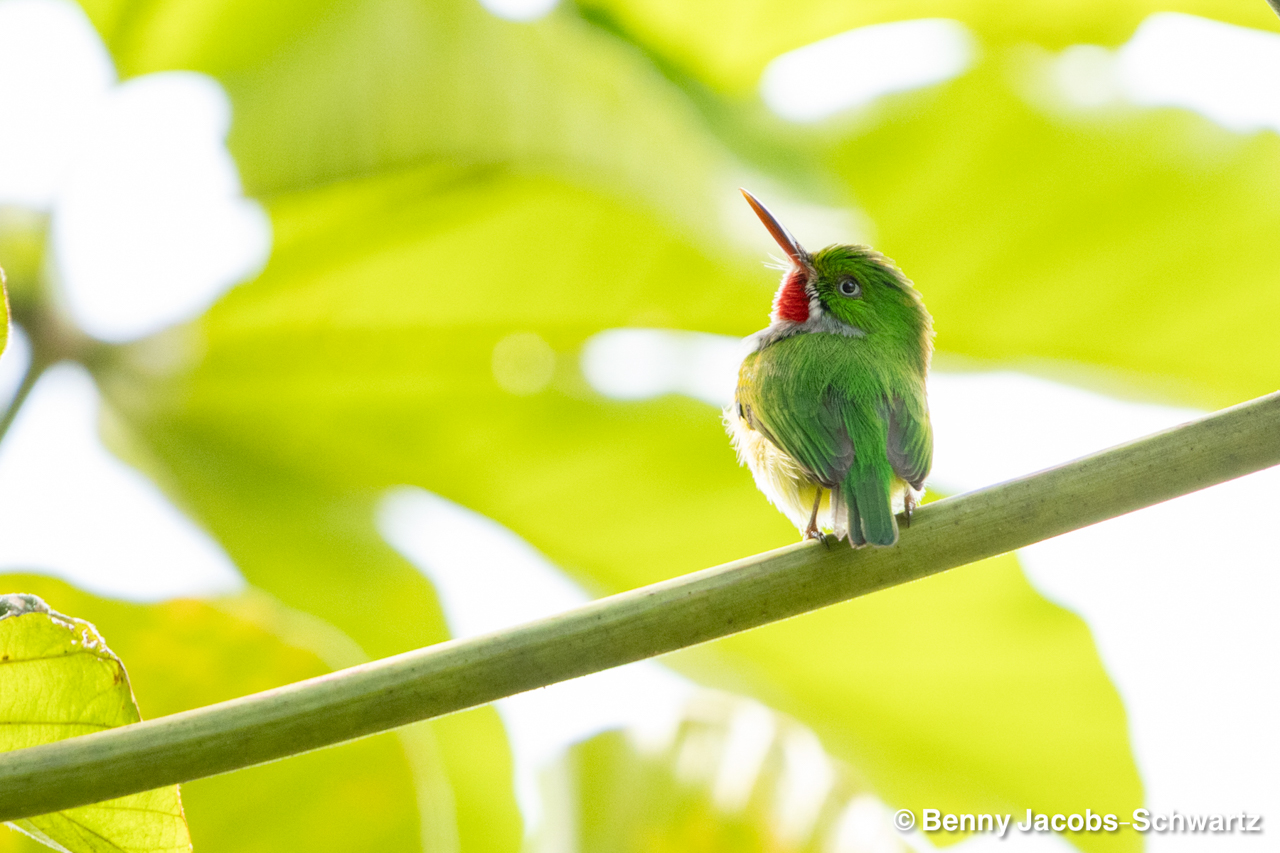
The expedition concluded on March 8 and 9 with a survey of the eastern Ecological Corridor and El Yunque National Forest. El Yunque, the only tropical rainforest in the U.S. National Forest System, receives over 200 inches of rain annually. Here, the team documented the Puerto Rican Spindalis and the Puerto Rican Tody, a tiny, vibrant green bird that nests in earthen burrows.
In a surprising conclusion to the wetland surveys, the team identified six American Flamingos at the Medio Mundo y Daguao Nature Reserve. While flamingos were historically common in Puerto Rico, they were extirpated in the mid-20th century. The recent sightings suggest a possible natural recolonization from neighboring Caribbean islands or the success of regional conservation efforts.
Analysis of Implications and Conservation Status
The recording of 126 species is a testament to the biological richness of Puerto Rico, but it also serves as a call for continued vigilance. The data gathered during this expedition provides a snapshot of an ecosystem in transition.
1. Success of Targeted Recovery Programs:
The sightings of the Puerto Rican Amazon and the Yellow-shouldered Blackbird are direct evidence that intensive management can prevent extinction. The expansion of these populations into secondary habitats is a primary goal for the next decade of conservation.
2. The Impact of Climate Change:
While the species count was high, researchers noted that the timing of certain migratory arrivals and the nesting behaviors of endemics like the Green Mango may be shifting in response to changing precipitation patterns. The high rainfall in El Yunque versus the prolonged dry spells in Guánica creates a precarious balance for species that rely on specific moisture levels.
3. Ecotourism as a Conservation Tool:
The expedition highlights the growing importance of birding ecotourism in Puerto Rico. By documenting rare species and sharing findings through platforms like eBird, the birding community contributes to a "citizen science" database that informs government policy and land-use decisions.
4. The Challenge of Invasive Species:
The abundance of introduced parakeets, macaws, and finches poses a complex challenge. While they add to the "species count," their competition with endemics for nesting sites and food sources remains a primary concern for forest managers.
Conclusion
The 2026 Puerto Rico birding expedition has set a new benchmark for avian documentation on the island. With 126 species recorded, including critical endemics and rare migrants like the Masked Duck and American Flamingo, the survey confirms that Puerto Rico remains a vital sanctuary for Caribbean biodiversity. The findings will be integrated into the broader eBird database and shared with local conservation authorities to help shape the future of the island’s environmental protections. As the expedition members departed from San Juan, the consensus among the scientific community was clear: while the recovery of Puerto Rico’s avian life is well underway, the preservation of its unique habitats remains a task of global importance.
