
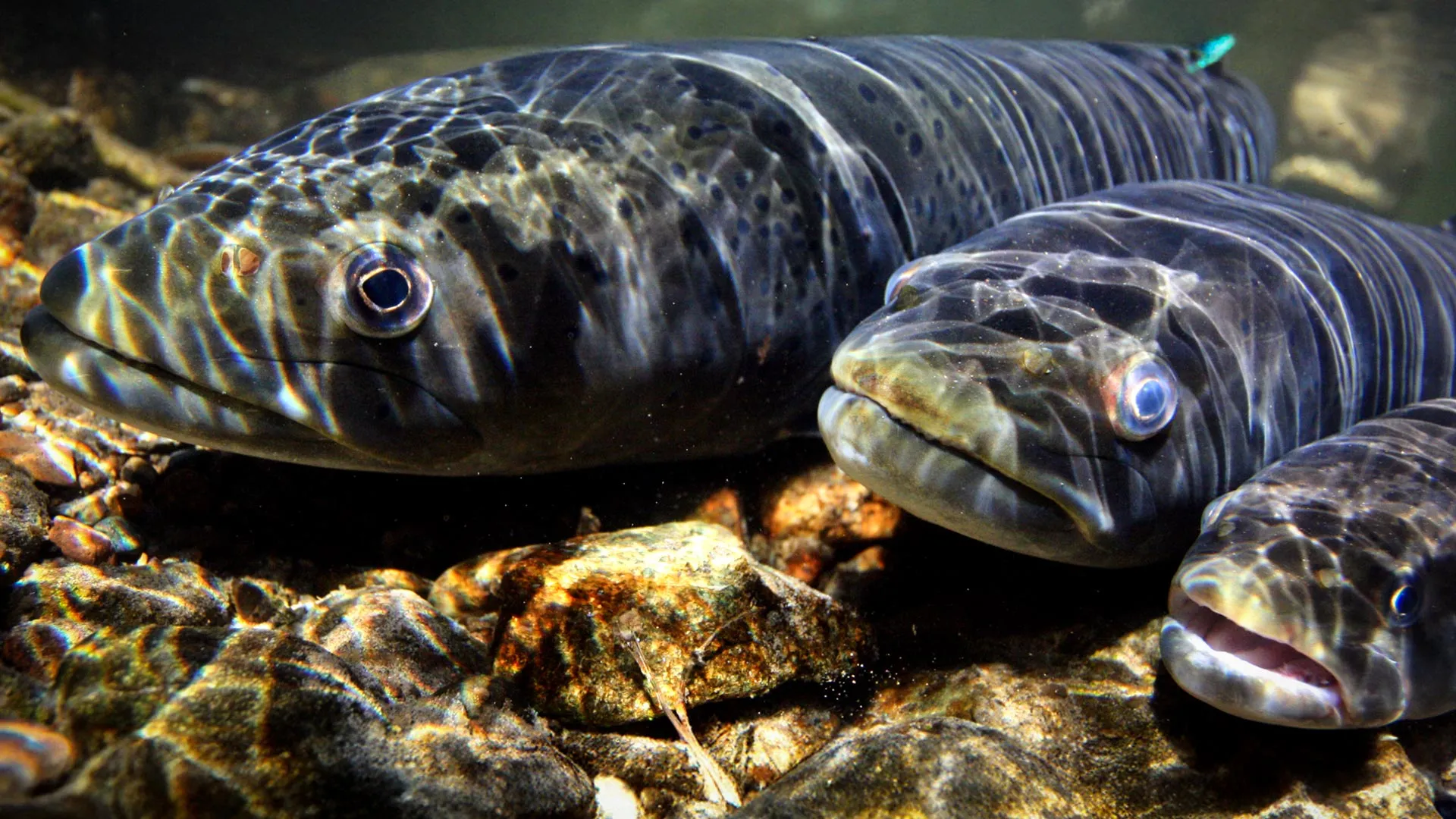
Some of the longest and most essential animal migrations on Earth take place beneath the surface of rivers, a hidden world of critical ecological processes now facing rapid breakdown. A major new report from the Convention on the Conservation of Migratory Species of Wild Animals (CMS), a United Nations environmental treaty, has issued a stark warning that these vital journeys are being catastrophically disrupted, signaling a largely overlooked biodiversity crisis with profound implications for global ecosystems, food security, and human livelihoods.
Released during the high-profile CMS 15th Meeting of the Conference of the Parties (COP15) in Samarkand, Uzbekistan, the "Global Assessment of Migratory Freshwater Fishes" paints a grim picture. The comprehensive report identifies migratory freshwater fish as among the most threatened species worldwide, their rapid decline jeopardizing the health of riverine ecosystems, undermining major inland fisheries, and threatening the food and economic security of hundreds of millions of people who depend on them.
A Silent Crisis Unfolding: The Scale of the Decline
The assessment underscores the alarming rate at which these crucial species are vanishing. Globally, populations of migratory freshwater fish have plummeted by an estimated 81% since 1970. This staggering figure far outpaces declines observed in terrestrial or marine ecosystems, yet the plight of freshwater species has historically received comparatively little global attention. Of the 58 migratory fish species (encompassing both freshwater and saltwater varieties) already listed under the CMS Appendices, a shocking 97% are now classified as threatened with extinction. This highlights a pervasive and accelerating trend that demands immediate and coordinated international action.
These fish are inherently vulnerable due to their life cycles, which depend on long, uninterrupted river pathways. These pathways connect diverse habitats, linking distant spawning grounds, vital feeding areas, and crucial floodplain nurseries. Often, these journeys span thousands of kilometers and traverse multiple national borders, making them highly susceptible to disruptions from human activities. When dams obstruct their routes, altered water flows disorient them, pollution contaminates their habitats, or overfishing depletes their numbers, populations can collapse with startling speed. The cumulative impact of these pressures, exacerbated by climate-related ecosystem changes, is pushing many species to the brink.
Identifying Species in Peril: A Call for Global Protection
The CMS report serves as a definitive call to action, highlighting hundreds of migratory fish species that urgently require coordinated international conservation efforts. Drawing on extensive global datasets and meticulous IUCN assessments of nearly 15,000 freshwater fish species, it provides the most comprehensive overview to date of the conservation challenges confronting migratory freshwater fish. In total, 325 distinct migratory freshwater fish species have been identified as prime candidates for international conservation interventions, pointing to a widespread biodiversity crisis that has long been overlooked across shared river systems.
These species are proposed for listing under the Convention’s Appendices I and II. Appendix I confers strict protection to species facing an immediate threat of extinction, prohibiting their take and requiring range states to conserve their habitats. Appendix II calls for international cooperation to conserve migratory species that have an unfavorable conservation status or would benefit significantly from international agreements. The current 24 species already listed underscore the existing recognition of this issue, but the new assessment dramatically expands the scope of required action.
Geographic Hotspots: Priority River Systems for Intervention
The report pinpoints several key river systems globally that are identified as priorities for conservation, representing critical arteries for freshwater biodiversity. These include the iconic Amazon and La Plata-Paraná systems in South America, the Danube in Europe, the Mekong in Asia, Africa’s Nile, and the Indian sub-continent’s Ganges-Brahmaputra. The transboundary nature of these vast river basins means that conservation success hinges on robust cooperation among all nations sharing these waterways. The challenges in these regions are immense, ranging from extensive dam construction and hydropower development to widespread pollution from agriculture and industry, and the ever-present threat of illegal and unsustainable fishing practices.
While a detailed regional breakdown of the 325 candidate species was not fully enumerated in the initial release, the implication is clear: every major continental landmass with significant river systems hosts species in urgent need of protection. For instance, the Americas, with its vast river networks like the Amazon and Mississippi, contributes significantly to this list. Asia, home to the Mekong, Ganges, and Yangtze, faces immense pressure from development and damming, rendering many of its migratory species vulnerable. Europe, with its historic Rhine and Danube rivers, also sees species struggling against habitat fragmentation and pollution. Africa’s Nile and Congo basins, while still retaining some biodiversity, are increasingly under threat from infrastructure projects and climate change.
The Amazon Basin: A Critical Stronghold Under Threat
The COP15 event, hosted by Brazil, brought particular focus to South America’s largest river systems: the Amazon and La Plata-Paraná. The Amazon Basin, in particular, stands as one of the last major strongholds for migratory freshwater fish, boasting unparalleled biodiversity. However, this status is increasingly precarious due due to mounting development pressures, including deforestation, mining, and the proliferation of hydroelectric dams.
A compelling case study released alongside the global assessment specifically identified 20 migratory fish species within the Amazon that meet the criteria for potential CMS Appendix II listing. These long-distance migratory species are not just ecological marvels; they are central to regional fisheries, constituting approximately 93% of total landings and supporting an industry valued at an estimated US$436 million annually. The economic and social fabric of communities throughout the Amazon Basin is deeply intertwined with the health of these fish populations.
Among these remarkable species is the dorado (gilded) catfish (Brachyplatystoma rousseauxii), a bottom-dwelling giant distinguished by its metallic gold/silver coloring and impressive size, capable of reaching up to 2 meters (6.5 feet) in length. This species undertakes what is known as the longest freshwater migration of any fish on Earth, a monumental journey spanning 11,000 kilometers. Its life cycle involves traversing from the Andean headwaters, down through the vast Amazon mainstem, to distant coastal nursery areas, a feat of endurance that exemplifies the intricate connectivity of the river system.
In response to this urgent situation, Brazil and other regional countries are proposing a Multi-species Action Plan for Amazonian Migratory Catfish (2026-2036). This ambitious initiative, developed through extensive regional cooperation, aims to strengthen conservation efforts for these ecologically and economically vital species. Furthermore, Brazil has specifically proposed adding the spotted sorubim catfish (Pseudoplatystoma corruscans) to CMS Appendix II. This proposal emphasizes the critical need for coordinated action in the La Plata Basin, where these fish face severe threats from dams, altered water flows, and intensive fishing pressure. These initiatives collectively represent some of the most ambitious international efforts to safeguard migratory freshwater fish, reinforcing the central CMS principle that conservation solutions must span the entire geographic range of migratory species and depend on robust inter-state cooperation.
Practical Pathways for Conservation: Immediate Steps for Governments
The report is not merely a diagnostic tool; it also outlines practical, actionable steps that governments can implement immediately to reverse these devastating trends. These include:
- Removing or Mitigating Barriers: Prioritizing the removal of obsolete dams and other in-river barriers, and implementing effective fish passages (e.g., fish ladders, nature-like bypasses) where barriers are essential.
- Restoring Critical Habitats: Undertaking large-scale habitat restoration projects, focusing on spawning grounds, nursery areas, and migratory corridors, including riparian zones and floodplains.
- Reducing Pollution: Implementing stringent regulations and enforcement to curb industrial, agricultural, and municipal pollution that degrades water quality and harms fish populations.
- Sustainable Fisheries Management: Developing and enforcing science-based fishing quotas, establishing protected areas, and promoting responsible fishing practices to prevent overexploitation.
- Strengthening Transboundary Cooperation: Establishing and fortifying international agreements and joint management bodies for shared river basins to ensure coordinated conservation efforts across borders.
- Integrating Climate Change Adaptation: Developing strategies to mitigate the impacts of climate change on freshwater ecosystems, such as managing water temperatures and ensuring adequate water flows during droughts.
- Promoting Awareness and Research: Investing in scientific research to better understand migratory patterns and threats, and raising public awareness about the ecological and economic importance of these species.
Voices from the Frontline: Experts Call for Coordinated Global Action
The gravity of the situation was underscored by statements from leading experts involved in the assessment and the CMS.
Dr. Zeb Hogan, the lead author of the report and a renowned fish biologist, articulated the urgency: "Many of the world’s great wildlife migrations take place underwater. This assessment shows that migratory freshwater fish are in serious trouble, and that protecting them will require countries to work together to keep rivers connected, productive, and full of life." His words highlight the often-unseen drama of these aquatic journeys and the collective responsibility required for their survival.
Amy Fraenkel, Executive Secretary of CMS, emphasized the strategic importance of the report within the broader conservation agenda: "This new assessment highlights a major priority for the conservation of migratory species and their habitats, that has not had adequate focus to date. By aligning science, policy and international cooperation, governments can safeguard the world’s remaining great freshwater fish migrations and the communities and ecosystems that depend on them." Her statement underscores the CMS’s role in translating scientific findings into tangible policy action.
Michele Thieme, Vice President and Deputy Lead of Freshwater at the World Wildlife Fund-US, echoed the sentiment of interconnectedness and urgency: "Rivers don’t recognize borders – and neither do the fish that depend on them. The crisis unfolding beneath our waterways is far more severe than most people realize, and we are running out of time. Rivers need to be managed as connected systems, with coordination across borders, and investments in basin-wide solutions now before these migrations are lost forever." Her passionate plea reinforces the need for a paradigm shift in how humanity perceives and manages its most vital freshwater resources.
Broader Implications: Beyond the Fish
The decline of migratory freshwater fish carries far-reaching implications that extend beyond the species themselves.
- Ecological Cascades: The loss of these fish can trigger cascading effects throughout riverine food webs. Many migratory species are keystone components of their ecosystems, acting as both predators and prey, and playing roles in nutrient cycling and sediment transport. Their disappearance can disrupt the delicate balance, affecting other aquatic life, birds, and even terrestrial mammals that rely on them for food.
- Economic Collapse and Food Insecurity: Inland fisheries, particularly in developing nations, are a crucial source of protein and income for millions. The collapse of migratory fish populations directly translates into the collapse of these fisheries, leading to widespread food insecurity, unemployment, and increased poverty in communities that often have few alternative livelihoods. The US$436 million Amazonian catfish industry is just one example of the vast economic stakes.
- Cultural Loss: For many indigenous and local communities, fishing is not just an economic activity but a deeply ingrained cultural practice, passed down through generations. The disappearance of fish species can mean the erosion of traditional knowledge, rituals, and ways of life, leading to significant social and cultural disruption.
- Water Security and Governance: The crisis highlights fundamental flaws in current water resource management. Rivers are often managed in fragmented ways, prioritizing national interests or specific sectors (e.g., hydropower, irrigation) over the holistic health of the basin. The report implicitly calls for integrated water resource management, emphasizing transboundary cooperation, equitable water sharing, and ecological flow requirements.
- Policy and Investment Gaps: The "largely overlooked" nature of this crisis points to significant policy and investment gaps. There is an urgent need for increased funding for freshwater conservation, stronger international legal frameworks, and innovative financial mechanisms to support river restoration and sustainable management practices.
In conclusion, the "Global Assessment of Migratory Freshwater Fishes" is more than a scientific report; it is a profound alarm bell, warning humanity of an accelerating ecological catastrophe unfolding beneath the water’s surface. The rapid breakdown of these essential migrations demands an unprecedented level of global attention, political will, and concerted action. The future of our rivers, the biodiversity they harbor, and the hundreds of millions of people who depend on them, now hangs in the balance. The time for viewing rivers as disconnected national waterways is over; they must be managed as the integrated, living systems they are, before these vital migrations are lost forever.
