
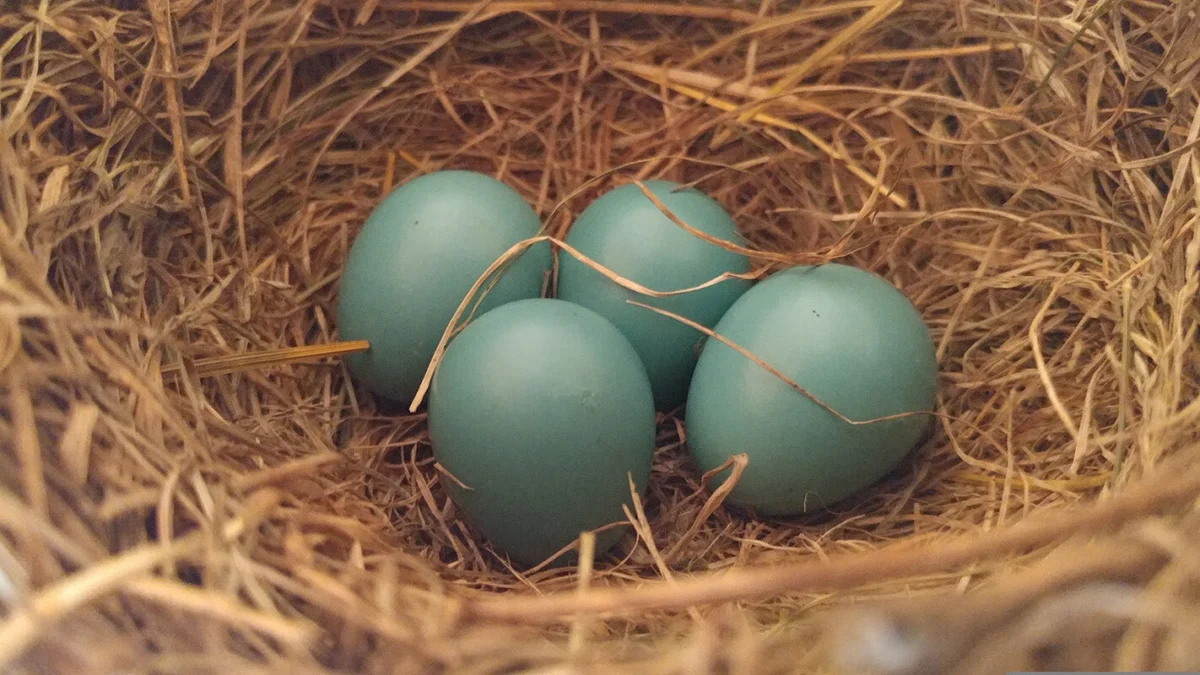
As the vernal equinox ushers in spring, a familiar and whimsical tradition takes hold: the notion that rabbits, not birds, are the purveyors of colorful eggs hidden for children to discover. This charming, albeit biologically inaccurate, narrative of the Easter Bunny has captured imaginations for generations. Yet, beneath this beloved folklore lies a far more ancient and scientifically profound reality: birds, the true experts in oviparous reproduction, have been crafting a breathtaking array of eggs for millions of years, their vibrant hues and intricate designs serving crucial biological purposes. While the Easter Bunny’s painted shells are a product of human artistry, avian eggs are testament to nature’s evolutionary brilliance, a silent symphony of color, form, and survival.
The Undeniable Artistry of Bird Eggs
The diversity of bird eggs is staggering, far surpassing the uniform palettes of our manufactured holiday decorations. While the common perception might lean towards the stark white of chicken eggs, a deeper exploration reveals a spectrum of colors that would rival any artist’s palette. Websites dedicated to ornithology, such as Birdfly.com, highlight the existence of at least 26 distinct bird species known to lay blue eggs. This phenomenon is particularly intriguing, as only a small fraction of these species themselves exhibit blue plumage. The Cornell Lab of Ornithology’s "All About Birds" platform further illuminates this natural artistry, showcasing eggs that range from the deepest, most opulent blues to shades that evoke the rich tones of melted chocolate. In stark contrast, many parrot species, known for their vibrant feathers, exclusively lay matte white eggs, underscoring the varied evolutionary strategies at play.
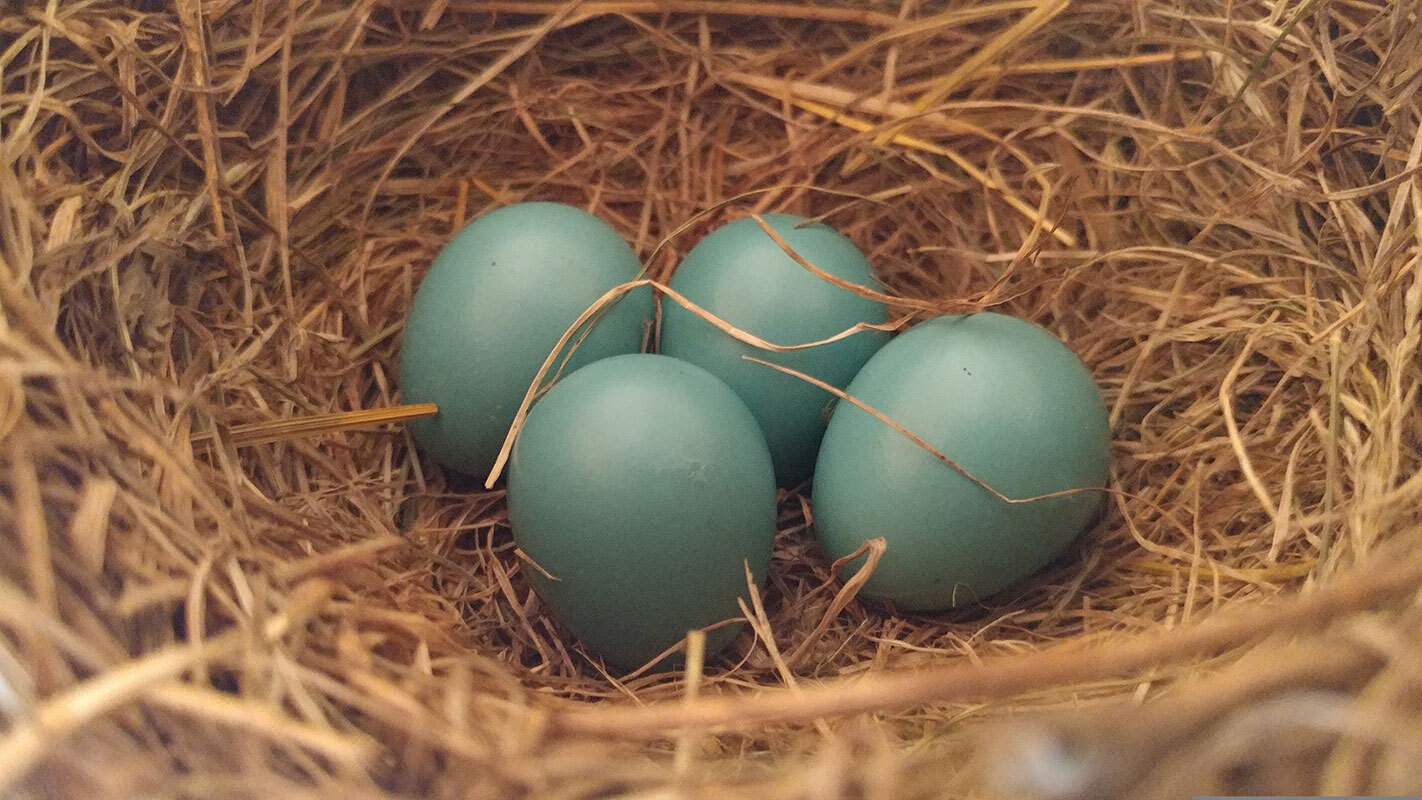
The biological underpinnings of this chromatic diversity are as fascinating as the colors themselves. Eggshell coloration is not merely an aesthetic choice; it is a finely tuned evolutionary adaptation. One primary function is camouflage. Many bird species strategically lay eggs that blend seamlessly with their nesting environment, whether it be the dappled sunlight of a forest floor, the earthy tones of a rocky outcrop, or the woven materials of a meticulously constructed nest. This visual deception is a critical defense mechanism against predators, making it harder for them to locate and consume the precious clutch. Beyond camouflage, egg color can also serve as an indicator of the parent bird’s health and vitality. Studies suggest that the intensity and quality of an egg’s coloration may correlate with the nutritional status and overall fitness of the breeding female, potentially signaling to a mate or even influencing the offspring’s development.
The Science Behind Egg Shape and Coloration
The functional significance of bird eggs extends beyond their visual appeal. Their shapes and patterns are as varied as the avian species that produce them, each form optimized for specific ecological niches and reproductive strategies. Recent scientific inquiry, as reported by Harvard Magazine, delves into the biophysics governing egg shape. This research proposes a compelling link between a bird’s flight capabilities and the morphology of its eggs. Species that are strong, agile flyers tend to lay more elliptical or pointed eggs. This shape is theorized to be more stable during flight and less prone to rolling out of the nest. Conversely, birds with weaker flight capabilities often produce rounder eggs. Further investigation using biophysical models has demonstrated that the interplay between the eggshell membrane and internal pressure plays a significant role in creating the full spectrum of natural egg shapes observed across avian species.
In addition to shape, temperature also appears to influence egg pigmentation. Research highlighted in Science News has revealed a correlation between colder climates and darker egg coloration in certain bird species. This evolutionary adaptation is believed to enhance the absorption of solar radiation, providing a crucial thermal advantage for developing embryos in frigid environments. The darker shells act as miniature solar collectors, helping to maintain a stable and conducive temperature for incubation, thereby increasing the chances of successful hatching and survival. This finding underscores the profound impact of environmental pressures on the evolution of seemingly simple biological structures.
Tracing the Origins of the Egg-Laying Rabbit Myth
While birds are undoubtedly the natural architects of colorful eggs, the popular association of egg-laying with rabbits is a cultural construct with deep historical roots. The legend of the Easter Bunny, a creature that bestows brightly colored eggs upon children, traces its origins to pre-Christian pagan traditions in Europe, particularly in Germany. These ancient festivals celebrated fertility and the arrival of spring, and rabbits, with their remarkable reproductive rates, were a potent symbol of these themes.
The figure of the "Osterhase" or Easter Hare emerged in German folklore, reportedly as early as the 17th century. This mythical hare was envisioned as a benevolent judge who would deliver colored eggs to well-behaved children. This tradition was carried to North America by German immigrants, where it gradually evolved into the more familiar image of the Easter Bunny. The hare’s association with fertility, a key aspect of springtime renewal, made it a natural fit for the burgeoning Easter celebrations. The practice of decorating and hiding eggs, while attributed to the rabbit, ultimately draws upon the universal symbolism of rebirth and new life inherent in the egg itself.
Beyond the Myth: The Shared Nesting Instinct
Despite the stark biological differences in their reproductive output, rabbits and birds share a fundamental instinct: the creation of nests. While a bird’s nest is often an intricate, arboreal structure, and a rabbit’s is a more rudimentary, terrestrial burrow, both serve the essential purpose of providing a safe and nurturing environment for their young.

Rabbit nests, known as "forms," are typically shallow depressions dug into the ground. The mother rabbit meticulously lines this cavity with soft fur, which she plucks from her own body, interspersed with dried grasses and leaves. This creates a surprisingly warm and insulated sanctuary for her kits, the official term for baby rabbits. However, the mother rabbit’s presence at the nest is deliberately minimal. To avoid attracting predators, she typically visits only once or twice a day, primarily at dawn and dusk, for brief feeding sessions. This strategy of infrequent, discreet visits is crucial for the survival of her vulnerable offspring.
The Enduring Significance of Avian Eggs
The contrast between the fantastical Easter Bunny and the scientifically marveling avian egg highlights a broader appreciation for the natural world. Birds, through their millennia-long evolutionary journey, have perfected the art of egg production, crafting objects of both profound beauty and essential biological function. Their eggs are not merely vessels for new life but are intricate marvels of adaptation, shaped by selective pressures related to predation, climate, and flight.
The study of bird eggs continues to reveal new insights into avian biology and evolutionary history. From the molecular composition of eggshells to the genetic factors influencing coloration and the biophysical forces dictating shape, each discovery deepens our understanding of these extraordinary natural phenomena. As we continue to unravel the complexities of avian reproduction, the humble egg stands as a powerful reminder of the ingenuity and resilience of life on Earth, a testament to nature’s enduring artistry that far surpasses any human-made tradition. The vibrant blues, the camouflaged browns, the perfectly sculpted ovals—these are the true wonders of the egg world, waiting to be observed and appreciated beyond the realm of playful folklore.
