
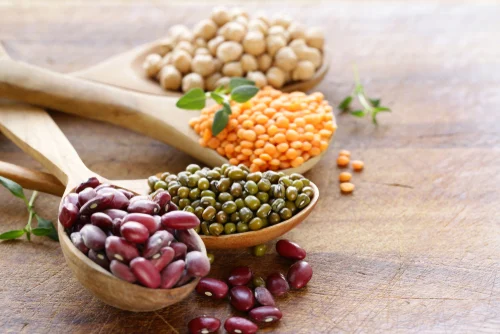
The rising popularity of backyard chicken keeping has brought a renewed focus on avian nutrition, yet it has also highlighted a significant and often overlooked danger lurking in the kitchen pantry: raw dried beans. While legumes are a staple of many human diets, containing high levels of protein and fiber, they harbor a potent natural toxin known as phytohaemagglutinin (PHA), a type of lectin. For poultry, the ingestion of even a small quantity of raw or undercooked dried beans can be catastrophic, leading to severe gastrointestinal distress or rapid mortality. Agricultural experts and avian veterinarians are increasingly sounding the alarm, noting that as few as three to four raw kidney beans can prove fatal to an adult chicken within hours. This hidden threat necessitates a comprehensive understanding of legume biochemistry, the physiological response of the avian digestive system, and the rigorous preparation methods required to render these foods safe for consumption.
The Biochemistry of Phytohaemagglutinin: Nature’s Defense Mechanism
Phytohaemagglutinin is a sugar-binding protein, or lectin, that occurs naturally in many plant species, most notably in legumes. From an evolutionary perspective, PHA serves as a natural insecticide and antifungal agent, protecting the seeds from being consumed by pests or destroyed by soil pathogens. While many plants contain trace amounts of lectins, certain varieties of beans—particularly the Red Kidney bean (Phaseolus vulgaris)—contain exceptionally high concentrations.
In its raw state, PHA acts by binding to the carbohydrate portions of the cells lining the digestive tract. In humans, this interferes with cellular metabolism and nutrient absorption, but in chickens, the reaction is significantly more acute. The avian digestive system is designed for rapid processing of grains and seeds; however, the presence of PHA causes the red blood cells to clump together (agglutination). This biochemical reaction disrupts the integrity of the intestinal mucosa, leading to a breakdown in the bird’s ability to regulate fluid balance and absorb essential nutrients.

Data from toxicological studies indicate that the concentration of PHA is measured in hemagglutinating units (hau). Raw red kidney beans can contain between 20,000 and 70,000 hau, whereas fully cooked beans contain only 200 to 400 hau. This massive disparity underscores why heat treatment is not merely a suggestion but a life-saving requirement.
The Lethal Threshold and Pathological Progression
The vulnerability of chickens to PHA toxicity is a matter of both body mass and metabolic rate. Because chickens are relatively small animals with high metabolic demands, the introduction of a potent toxin like lectin moves through their system with alarming speed. Clinical observations from poultry experts indicate a specific chronology of symptoms following the ingestion of raw dried beans.
Within one to three hours of ingestion, an affected chicken may begin to show signs of lethargy and ruffled feathers. This is followed by the onset of severe gastrointestinal distress. Because chickens lack a diaphragm and have a unique digestive structure including the crop, proventriculus, and gizzard, the toxin remains concentrated as it moves through the upper digestive tract. Symptoms typically progress to extreme nausea—manifesting as a lack of interest in high-value treats—and projectile diarrhea.
In many cases, the progression from ingestion to death is so rapid that the owner may not observe clinical symptoms until the bird is in a state of shock. The lethal dose is shockingly low; as few as three or four raw beans can cause total organ failure in a standard-sized hen. The toxin causes extensive damage to the intestinal villi, leading to internal hemorrhaging and a complete collapse of the circulatory system due to red blood cell agglutination.

The "Slow Cooker" Trap and the Science of Neutralization
One of the most dangerous misconceptions regarding bean preparation involves the use of slow cookers or low-heat methods. Scientific analysis has revealed that heating beans to only 80°C (176°F)—a common temperature for slow cookers—does not destroy the toxin. On the contrary, research suggests that undercooking beans at these lower temperatures can actually increase the toxicity of the PHA by as much as five times.
To effectively neutralize phytohaemagglutinin, a specific and rigorous protocol must be followed. The beans must first be soaked in water for at least five to twelve hours. This process begins the breakdown of the lectins and softens the seed coat. Crucially, the soaking water must be drained and discarded, as it contains leached toxins. The beans must then be rinsed thoroughly in fresh water.
The final and most critical step is boiling. The beans must be placed in fresh water and brought to a rolling boil (100°C/212°F) for a minimum of ten to thirty minutes. Only after this high-heat threshold is met can the beans be simmered until tender. For poultry owners, the margin for error is non-existent; any deviation from this high-heat boiling process leaves the birds at risk of poisoning.
Varietal Differences: From Kidney Beans to Soybeans
While Red Kidney beans are the most notorious carriers of PHA, other legumes also pose risks. White kidney beans (cannellini) contain about one-third the amount of toxin found in the red variety, yet they remain dangerous enough to kill poultry if fed raw. Soybeans also contain lectins, as well as trypsin inhibitors that interfere with protein digestion in birds.

Sprouting is often cited by backyard farmers as a way to enhance the nutritional profile of seeds. While sprouting can reduce lectin levels in certain legumes like mung beans or lentils, it is insufficient for kidney beans. The internal chemistry of the kidney bean maintains dangerous levels of PHA even after germination. Therefore, the general consensus among avian nutritionists is a "blanket ban" on feeding any dried bean to chickens unless it has been subjected to the full soaking and boiling process.
Conversely, fresh legumes such as green beans, snap peas, and lima beans (when fresh or properly cooked) are generally considered safe. These varieties have significantly lower concentrations of PHA in their immature, green state. However, caution is still advised with lima beans, as they contain cyanogenic glycosides, which can release hydrogen cyanide. Like dried beans, lima beans should be thoroughly cooked to ensure safety.
Official Responses and Agricultural Guidelines
The risks associated with raw beans are well-documented by global health and agricultural organizations. The U.S. Food and Drug Administration (FDA) maintains a "Bad Bug Book" that outlines the dangers of PHA for human consumption, and these warnings are amplified by veterinary extension offices at major agricultural universities.
Dr. Brigid McCrea, a poultry specialist, and other researchers in avian science emphasize that "kitchen scraps" are a leading cause of accidental poisoning in backyard flocks. In response to the growing number of reported deaths, poultry advocacy groups are calling for clearer labeling on dried bean packaging to warn consumers about the risks to pets and livestock.

"The issue is often a lack of awareness among new hobbyists who view chickens as ‘nature’s recyclers,’" says one veterinary technician specializing in exotic and avian medicine. "While chickens can eat many things, their systems are not designed to process the concentrated toxins found in raw seeds and pulses. Education is the only way to prevent these avoidable deaths."
Broader Implications for Backyard Food Safety
The danger of raw beans highlights a broader trend in the backyard poultry movement: the need for rigorous nutritional education. As more families turn to chickens for egg production and companionship, the line between human food and animal feed has blurred. This has led to an increase in "nutritional accidents" where well-meaning owners inadvertently harm their birds.
Canned beans represent a safer alternative for those wishing to provide legumes to their flock, as the commercial canning process involves high-pressure steam and heat that effectively neutralizes PHA. However, journalists and experts note that canned beans often contain high levels of sodium, which can lead to salt poisoning or kidney issues in chickens. Rinsing canned beans thoroughly is a mandatory step to mitigate this risk.
Ultimately, the case of the raw dried bean serves as a vital lesson in avian physiology. It underscores the fact that what is "natural" is not always "safe." As the backyard farming community continues to expand, the responsibility falls on the owner to transition from a casual observer to an informed steward of animal health. By adhering to strict preparation guidelines—soaking, rinsing, and boiling—poultry keepers can ensure that their flocks remain healthy and that the benefits of supplemental feeding are never outweighed by the risks of toxicity.
