
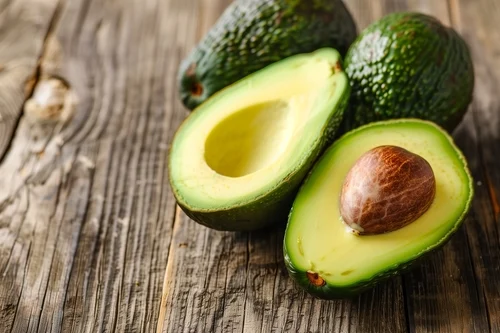
The Hidden Lethality of Avocados for Poultry and Livestock a Detailed Analysis of Persin Toxicosis is a critical concern for veterinarians and backyard poultry enthusiasts alike, as the common avocado (Persea americana), while a nutrient-dense superfood for humans, contains a fungicidal toxin known as persin that is potentially fatal to a wide array of animals. According to established veterinary guidelines, including those found in the Merck Veterinary Manual, all components of the avocado plant—including the fruit’s flesh, the central pit, the skin, and the leaves—pose a significant health risk to birds, particularly chickens and turkeys, as well as several mammalian species. This toxicity is not merely a digestive irritant but a systemic poison that can lead to rapid cardiovascular failure and death.
The Chemical Profile of Persin Toxicosis
At the heart of avocado toxicity is persin, a lipid-soluble compound structurally similar to a fatty acid. The avocado plant produces this compound as a natural defense mechanism to protect its fruit and foliage from fungal infections. While the human digestive system is capable of processing persin without ill effects, many animals lack the metabolic pathways to neutralize the toxin.

The concentration of persin varies significantly depending on the part of the plant and the specific variety of avocado. Research indicates that the leaves of the avocado tree contain the highest concentration of the toxin, followed by the bark, the skin of the fruit, and the pit. While the flesh of the fruit contains lower levels of persin compared to the leaves, it remains dangerously high for sensitive species. Notably, varieties of the "Guatemalan" lineage are frequently cited in veterinary literature as having higher toxicity levels than other cultivars, though all varieties should be treated as hazardous in a clinical or agricultural context.
The Physiological Impact on Avian Health
Birds are uniquely susceptible to the effects of persin due to their high metabolic rates and specialized cardiovascular systems. When a bird, such as a chicken or a parrot, ingests avocado, the persin is absorbed into the bloodstream and begins to target the myocardial cells (heart muscle cells). This leads to a condition known as myocardial necrosis, where the heart tissue begins to die, preventing the organ from pumping blood effectively.
The primary clinical manifestation of this damage is the accumulation of fluid around the heart (hydropericardium) and in the lungs (pulmonary edema). As the lungs fill with fluid, the bird’s ability to exchange oxygen is severely compromised. This state of hypoxia—lack of oxygen to the tissues—triggers a cascade of organ failures. Because birds have a limited ability to show signs of illness until they are in an advanced state of distress, many owners do not realize their flock has been poisoned until the birds are found dead or in the final stages of respiratory collapse.

Chronology of Toxicosis: From Ingestion to Fatality
The progression of avocado poisoning in birds is alarmingly rapid. Veterinary data suggests that even a small amount of ingestion—as little as 5% of a single avocado—can be lethal to a small bird within 24 to 48 hours. The following timeline outlines the typical progression of symptoms observed in avian species:
- Ingestion (0–6 Hours): Immediately following consumption, there may be no visible symptoms. The bird may continue to forage or socialise normally as the persin is absorbed through the digestive tract.
- Initial Symptoms (6–12 Hours): The bird may begin to show signs of lethargy and a decreased interest in food. In poultry, this often manifests as "fluffed feathers" and a reluctance to move from the roost.
- Acute Respiratory Distress (12–24 Hours): As pulmonary edema sets in, the bird will exhibit labored breathing, often stretching its neck out to gasp for air (dyspnea). The heart rate may become irregular as the myocardial tissue is compromised.
- Critical Failure (24–48 Hours): In cases of significant ingestion, the bird will experience a total inability to oxygenate its blood. Death usually occurs due to heart failure or suffocation from internal fluid accumulation.
Comparative Sensitivity Across Species
While poultry and cage birds are at the highest risk, the Merck Veterinary Manual and other toxicology reports confirm that the danger extends to a variety of other animals. The symptoms and severity vary by species:
- Mammals (Sheep and Goats): In ruminants, persin often targets the mammary glands rather than the heart. Ingesting avocado leaves can lead to non-infectious mastitis, resulting in a sudden drop in milk production and damage to the udder tissue. In more severe cases, myocardial damage similar to that seen in birds can occur.
- Horses: Equines are known to suffer from edema of the head, neck, and chest after consuming avocado leaves or wood. This swelling can interfere with swallowing and breathing.
- Rodents (Mice and Rats): Laboratory studies have shown that rodents are highly susceptible to myocardial necrosis from persin, making them useful but tragic models for understanding the toxin’s effects.
- Fish: Certain species of fish have shown high mortality rates when avocado plant matter is introduced into their aquatic environments, suggesting the toxin can be absorbed through the gills or skin.
Veterinary Standards and Emergency Protocols
The consensus among veterinary toxicologists is that there is no specific "antidote" for persin poisoning. Treatment is primarily supportive and focused on decontamination and symptom management. If an owner suspects their animal has ingested avocado, immediate intervention is required.

For avian patients, veterinarians may attempt to clear the crop (the initial food storage pouch in birds) to prevent further absorption of the toxin. Activated charcoal may be administered to bind any remaining persin in the digestive tract. However, due to the rapid onset of myocardial damage, the prognosis for birds showing clinical signs is often poor. For larger livestock, treatment involves anti-inflammatory medications and supportive care to manage mastitis or edema, though permanent damage to milk-producing tissues is common.
The American Society for the Prevention of Cruelty to Animals (ASPCA) Animal Poison Control Center maintains that prevention is the only reliable method of ensuring animal safety. They recommend that all avocado products be kept strictly out of reach of pets and livestock and that avocado trees should not be planted in or near animal enclosures.
The Rise of Backyard Poultry and Feeding Risks
The recent surge in backyard chicken keeping has brought the issue of avocado toxicity to the forefront of domestic animal care. Many new poultry owners view their chickens as "living compost bins," feeding them kitchen scraps to reduce waste and provide nutritional variety. While many vegetables are safe and beneficial for chickens, the inclusion of avocado skins or pits in a scrap bucket can have devastating consequences for a small flock.

Educational initiatives by experts like Lisa Steele of "Fresh Eggs Daily" emphasize the importance of distinguishing between "healthy treats" and "toxic hazards." In the context of a backyard farm, a single discarded avocado half from a family meal could potentially wipe out an entire flock if several birds share the fruit. This risk is compounded by the fact that chickens are naturally curious and will often peck at anything new in their environment, including fallen leaves from an overhanging avocado tree.
Safe Nutritional Alternatives for Domesticated Birds
To avoid the risks associated with persin, poultry owners are encouraged to provide safe, nutrient-rich alternatives that offer similar benefits to the fats and vitamins found in avocados without the toxic profile. High-quality treats for chickens include:
- Leafy Greens: Kale, spinach, and Swiss chard provide essential vitamins and minerals.
- Watermelon and Berries: These offer hydration and antioxidants, which are particularly beneficial during summer months.
- Grains and Seeds: Sunflower seeds (in moderation) provide the healthy fats that owners might mistakenly seek to provide via avocados.
- Insects: Mealworms and black soldier fly larvae are excellent protein sources that mimic a chicken’s natural diet.
By focusing on these safe alternatives, farmers can ensure the health and longevity of their animals while avoiding the hidden dangers of common household foods.

Broader Impact and Implications
The toxicity of the avocado serves as a reminder of the complex biochemical interactions between plants and animals. As global trade increases the availability of exotic fruits and as more individuals return to small-scale animal husbandry, the dissemination of accurate toxicological information becomes vital. The economic impact of persin toxicosis, though often localized to individual farms or households, represents a preventable loss of life and resources.
In conclusion, the scientific and veterinary community is clear: avocados have no place in the diet of poultry or susceptible livestock. The risk of heart failure, respiratory distress, and sudden death far outweighs any perceived nutritional benefit. Awareness, proper waste management, and careful pasture planning remain the primary defenses against this potent natural toxin. For the safety of the flock, the avocado must remain strictly a human delicacy.
