
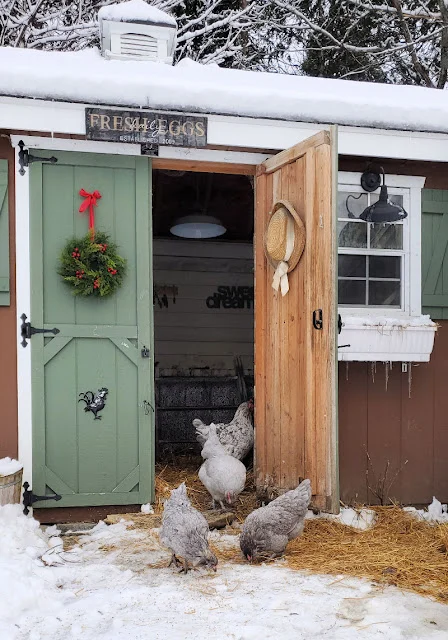
As seasonal temperatures descend across the Northern Hemisphere, backyard poultry keepers and commercial farmers alike are transitioning their operations to address the physiological and environmental demands of winter. While chickens are biologically more resilient to cold than to extreme heat, the combination of sub-zero temperatures, decreased daylight, and moisture-rich environments poses significant risks to flock health and egg production. Proper winter management requires a multi-faceted approach involving structural modifications to the coop, specialized nutritional interventions, and proactive behavioral management to prevent the stressors associated with confinement.
The Biological Resilience of Poultry in Cold Climates
To understand the necessity of winter preparation, it is essential to examine the physiological mechanisms chickens use to maintain homeostasis. A chicken’s internal body temperature typically ranges between 105°F and 107°F (40.5°C to 41.7°C). To maintain this high metabolic rate in winter, birds utilize their feathers as natural insulation, trapping air close to the skin to create a thermal barrier. When temperatures drop, chickens will naturally "fluff" their feathers to increase the volume of trapped air and may tuck their heads under their wings or stand on one leg to minimize heat loss through unfeathered extremities.

However, these natural defenses have limits. Breeds with large combs and wattles, such as Leghorns, are particularly susceptible to frostbite, while heavier, small-combed breeds like Orpingtons or Wyandottes tend to fare better in northern latitudes. Understanding these biological baselines is the first step in creating an effective winter care strategy.
Structural Integrity: The Balance of Ventilation and Insulation
The most critical factor in winter survival is not the provision of supplemental heat, but the maintenance of a dry, draft-free environment. According to poultry experts, including Lisa Steele, a fifth-generation chicken keeper and founder of Fresh Eggs Daily, moisture is a greater threat than cold. In a closed coop, moisture from the birds’ breath and droppings can accumulate, leading to high humidity levels. When humid air settles on the birds’ combs and wattles in freezing temperatures, it freezes, causing frostbite. Furthermore, damp bedding promotes the growth of mold and the release of ammonia, which can damage the delicate respiratory systems of the flock.
The Draft vs. Ventilation Paradox
Coop management during winter requires a precise balance. A "draft" is a direct stream of cold air hitting the birds, which can strip away their body heat. "Ventilation," conversely, is the movement of air above the birds’ heads to remove moisture and ammonia.

- High-Level Venting: Vents should be located near the roofline, well above the level where the chickens roost. This allows warm, moist air to rise and escape without creating a chill at the birds’ level.
- Draft Elimination: All cracks at the level of the nesting boxes or roosting bars should be sealed. Many keepers utilize "windblocks" in the outdoor run, such as clear plastic sheeting or plywood, to provide a sunny, wind-protected area for the birds to exercise during the day.
The Deep Litter Method
A common practice for natural heat generation is the "Deep Litter Method." This involves allowing manure and bedding (usually pine shavings or straw) to accumulate and decompose inside the coop throughout the winter. As the organic matter breaks down, it generates a small but consistent amount of heat and fosters beneficial microbes. However, this method requires diligent management; keepers must turn the litter regularly and add fresh carbon-rich material to ensure the process remains aerobic and odor-free.
Nutritional Requirements and Metabolic Support
Winter significantly alters the caloric requirements of poultry. Because chickens must burn energy to maintain their body temperature, their feed intake typically increases by 10% to 25% during the coldest months.
Carbohydrates and Thermoregulation
Feeding chickens a high-carbohydrate treat, such as cracked corn or scratch grains, shortly before they roost for the night is a scientifically backed strategy for warmth. The process of digesting complex carbohydrates takes several hours; as the bird’s digestive system works through the night, it generates internal metabolic heat, effectively acting as an internal space heater.

Protein for Recovery
Winter often coincides with the tail end of the molting season, a period when chickens shed and regrow their feathers. Feathers are composed of approximately 90% protein. To support feather regrowth and maintain immune function, supplemental protein—offered via mealworms, black soldier fly larvae, or high-protein layer crumbles—is essential.
The Hydration Challenge: Preventing Frozen Water
Access to liquid water is the most frequently overlooked aspect of winter poultry care. A chicken cannot digest food effectively without water, and dehydration can lead to a rapid decline in body temperature and even death. In sub-freezing environments, waterers can freeze within hours.
Current industry standards suggest three primary solutions:

- Heated Bases: Electric bases that sit beneath traditional metal waterers to keep the temperature just above freezing.
- Submersible De-icers: Small heating elements placed directly inside plastic or metal buckets.
- Manual Rotation: For off-grid setups, keepers must rotate waterers two to three times daily, replacing ice with lukewarm water.
Experts advise against adding salt to water to lower the freezing point, as chickens have a low tolerance for sodium, and excessive intake can lead to kidney failure.
Behavioral Health and Boredom Mitigation
When snow covers the ground, chickens—who are notoriously "snow-phobic" due to their lack of depth perception on white surfaces—often refuse to leave the coop. This prolonged confinement can lead to "coop fever," characterized by behavioral issues such as feather picking, bullying, and egg eating.
To mitigate these risks, enrichment is necessary. Many keepers hang "flock blocks" or heads of cabbage just out of reach, forcing the birds to jump and peck to get a treat. Providing "furniture" in the run, such as old ladders, stumps, or pallets, allows birds to utilize vertical space and escape more dominant members of the flock.

Seasonal Impact on Egg Production
Egg production naturally declines in the winter, a phenomenon driven primarily by light rather than temperature. A chicken’s reproductive system is triggered by the duration of daylight; when the day length drops below 14 hours, the pituitary gland slows the hormonal signal for egg production.
While some commercial and hobbyist keepers utilize supplemental lighting in the coop to maintain year-round production, this practice is debated among welfare advocates. Constant production without a winter break can lead to reproductive exhaustion and shortened lifespans. Many experts recommend allowing the flock to follow natural seasonal cycles, which provides the birds’ bodies a necessary period of rest and nutrient diversion toward self-maintenance.
Chronology of Winter Preparation
Effective winter management follows a specific seasonal timeline:

- Early Autumn: Conduct a structural audit of the coop. Repair roof leaks, check for rotted wood, and reinforce predator protection, as predators become more desperate in winter.
- Late Autumn: Transition to high-protein feed to support molting. Begin accumulating bedding for the deep litter method.
- First Frost: Install water heating elements. Apply a thick layer of petroleum jelly or a specialized wax to the combs and wattles of breeds susceptible to frostbite.
- Deep Winter: Monitor for respiratory issues. Increase carbohydrate treats. Ensure the outdoor run is cleared of heavy snow to encourage movement.
Broader Implications for the Agricultural Sector
The management of backyard flocks in winter has broader implications for local food security and avian health. The rise of "homesteading" in North America and Europe has led to an increase in poultry populations in urban and suburban areas. Improper winter care can lead to outbreaks of respiratory diseases, which, if not managed, can pose risks to the wider poultry industry by serving as reservoirs for pathogens.
Furthermore, as energy costs fluctuate, the shift toward natural insulation and "low-tech" solutions like the deep litter method reflects a broader trend toward sustainable and resilient agricultural practices. By prioritizing the biological needs of the birds over artificial heating, keepers foster hardier flocks and reduce the carbon footprint associated with small-scale egg production.
In conclusion, winter chicken care is an exercise in environmental management. By focusing on dryness, high-quality nutrition, and behavioral enrichment, keepers can ensure their flocks not only survive the winter but emerge into the spring healthy and ready for a productive laying season. As Lisa Steele and other experts emphasize, the goal is to work with the chicken’s natural physiology, providing the tools they need to thrive in the face of the elements.
