
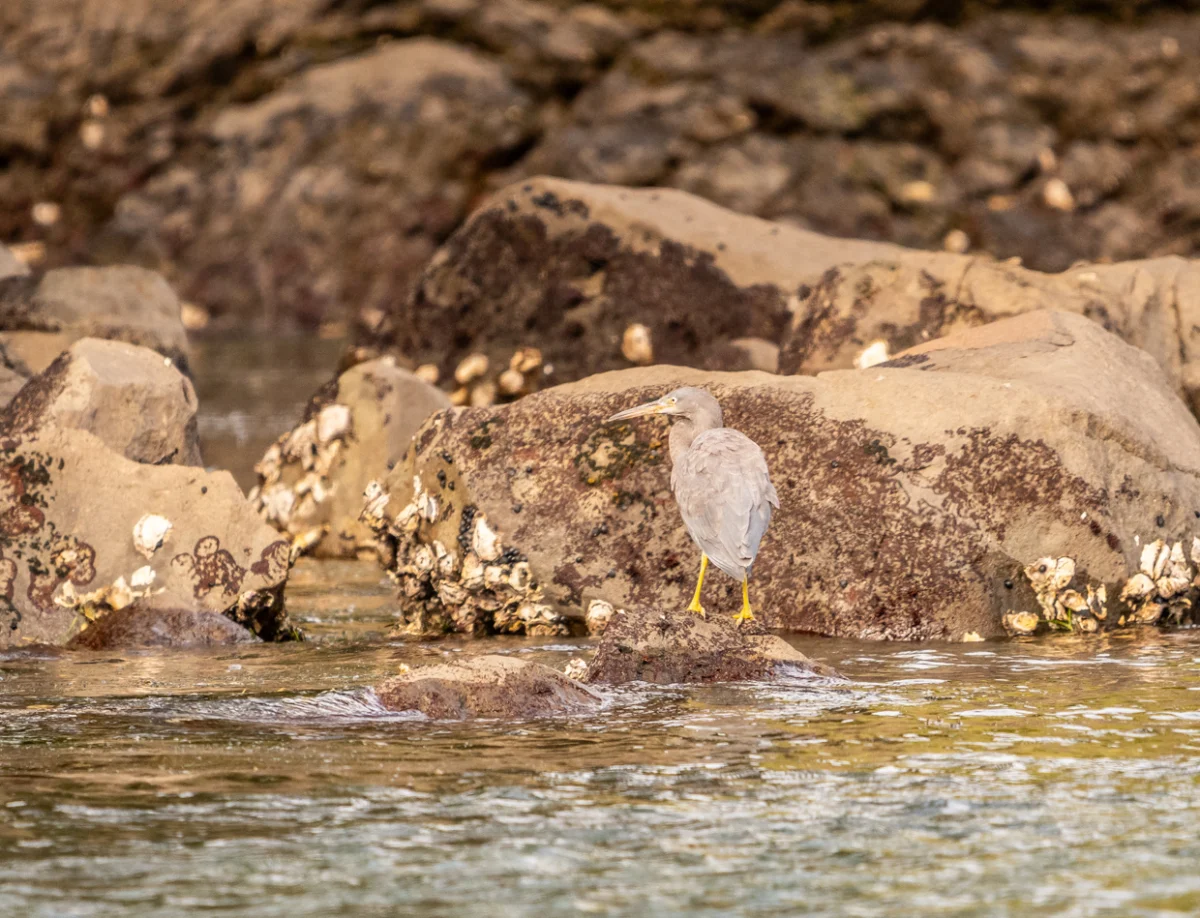
New Zealand’s status as a premier global destination for ornithological study and ecotourism has been reaffirmed following the conclusion of an extensive 22-day expedition that traversed the country’s diverse landscapes. The tour, which documented a remarkable 147 bird species, provided participants with rare opportunities to observe some of the world’s most endangered avifauna in their natural habitats. From the subtropical reaches of the North Island to the subantarctic-influenced ecosystems of Stewart Island, the journey highlighted both the resilience of New Zealand’s endemic species and the ongoing success of its predator-free sanctuary initiatives.

The expedition focused on a blend of pelagic excursions, ancient forest treks, and wetland observations, securing sightings of high-profile rarities including the Erect-crested Penguin, Baillon’s Crake, and the South Island Wren. Beyond the sheer number of species recorded, the tour emphasized the ecological significance of New Zealand’s "living fossils," such as the various kiwi species and the ancient Rifleman (Tītipounamu), providing a real-time assessment of the country’s biodiversity health.

The Northern Sector: Pelagic Diversity and Critical Sanctuaries
The journey commenced in Whangarei, serving as the gateway to the Hauraki Gulf and the Northland coast. Early pelagic trips were instrumental in identifying several key seabirds, including the New Zealand Storm-Petrel—a species once thought extinct until its rediscovery in 2003. Expedition logs noted significant sightings of Cook’s Petrel, Parkinson’s Petrel, and the jewel-like Buller’s Shearwater.

A critical moment in the North Island leg was the search for the New Zealand Fairy Tern (Tara iti). With a global population estimated at only 45 individuals, the sighting of a single bird at a refuge site underscored the precariousness of the species. Environmental analysts suggest that such sightings, while fortunate for birdwatchers, highlight the urgent need for continued habitat protection in coastal estuaries facing development pressure.

The group’s visit to Tiritiri Matangi Island provided a contrast to the mainland’s ecological challenges. As one of the world’s most successful community-led conservation projects, the island offered intimate views of the North Island Kōkako and the Stitchbird (Hihi). The presence of the South Island Takahe, a flightless rail once thought extinct, served as a testament to the efficacy of island sanctuaries in the "Predator Free 2050" framework.

Central Regions: Wetlands and High-Altitude Habitats
Moving south toward Turangi and the Tongariro National Park, the expedition shifted its focus to freshwater and alpine specialists. The Tongariro River provided sightings of the Blue Duck (Whio), a river-specialist duck that requires high-quality, fast-flowing water—a biological indicator of river health.

The tour also recorded an exceptional density of rails and crakes in central wetlands. Sightings of the Spotless Crake and the Buff-banded Rail were described by veteran guides as some of the most "open and intimate" in recent memory. The observation of an Australasian Bittern, a notoriously secretive bird with a declining population due to wetland drainage, provided valuable data on the species’ persistence in managed reed beds.

In the alpine environment of Arthur’s Pass, the group encountered the Kea, the world’s only alpine parrot. Known for its high intelligence and curious nature, the Kea remains a focal point of conservation concern due to lead poisoning from old building materials and predation by stoats.

The Kaikoura Pelagic and South Island Transition
Kaikoura, a world-renowned hotspot for marine life due to its deep-water canyon, offered the expedition’s most significant seabird encounters. Despite challenging weather conditions that initially delayed departures, the group eventually documented a vast array of albatross species, including the Antipodean, White-capped, Salvin’s, and both Northern and Southern Royal Albatrosses.
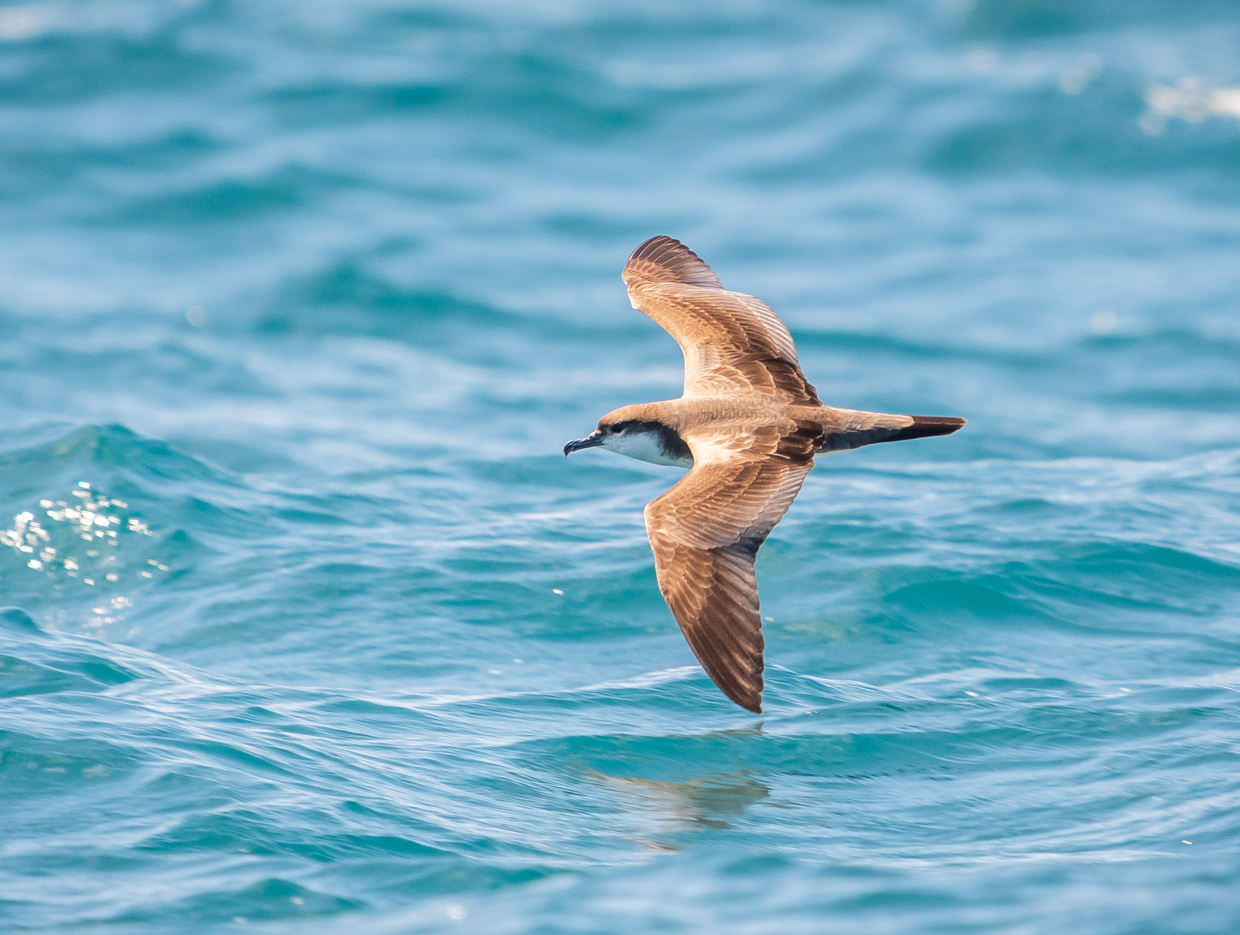
The data collected during these pelagic trips is vital for monitoring the health of the Southern Ocean. Albatrosses are often considered "sentinel species" for oceanic health, and the presence of healthy breeding-age adults in Kaikoura’s waters is a positive indicator, though long-line fishing remains a persistent threat to these long-lived birds.

Further north in the Marlborough Sounds, the expedition recorded the New Zealand King Shag. This species is endemic to the sounds, with a total population of approximately 800 individuals. Observing roughly 5% of the global population in a single boat trip highlighted the localized nature of New Zealand’s endemism and the vulnerability of species restricted to such small geographic ranges.

The Deep South: Stewart Island and the Kiwi Frontier
The final stages of the tour focused on the "Deep South," including Stewart Island (Rakiura) and Ulva Island. Ulva Island, another predator-free sanctuary, allowed for the observation of the Yellowhead (Mohua), a species that has been decimated on the mainland by invasive ship rats and stoats.

The highlight for many was the nocturnal search for the Southern Brown Kiwi (Tokoeka). Unlike their more reclusive mainland relatives, the Stewart Island subspecies is known for its occasional daytime activity, though the expedition’s primary sightings occurred at night. The observation of both juveniles and adults foraging in the leaf litter provided evidence of successful recruitment within the local population.

While on the southern coast, the group also monitored the status of the Yellow-eyed Penguin (Hoiho). Currently considered one of the rarest penguins in the world, the Hoiho is facing a crisis on the New Zealand mainland due to disease, habitat loss, and predation. Sightings of three individuals near Stewart Island and chicks in the Dunedin area were particularly significant, given that mainland numbers have plummeted in recent years.

Rare Occurrences and Scientific Highlights
One of the most scientifically notable moments of the 22-day tour occurred in Dunedin with the sighting of a moulting Erect-crested Penguin. This species typically breeds on the remote Bounty and Antipodes Islands, making its appearance on the mainland an "incredibly rare" event. Such vagrant sightings are often recorded by tour groups and reported to the New Zealand Birders Association, contributing to the broader understanding of bird dispersal patterns and potential shifts in foraging ranges due to changing ocean temperatures.

Additionally, the sighting of leucistic Spotted Shags at the Invercargill estuary provided a rare look at genetic mutations within a stable population. Leucism, a condition resulting in the loss of pigmentation, is seldom seen in the wild due to the increased risk of predation for the affected individuals.

Conservation Implications and Future Outlook
The success of the tour in locating 147 species, including many of New Zealand’s rarest endemics, underscores the importance of the country’s conservation network. The "Predator Free 2050" initiative, which aims to eradicate rats, stoats, and possums from the country, is clearly yielding results in specific "mainland islands" and offshore sanctuaries.

However, the expedition also highlighted the ongoing challenges. The extreme rarity of the New Zealand Fairy Tern and the localized threats to the Yellow-eyed Penguin serve as reminders that intensive management is required to prevent further extinctions. Ecotourism plays a dual role in this landscape: it provides the necessary funding and public interest to sustain conservation efforts, while also serving as a platform for citizen science.

The data gathered during this 22-day journey provides a snapshot of New Zealand’s avian biodiversity in the mid-2020s. As climate change begins to alter the distribution of prey species in the Southern Ocean and invasive species management enters more complex phases on the mainland, these records will serve as essential benchmarks for future ecological assessments. The expedition concluded in Dunedin, with participants expressing a deepened understanding of the delicate balance required to maintain one of the world’s most unique biological heritages.
