
The subtropical ecosystems of South Florida recently served as the backdrop for an extensive eight-day ornithological survey, documenting the region’s unique avian diversity and the ongoing success of various conservation initiatives. From the mangrove-fringed coasts of Fort Myers to the isolated coral keys of the Dry Tortugas, a group of birding enthusiasts and naturalists, led by guide Josh Gant, recorded nearly 150 species, including several of North America’s rarest endemics and seasonal migrants. The expedition provided a comprehensive look at the health of Florida’s varied habitats, ranging from pine flatwoods and cypress swamps to the expansive "River of Grass."
The Gulf Coast: Mangrove Ecosystems and Raptor Diversity
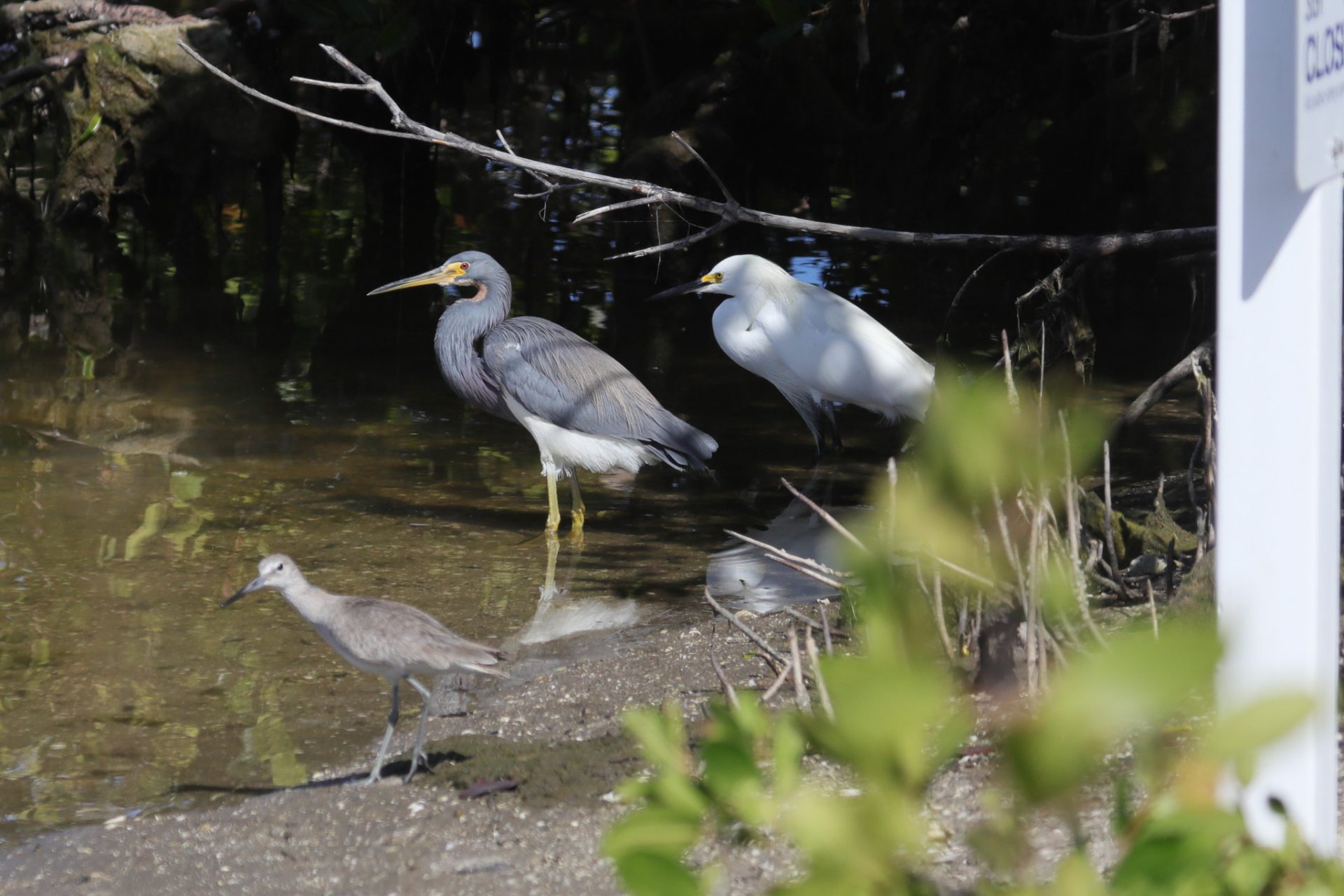
The expedition commenced in Fort Myers with a primary focus on the J.N. "Ding" Darling National Wildlife Refuge on Sanibel Island. Spanning over 6,400 acres, this refuge protects part of the largest undeveloped mangrove ecosystem in the United States. Mangroves serve as critical nurseries for marine life and essential foraging grounds for wading birds. The group’s survey of the refuge’s four-mile wildlife drive yielded 47 distinct species. Notable sightings included the Reddish Egret—the rarest heron in North America—and the American White Pelican, a winter resident known for its massive nine-foot wingspan.
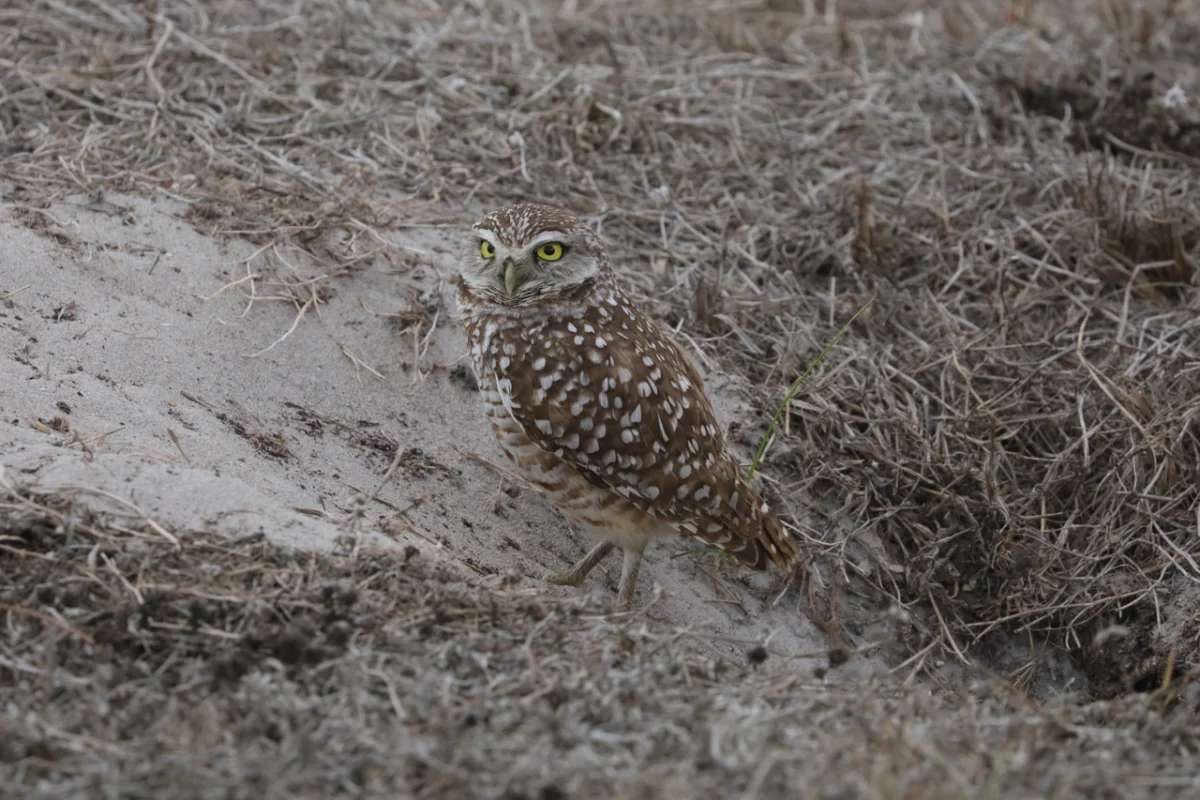
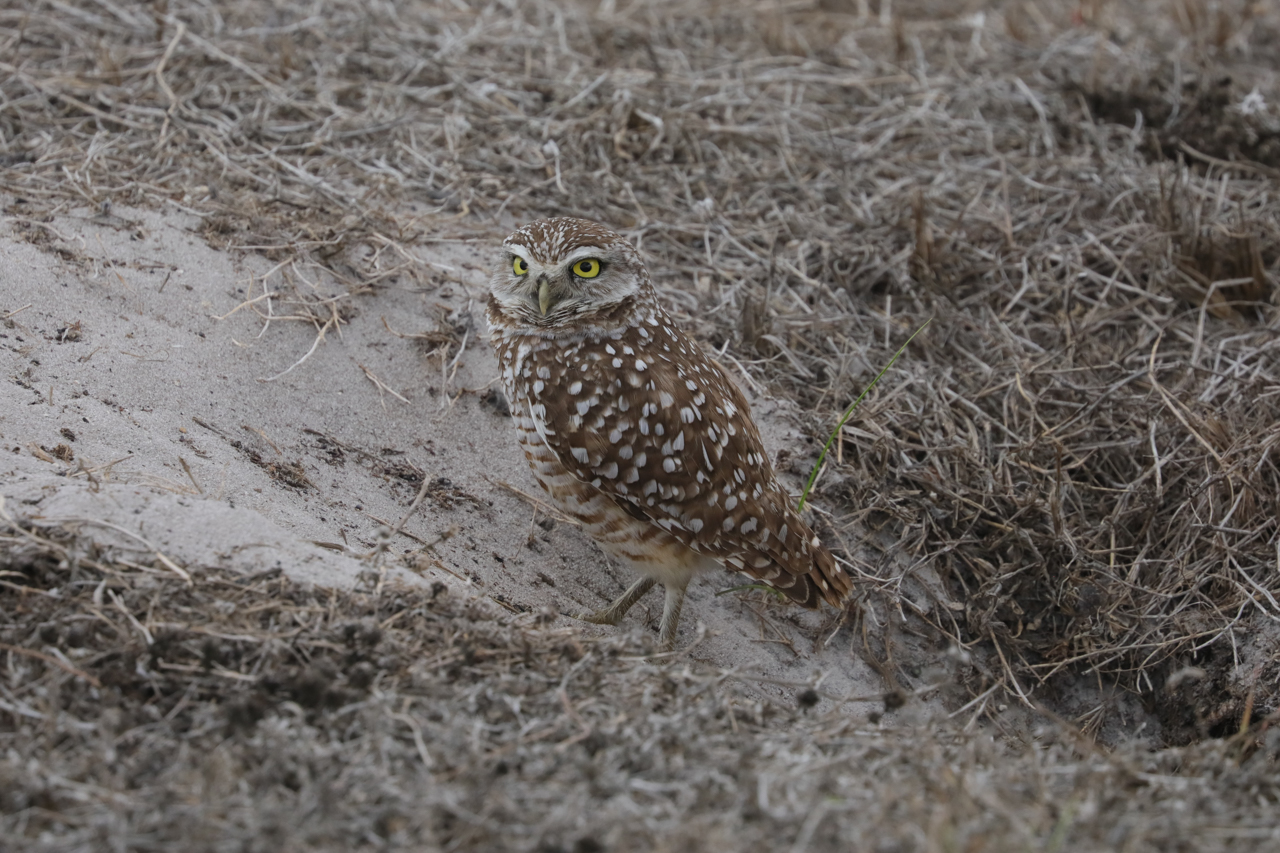
Beyond the refuge, the group explored local suburban and park environments, which often serve as unexpected havens for specialized species. In a small community park, the team documented a light-morph Short-tailed Hawk. This species is of particular interest to Florida ornithologists; with a total United States population estimated at only 500 individuals, it is one of the rarest breeding raptors in the country. The subsequent discovery of a Burrowing Owl—a species listed as "State Threatened" in Florida—further underscored the importance of local conservation efforts. These owls, unique for nesting underground, have adapted to human-altered landscapes, often utilizing vacant lots and the perimeters of athletic fields, such as those at Pelican Boulevard.

Inland Pine Flatwoods and the Challenge of Endemism
On the second day, the survey moved inland toward the Fred C. Babcock/Cecil M. Webb Wildlife Management Area (WMA). This 73,000-acre tract is one of the largest remaining expanses of pine flatwoods in Southwest Florida. The primary objective was the Red-cockaded Woodpecker, a federally protected species that is uniquely dependent on mature, living pine trees infected with red heart fungus for its cavity nesting. The successful sighting of this woodpecker suggests that prescribed fire regimes and habitat management at Babcock WMA are effectively maintaining the open-canopy forest structure required for the species’ survival.
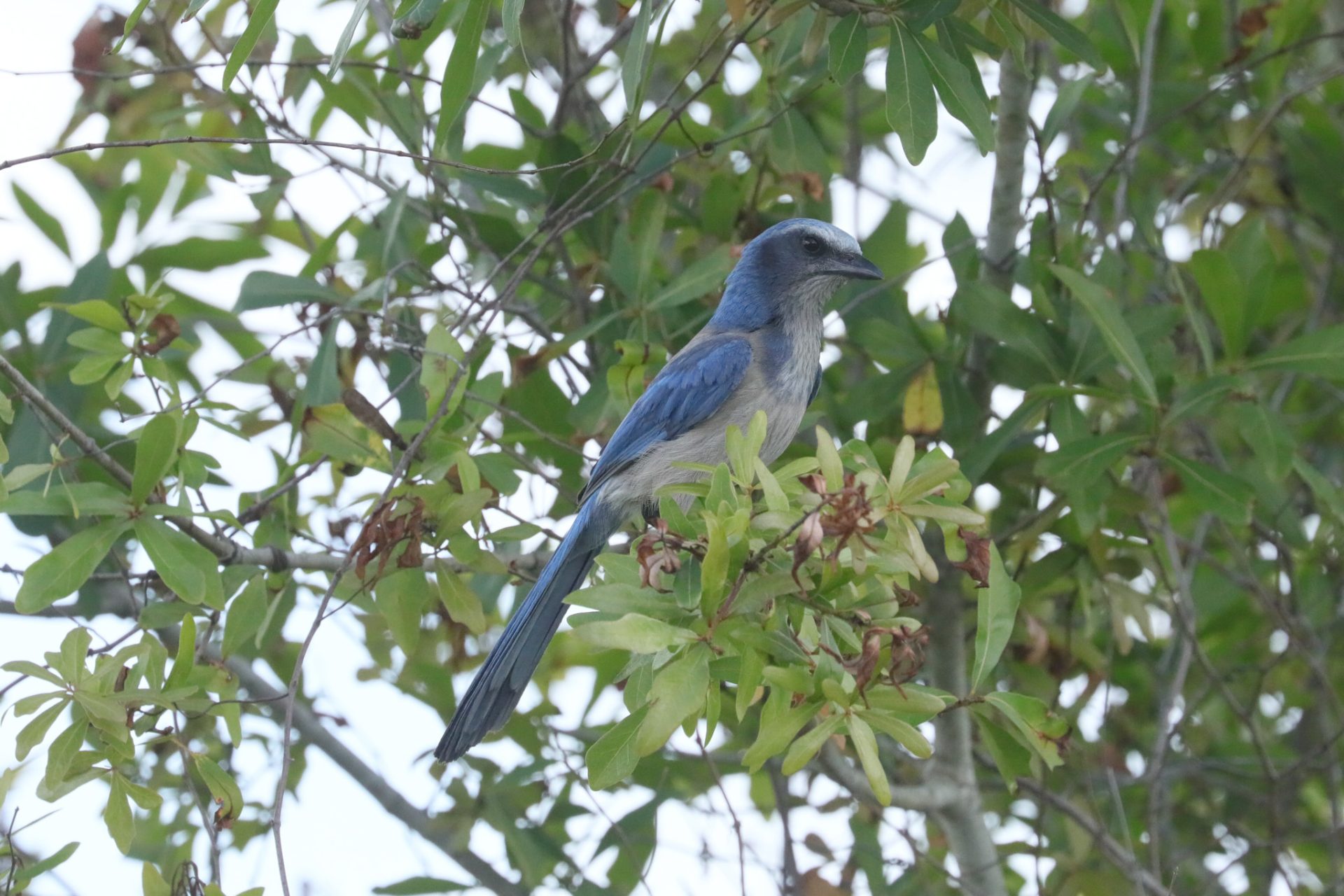
The expedition then transitioned to Lehigh Acres to locate the Florida Scrub Jay, the only bird species entirely endemic to the state of Florida. Scrub Jays are habitat specialists, requiring low-growing oak scrub that is maintained by periodic fires. Because of habitat fragmentation and the suppression of natural fire cycles, the Florida Scrub Jay population has declined by approximately 90% over the last century. Finding a family group in a small patch of undeveloped scrubby Oak-Pine forest highlighted both the resilience of the species and the precarious nature of its remaining habitat.
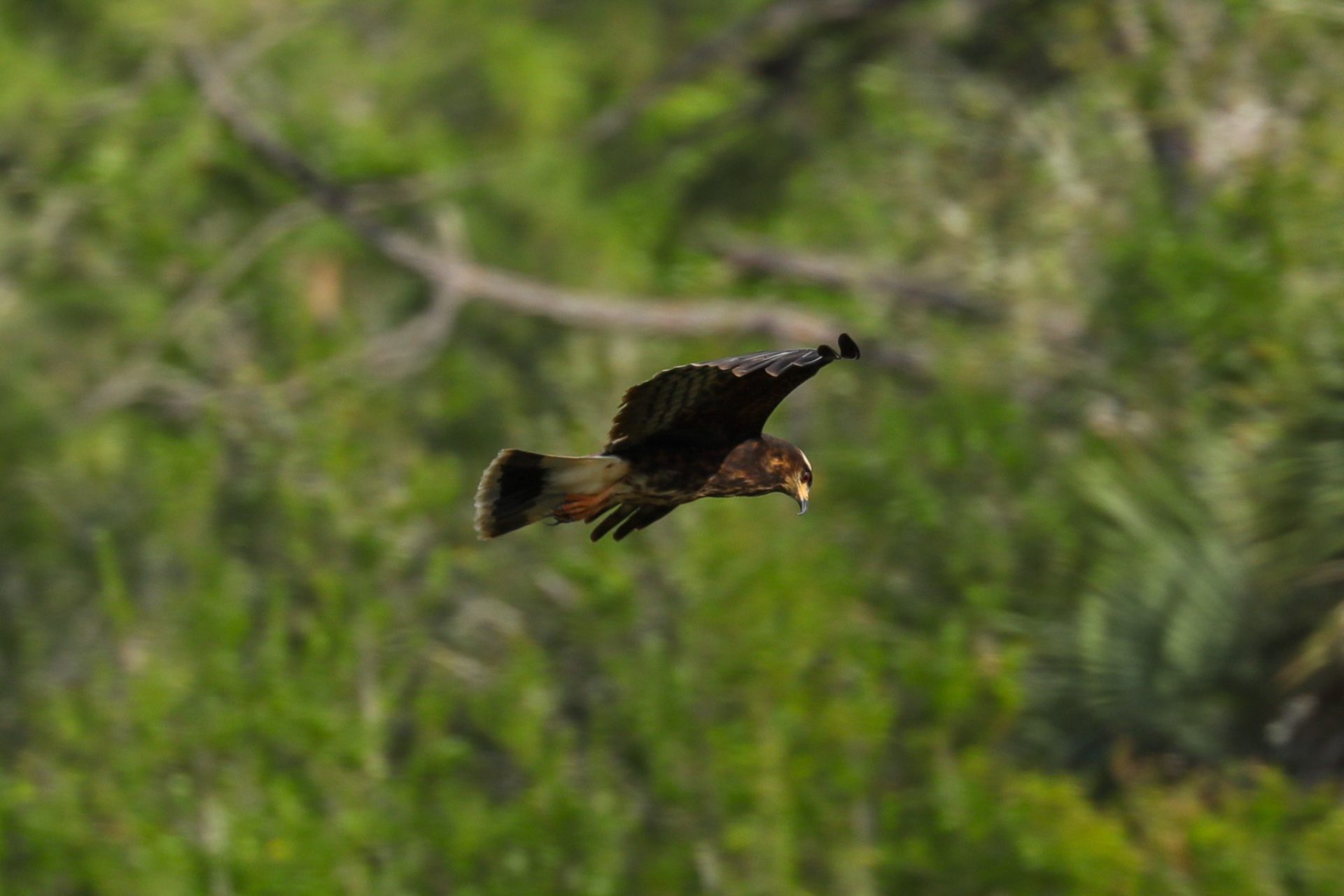
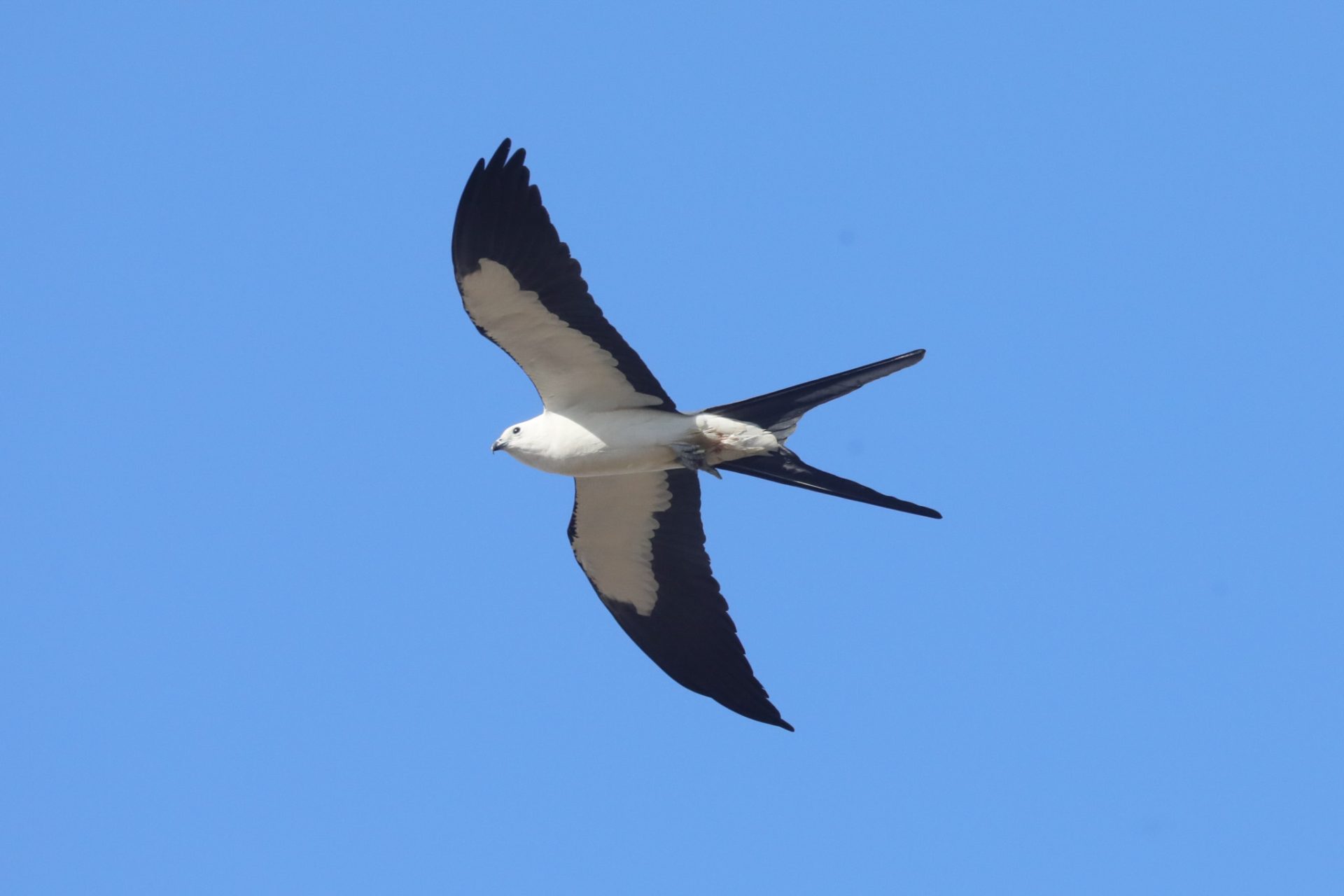
The day concluded at Harns Marsh, a 1,200-acre stormwater treatment facility that has evolved into a premier wetland habitat. Here, the group observed the Snail Kite, a specialized raptor whose diet consists almost exclusively of apple snails. The presence of a female Snail Kite at this location is a positive indicator of the marsh’s water quality and the health of the local snail population, both of which are vital for this endangered raptor’s recovery.
Old-Growth Sanctuaries and the Impact of Hydrology
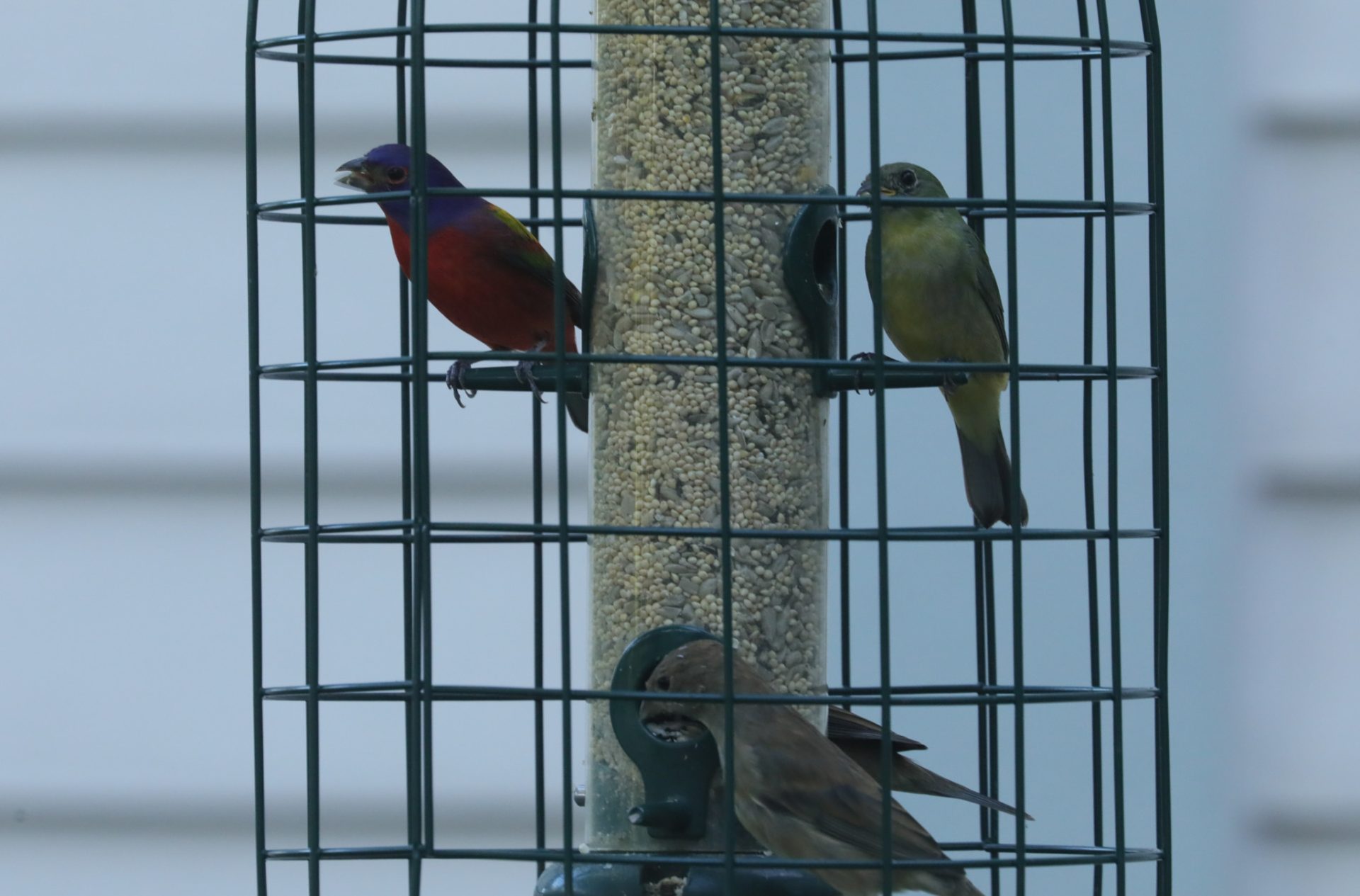
The third day of the expedition focused on the Audubon Corkscrew Swamp Sanctuary, home to the largest remaining stand of ancient bald cypress in North America. This sanctuary is a critical component of the Western Everglades ecosystem. The group recorded 45 species within the sanctuary, including the highly sought-after Painted Bunting. Known for their iridescent, multi-colored plumage, Painted Buntings are a flagship species for the conservation of maritime scrub and hammock habitats.
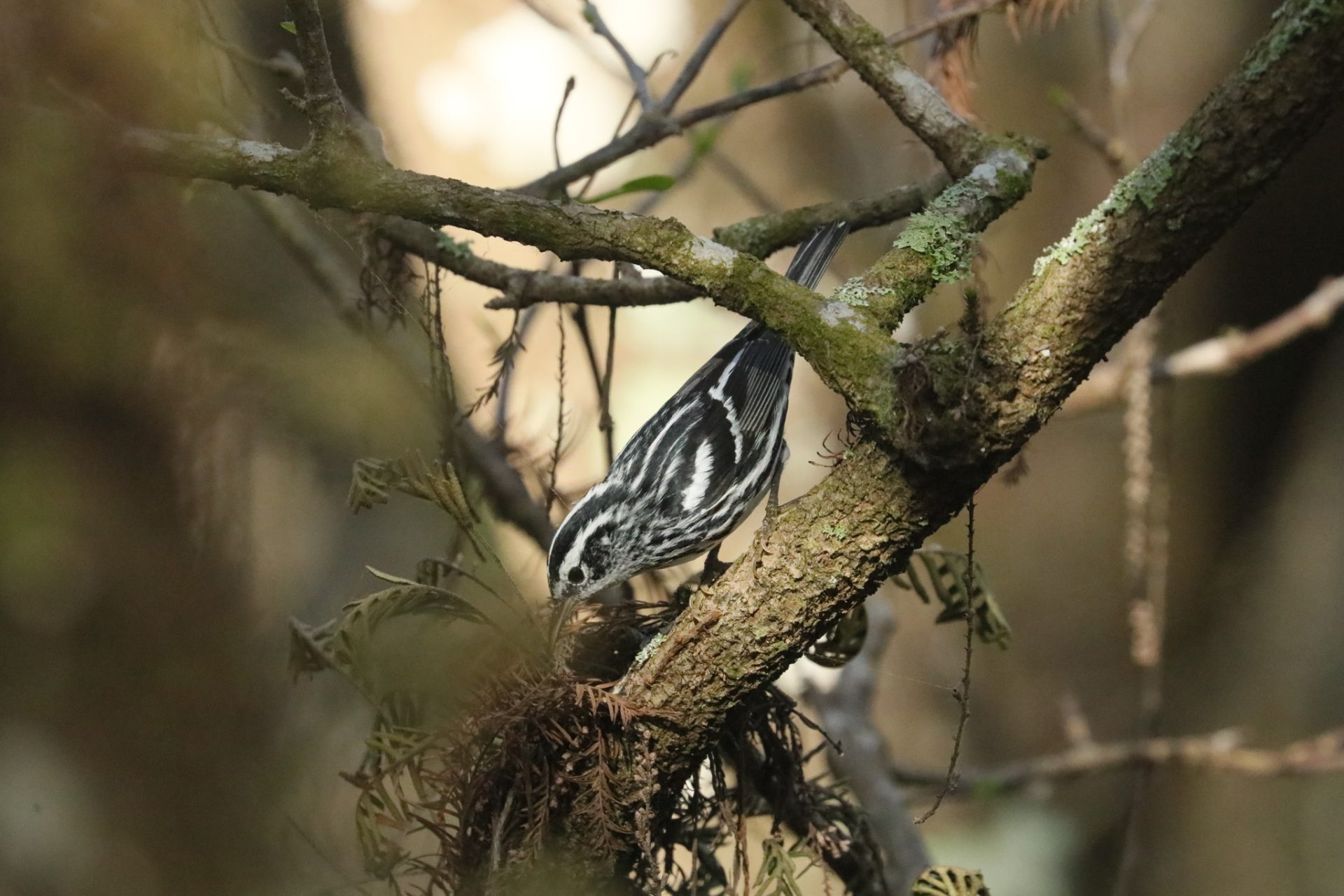
The survey also noted a variety of wood-warblers, including the Black-and-white Warbler and the Northern Parula. The sound of a singing Prothonotary Warbler at the north end of the boardwalk provided evidence of the sanctuary’s role as a vital breeding ground. However, the expedition leaders noted that the timing of these sightings is heavily influenced by regional hydrology. Florida’s seasonal water levels dictate the availability of prey for many of these species; during the group’s visit, the region was experiencing a notable drought.
The Everglades: Resilience Amidst Drought
As the expedition moved south into Everglades National Park, the impact of the drought became more visible. The Everglades is a shallow, slow-moving sheet of water that supports a complex web of life. Low water levels often concentrate fish and invertebrates into deeper pools, which can lead to spectacular feeding aggregations of wading birds but may also stress other parts of the ecosystem.
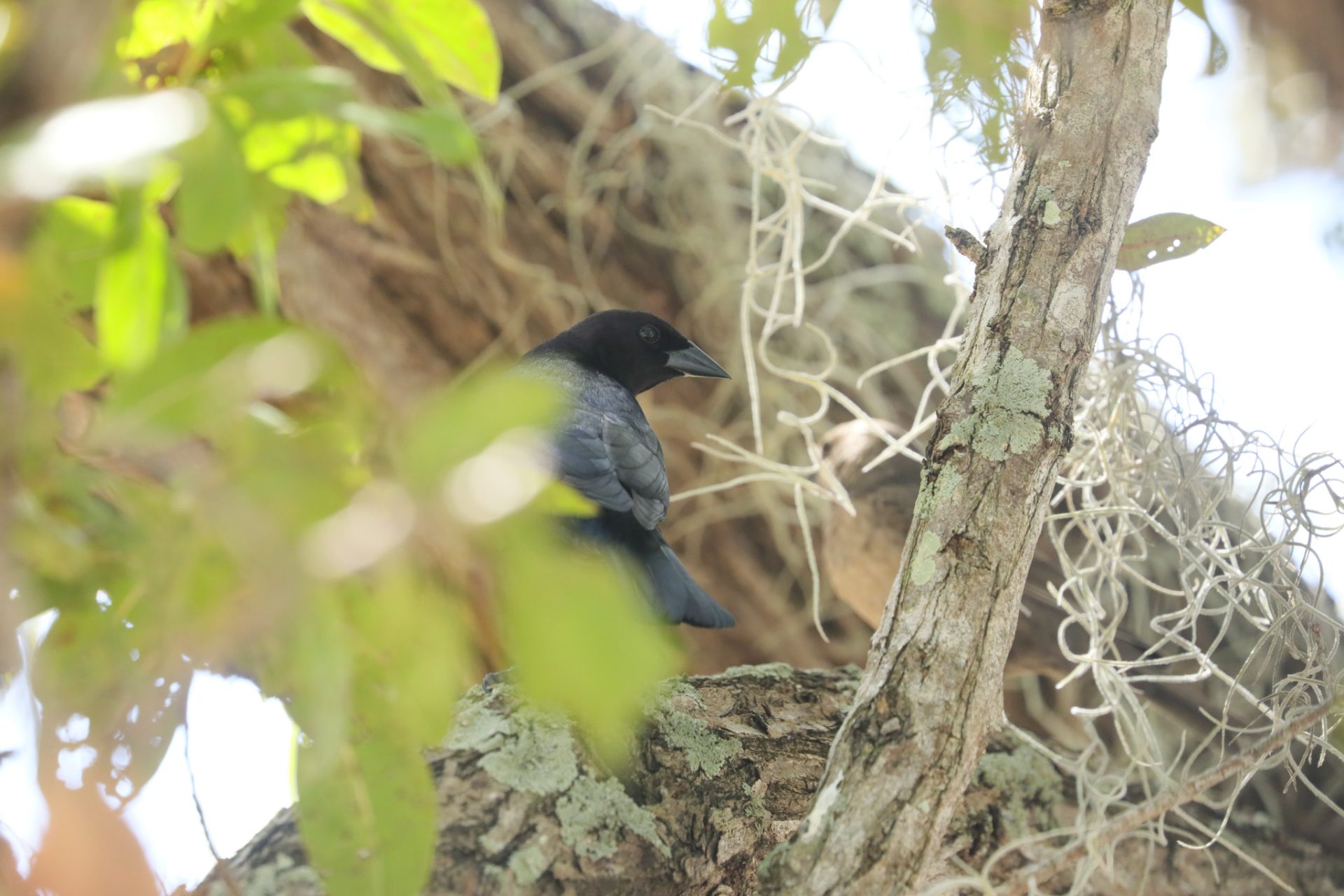
At Lucky Hammock, on the periphery of the park, the group photographed a pair of White-tailed Kites. These elegant raptors are known for their "kiting" behavior—hovering in mid-air while scanning for prey. Inside the park, the team documented a Barred Owl at Mahogany Hammock and a Wurdemann’s Heron—a rare color morph of the Great Blue Heron found primarily in the Florida Keys—at East Pond. The presence of an American Crocodile at Flamingo served as a reminder of the Everglades’ status as the only place on Earth where both alligators and crocodiles coexist.
The Florida Keys and the Tropical Connection
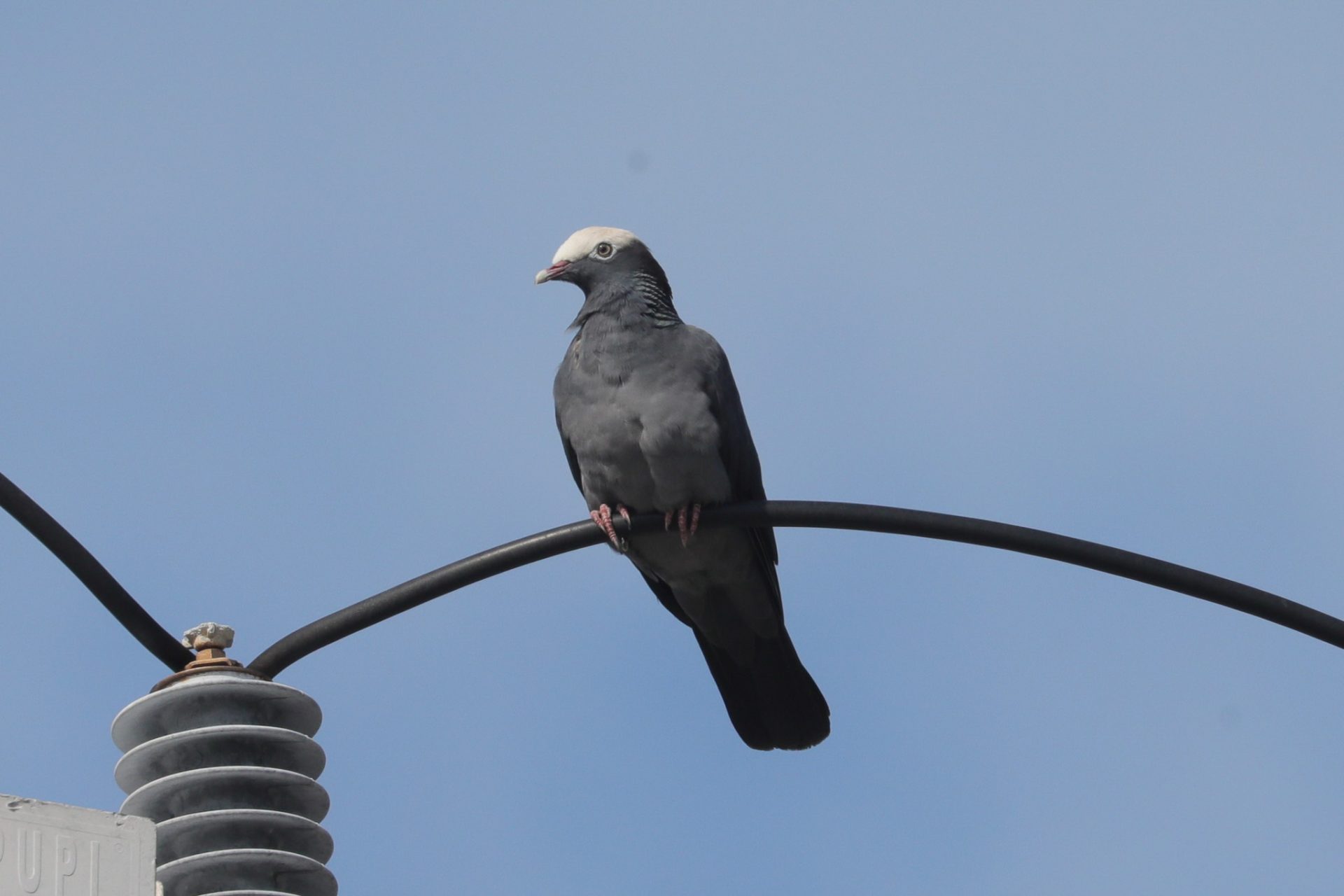
The journey through the Florida Keys highlighted the region’s tropical influences. The team documented the White-crowned Pigeon, a species that relies on the fruit of native tropical hardwood hammocks and is a key indicator of the health of these rare forests. In Key West, the group encountered the "Great White Heron" (the white morph of the Great Blue Heron), which is largely restricted to the shallow marine waters of South Florida and the Caribbean.
Ornithological interest in the Keys is often driven by "overshoots"—migrant birds that are blown off course from the Caribbean or South America. While no extreme rarities were reported during this window, the group observed Cape May and Magnolia Warblers, as well as several rare butterfly species, including the Atala. Once thought to be extinct, the Atala butterfly has made a remarkable recovery due to the widespread planting of its host plant, the coontie (Zamia integrifolia), in residential landscapes.
The Dry Tortugas: A Pelagic Stronghold
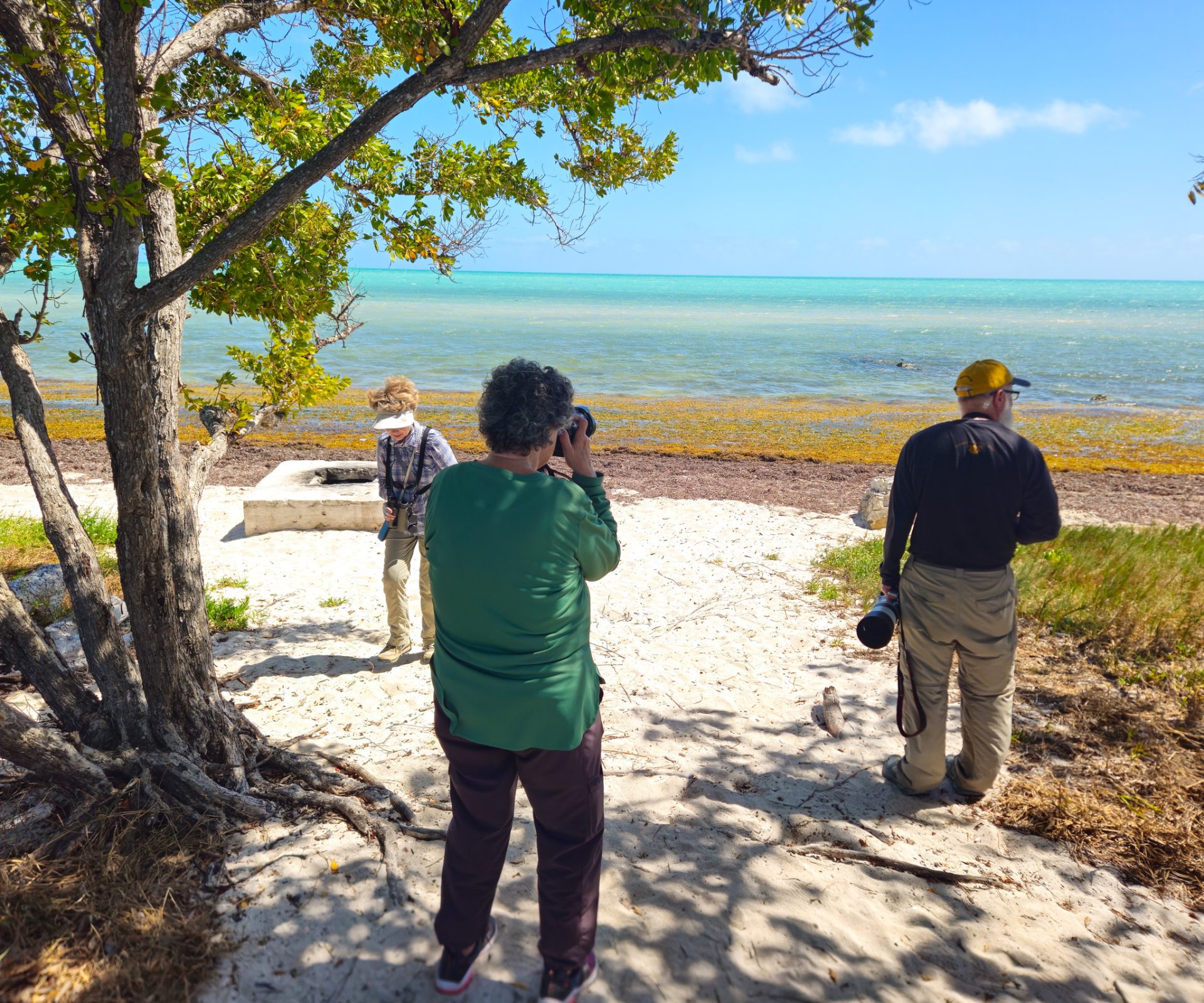
The most remote leg of the journey involved a 70-mile ferry ride west of Key West to Dry Tortugas National Park. This cluster of seven coral islands is home to Fort Jefferson and serves as the only significant nesting site in the continental United States for several pelagic bird species. Upon arrival, the group was greeted by thousands of Sooty Terns and Brown Noddies.
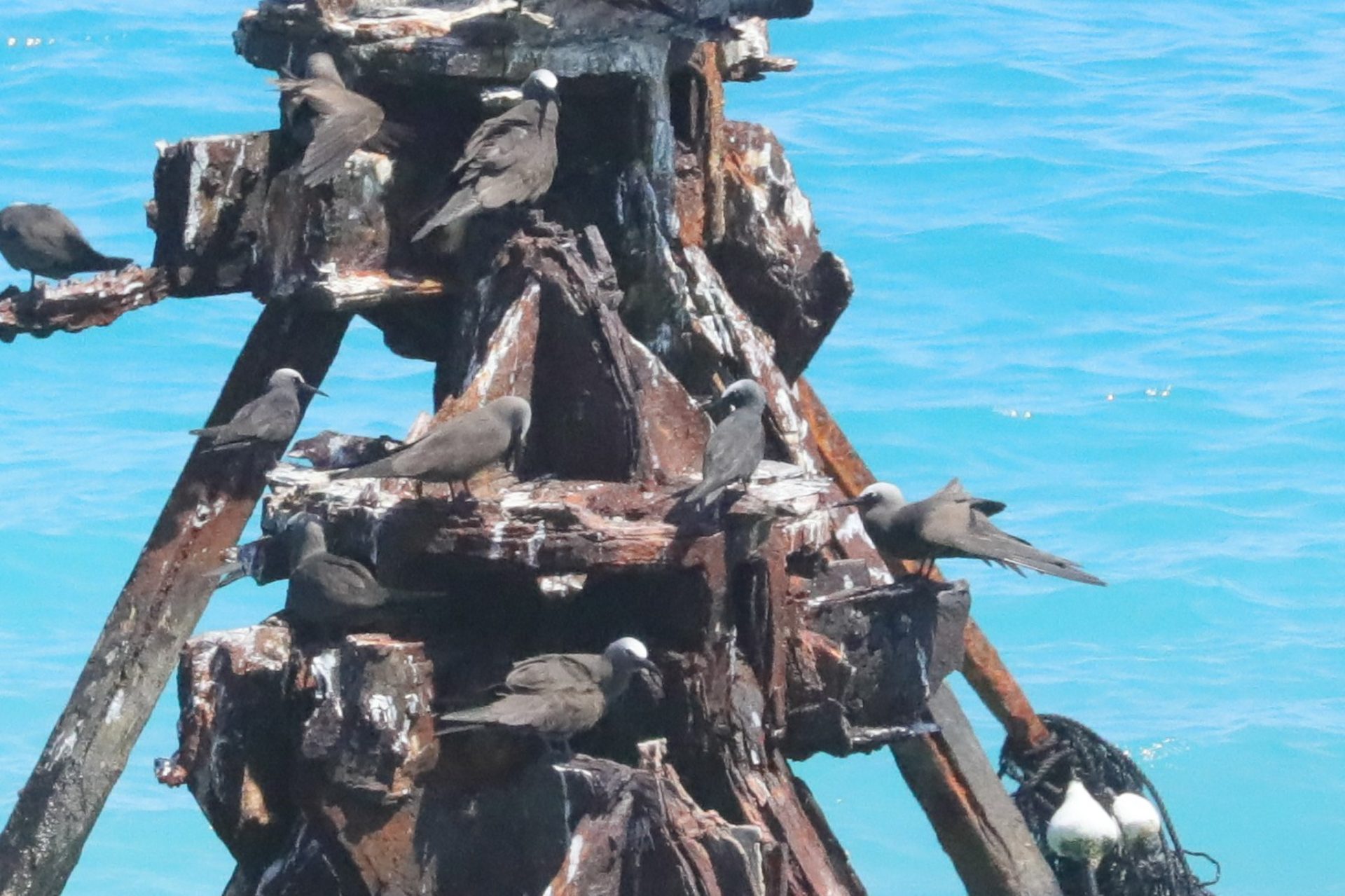
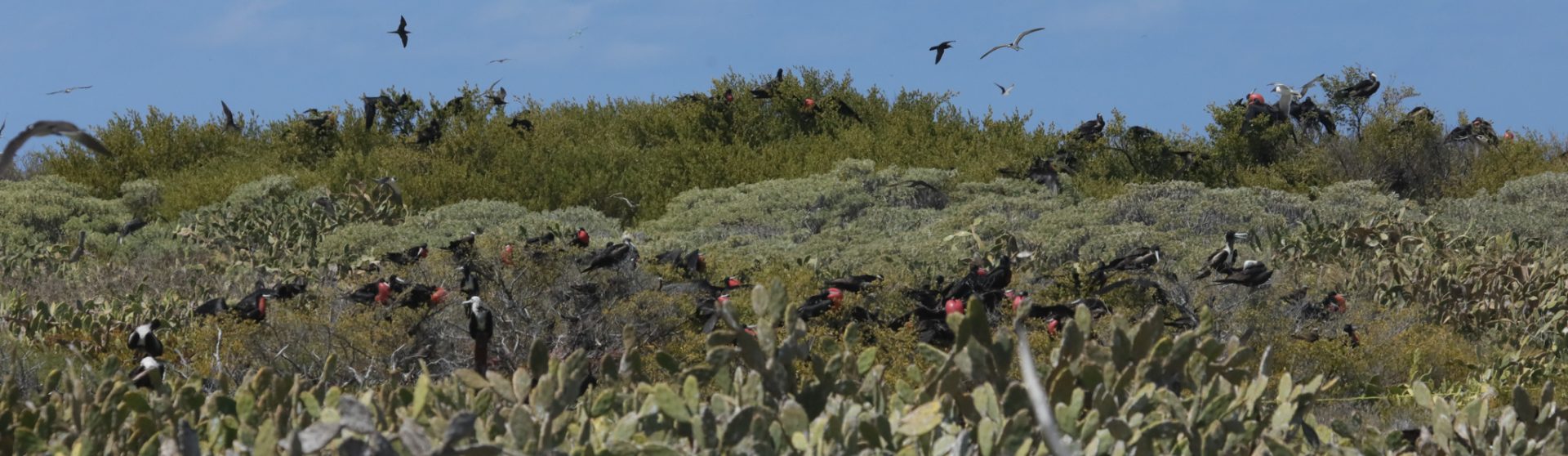
The expedition confirmed the return of Black Noddies to the North Coaling Docks, a significant event for birders as this species is an extremely rare visitor to the U.S. Comparison views of the Black and Brown Noddies provided valuable data for the observers. Furthermore, the team witnessed the dominance displays of Magnificent Frigatebirds, which inflate their red gular sacs during the breeding season. On the return trip, the group observed the Masked Booby colony on East Key, the only such colony in the country, reinforcing the Dry Tortugas’ status as a globally significant bird area.
Urban Conservation and Reclaimed Wetlands
The final stage of the expedition took place in the urban corridor of North Miami and Delray Beach. The team visited Pinewoods Park to document the Scaly-breasted Munia, an introduced species that has established a breeding population in Florida. The survey concluded at the Wakodahatchee Wetlands in Palm Beach County.

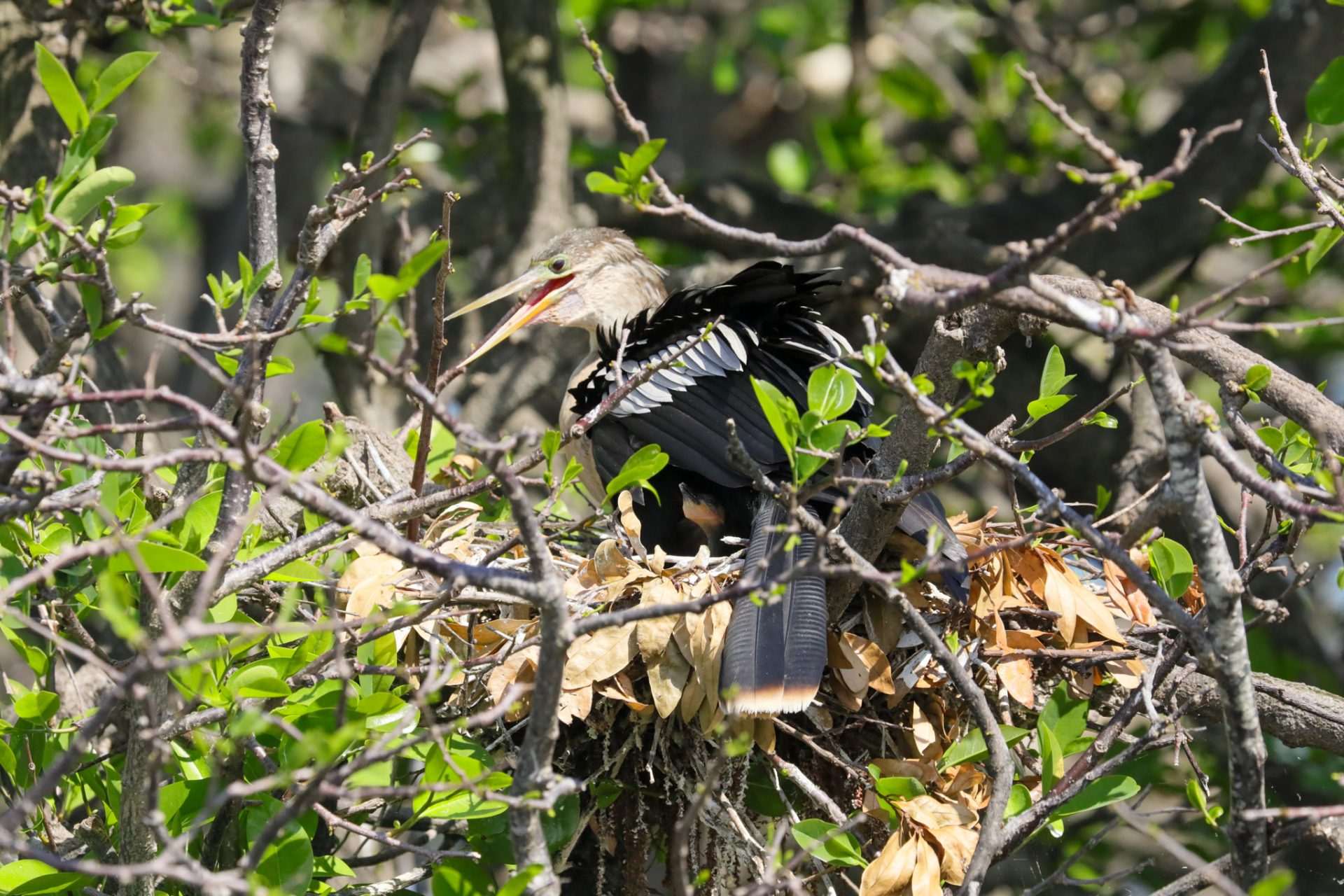
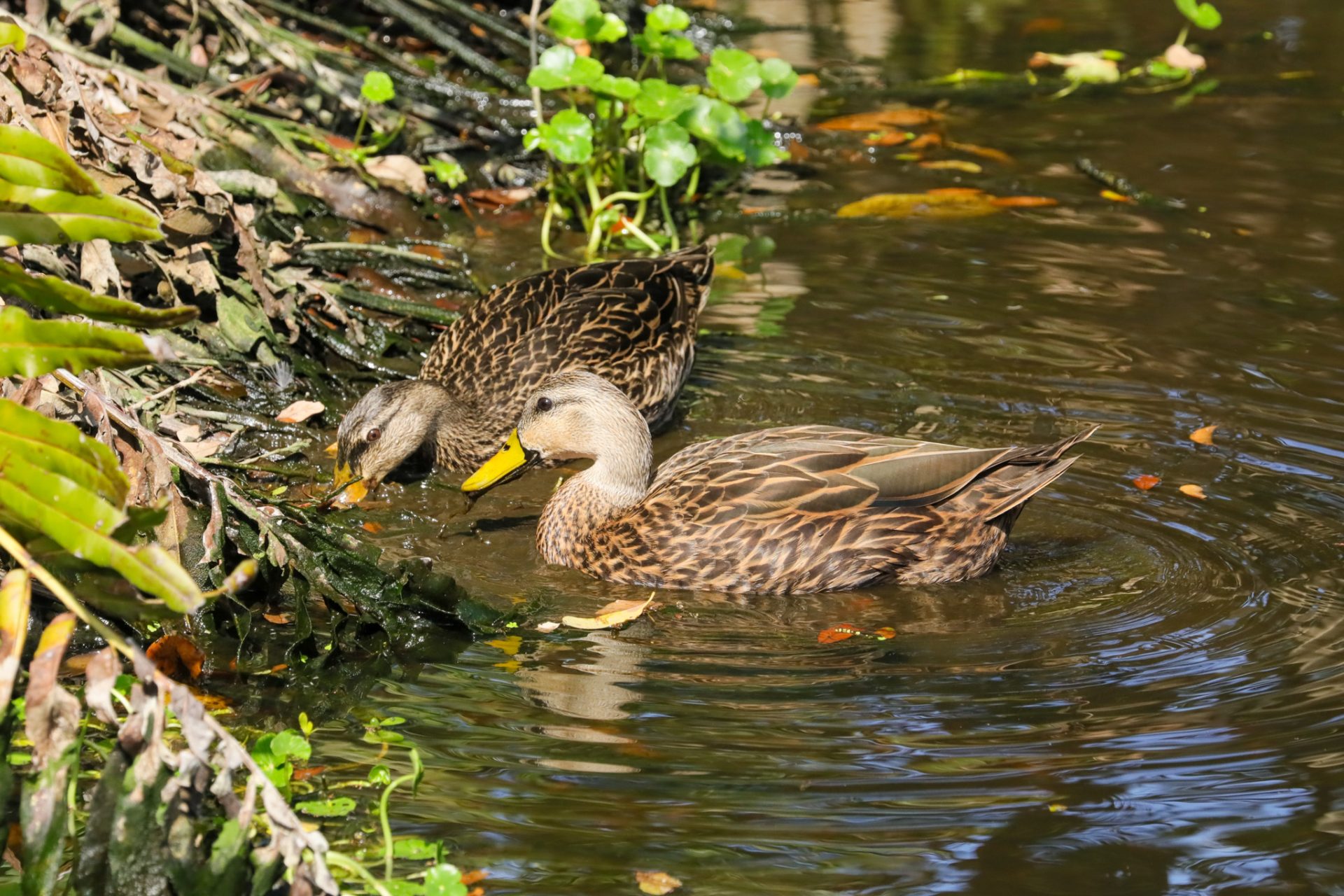
Wakodahatchee is a prime example of successful "constructed wetland" technology. The site consists of 50 acres of reclaimed marshland created on former unused utility land. Each day, the facility receives approximately two million gallons of highly treated wastewater from the Southern Region Water Reclamation Facility. This nutrient-rich water supports a lush environment that has become a magnet for over 170 bird species. The group observed Wood Storks—another federally threatened species—nesting in high densities, alongside Anhingas and various waterfowl.
Implications for Regional Conservation
The eight-day expedition underscores the critical role that protected lands play in maintaining biodiversity in a state facing rapid developmental pressure. The documentation of nearly 150 species across diverse habitats demonstrates that while many species are at risk, conservation management—such as that seen at Ding Darling, Corkscrew Swamp, and the Dry Tortugas—is providing the necessary sanctuary for survival.
The data gathered by the group, often uploaded to citizen science platforms like eBird, contributes to a larger understanding of avian population trends and migratory patterns. As climate change and sea-level rise continue to threaten low-lying coastal habitats, the continued monitoring of these "avian sentinels" remains a priority for the scientific community. The expedition concluded that while the Florida environment faces significant hydrological and developmental challenges, the presence of thriving nesting colonies and rare endemics offers a glimmer of hope for the future of the state’s natural heritage.
