
Colombia, recognized globally as the country with the highest avian diversity on Earth, recently hosted a specialized expedition across its northern Caribbean corridor, yielding significant sightings of critically endangered species and regional endemics. The eight-day survey, which spanned from the coastal wetlands of Barranquilla to the isolated peaks of the Sierra Nevada de Santa Marta and the arid scrublands of La Guajira, provided a comprehensive look at the health and distribution of several of the world’s most localized bird populations. This expedition, conducted between March 28 and April 4, highlights the biological importance of Northern Colombia as a primary destination for scientific observation and high-end avitourism, industries that are increasingly vital to the region’s conservation efforts and local economies.
Geographic and Biological Context of the Expedition
The route focused on the Sierra Nevada de Santa Marta, the world’s highest coastal mountain range. Rising from the Caribbean Sea to nearly 5,700 meters in elevation, this mountain block is geographically isolated from the main Andes chain, leading to the evolution of a staggering number of endemic species found nowhere else on the planet. For ornithologists and conservationists, this region is classified as a "Key Biodiversity Area" and a UNESCO Biosphere Reserve.
In addition to the mountains, the expedition surveyed the Caribbean lowlands and the Guajira Peninsula. These areas represent a sharp contrast in ecology, moving from the lush mangroves of Isla de Salamanca to the xerophytic (dry) scrub of Los Flamencos Sanctuary. This transition of habitats allows for the observation of a wide range of specialized species, many of which are under pressure from habitat loss and climate change.
Chronological Overview: From Coastal Mangroves to Alpine Ridges
The expedition commenced in Barranquilla on March 28, where participants and local experts gathered to finalize the logistical requirements for the high-altitude and coastal surveys ahead. The initial phase focused on the Magdalena River delta and its surrounding habitats.
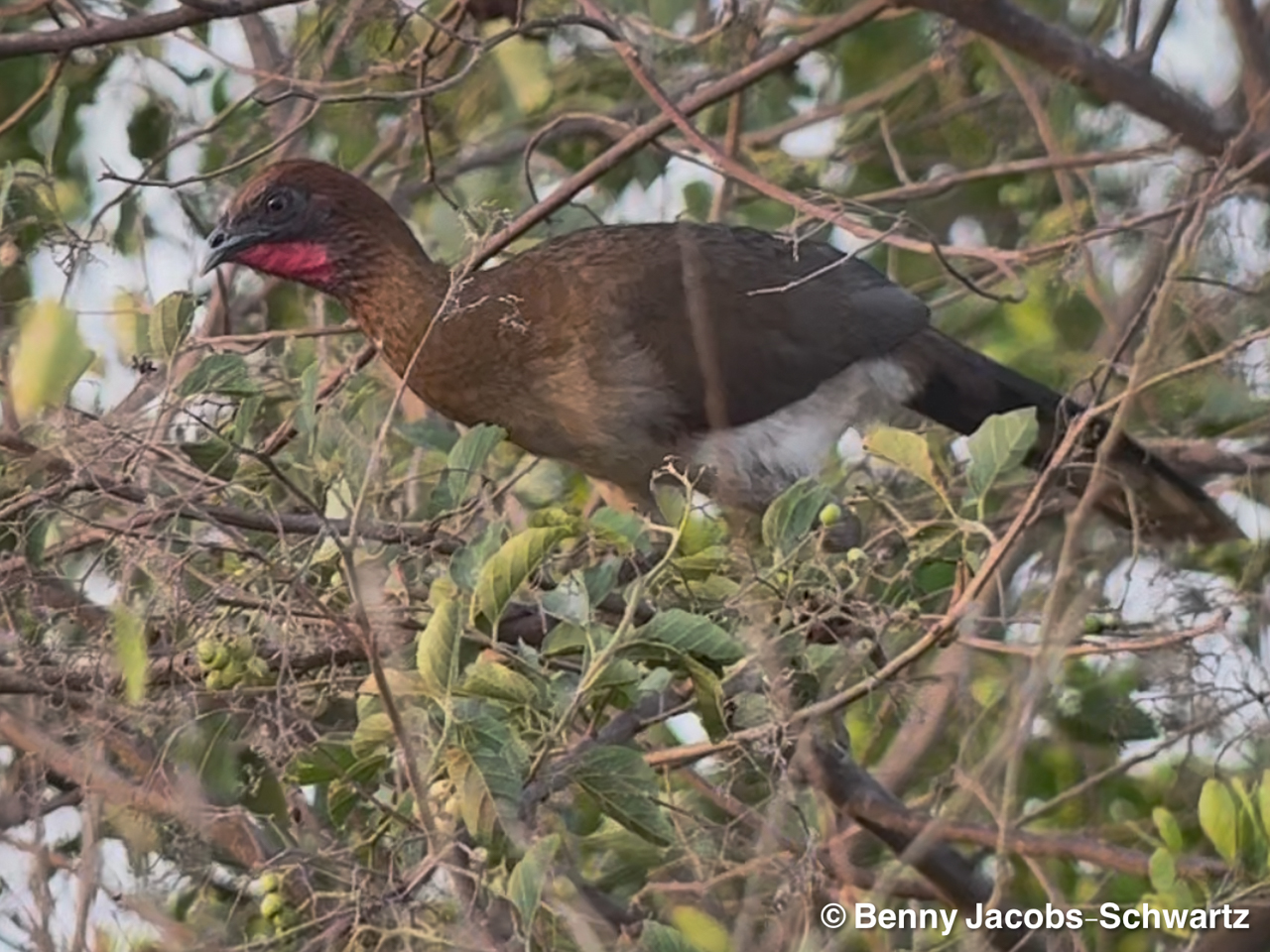
On March 29, the team moved to the KM 4 region, an area characterized by a mosaic of open habitats, dry forests, and wetlands. The productivity of this site was immediately apparent, with 64 species recorded within a 90-minute window. Key sightings included the Northern Screamer and the Chestnut-winged Chachalaca, a Colombian endemic. The survey then shifted to Isla de Salamanca National Natural Park. This site is a crucial Ramsar wetland of international importance. Here, the team documented the Sapphire-bellied Hummingbird, a critically endangered species whose population is restricted to a narrow strip of mangroves. The presence of this bird remains a vital indicator of the health of the mangrove ecosystem, which serves as a nursery for both avian and marine life.
By the afternoon of the second day, the expedition transitioned into the foothills of the Santa Marta Mountains, setting the stage for the high-elevation survey.
High-Elevation Endemism at San Lorenzo Ridge
The most critical phase of the expedition took place between March 30 and April 1 at the Cuchilla de San Lorenzo. Reaching these heights before dawn allowed the team to document the Santa Marta Screech-Owl, a species whose nocturnal habits and limited range make it a primary target for research.
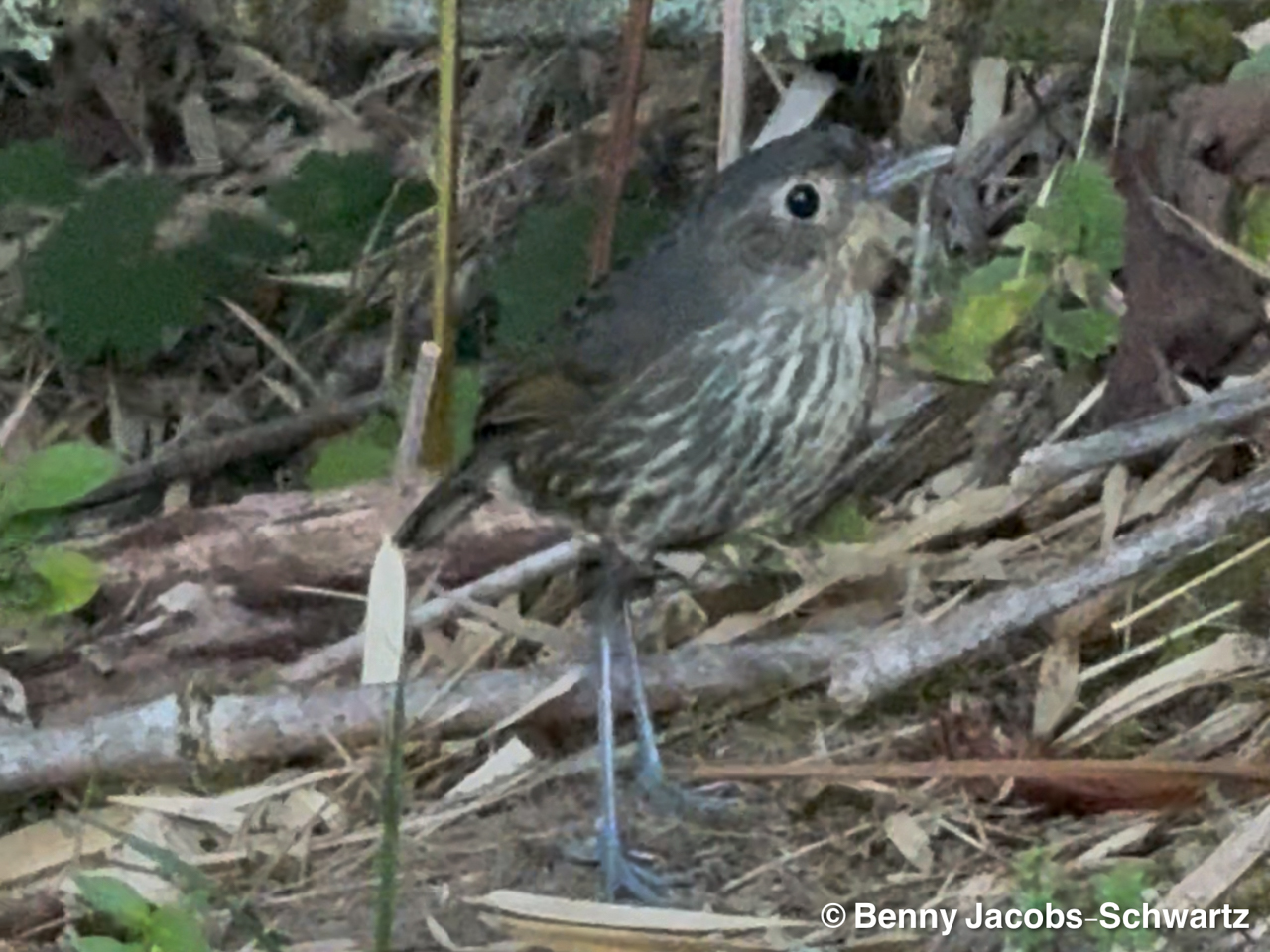
As the sun rose over the San Lorenzo Ridge, the team observed a high concentration of the "Santa Marta Endemics." These included the Sierra Nevada Antpitta, the White-tailed Starfrontlet, and the Yellow-crowned Redstart. The ridge is a vital corridor for these birds, which are adapted to the cool, humid conditions of the montane cloud forest. The documentation of the Black-cheeked Mountain-Tanager and Carriker’s Mountain Tanager provided further evidence of the rich biodiversity maintained within these high-altitude avian communities.
The survey also focused on mid-elevation sites, where a feeder station allowed for the close observation of the Black-fronted Wood-Quail and the Santa Marta Antbird. A particularly significant find was the Rufous-necked Wood-Rail; while typically found in lowland mangroves, its presence at this elevation suggests a broader ecological plasticity than previously documented or a seasonal altitudinal migration.
Avian Predators and Rare Nesting Sites
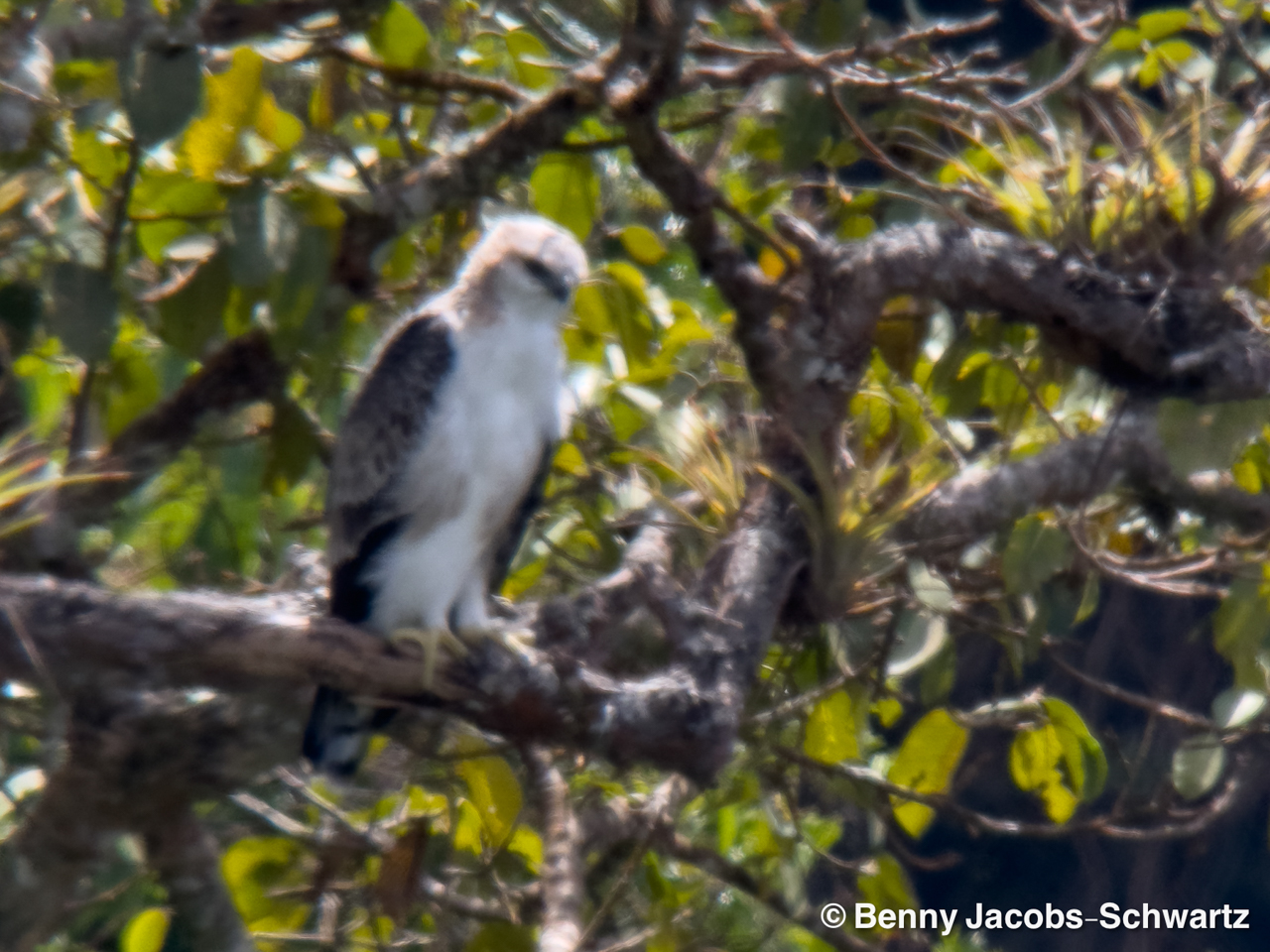
One of the expedition’s scientific highlights occurred on March 31 with the visit to a known nesting site of the Black-and-Chestnut Eagle. This raptor is listed as Endangered by the IUCN, with a dwindling population primarily threatened by deforestation and conflict with human settlements. While the adults were not visible during the observation window, the presence of a juvenile confirms the continued reproductive viability of the species in the Santa Marta range. The protection of these apex predators is essential for maintaining the balance of the forest ecosystem, as they regulate the populations of smaller mammals and birds.
The Arid Transition: La Guajira and Los Flamencos
On April 2, the expedition descended from the humid forests toward the Guajira Peninsula, a region defined by its arid environment and the culture of the indigenous Wayuu people. Near the town of Minca, the team transitioned through dry forests, noting the Military Macaw, a large parrot whose populations are declining globally due to the illegal pet trade and habitat fragmentation.
Upon reaching Los Flamencos Sanctuary, the ecological focus shifted to coastal lagoons and xerophytic scrub. The arrival of the Scarlet Ibis and the American Flamingo underscored the importance of these saline lagoons as migratory stopovers and feeding grounds. The team also documented the Mangrove Rail, an elusive species that thrives in the dense root systems of the coastal fringe. The diversity of shorebirds, including Semipalmated Plovers and Hudsonian Whimbrels, highlights the Caribbean coast’s role as a vital link in the Atlantic Flyway.
Scientific and Conservation Analysis
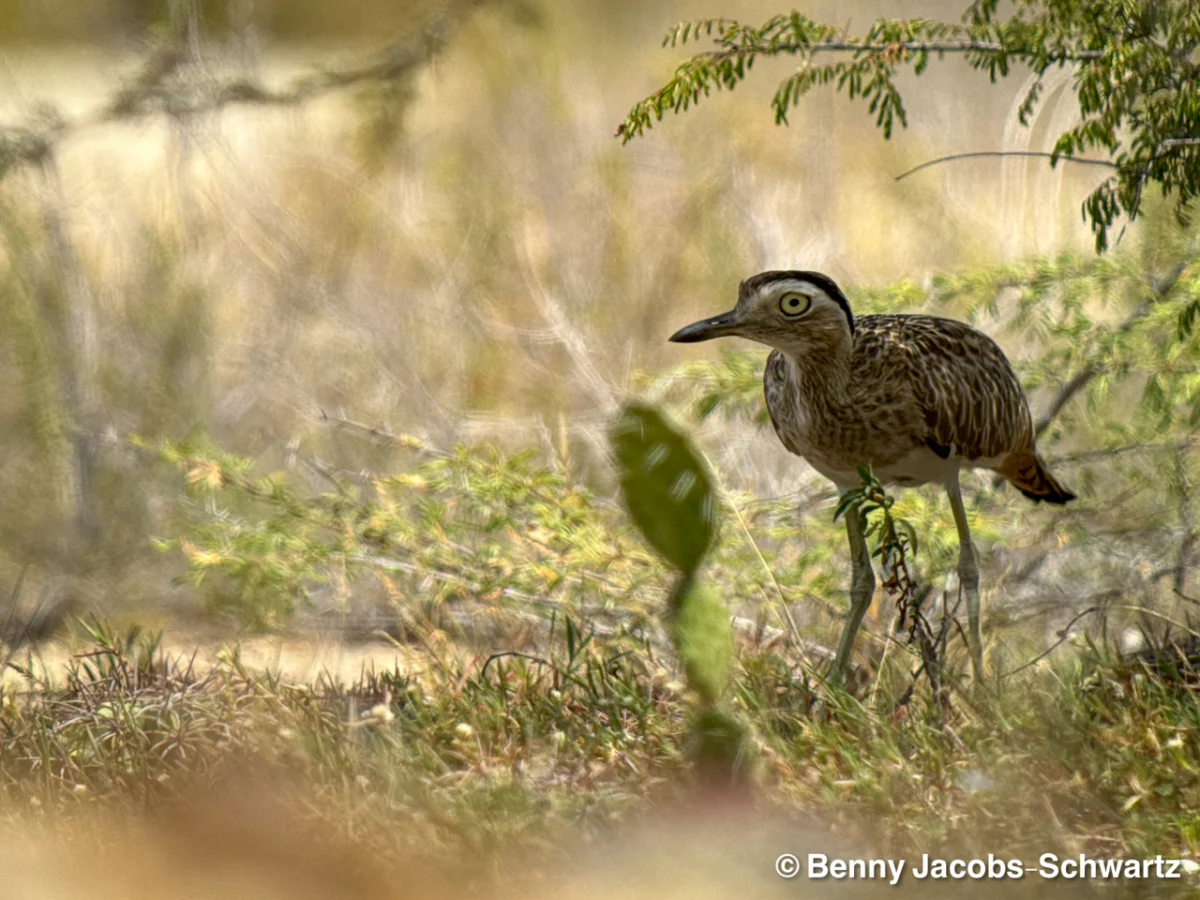
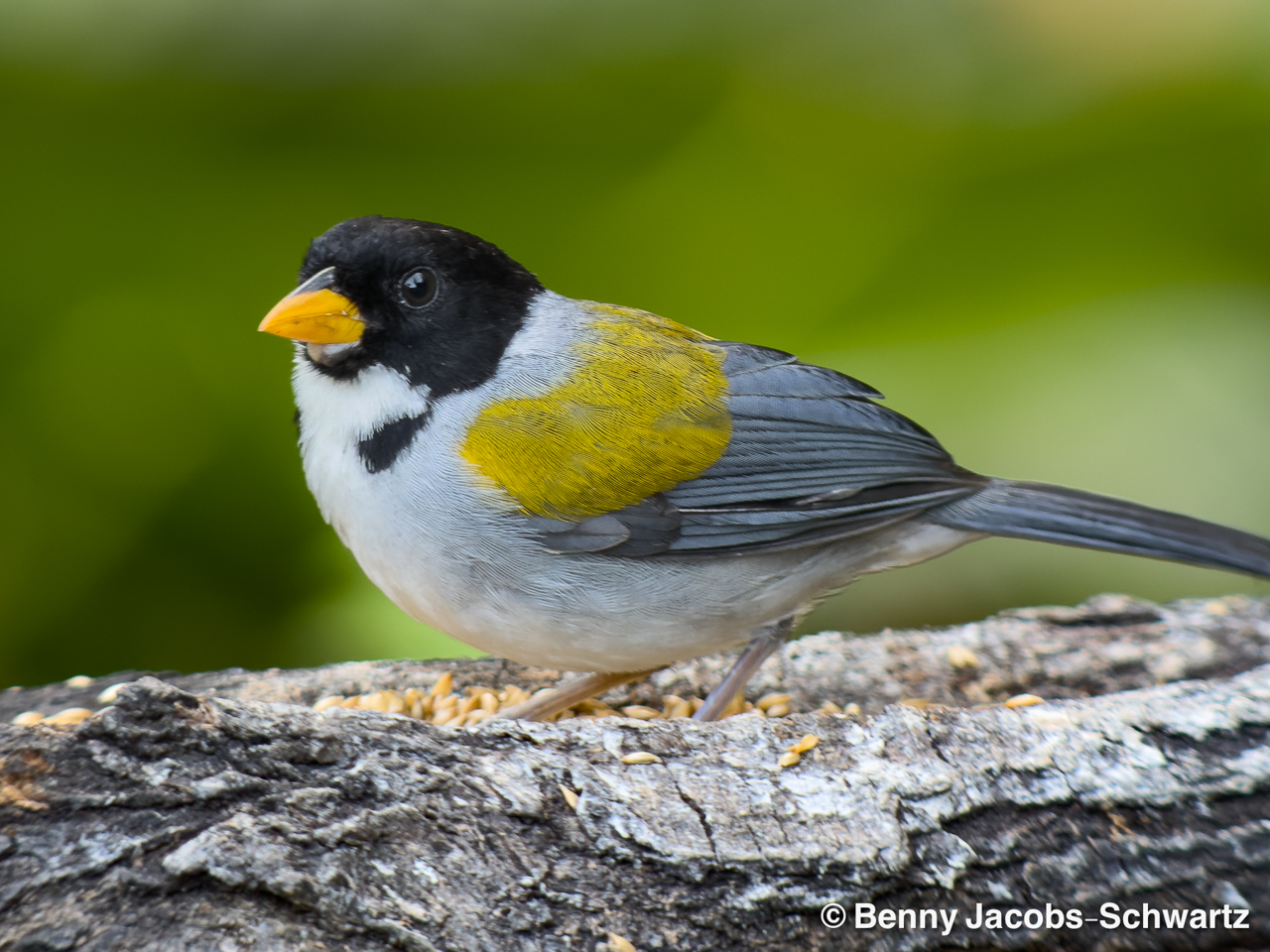
The final day of birding, April 3, took place in the dry forests near Riohacha. This habitat is home to regional specialties such as the Tocuyo Sparrow and the Vermilion Cardinal. The observation of the Double-striped Thick-knee and the White-whiskered Spinetail rounded out a comprehensive list of species that characterize the unique interface between the Caribbean Sea and the South American continent.
The expedition concluded with a return to Bogotá on April 4, having documented over 20 endemic species and hundreds of others. The data collected during these surveys is often shared with global databases like eBird, which helps scientists track population trends and the impacts of environmental changes over time.
Implications for Regional Conservation and Tourism
The success of such expeditions has broader implications for Colombia’s national strategy regarding environmental conservation. Avitourism is a high-value, low-impact industry that provides an economic incentive for local communities to protect their natural resources. In the Santa Marta region, the presence of specialized birding lodges and trained local guides has turned "birding" into a sustainable alternative to cattle ranching or extractive industries.
Furthermore, the documentation of endangered species like the Sapphire-bellied Hummingbird and the Black-and-Chestnut Eagle serves as a call to action for international conservation groups. The preservation of the "Santa Marta Biosphere" is not merely a local concern but a global priority, given the high concentration of unique genetic lineages found on the mountain.
Summary of Observed Endemics
The expedition’s final report confirmed the sighting of the following Colombian endemics, representing a significant portion of the country’s unique avian heritage:
- Hummingbirds: Santa Marta Woodstar, Santa Marta Blossomcrown, Sapphire-bellied Hummingbird, White-tailed Starfrontlet.
- Owls and Gamebirds: Santa Marta Screech-Owl, Chestnut-winged Chachalaca.
- Passerines: Sierra Nevada Antpitta, Santa Marta Antbird, Santa Marta Tapaculo, Brown-rumped Tapaculo, Santa Marta Foliage-Gleaner, Hermit Wood-Wren, Sierra Nevada Brushfinch, Santa Marta Brushfinch.
- Warblers and Tanagers: White-lored Warbler, Yellow-crowned Redstart, Black-cheeked Mountain Tanager, Carriker’s Mountain Tanager.
- Parrots: Turquoise-winged Parrotlet.
As habitat loss continues to pose a threat to these species, the continued monitoring provided by such expeditions remains a cornerstone of Colombian ornithology. The data reinforces the necessity of maintaining protected areas like the Sierra Nevada de Santa Marta National Park and the Flamencos Sanctuary to ensure that these unique species do not vanish. The expedition participants departed on April 4, leaving behind a wealth of data that confirms Northern Colombia’s status as an unparalleled bastion of avian life.
