
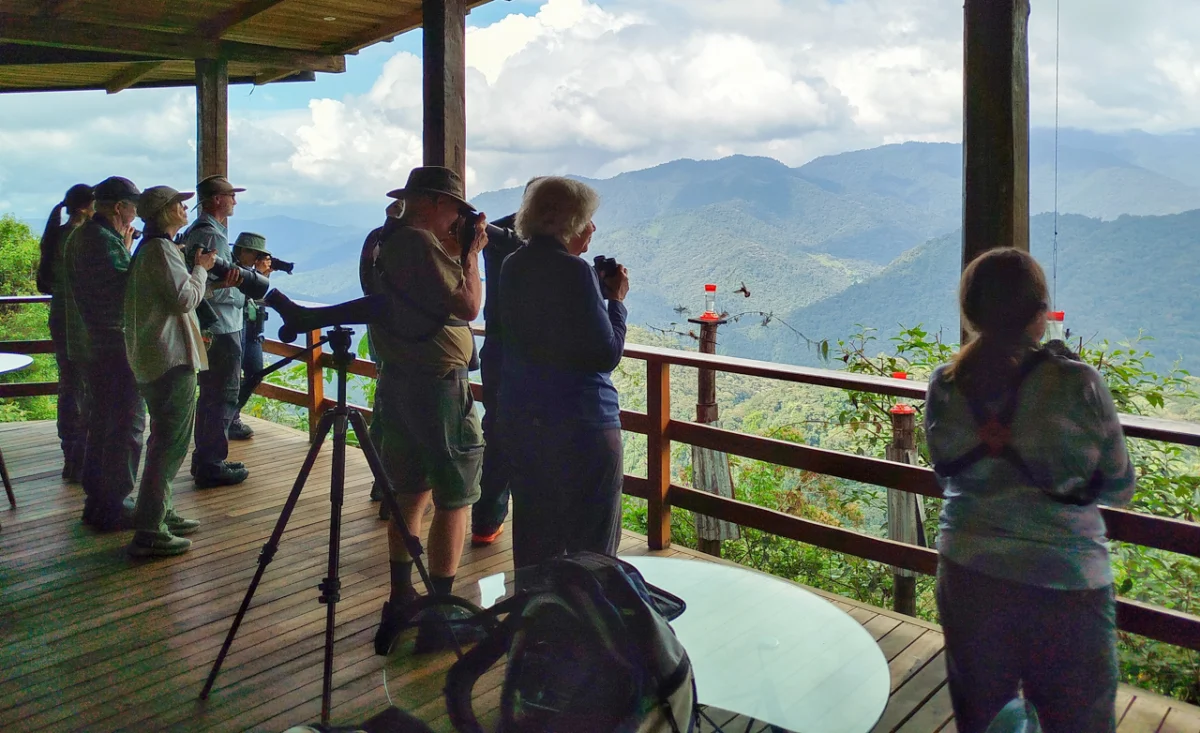
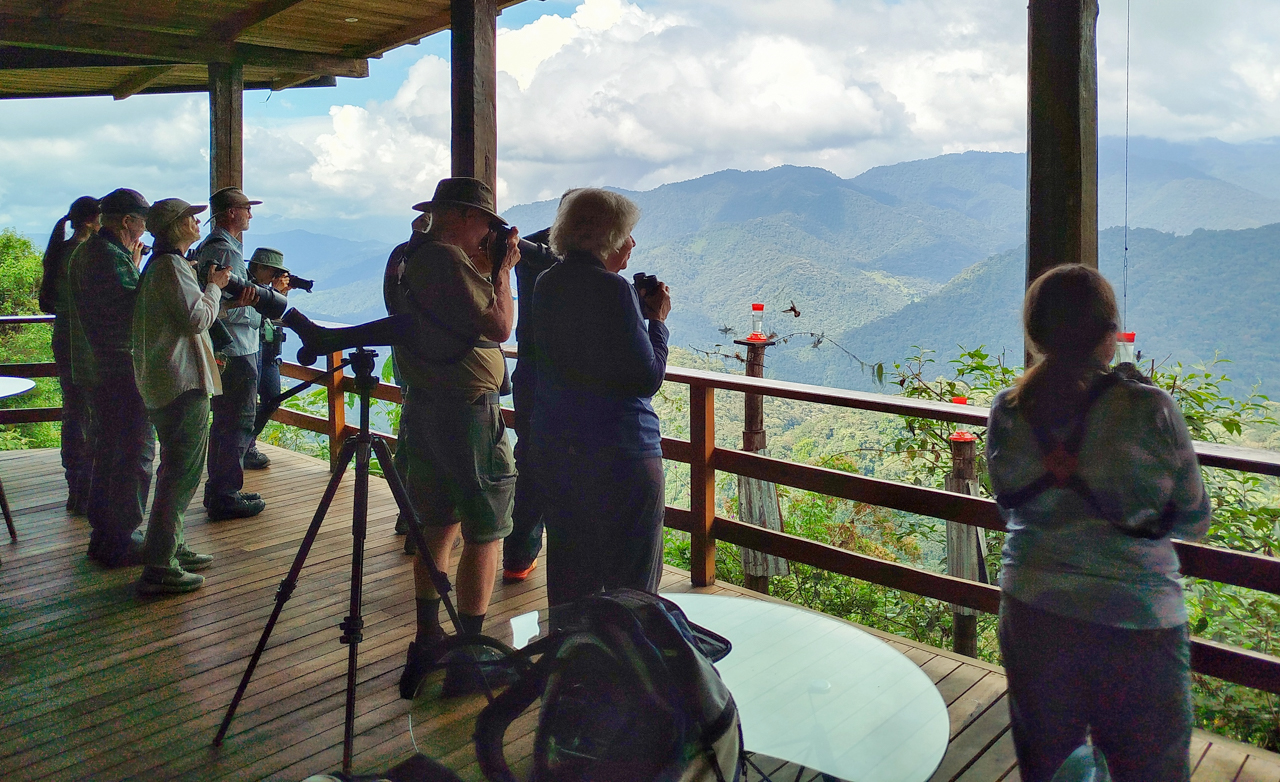
An extensive 17-day biological survey and birding expedition across Ecuador has concluded with the recording of 556 distinct avian species, underscoring the nation’s status as one of the most biodiverse regions on Earth. The journey, led by expert ornithological guides Ernesto Carman and a team of local naturalists, followed a complex transect through seven major ecological lodges. The route spanned from the arid inter-Andean valleys of Puembo to the high-altitude páramo of Papallacta, descending through the Chocó cloud forests of the western slope and the eastern Andean foothills, finally terminating in the deep Amazonian basin at Sani Isla.
The total species count represents approximately one-third of Ecuador’s total avifauna, a remarkable figure achieved through a strategic movement across varying altitudes and microclimates. The expedition highlights not only the density of Neotropical biodiversity but also the critical role of community-led conservation and specialized eco-tourism in preserving these fragile habitats.
The Western Slope and the Chocó Endemic Zone
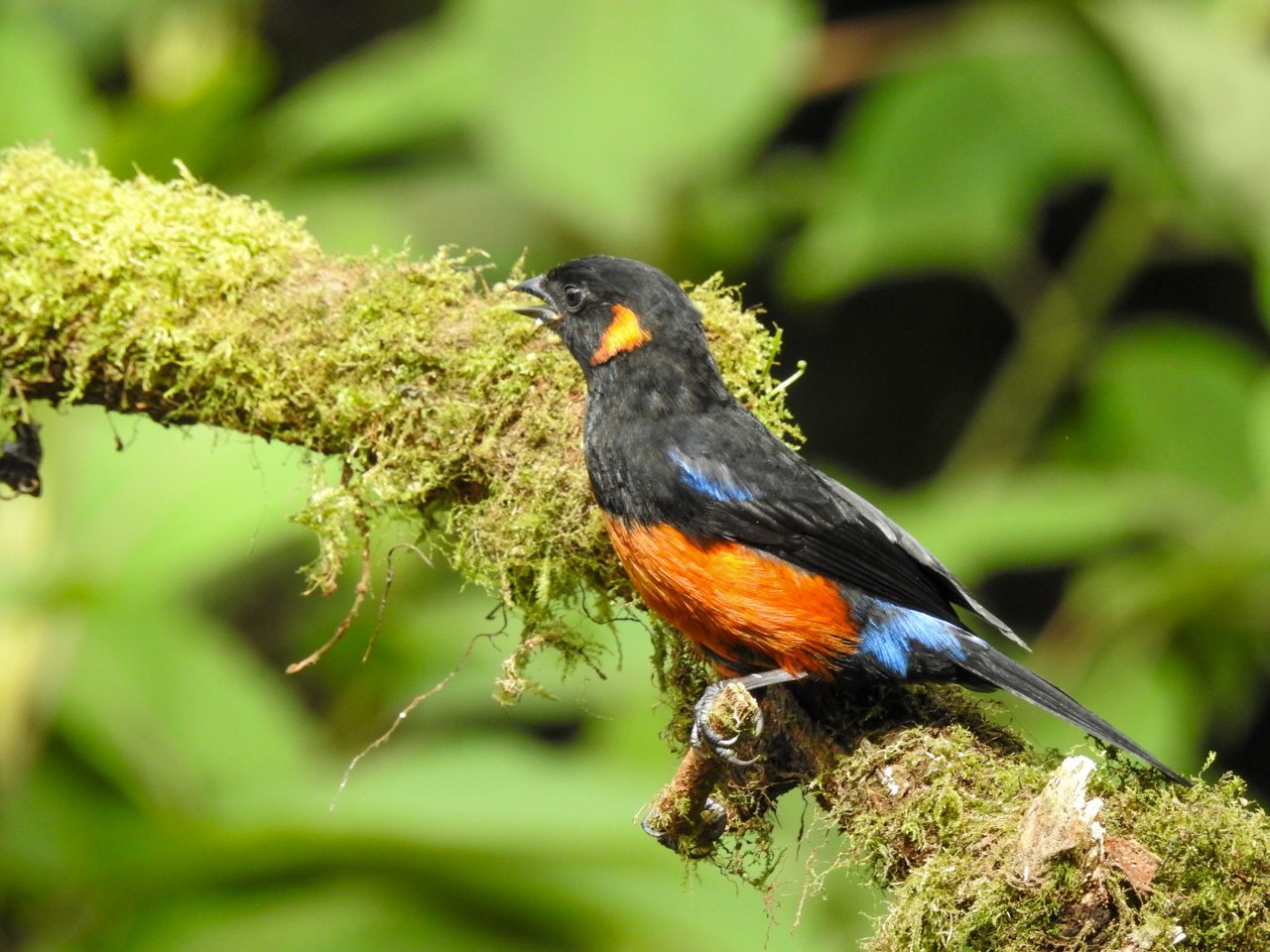
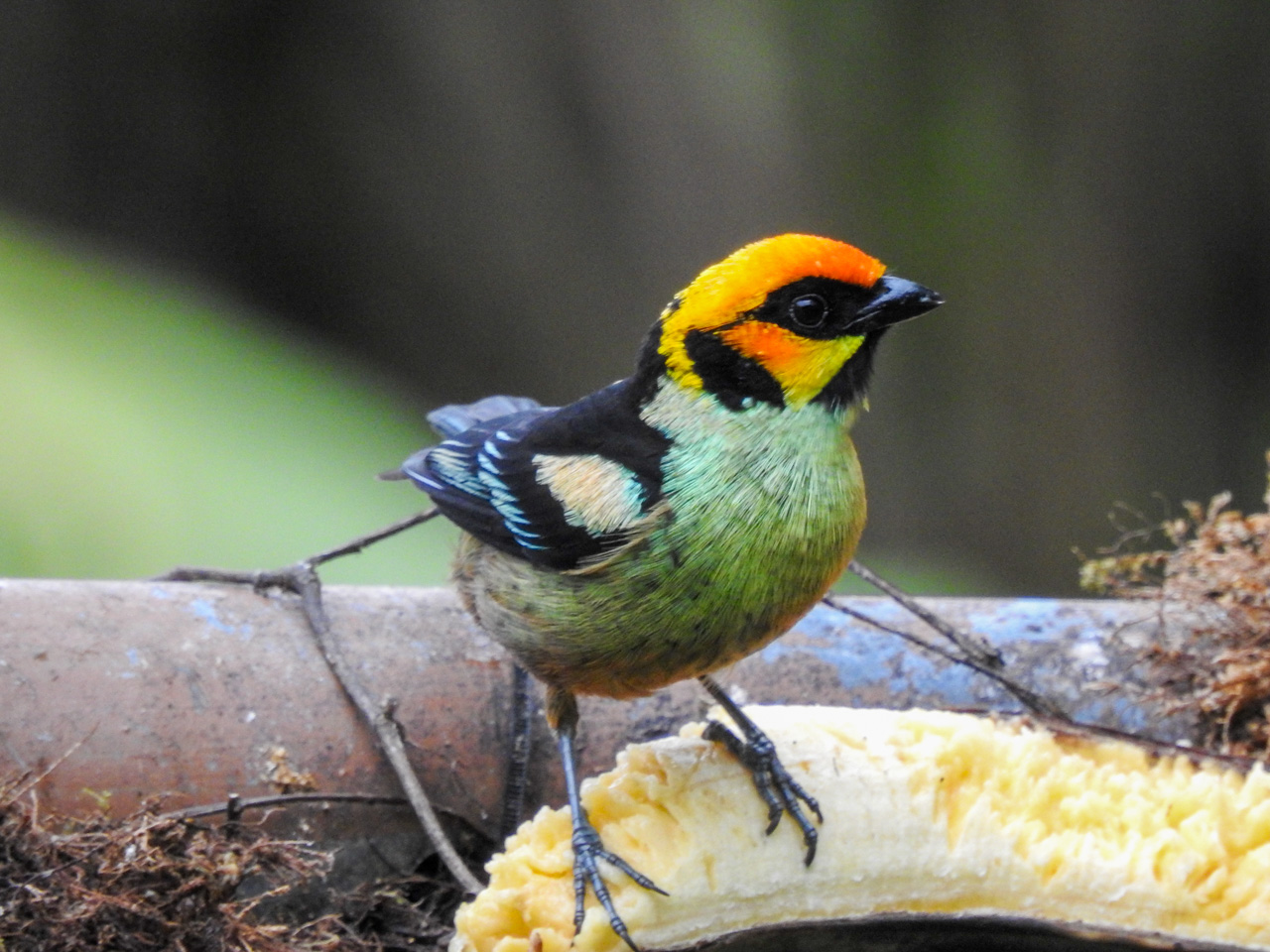
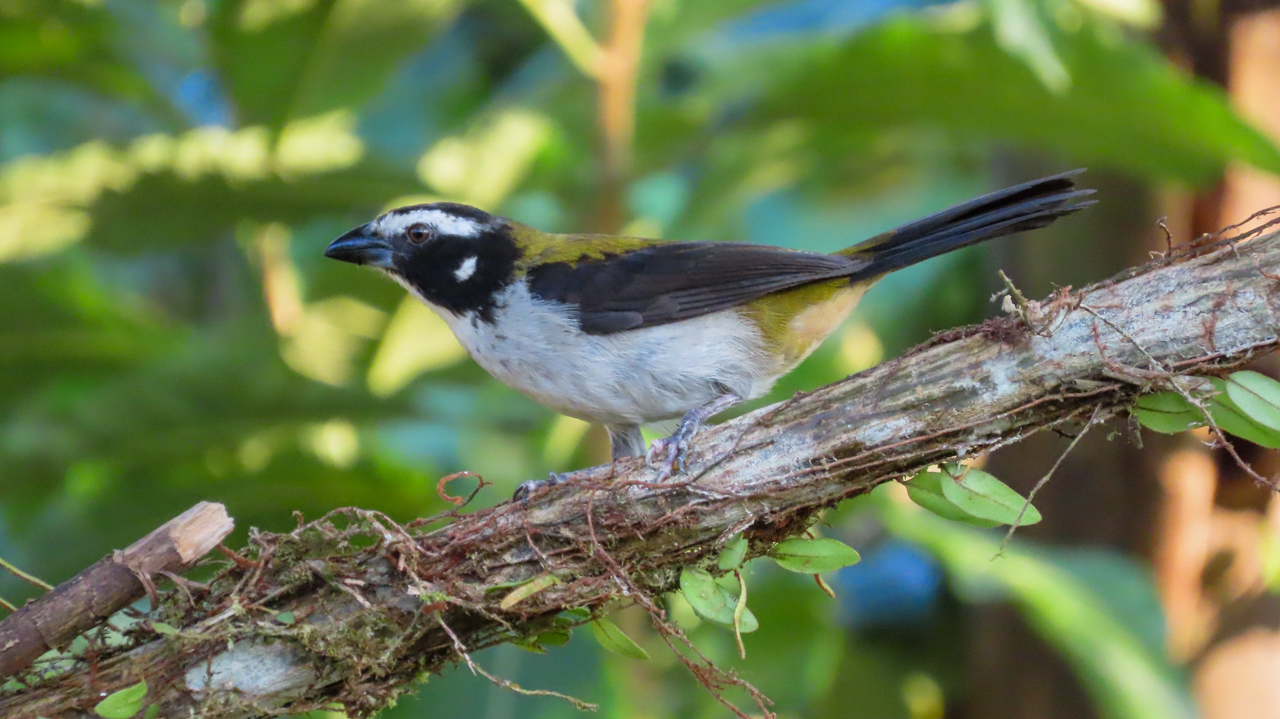
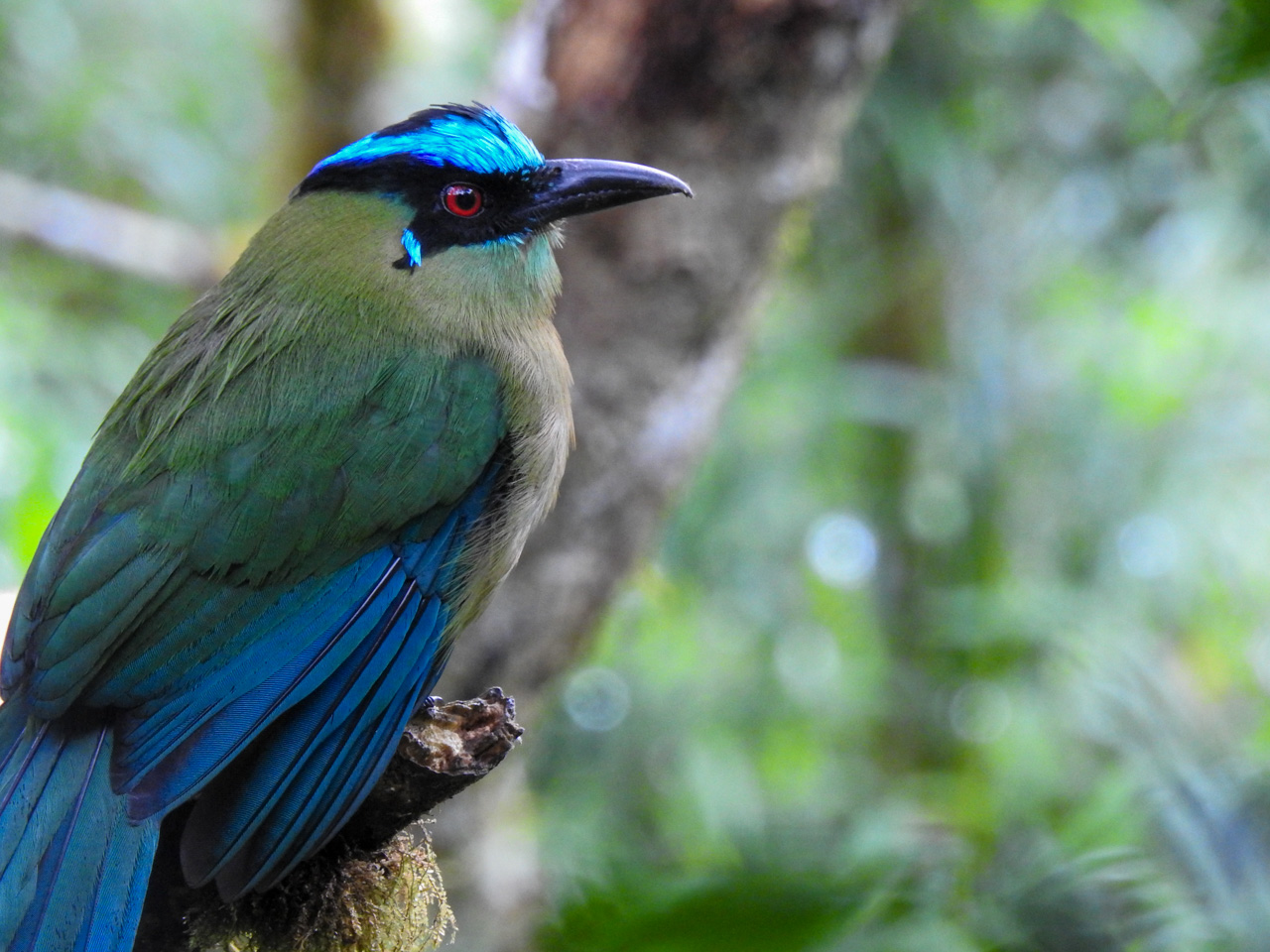
The expedition commenced on March 30 in the dry inter-Andean valley of Puembo, a region characterized by cactus and eucalyptus, providing a stark contrast to the humid forests to follow. By March 31, the group transitioned to the western slope of the Andes, entering the Chocó cloud forest, a global biodiversity hotspot known for high levels of endemism.
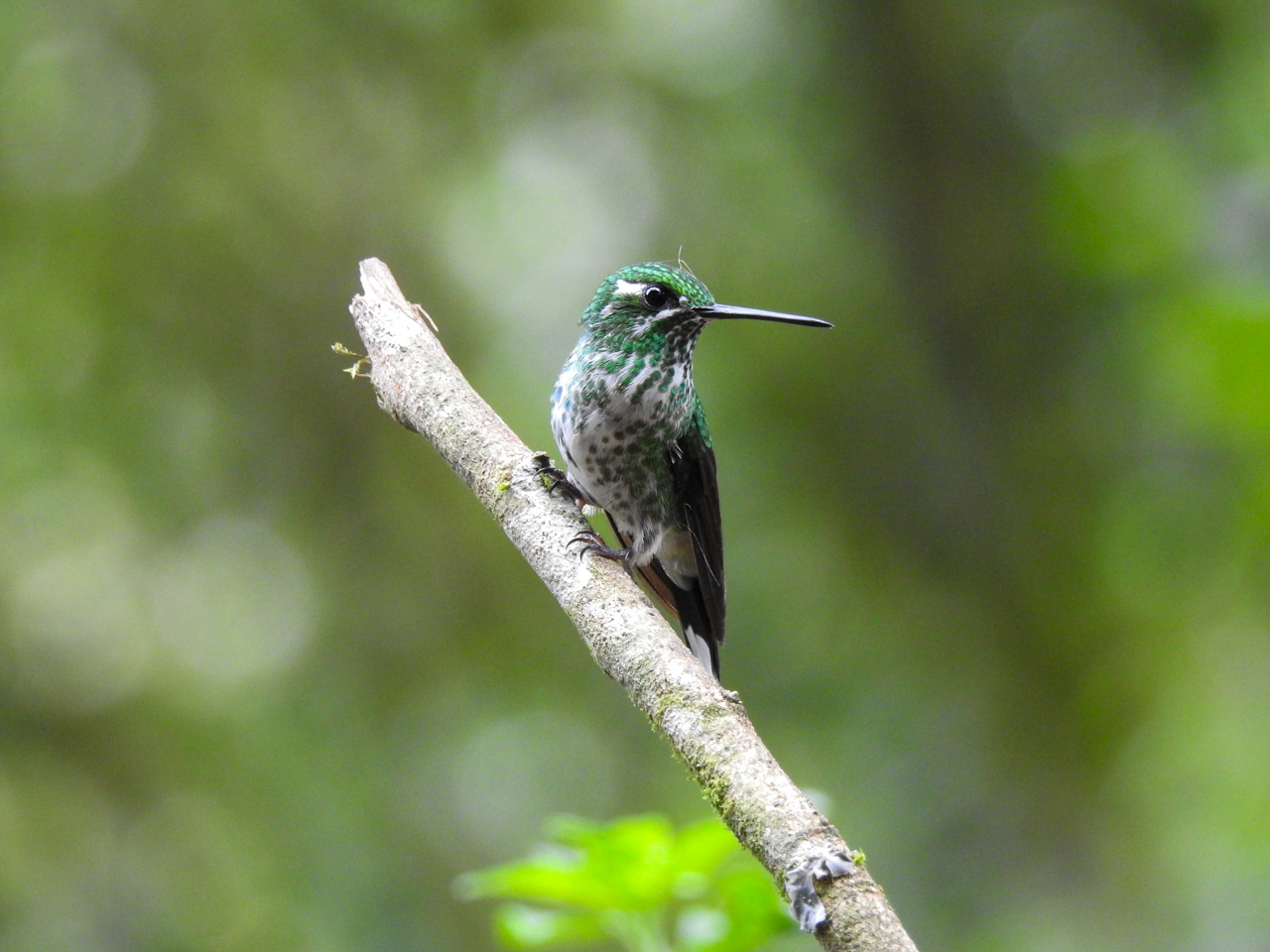
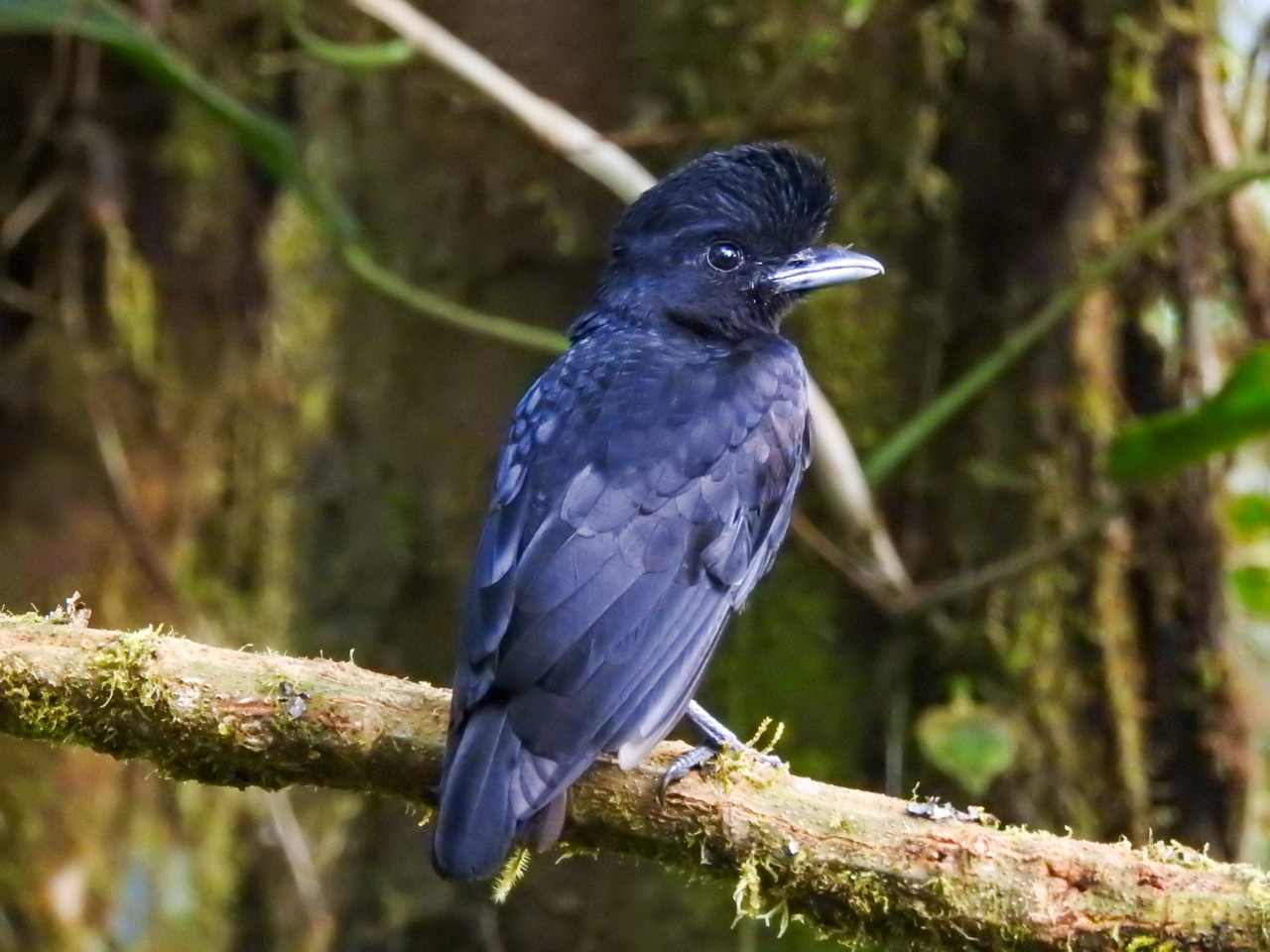
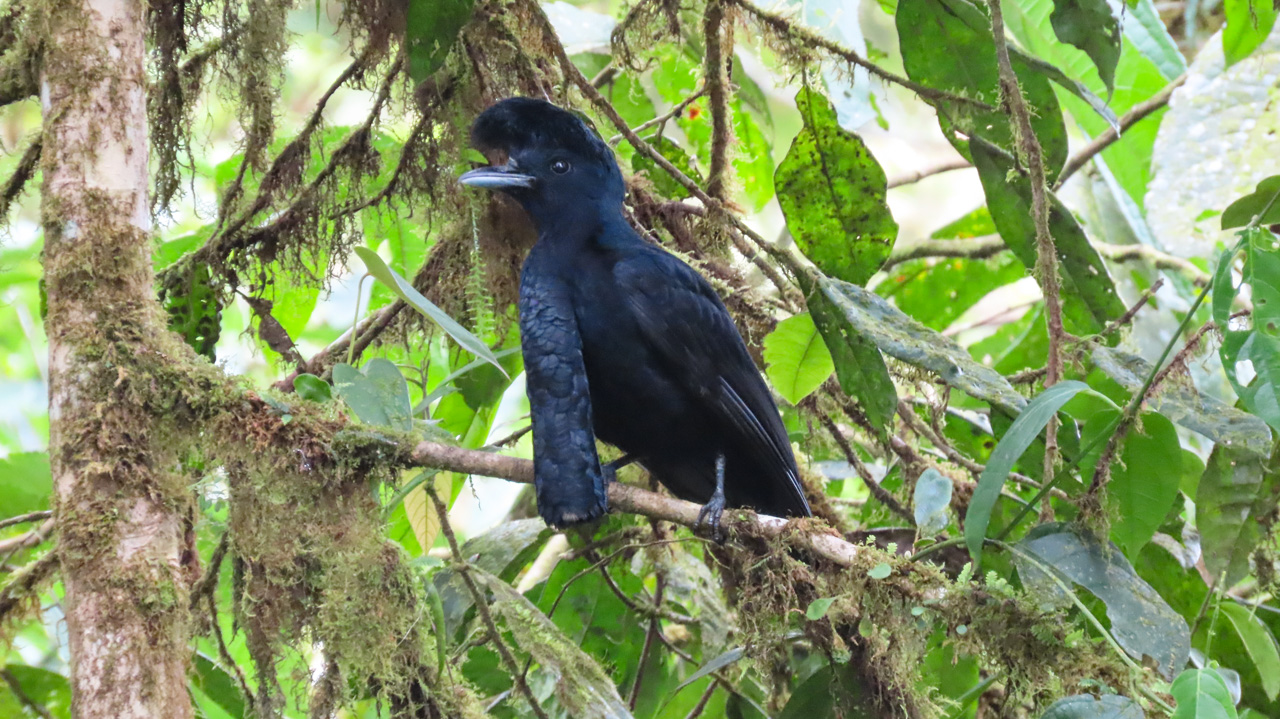
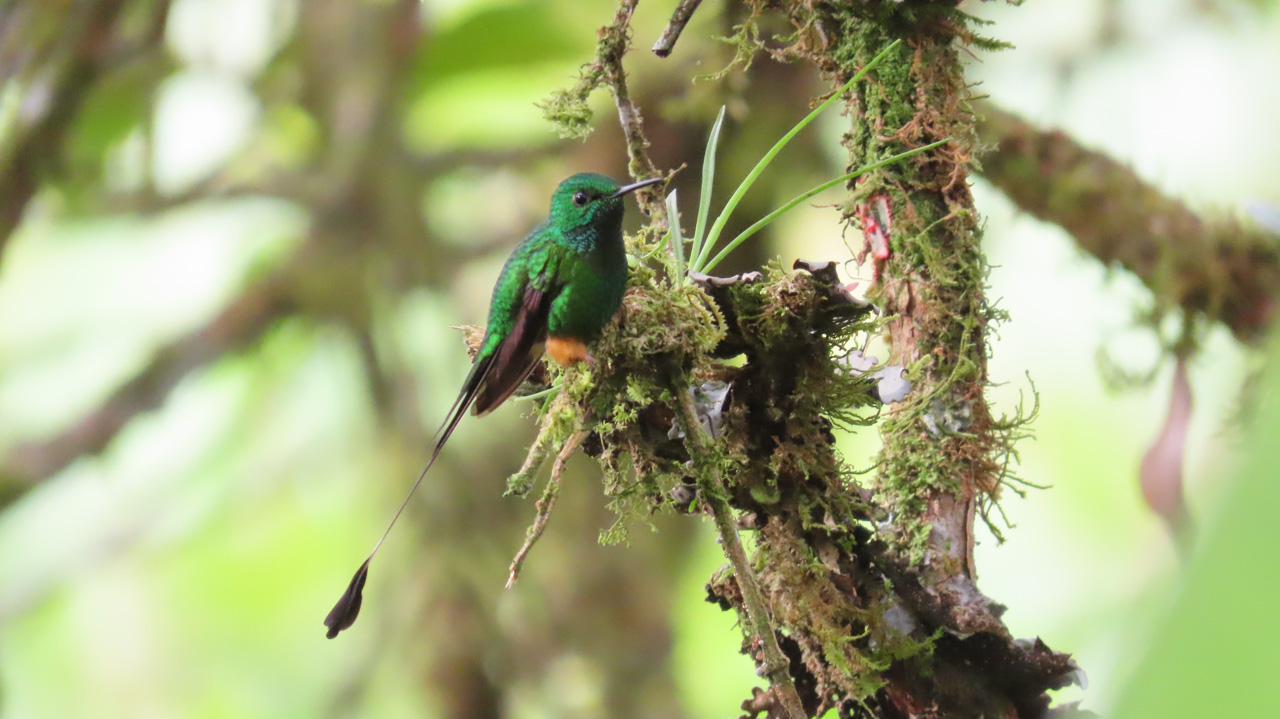
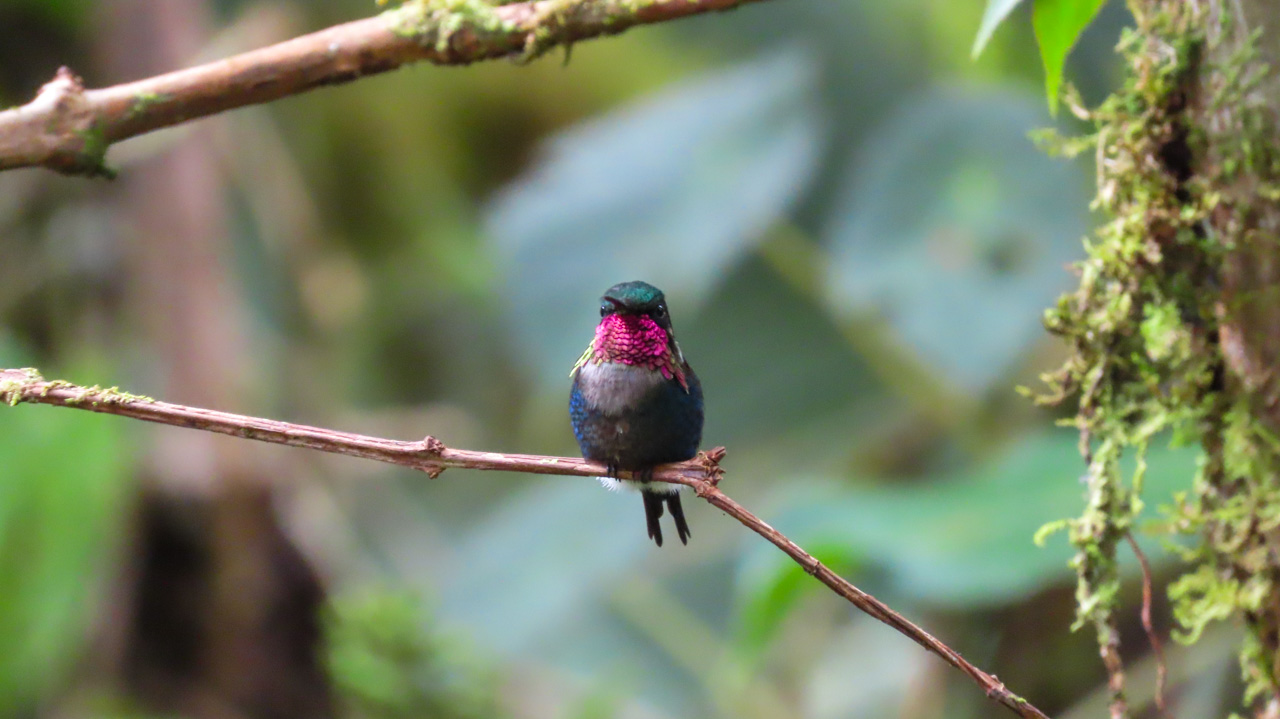
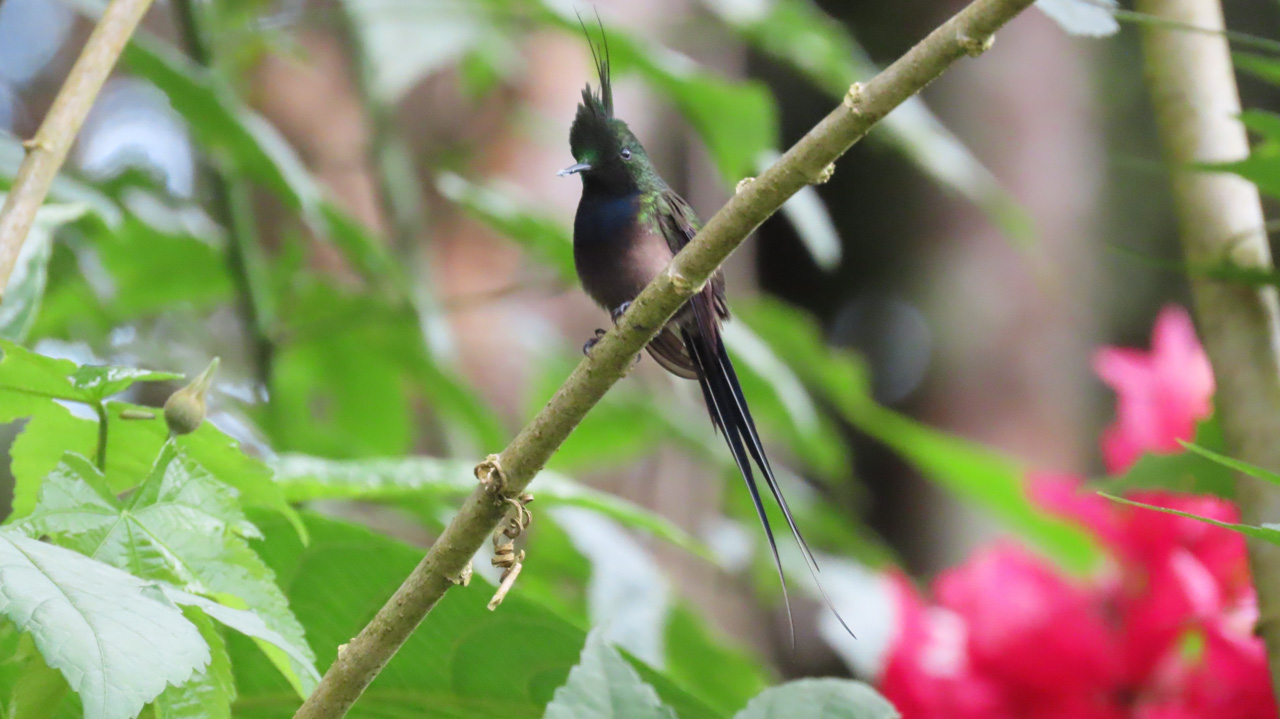
Based at Sachatamia Lodge and visiting the Reserva Zuro Loma, the group documented high-elevation specialists such as the Sword-billed Hummingbird (Ensifera ensifera), the only bird with a bill longer than its body. The Chocó region provided critical sightings of the Long-wattled Umbrellabird, including a rare observation of a female feeding an immature bird. This species is currently classified as Vulnerable by the IUCN due to habitat loss.
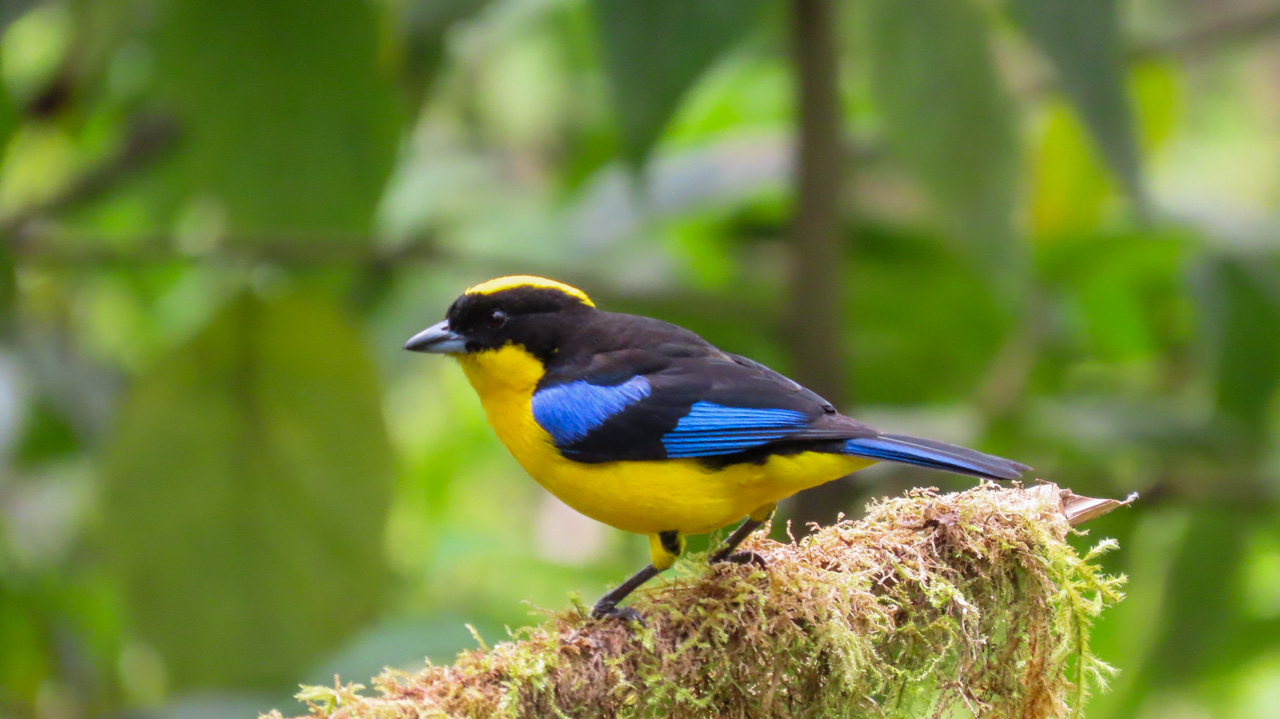
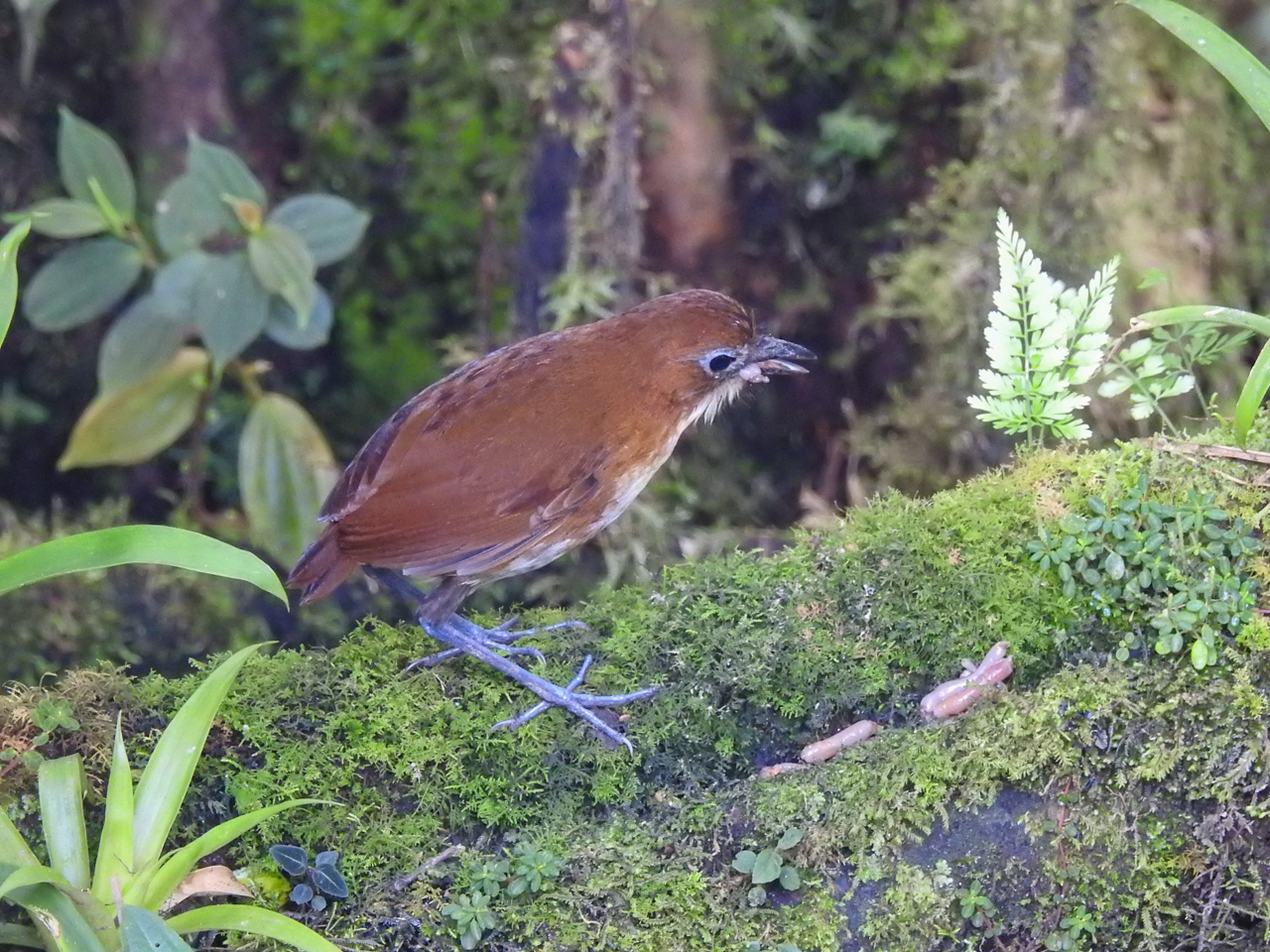
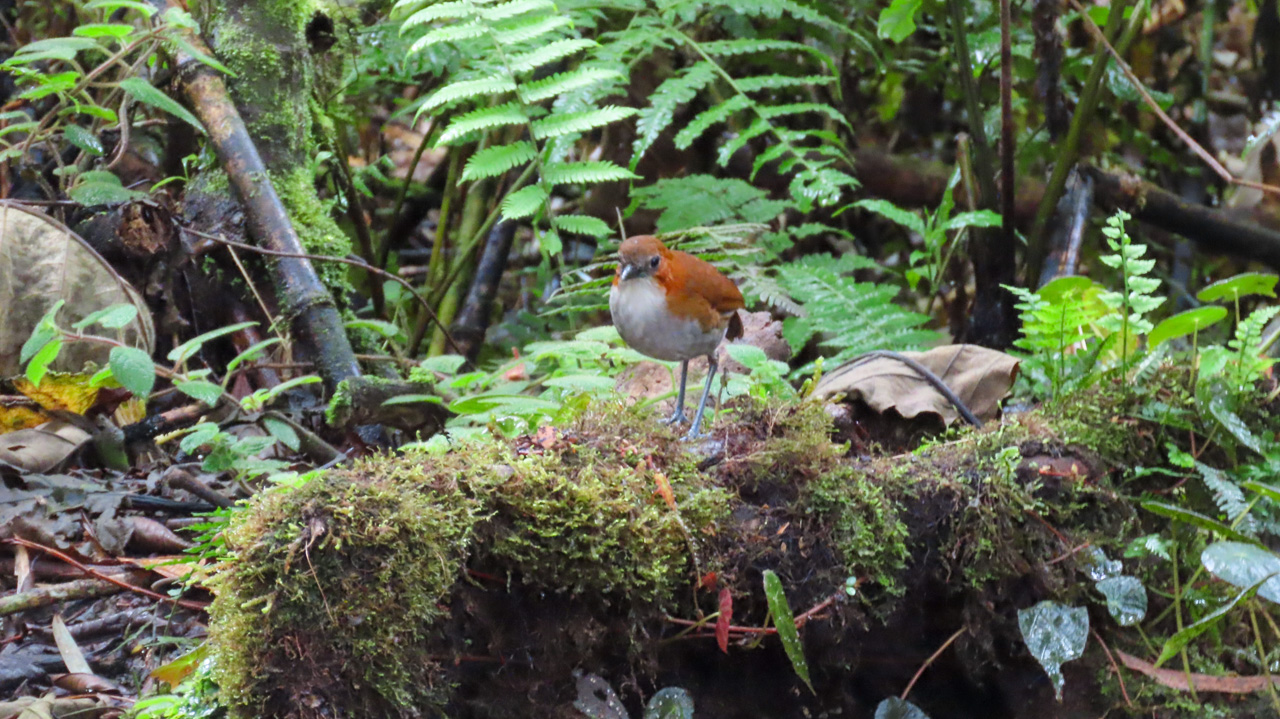
A significant portion of the western leg was dedicated to Refugio Paz de las Aves. This site is historically significant in the ornithological community as the location where "Antpitta habituation" was pioneered by Angel Paz. Once a logger, Paz developed techniques to encourage elusive, ground-dwelling antpittas to appear in the open. The group observed the Yellow-breasted Antpitta, a feat that was once considered nearly impossible for casual observers.
Crossing the Continental Divide: High Altitude Surveys
On April 3 and 4, the expedition crossed the Andean crest, moving from the western Chocó to the eastern temperate forests. This transition included a survey of the Calacalí region, where the group recorded the Tufted Tit-Tyrant and various sierra finches.
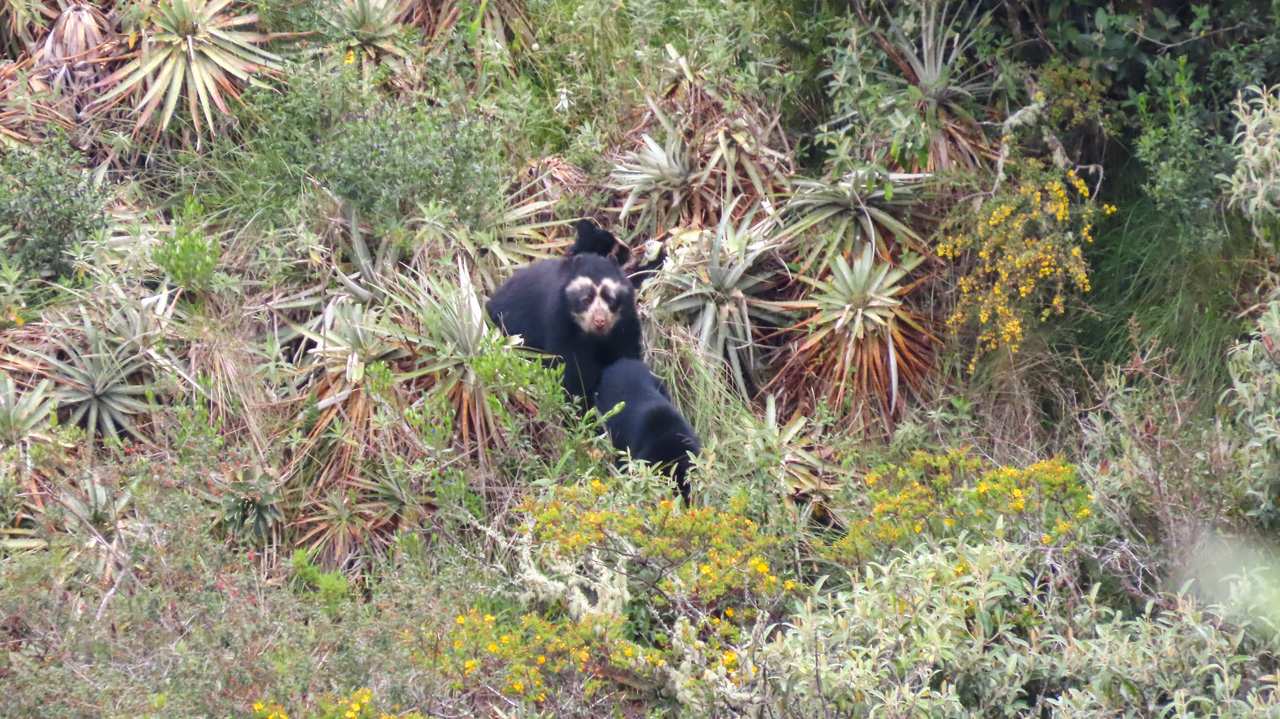
A highlight of the transit was the sighting of a female Andean Bear (Tremarctos ornatus) with two cubs. The Andean Bear is South America’s only bear species and is a flagship for conservation in the tropical Andes. The observation of the family feeding on Puya plants offered a rare look at the megafauna that shares these corridors with the avian population.
Reaching the Papallacta radio antennas within the Cayambe-Coca Ecological Reserve, the group conducted surveys at 4,300 meters above sea level. In this tundra-like páramo, they recorded the Rufous-bellied Seedsnipe and the Andean Condor. The condor, a national symbol of Ecuador, remains a species of high conservation concern, and the sighting of two individuals drifting over the ridgeline provided important data on their continued presence in the northern highlands.
Eastern Cloud Forests and Foothill Biodiversity
Descending the eastern slope, the expedition utilized Guango Lodge and Cabañas San Isidro to sample the temperate and cloud forest biomes. The eastern slope of the Andes is often cited as having the highest species richness per square kilometer in the world.
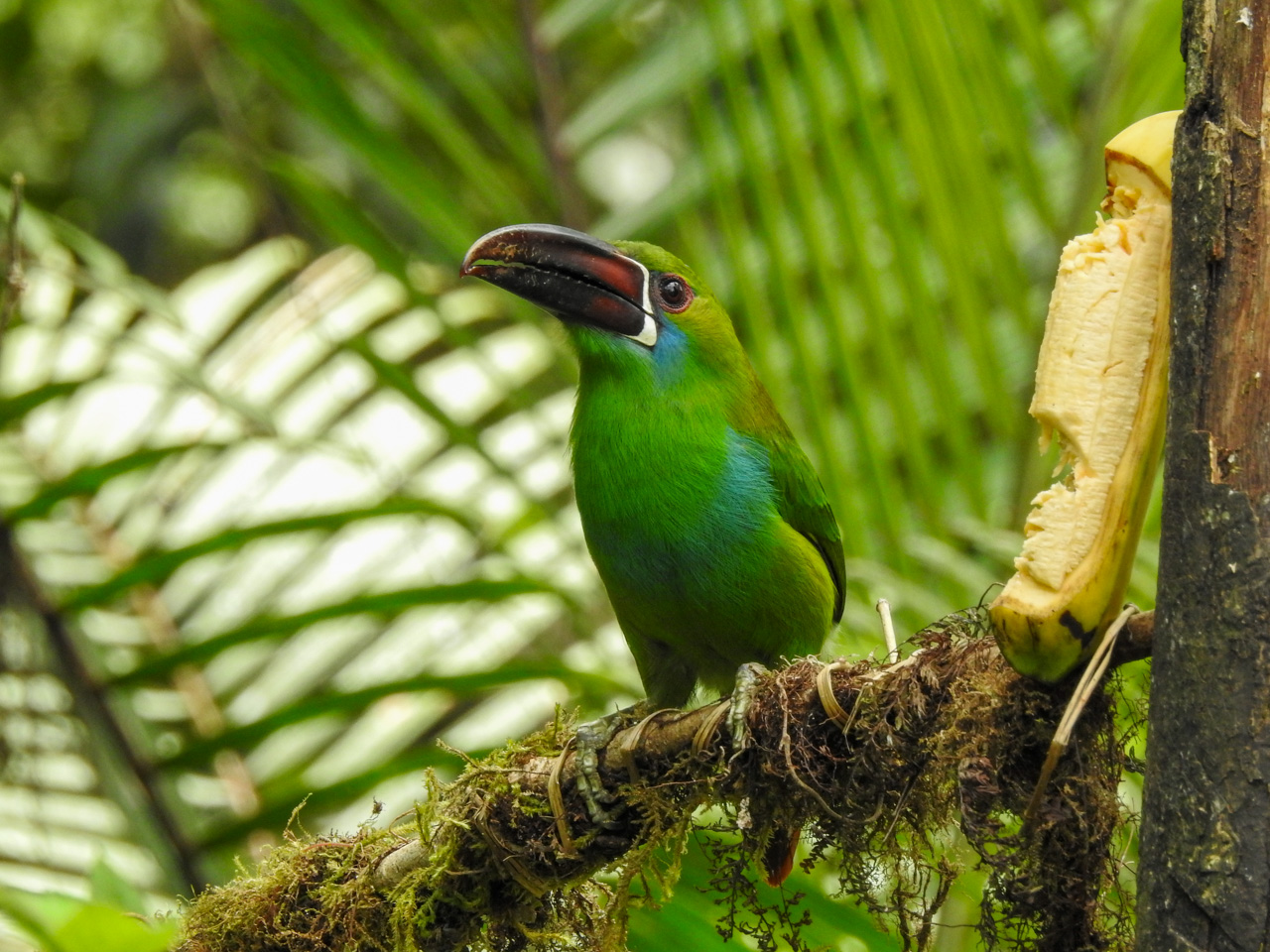
At Guango Lodge, located at 2,700 meters, the focus shifted to the "whitewater" specialists of the rushing Andean rivers. The group recorded the Torrent Duck and the Fasciated Tiger-Heron, both of which are highly adapted to life in high-velocity aquatic environments. San Isidro provided a unique opportunity to study the "San Isidro Owl," an as-yet-undescribed population of Black-banded Owl that may eventually be recognized as a distinct species.
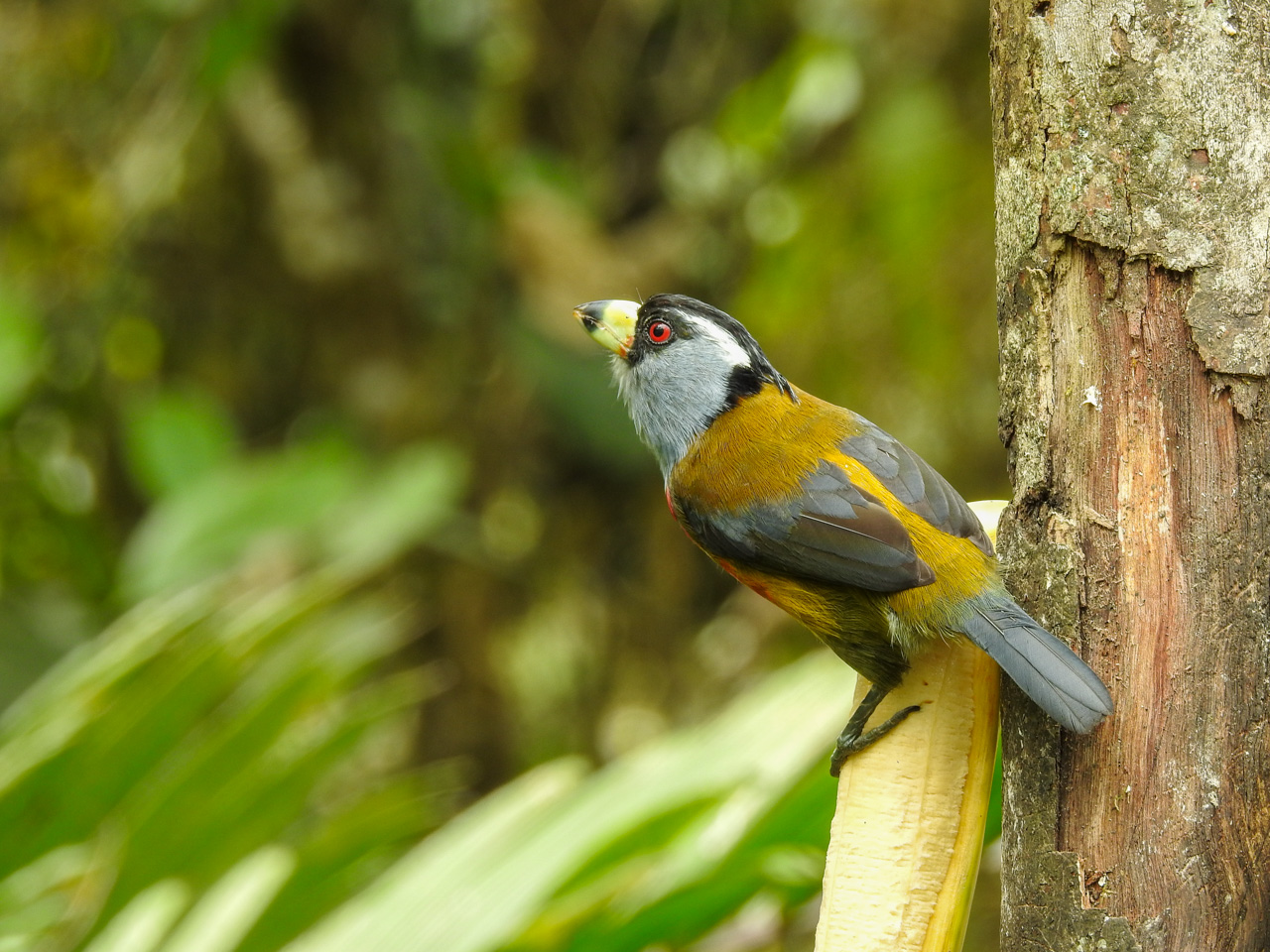
The transition to WildSumaco Lodge between April 7 and 10 marked the entry into the foothills of the Amazon. This elevation (approximately 1,200 to 1,500 meters) serves as a mixing zone for highland and lowland species. The group documented the Military Macaw and the Coppery-chested Jacamar, both of which are range-restricted. The use of community-run projects like Amarún Pakcha highlighted the growing trend of local Kichwa communities pivoting from subsistence farming to forest stewardship.
The Amazon Basin: Sani Isla and Community Conservation
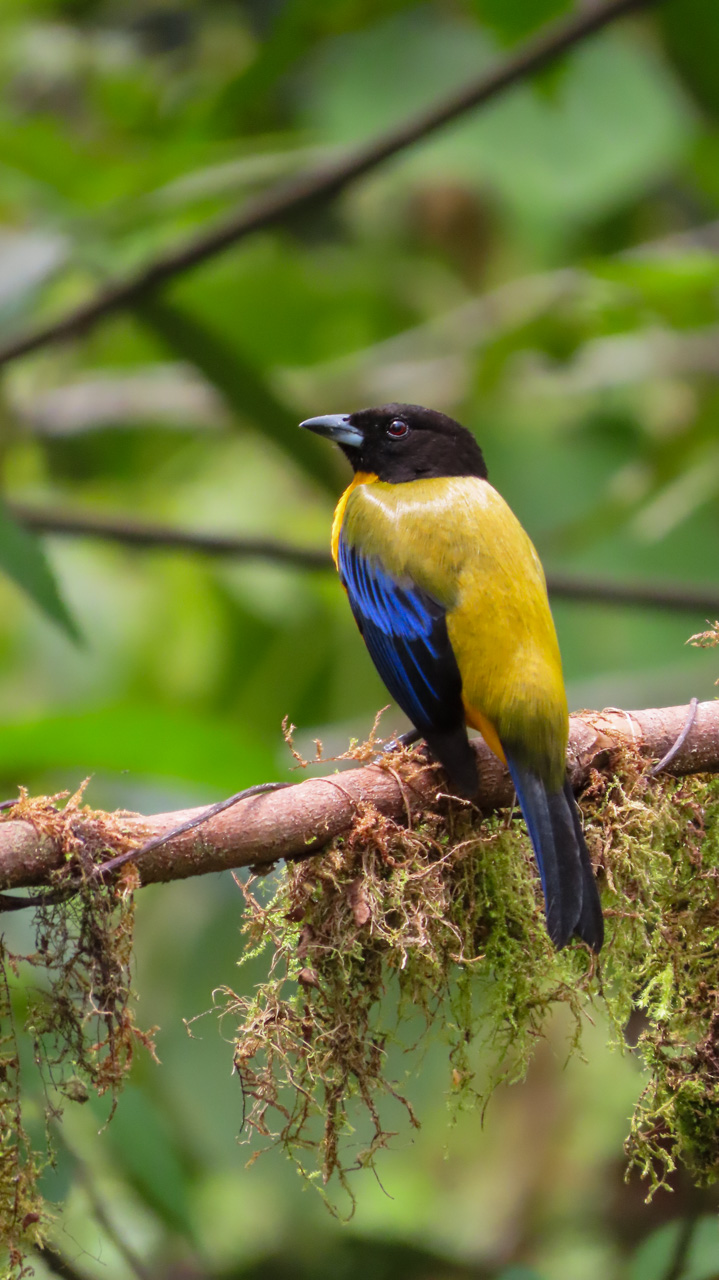
The final and most remote leg of the expedition took place from April 10 to 14 at Sani Lodge in the deep Amazon. This lodge is entirely owned and operated by the Kichwa community of Sani Isla, who famously turned down lucrative oil drilling contracts to preserve their 40,000 hectares of virgin rainforest.
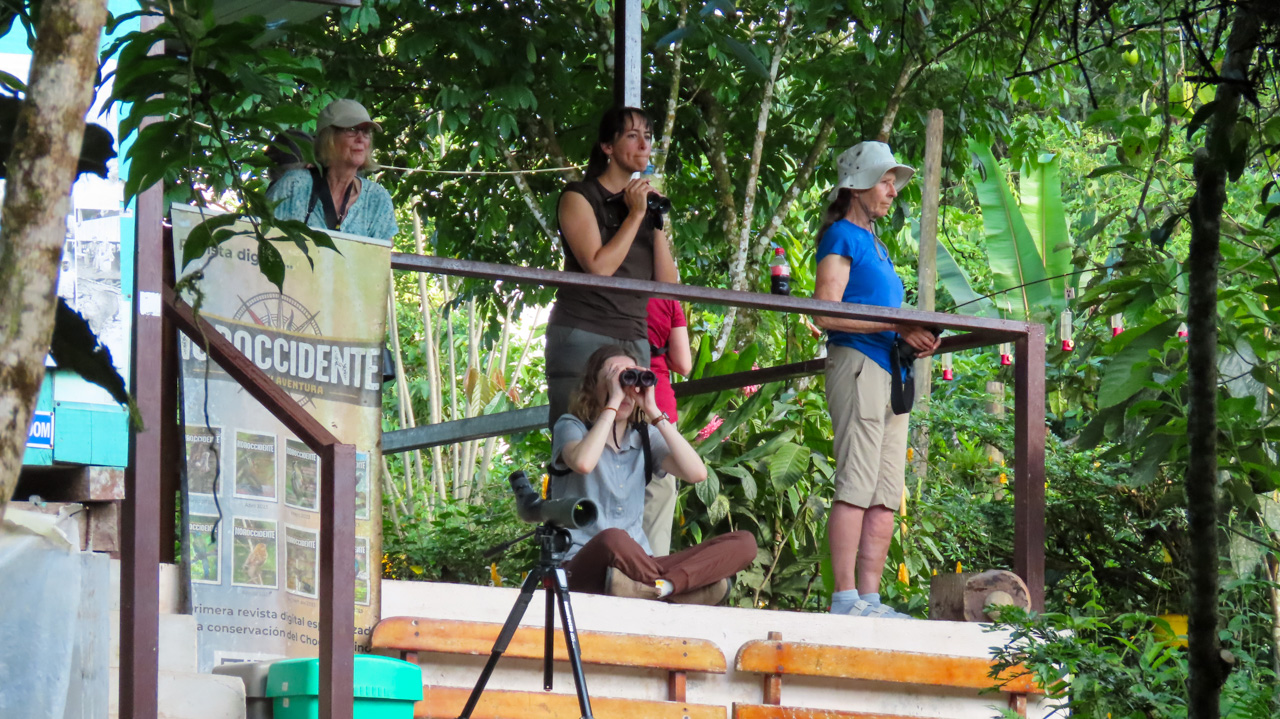
Surveys in the Amazonian lowlands were conducted via silent paddled canoes and canopy towers. From a 30-meter-high platform built into an emergent Kapok tree, the group observed canopy specialists such as the Spangled Cotinga and multiple species of Aracari. The Amazonian portion of the trip added significant numbers to the raptor and waterbird tallies, including the prehistoric-looking Hoatzin and the Sungrebe.
A notable event occurred on April 12 during a visit to the Sani community, where the group observed a family of Western Pygmy Marmosets, the world’s smallest monkeys. This underscored the multi-taxa benefits of the community’s "standing forest" policy. Furthermore, the group visited the parrot clay licks on the Napo River, where hundreds of Mealy Amazons and Cobalt-winged Parakeets congregate to consume mineral-rich soil, a vital behavioral display for the health of psittacine populations.
Logistical Summary and Final Results
The expedition concluded with a return to the high Andes and a final survey at Tambo Cóndor on April 14. This final stop yielded the Giant Hummingbird—the largest hummingbird in the world—and a male Andean Condor perched at eye level on a cliff face, providing an exceptional conclusion to the biological survey.
Key Statistics of the Expedition:
- Total Duration: 17 Days
- Total Bird Species Recorded: 556
- Total Lodges Utilized: 7 (Puembo, Sachatamia, Guango, San Isidro, WildSumaco, Sani, Tambo Cóndor)
- Significant Mammal Sightings: Andean Bear (3), Andean Fox, Black Agouti, Pygmy Marmoset, Red Howler Monkey, Common Woolly Monkey.
- Highest Altitude Surveyed: 4,300 meters (Papallacta)
- Lowest Altitude Surveyed: 250 meters (Napo River Basin)
Analysis of Implications
The success of the 556-species tally highlights the efficacy of the "lodge-hopping" model in Neotropical birding. By moving through different altitudinal bands, researchers and eco-tourists can document a vast array of species that are often separated by only a few hundred meters of elevation.
From a conservation perspective, the expedition reinforces the importance of the "Sani Isla Model." In a region frequently pressured by extractive industries, community-owned eco-tourism provides a viable economic alternative that keeps the forest intact. The data collected by such expeditions often serves as a baseline for local conservationists to argue for the protection of specific corridors, such as the one between the Sumaco Volcano and the Amazonian lowlands.
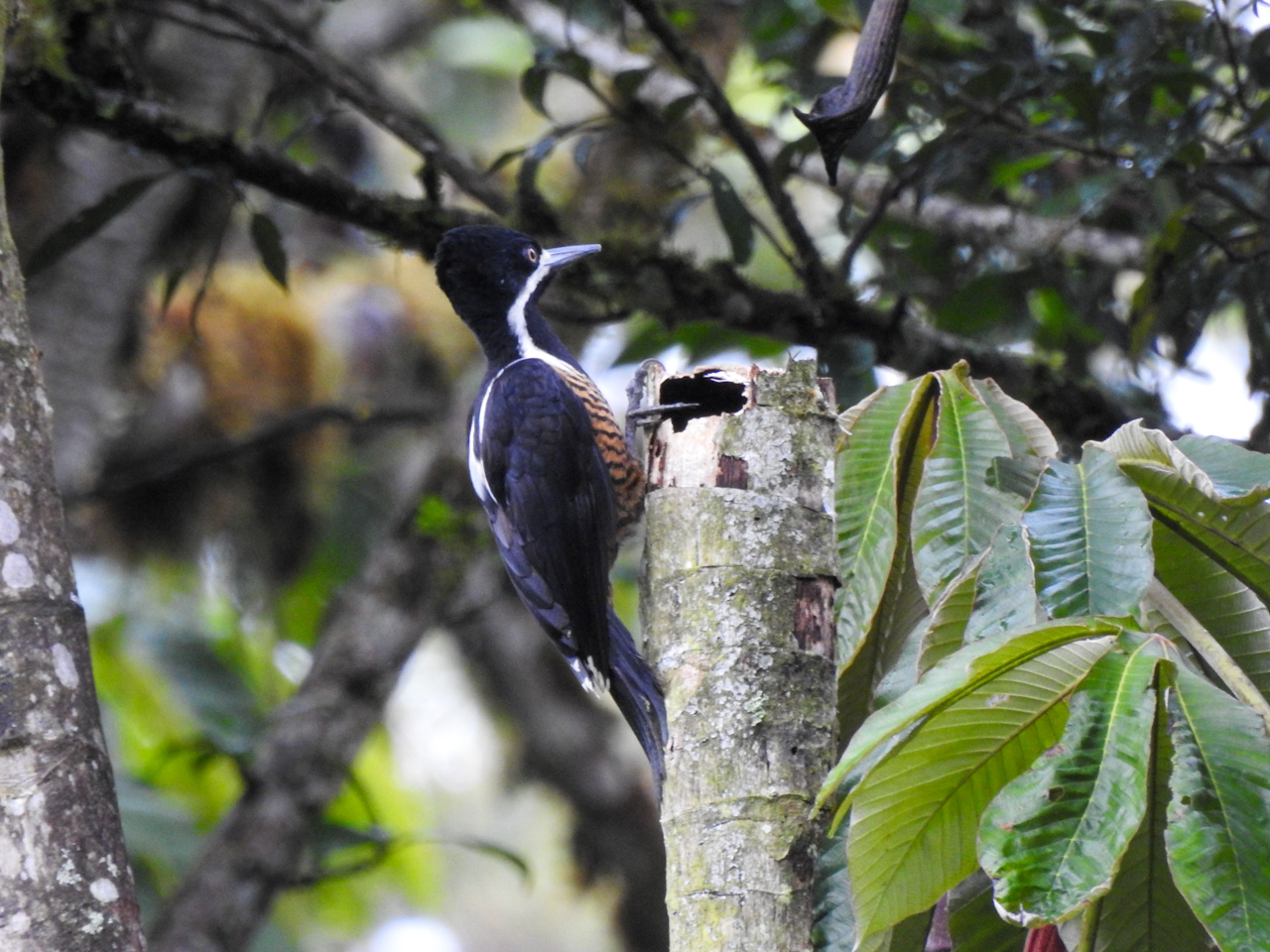
The presence of rare raptors, such as the Black-and-chestnut Eagle and the Orange-breasted Falcon, indicates that despite ongoing deforestation in parts of the Andes, these large-range predators still find enough contiguous habitat to hunt and breed in Ecuador’s protected private reserves.
Official Reflections
The guides and local experts involved emphasized that the expedition’s results were a testament to the "camaraderie and patience" of the group. Local guides Luis Panamá, Byron Gualavisí, and the Kichwa naturalists Carlos “Churi” and Ólger were cited as instrumental in the high species count. Their ability to identify species by vocalization and silhouette is a specialized skill set that is increasingly being recognized as a form of "traditional ecological knowledge" essential for modern conservation efforts.
The expedition officially concluded with a final checklist at the Puembo Birding Garden, where the data was finalized for submission to global databases such as eBird, contributing to the broader scientific understanding of avian distribution in the tropical Andes and the Amazon basin.
