
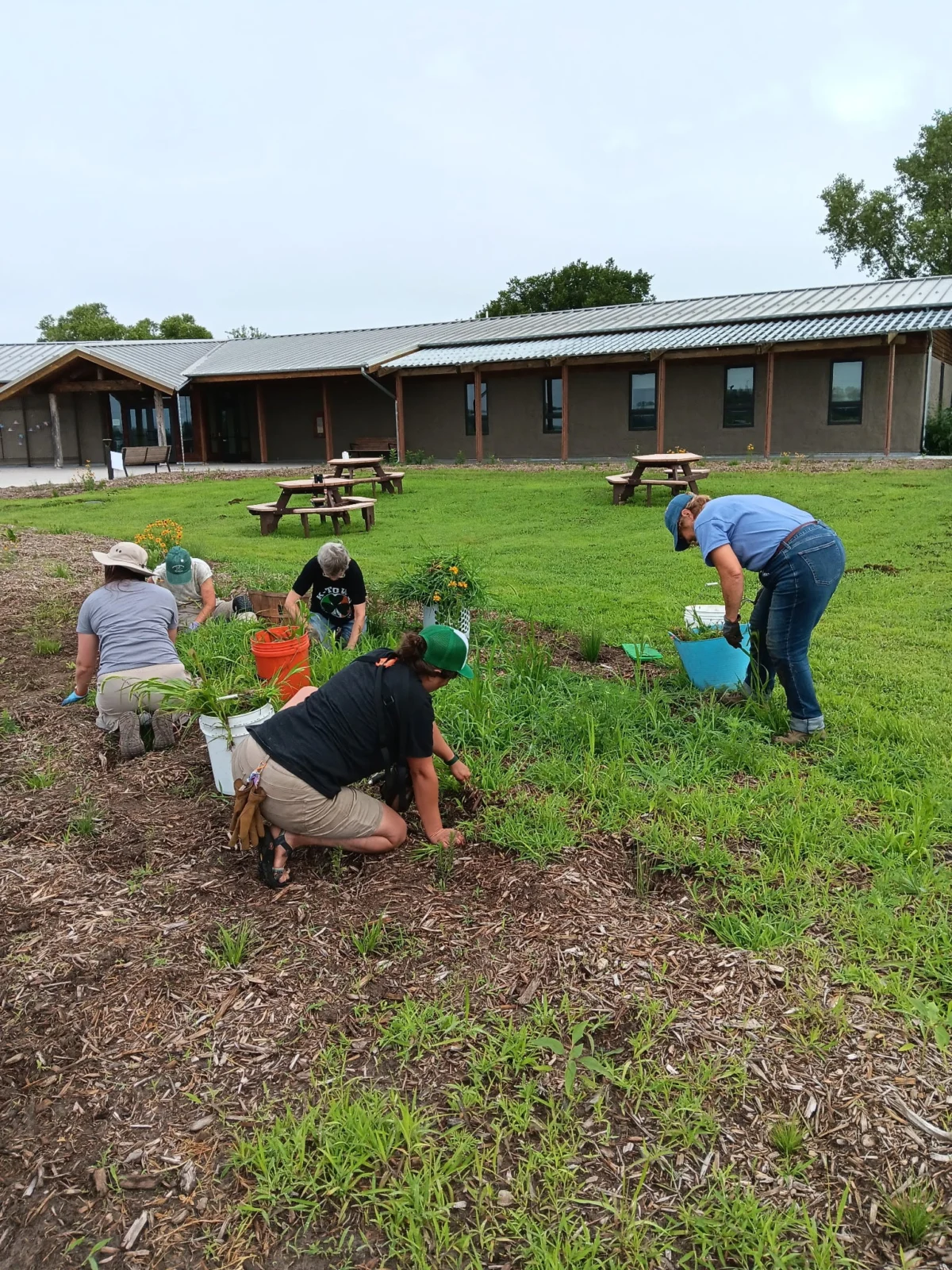
In a significant stride towards ecological restoration and enhanced biodiversity, the Iain Nicolson Audubon Center at Rowe Sanctuary has embarked on a comprehensive native plant landscaping project, culminating in the establishment of a dedicated volunteer group known as the "Garden Gang." This initiative, which saw the initial planting of over 2,000 native plant plugs in late May 2025, represents a collaborative effort to transform the sanctuary’s immediate surroundings into a thriving, natural prairie ecosystem, benefiting local wildlife and providing an enriching experience for human visitors and volunteers alike.
The Genesis of a Prairie Restoration: May 2025 Planting Event
The ambitious project commenced with the arrival of more than 2,000 native plant plugs, meticulously cultivated and supplied by Prairie Plains Resource Institute. This crucial delivery marked the beginning of a large-scale planting operation designed to reintroduce indigenous flora around the Iain Nicolson Audubon Center. The event itself was a testament to community and inter-organizational cooperation, drawing together a diverse contingent of volunteers and staff. Participants included dedicated Rowe Sanctuary volunteers, alongside members of the Rowe staff, and a contingent from Prairie Plains Resource Institute, comprising both their staff and volunteers. This collective effort ensured the efficient and proper planting of each specimen, laying the groundwork for what is anticipated to become a vibrant, self-sustaining native landscape. The selection of these native plants was not arbitrary; each species was chosen by the sanctuary’s conservation team for its ecological role in a prairie environment, its resilience, and its capacity to support a wide array of local wildlife.
The Iain Nicolson Audubon Center at Rowe Sanctuary, strategically located along the Platte River in Nebraska, serves as a critical stopover for millions of migratory birds, most famously the Sandhill Cranes. Its mission extends beyond providing a safe haven for these iconic birds; it encompasses broader conservation efforts, public education, and habitat restoration. The decision to landscape with native prairie plants around the center is deeply rooted in this mission, aiming to create a micro-habitat that mirrors the larger prairie ecosystems Audubon strives to protect across the Great Plains. This immediate surrounding landscape acts as an accessible educational tool, demonstrating the beauty and ecological importance of native flora.
The Garden Gang: Cultivating Community and Conservation
Following the successful initial planting, the sanctuary formalized its ongoing maintenance efforts by establishing the "Garden Gang." This dedicated group convenes every Thursday morning, from 8:00 AM to 10:00 AM, focusing on the meticulous upkeep of the garden beds surrounding the Iain Nicolson Audubon Center. The formation of the Garden Gang underscores the understanding that planting is merely the first step in successful habitat restoration; sustained effort is required to nurture these young ecosystems.
The primary tasks undertaken by the Garden Gang are both critical and labor-intensive. Foremost among these is weeding, a perpetual challenge in any garden, but particularly vital in nascent native plant beds where invasive species can quickly outcompete delicate young plugs. Volunteers tirelessly work to remove undesirable vegetation, ensuring the native plants have optimal access to light, water, and nutrients. Beyond weeding, the Garden Gang also plays a crucial role in "rescuing" young plugs – a process that can involve replanting, protecting from pests, or ensuring proper hydration during dry spells. Week after week, the consistent hard work of these volunteers is indispensable to the health and vitality of the planted beds. Their dedication directly contributes to the improved aesthetic appeal of the Sanctuary and, more significantly, to the increased plant diversity, which in turn supports a wider array of birds, beneficial insects, and other wildlife.
Ecological Imperative: Mimicking the Prairie and Enhancing Biodiversity
The landscape design at Rowe Sanctuary is a deliberate and scientifically informed endeavor by the conservation team to emulate a natural prairie environment. This commitment to ecological authenticity is paramount, as prairies are among the most endangered ecosystems globally, with vast expanses having been converted for agriculture and development. Native prairies are not merely collections of plants; they are complex, interdependent systems that provide essential ecosystem services, including soil stabilization, water filtration, carbon sequestration, and critical habitat for a myriad of species.
By carefully selecting plants that naturally mimic the prairie, the sanctuary actively encourages and supports vital habitat for specific bird species. For instance, many grassland birds, such as meadowlarks, dickcissels, and various sparrows, rely on native prairie grasses and wildflowers for nesting sites, foraging opportunities, and protection from predators. The structural diversity provided by a healthy native plant community offers different microclimates and resources, catering to the varied needs of insects, which form the base of the food web for many bird species. Pollinators, including native bees, butterflies, and moths, are particularly reliant on specific native plants for nectar and host materials. The decline in pollinator populations worldwide has dire implications for both natural ecosystems and agricultural productivity, making initiatives like Rowe Sanctuary’s even more critical.
The benefits of native landscaping extend beyond wildlife. These ecosystems are inherently more resilient and require less maintenance once established compared to conventional ornamental gardens. Native plants are adapted to local soil and climate conditions, reducing the need for excessive watering, fertilizers, and pesticides. This contributes to water conservation, prevents chemical runoff, and promotes a healthier environment for all. For human visitors, these restored prairie landscapes offer a chance to connect with nature, appreciate the beauty of native flora, and understand the ecological processes at play.
Audubon’s Broader Conservation Initiatives: Resources for Homeowners
The Rowe Sanctuary project is an integral part of the National Audubon Society’s broader conservation strategy, which actively promotes the use of native plants to support bird populations. Audubon provides extensive resources to empower individuals to contribute to this effort in their own backyards. The "Audubon Native Plants Database" is a comprehensive online tool that allows users to identify bird-friendly native plants specific to their zip code. This database provides all the necessary information, including plant characteristics, growing conditions, and the bird species they attract.
Complementing the database is Audubon’s "Plants for Birds" program, which advocates for the cultivation of native plants as a direct means of attracting and protecting local bird populations. Growing bird-friendly native plants offers a multitude of benefits: it creates beautiful, low-maintenance landscapes, conserves water, reduces pesticide use, and significantly contributes to local biodiversity. The program emphasizes that even small-scale native plant gardens can collectively create crucial "stepping stones" of habitat, linking larger natural areas and providing vital resources for birds during migration and breeding seasons.
Rowe Sanctuary further supports this initiative by offering accessible fact sheets on its website. These resources guide individuals through "Simple Steps to Create a Native Plant Garden in Your Yard," demystifying the process and making it approachable for novice gardeners. Another valuable resource, "How it Can Save You Money," highlights the economic advantages of native landscaping, such as reduced water bills and lower long-term maintenance costs. By providing these practical tools and information, Audubon aims to inspire a nationwide movement of native plant adoption, transforming suburban and urban landscapes into thriving bird habitats.
Beyond habitat creation, Audubon also addresses other significant threats to bird populations, such as collisions with glass. The "Reducing Collisions" page on Audubon’s website offers practical advice and solutions for making homes and buildings safer for birds, from applying window treatments to strategically placing feeders. This holistic approach to bird conservation underscores Audubon’s commitment to addressing multiple facets of environmental protection.
The Intangible Rewards: Community, Learning, and Connection
Beyond the tangible ecological benefits, participation in the Garden Gang offers significant intangible rewards for volunteers. The weekly gatherings foster a strong sense of community, allowing individuals to meet and interact with like-minded conservation enthusiasts. These shared experiences build camaraderie, forge new friendships, and create a supportive network centered around a common purpose. Volunteers often express the joy of working outdoors, connecting with nature, and contributing directly to a meaningful cause.
The Garden Gang also serves as an invaluable educational platform. Through hands-on experience, volunteers gain practical knowledge about prairie plant species, learning to identify them, understand their growth habits, and appreciate their ecological roles. This newfound expertise is often transferable, inspiring volunteers to incorporate native plants into their own home landscaping, thereby extending the sanctuary’s conservation impact into the broader community. The act of "digging in the dirt" itself is often cited as therapeutic, offering a respite from daily routines and a chance to engage in physical activity in a beautiful natural setting.
Statements from Related Parties and Broader Implications
Katie Moore, the Volunteer Coordinator at Rowe Sanctuary, highlighted the indispensable role of volunteers in these efforts. "Our volunteers are the lifeblood of many of our conservation projects," Moore stated. "The dedication of the Garden Gang is truly remarkable. Their consistent hard work ensures these critical native plant beds thrive, providing essential habitat and enhancing the visitor experience. It’s not just about planting; it’s about nurturing an ecosystem and fostering a community of conservation stewards."
A representative from the conservation team emphasized the scientific rigor behind the project. "Every plant chosen for this landscape was meticulously selected based on its ecological appropriateness and its contribution to the overall biodiversity of the site," explained the team member, who preferred to remain anonymous to emphasize the collective effort. "We are creating a living laboratory that demonstrates how intentional native landscaping can replicate the functions and beauty of a natural prairie, supporting everything from pollinators to migratory birds."
The broader implications of this initiative extend beyond the immediate boundaries of Rowe Sanctuary. It serves as a powerful model for other conservation organizations, public parks, and even private landowners on how to effectively restore and maintain native habitats. In an era of increasing biodiversity loss and habitat fragmentation, such localized efforts collectively contribute to a larger network of ecological resilience. The project also plays a crucial role in public awareness, educating thousands of visitors annually about the importance of native plants and the active role they can play in conservation. By experiencing a thriving native landscape firsthand, visitors are more likely to adopt similar practices in their own communities, creating a ripple effect of positive environmental change.
Future Outlook and Engagement Opportunities
The Iain Nicolson Audubon Center at Rowe Sanctuary remains committed to the long-term success of its native plant landscaping project and the continued growth of the Garden Gang. The ongoing maintenance efforts are expected to yield an increasingly robust and biodiverse ecosystem around the center, further solidifying its role as a beacon of conservation in the Great Plains.
Individuals interested in contributing to this vital work are warmly invited to join the Garden Gang or explore other volunteer opportunities at Rowe Sanctuary. Prospective volunteers are encouraged to contact Katie Moore, the volunteer coordinator, at [email protected]. Engaging with the sanctuary not only provides a chance to contribute to meaningful conservation but also offers a unique opportunity to learn, connect with nature, and become part of a passionate community dedicated to protecting birds and their habitats for future generations. The success of the native plant restoration at Rowe Sanctuary stands as a testament to the power of collaboration, scientific planning, and the tireless dedication of volunteers in cultivating a healthier, more vibrant natural world.
