
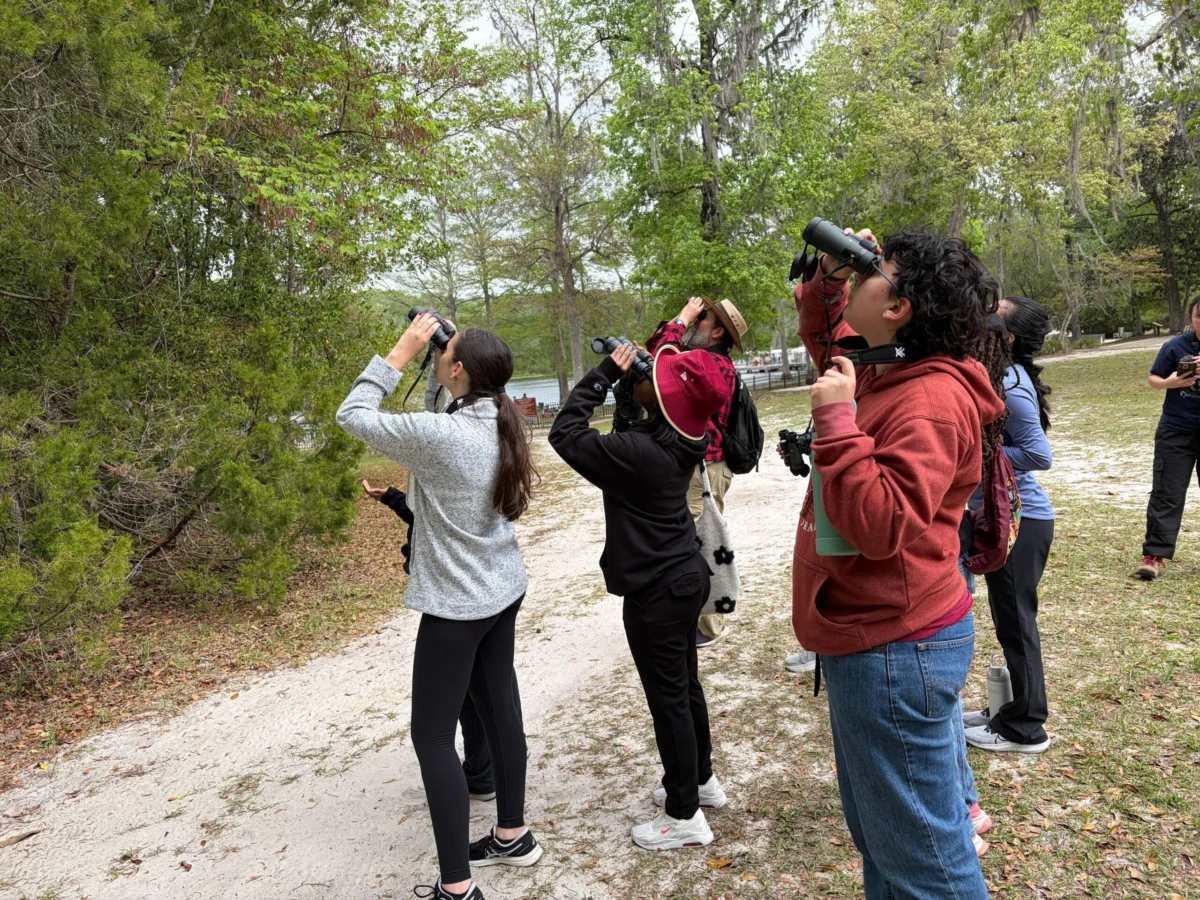
Audubon Florida’s Conservation Leadership Academies (CLAs) are strategically designed immersion programs providing college students across the state with a concentrated yet profound introduction to the field of conservation and potential career pathways within Audubon and the broader environmental sector. These academies serve as a vital nexus, connecting academic learning with practical field experience, fostering a new generation of environmental leaders committed to safeguarding Florida’s unique natural heritage.
A Statewide Initiative for Environmental Stewardship
The Conservation Leadership Academies embody Audubon Florida’s commitment to nurturing future conservationists by offering a unique blend of experiential learning and professional networking. At their core, CLAs aim to demystify conservation careers, making them accessible and appealing to a diverse student body. The program’s design recognizes the critical need for an informed and passionate workforce to address the complex environmental challenges facing Florida, from habitat loss and climate change to water quality degradation and species decline. By directly engaging college students, Audubon Florida seeks to bridge the gap between academic study and practical application, providing tangible experiences that illuminate the varied roles within conservation, from field biology and policy advocacy to environmental education and community outreach.
Historically, Audubon has been a cornerstone of environmental protection in Florida for over a century, advocating for birds and the places they need. The organization’s work spans critical areas such as wetland restoration, coastal bird protection, and Everglades conservation. The CLAs represent an evolution of this legacy, focusing on human capital development. These programs are not merely informational sessions; they are curated experiences designed to inspire, educate, and empower. They reflect a strategic investment in the intellectual and practical development of young leaders, ensuring that the passion for conservation is translated into tangible skills and career aspirations. The "quick but memorable gateway" format allows students to gain significant exposure without a long-term commitment, often serving as a springboard for deeper involvement through programs like the Conservation Leadership Initiative (CLI).
Spring 2024 Academies: A Chronology of Engagement
The spring session of the Conservation Leadership Academies demonstrated the program’s expanding reach and impact, successfully hosting three distinct events across central and northern Florida. These academies drew together an impressive cohort of students from twelve different universities, representing a wide array of academic disciplines and personal backgrounds. This diversity is a hallmark of the program, as it recognizes that effective conservation requires interdisciplinary approaches and varied perspectives.
Each academy followed a carefully structured agenda designed to maximize learning and engagement. The initial phase of the program immersed students directly into nature through a birding field trip. Led by experienced local Audubon guides, these excursions offered more than just bird identification; they provided an opportunity for students to observe avian behavior in natural habitats, understand ecological interdependencies, and learn essential field skills, such as the proper use of binoculars. This hands-on experience is crucial, transforming abstract concepts into vivid, memorable encounters with Florida’s wildlife.
Following the field experience, students returned indoors for a catered lunch, which transitioned into a series of informative presentations. These sessions delved into Audubon’s rich history in Florida, detailing its foundational role in the state’s conservation movement. Students learned about the organization’s unique grassroots structure, emphasizing the vital role of local chapters in community engagement and advocacy. Presentations also covered Audubon’s diverse conservation work, ranging from specific species protection efforts to broader ecosystem restoration projects. Crucially, these sessions highlighted various entry points and career trajectories for early-career individuals within the environmental field, offering practical advice on how to get involved.
The culmination of each academy was an environmental career panel. This segment brought together representatives from a spectrum of local environmental organizations and governmental agencies, providing students with direct access to professionals working in the field. Panelists shared insights into their career journeys, discussed the challenges and rewards of their work, and offered valuable advice on networking, skill development, and job searching. This direct interaction is invaluable, offering students a realistic perspective on environmental careers and an opportunity to ask questions, forge connections, and envision their own professional paths.
Orlando Wetlands: Central Florida’s Ecological Classroom
The inaugural CLA event of the spring series took place at the Orlando Wetlands Park, a testament to innovative ecological engineering and a thriving sanctuary for avian life. Situated east of Orlando, this 1,600-acre park is a constructed wetland system designed to treat reclaimed wastewater from the City of Orlando, naturally filtering impurities before the water re-enters the St. Johns River system. Beyond its primary function, the park has flourished into a vibrant habitat, supporting a remarkable diversity of flora and fauna, particularly wading birds.
During their exploration of the park’s extensive boardwalks, students were treated to an array of spectacular bird sightings. Among the most cherished observations were baby Roseate Spoonbills (Platalea ajaja), their delicate pink plumage and spatulate bills already distinctive. These highly social wading birds, often found in coastal marshes and lagoons, signify healthy wetland ecosystems. Students also spotted the majestic Great Blue Heron (Ardea herodias), a ubiquitous and adaptable hunter of fish and amphibians, and the elegant Great Egret (Ardea alba), recognizable by its pure white feathers and yellow bill. The presence of these species, alongside many other fantastic birds, underscored the park’s success as a managed wildlife refuge. The guides from the local Orange Audubon Society provided expert commentary, enriching the students’ understanding of each species’ biology and ecological role.
This Orlando Wetlands CLA successfully engaged students from five different universities across Central Florida, including institutions such as the University of Central Florida and Rollins College. The event not only highlighted a premier birding spot but also showcased the invaluable contributions of the Orange Audubon Society, one of Audubon Florida’s most active local chapters. The society’s dedication to local conservation, education, and advocacy provided students with a tangible example of community-level environmental action. Students expressed enthusiasm for the opportunity to witness conservation in action, many noting that the direct observation of such diverse wildlife within an urbanized region profoundly deepened their appreciation for wetland ecosystems and the importance of conservation initiatives like the Orlando Wetlands Park.
Wakulla Springs: A Panhandle Nexus for Conservation Dialogue
The second CLA event brought students to the pristine Wakulla Springs State Park, a jewel of Florida’s Panhandle region. Edward Ball Wakulla Springs State Park is home to one of the largest and deepest freshwater springs in the world, a geological marvel that discharges an average of 250 million gallons of water daily. This natural wonder supports a unique and fragile ecosystem, vital for numerous species, and serves as a critical indicator of regional groundwater health. The clarity of its waters allows for unparalleled viewing of aquatic life and submerged archaeological sites, making it a powerful educational setting.
A distinguishing feature of this particular academy was the presence of Audubon Florida’s top leadership. Students had the unique opportunity to hear directly from Julie Wraithmell, Audubon Florida’s Executive Director, and Erika Zambello, Communications Director. Wraithmell, a seasoned conservation advocate, shared insights into the strategic vision of Audubon Florida, emphasizing the critical role of scientific research, policy advocacy, and community engagement in achieving conservation goals. Her address underscored the urgency of protecting Florida’s natural resources and the immense potential of young leaders to drive change. Zambello elaborated on the power of effective communication in conservation, discussing how storytelling, digital media, and public outreach are essential tools for raising awareness and mobilizing action. Their direct engagement provided students with invaluable perspectives on leadership in the non-profit environmental sector.
During their field trip with expert bird guides from Apalachee Audubon, students observed a variety of species thriving in the park’s diverse habitats. They sighted Anhingas (Anhinga anhinga), often seen drying their wings in the sun, and the robust Red-shouldered Hawks (Buteo lineatus), known for their distinctive calls and preference for wooded wetlands. A particularly celebratory moment was the sighting of a pair of Swallow-tailed Kites (Elanoides forficatus), graceful raptors whose return from their spring migration is a cherished annual event for birders. These magnificent birds, with their deeply forked tails and striking black-and-white plumage, are emblematic of Florida’s healthy forest and wetland ecosystems.
This Wakulla Springs event marked a significant milestone as the first CLA held in the Panhandle, demonstrating Audubon Florida’s commitment to expanding its educational outreach across the entire state. The academy successfully engaged new student populations from institutions such as Florida State University and Florida A&M University, fostering connections with a region vital for its ecological significance and unique biodiversity. The students from these universities expressed profound appreciation for the opportunity to interact with Audubon leadership and witness the majesty of Wakulla Springs, many highlighting how the experience solidified their interest in environmental careers.
Weedon Island Preserve: Exploring Coastal Ecosystems
The final CLA event of the spring series unfolded at the Weedon Island Preserve, an ecological and archaeological treasure located on the shores of Tampa Bay in St. Petersburg. This 3,190-acre preserve offers a stunning representation of Florida’s coastal ecosystem, characterized by mangrove forests, seagrass beds, pine flatwoods, and estuarine habitats. It is also a site of immense cultural significance, with a rich history of human habitation dating back thousands of years, primarily by indigenous peoples who thrived on the abundant resources of the bay. The preserve’s multi-faceted importance makes it an ideal setting for understanding the intricate connections between natural and human history.
Students at Weedon Island Preserve were introduced to the nuanced beauty and ecological importance of coastal ecosystems, particularly their role as nurseries for marine life and vital habitats for numerous bird species. The field trip, guided by experienced leaders from St. Pete Audubon and Hernando Audubon, provided insights into the adaptations of species living in brackish waters and the challenges posed by coastal development and climate change. The local chapter leaders emphasized the importance of community involvement in protecting these vulnerable environments, sharing examples of local restoration projects and advocacy efforts.
Among the notable bird sightings, students observed a juvenile Yellow-crowned Night Heron (Nyctanassa violacea), a secretive wading bird often found in mangrove swamps and tidal flats, distinguishable by its stockier build and nocturnal hunting habits. They also spotted the distinctive Red-shouldered Hawk (Buteo lineatus), Palm Warblers (Setophaga palmarum), migratory songbirds that forage actively in palms and other vegetation, and the boisterous Laughing Gulls (Leucophaeus atricilla), common inhabitants of Florida’s coastlines. These sightings provided concrete examples of the diverse avian communities supported by healthy coastal habitats. The students gained a deeper appreciation for the delicate balance of these ecosystems and the urgent need for their preservation, with many expressing newfound interest in marine and coastal conservation.
The Pathway Forward: Conservation Leadership Initiative (CLI)
The Conservation Leadership Academies are not merely standalone events; they serve as a critical entry point into Audubon Florida’s more intensive Conservation Leadership Initiative (CLI) program. This tiered approach ensures that the initial spark of interest ignited by the CLAs can be nurtured and developed into sustained engagement and actionable leadership. Following their participation in an academy, students are invited to apply for the CLI program, a selective opportunity that grants twenty-five undergraduate students each year a comprehensive pathway into the world of professional conservation.
The CLI program is structured to provide unparalleled opportunities for growth and practical experience. A cornerstone of the initiative is the chance for students to attend the annual Audubon Assembly, Audubon Florida’s premier conservation conference. This event brings together conservationists, policymakers, scientists, and advocates from across the state and beyond, offering students a unique platform for networking, learning about cutting-edge research, and engaging in policy discussions. Attending the Assembly exposes students to the broader conservation movement, illustrating the collective effort required to tackle large-scale environmental issues.
Furthermore, each CLI participant is meticulously matched with a local Audubon Chapter for mentorship. This mentorship component is invaluable, providing students with direct access to experienced conservationists who can offer guidance, share expertise, and facilitate hands-on involvement in local projects. Mentors assist students in navigating career decisions, identifying skill-building opportunities, and understanding the practicalities of conservation work. This personal connection is often cited by participants as one of the most impactful aspects of the program, fostering long-term relationships and a sense of belonging within the Audubon community.
The capstone of the CLI program is the requirement for students to complete a conservation project of their choosing. This project-based learning approach empowers students to apply their knowledge and skills to a real-world conservation challenge. Projects can range widely, from conducting bird surveys and habitat restoration efforts to developing educational materials, engaging in policy research, or organizing community clean-ups. Each project is designed to be impactful, relevant to local conservation needs, and tailored to the student’s interests, allowing them to take ownership of a significant initiative. The CLI program is thus an incredible opportunity for students from all backgrounds, regardless of their prior experience, to either start or continue their own "bird journey," providing a comprehensive introduction to Audubon Florida and the vast opportunities it offers for environmental leadership and engagement.
Cultivating Future Conservationists: Broader Implications
The cumulative impact of Audubon Florida’s Conservation Leadership Academies and the subsequent Conservation Leadership Initiative extends far beyond the individual participants; it has significant implications for the future of conservation in Florida and beyond. By strategically investing in youth development, Audubon Florida is directly addressing the growing demand for skilled environmental professionals and ensuring a robust pipeline of leaders dedicated to protecting the state’s invaluable natural resources.
Florida, with its rapidly growing population and unique biodiversity, faces intensifying environmental pressures. From the Everglades ecosystem to the imperiled coastal habitats and the vital freshwater springs, the need for informed, passionate, and capable conservationists has never been greater. Data from organizations like the Environmental Protection Agency and the Bureau of Labor Statistics consistently highlight a steady demand for environmental scientists and specialists, ecologists, and related fields. Programs like the CLAs and CLI are crucial in preparing students for these roles, equipping them with both theoretical knowledge and practical experience.
Moreover, these initiatives play a critical role in fostering a diverse and inclusive conservation workforce. By actively reaching out to students from a wide range of academic disciplines and backgrounds, Audubon Florida helps dismantle traditional barriers to entry in environmental fields. This diversity of thought and experience is essential for developing innovative solutions to complex environmental problems. A more inclusive conservation movement is also more resilient, better able to connect with varied communities, and more representative of the public it serves.
The emphasis on local chapter mentorship within the CLI program strengthens Audubon’s grassroots network across Florida. Local chapters are the frontline of conservation, engaging communities, conducting citizen science, and advocating for local environmental issues. By integrating students into these local efforts, Audubon Florida ensures that new generations are connected to and empowered by these community-based initiatives, fostering a sense of local ownership and civic responsibility. This engagement also has economic benefits, as ecotourism, particularly birding, contributes significantly to Florida’s economy. A knowledgeable and passionate local population is essential for sustaining these natural attractions.
Julie Wraithmell, Executive Director of Audubon Florida, often emphasizes the strategic importance of these programs, stating, "Our natural heritage is only as secure as the commitment of the next generation. The Conservation Leadership Academies and CLI are not just about teaching students; they are about inspiring advocates, empowering leaders, and building the resilient workforce Florida needs to safeguard its unique ecosystems for decades to come. We are cultivating the stewards of tomorrow, today." This sentiment underscores the long-term vision behind these initiatives – to create a lasting legacy of environmental protection through human empowerment.
In conclusion, Audubon Florida’s Conservation Leadership Academies and the subsequent Conservation Leadership Initiative are vital programs that cultivate the next generation of environmental leaders. By offering experiential learning, professional networking, and mentorship opportunities, these initiatives provide college students with the knowledge, skills, and inspiration to pursue impactful careers in conservation. Through these concerted efforts, Audubon Florida continues to strengthen the foundations of environmental stewardship in the Sunshine State, ensuring that its natural wonders will be protected for generations to come.
