
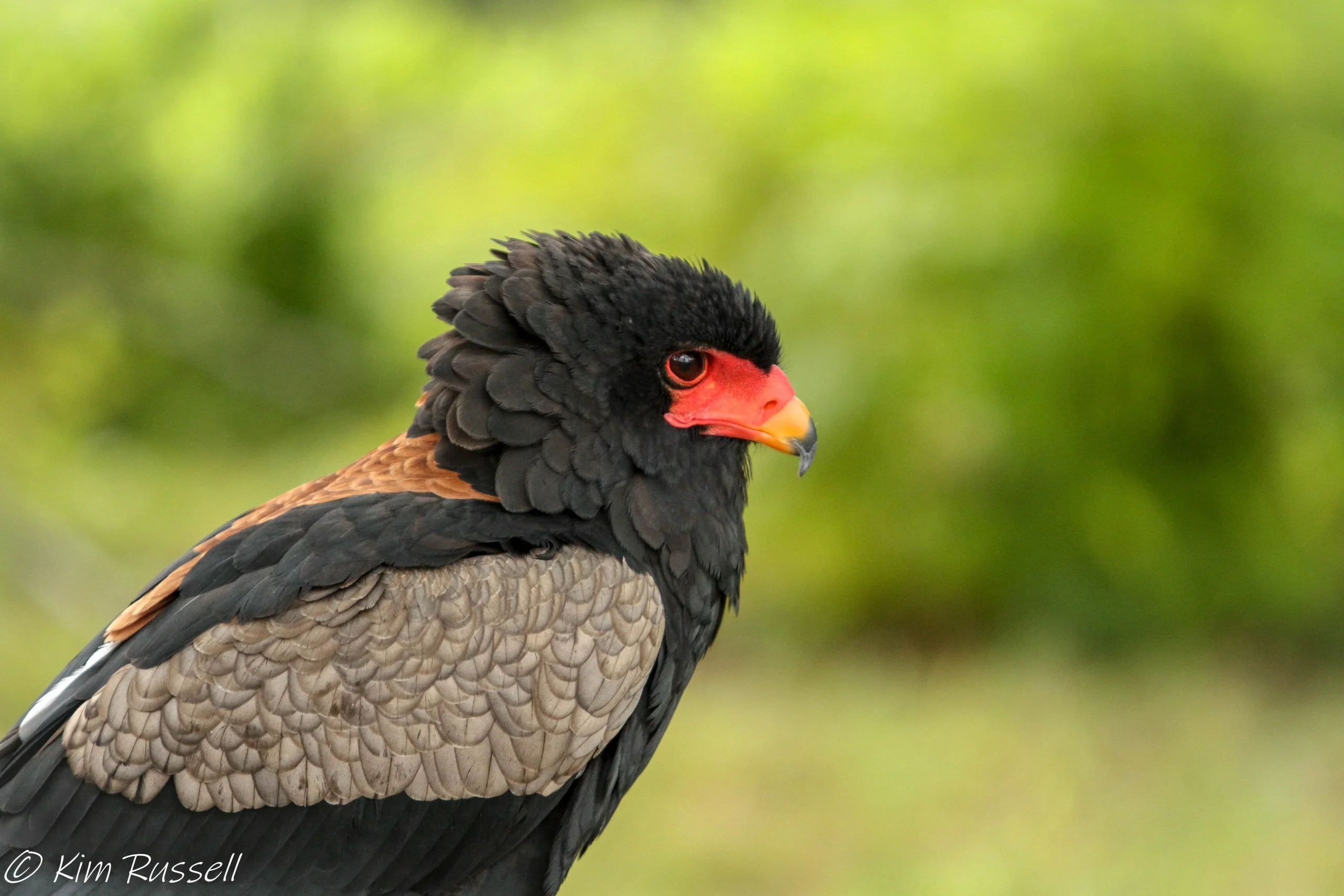
William "Two-Raven" Voelker, a distinguished member of the Ohnononuh band of the Comanche People, stands at the confluence of ancestral knowledge and scientific endeavor, dedicating over four decades to the holistic preservation of eagles and raptors. Born to a full-blood Comanche mother and a father immersed in raptor research, Voelker’s unique heritage has fueled a lifelong commitment to integrating ethnology and ornithology. His pioneering work has not only advanced the scientific understanding of these magnificent birds but has also profoundly impacted their conservation and the cultural rights of Native American communities.
Voelker’s groundbreaking achievements include being the first Native American to hold U.S. Fish & Wildlife Service permits for the captive care and breeding of both Bald and Golden Eagles. Furthermore, he is the sole individual in the United States to have successfully propagated these species through artificial insemination. This innovative approach led to the birth of the world’s first artificially produced Bald Eagle, a landmark event in conservation biology. Since 1974, Voelker has been instrumental in the captive production of over four hundred native eagles, the majority of which have been successfully released back into the wild, contributing significantly to population recovery efforts. His expertise extends beyond native species, encompassing field study, captive behavioral research, and propagation programs for sixty-eight species of eagles and other raptors from five continents. Voelker’s deep engagement with tribal governance is further evidenced by his past tenure as chairman of the Comanche Nation’s NAGPRA & Historic Preservation Board of Directors, underscoring his dedication to protecting both cultural heritage and natural resources.
The Genesis of Sia: Bridging Culture and Conservation
In 1999, Voelker formally consolidated his extensive life’s work under the political framework of the Comanche Nation, establishing Sia: The Comanche Nation Ethno-Ornithological Initiative. This initiative operates as an official program of the Tribe, dedicated to addressing and authorizing traditional and cultural interactions between Native Peoples and avian resources. A particularly significant development under the Sia umbrella is the establishment of The Sia Essential Species Repository, the first tribally administered Native American feather acquisition and dispersal program. This groundbreaking initiative is rooted in the principle of Native Americans meeting the feather needs of Native Americans, forged in partnership with the U.S. Fish & Wildlife Service.
The repository offers a legal and ethical pathway for members of federally recognized tribes to acquire and possess non-eagle migratory bird feathers, all while upholding stringent conservation protocols. The genesis of this vital program can be traced back to 1973, when the initial proposal to establish such a tribal feather repository was first submitted to the U.S. Fish & Wildlife Service for approval. This long-standing endeavor reflects a persistent effort to reconcile federal regulations with the spiritual and cultural imperatives of Indigenous communities.
A Legacy of Knowledge and Preservation
As the designated historian of bird knowledge for the Numunuh (Comanche), Sia maintains an unparalleled archive that spans over 300 years of material culture. This invaluable collection is housed in a state-of-the-art, environmentally controlled facility, safeguarding its integrity for future generations. The archive’s holdings are extensive and diverse, including a research library boasting over 28,000 volumes, an historic photographic archive featuring more than 4,600 images of the Numunuh dating back to periods preceding forced captivity, and a monumental collection of over 500,000 pages of unpublished historical letters, diaries, field notes, and associated documents. This comprehensive repository serves as a testament to the rich and enduring relationship between the Comanche people and the natural world, particularly their feathered brethren.
Supporting Data and Chronological Milestones
The efficacy and impact of Voelker’s work and the Sia initiative can be substantiated through several key achievements and timelines:
- 1974: William Voelker begins his extensive captive breeding program for native eagles.
- Post-1974: Over 400 native eagles are produced in captivity, with a majority subsequently released into the wild. This contributes significantly to the recovery of eagle populations, which faced severe decline due to factors such as habitat loss and pesticide use (e.g., DDT, which caused eggshell thinning). The Bald Eagle, for instance, was removed from the endangered species list in 2007, a testament to decades of conservation efforts, including those spearheaded by individuals like Voelker.
- Specific Breakthrough: The successful artificial insemination and propagation of both Bald and Golden Eagles marks a significant advancement in captive breeding techniques for endangered and protected species. This technique has since been adopted and adapted for other avian species in conservation programs worldwide.
- 1973: The initial proposal for the Sia Essential Species Repository is submitted to the U.S. Fish & Wildlife Service. This long lead time highlights the complexities of navigating federal regulations and tribal sovereignty for such a unique program.
- 1999: Sia: The Comanche Nation Ethno-Ornithological Initiative is officially incorporated under the Comanche Nation political umbrella, formalizing Voelker’s life’s work.
- Post-1999: The establishment of The Sia Essential Species Repository, providing a legal and ethical framework for feather acquisition and dispersal for federally recognized tribes. This addresses a critical need for sacred and ceremonial items that are often difficult to obtain legally due to protections for migratory birds.
- Ongoing: Maintenance and expansion of the Sia archives, preserving over 300 years of material culture, extensive research library, historical photographs, and unpublished historical documents.
Context of Feather Acquisition and Cultural Significance
The establishment of the Sia Essential Species Repository is not merely a logistical undertaking; it is a direct response to deeply rooted cultural and spiritual practices. For many Native American tribes, feathers are not simply decorative items but are imbued with profound spiritual significance, used in sacred ceremonies, regalia, and as symbols of honor and connection to the divine. The Migratory Bird Treaty Act of 1918, while crucial for bird conservation, created significant challenges for Native Americans seeking to legally obtain feathers for traditional purposes. The Act prohibits the possession, sale, and transport of most migratory birds and their parts, including feathers, without permits.
Prior to initiatives like Sia, obtaining necessary feathers often involved complex and sometimes restrictive permitting processes, or reliance on informal networks that could raise conservation concerns. The Sia repository, in partnership with the U.S. Fish & Wildlife Service, aims to streamline this process by creating a centralized, tribally administered system that prioritizes conservation while ensuring that Native American spiritual and cultural needs are met in a lawful and respectful manner. This approach recognizes the unique status of Indigenous peoples and their inherent rights to practice their traditions.
Potential Reactions and Implications
The work of William Voelker and the Sia initiative is likely to elicit varied and significant reactions from multiple stakeholders:
- Native American Tribes: The establishment of the Sia Essential Species Repository is a monumental step forward for tribes across the nation. It offers a tangible solution to a long-standing cultural need, fostering greater self-determination in accessing essential ceremonial items. Tribal leaders and cultural practitioners are expected to express strong support and gratitude for this initiative.
- U.S. Fish & Wildlife Service: This partnership represents a successful model for intergovernmental collaboration on conservation and cultural preservation. The Service’s continued involvement and support are crucial for the repository’s ongoing success, demonstrating a commitment to balancing conservation mandates with the rights of Indigenous peoples. This initiative could serve as a template for similar collaborations with other tribes.
- Conservation Organizations: While dedicated to the protection of birds, many conservation organizations are increasingly recognizing the importance of incorporating Indigenous knowledge and cultural needs into conservation strategies. They are likely to view the Sia initiative as a progressive step that fosters a more inclusive and effective approach to wildlife management, provided that conservation protocols are rigorously maintained.
- Academic and Scientific Communities: Voelker’s contributions to ornithology, particularly in captive breeding and artificial insemination, are highly regarded. The integration of ethno-ornithology, as championed by Sia, offers valuable insights into the human-animal relationship from diverse cultural perspectives, enriching scientific understanding.
- General Public: Awareness of Voelker’s work and the Sia initiative can foster greater public understanding of the complex intersection of conservation, cultural heritage, and Indigenous rights. It highlights the vital role of Native American communities in stewarding natural resources and preserving traditional knowledge.
The broader implications of Sia’s work are far-reaching. It reinforces the concept of tribal sovereignty in natural resource management and cultural preservation. By creating a tribally administered repository, Sia empowers the Comanche Nation and, by extension, other federally recognized tribes, to take a more active role in managing resources that are culturally significant. This model could inspire similar initiatives for other sacred items or resources that are subject to federal regulation, fostering a more collaborative and respectful approach between federal agencies and Indigenous communities. Furthermore, the emphasis on holistic preservation—encompassing history, science, and spirit—offers a compelling paradigm for conservation efforts that acknowledge the interconnectedness of human cultures and the natural world. The continued research and documentation housed within Sia’s archives will undoubtedly contribute to a deeper, more nuanced understanding of avian ecology and the historical relationships between humans and birds, benefiting both scientific knowledge and cultural continuity.
