
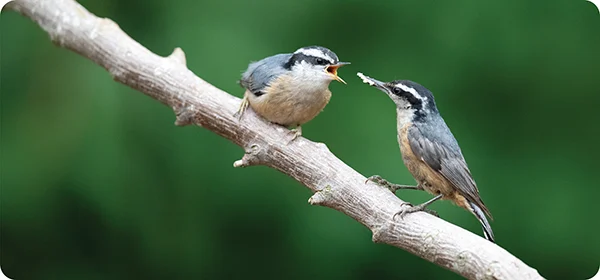
The delicate dance of new life unfolding in backyards across the nation offers a profound source of connection to the natural world, a phenomenon amplified by the dedicated efforts of organizations like Wild Birds Unlimited (WBU). As spring gives way to summer, the sights and sounds of fledgling birds emerging from their nests and taking their first tentative flights at feeders provide not just a moment of aesthetic pleasure, but also a tangible indicator of ecosystem health and the positive impact of human intervention. This season, the presence of robust populations of young birds, from the vibrant bluebirds to the boisterous chickadees and goldfinches, highlights the critical role that readily available food and appropriate habitat play in ensuring the survival and thriving of avian populations.
The act of nesting is a fundamental biological imperative, a period of intense vulnerability and crucial development for bird species. The successful fledging of young birds is a testament to the availability of essential resources: nutritious food, safe nesting sites, and protection from predators. Wild Birds Unlimited, through its specialized products and educational outreach, actively facilitates these vital conditions for numerous backyard bird species. Their research and product development are grounded in the understanding that supplemental feeding and habitat enhancement can significantly influence nesting success rates, contributing to the broader conservation of avian biodiversity.
The Science Behind Supplemental Feeding and Nesting Success
Scientific research has illuminated a direct correlation between consistent access to bird feeders and improved nesting outcomes. Studies indicate that birds that benefit from reliable food sources often initiate their breeding cycles earlier in the season compared to their counterparts who must solely rely on natural foraging. This temporal advantage is significant. Earlier broods generally face less competition for resources, both from other bird species and from the natural environment itself, which may not yet be at its peak productivity. Consequently, these early nests often exhibit higher rates of survival and a greater percentage of fledglings successfully leaving the nest.
Furthermore, the availability of supplemental nutrition from feeders allows breeding female birds to allocate their energy more efficiently. Instead of expending excessive time and effort searching for food, they can dedicate more attention to crucial nest-building activities. This includes selecting optimal nesting locations, which are vital for protection from environmental extremes and predators, and constructing more robust and well-insulated nests. The added energy reserves also enable parents to provide more vigilant protection for their eggs and young against a range of natural threats.
The benefits extend to the nestlings themselves. When parent birds have abundant and readily available food sources at feeders, they are freed to explore and gather a wider variety of natural foods. This diversified diet provides essential proteins, fats, and micronutrients critical for rapid growth and development. Research suggests that such comprehensive nutrition can lead to reduced aggression among nest siblings, fostering a more cooperative and less stressful environment within the nest. This, in turn, can contribute to faster growth rates and improved overall health of the young birds, enhancing their chances of survival once they leave the nest.

Beyond Food: The Importance of Habitat and Nesting Structures
While supplemental feeding plays a pivotal role, it is only one piece of the puzzle in supporting successful avian reproduction. The provision of appropriate nesting structures, such as well-designed and properly installed birdhouses, can dramatically improve nesting success, particularly during periods of inclement weather. In regions experiencing extreme cold or prolonged dampness, a sheltered nesting box offers crucial protection, shielding vulnerable eggs and chicks from hypothermia and disease. The design of these boxes, including ventilation, drainage, and predator guards, is critical for maximizing their effectiveness.
Equally important is the quality of the natural habitat within a yard or garden. Maintaining a degree of "messiness" can be beneficial for birds. Immaculately manicured lawns and sterile landscapes often lack the diverse natural resources that birds require for nest building. This includes a variety of materials such as twigs, grasses, mosses, and downy plant fibers. Planting native trees, shrubs, and wildflowers is a highly effective strategy for enhancing natural habitat. These indigenous plants provide not only essential nesting spaces, offering shelter and perching opportunities, but also a continuous supply of natural food sources like seeds, berries, insects, and nectar, which are vital for sustaining breeding bird populations throughout the season.
Wild Birds Unlimited’s Contribution to Nesting Success
Wild Birds Unlimited actively promotes a holistic approach to backyard bird conservation, recognizing the interconnectedness of food, habitat, and nesting opportunities. Their product lines are specifically curated to meet the nutritional demands of nesting birds and their young. For instance, their Nesting SuperBlend is a meticulously formulated mix designed to provide the high levels of protein and calcium essential for breeding families. This blend typically includes ingredients such as sunflower chips, peanuts, mealworms, Bark Butter Bits, Nutrasaff, tree nuts, and calcium. Such a comprehensive mix is beneficial not only for birds preparing to nest and during the nesting period itself but also for the newly fledged young as they transition to independent foraging.
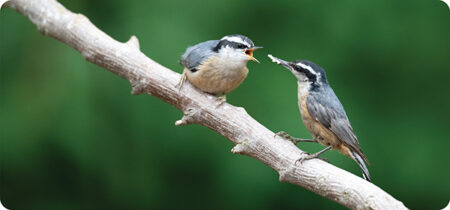
Bark Butter, another flagship product, is a high-energy, protein-rich food that is particularly attractive to a wide array of insectivorous birds, many of which are crucial insectivores that feed their young a diet rich in protein. This specialized food source can be particularly valuable during the demanding nesting season, ensuring parents have the energy to gather sufficient food for their offspring.
A Broader Perspective: The Ecological and Emotional Impact
The observable increase in young birds at feeders and in gardens is more than just a pleasant seasonal occurrence; it is a positive indicator of the health of local ecosystems. When birds are successfully raising their young, it suggests that the surrounding environment can support a diverse and reproducing population. This has cascading effects, as birds play vital roles in pollination, seed dispersal, and insect control.
The act of supporting nesting birds also fosters a deeper emotional connection between humans and nature. Witnessing the dedication of parent birds, the vulnerability of their chicks, and the eventual triumph of fledging can be a profoundly moving experience. It instills a sense of responsibility and stewardship, encouraging individuals to become more attuned to the needs of their local wildlife and to take proactive steps for conservation. This engagement can inspire a lifelong appreciation for the natural world and a commitment to its preservation.

Wild Birds Unlimited actively encourages this connection through its educational initiatives, including its "Nature Centered" podcast. Episodes such as "Joy of Summer Birds" delve into the intricacies of summer feeding and offer practical advice on how individuals can best support a new generation of birds. This commitment to education empowers backyard bird enthusiasts to become informed advocates for avian welfare.
Looking Ahead: Sustaining Avian Populations
The success of nesting birds in backyard habitats is not a static achievement but an ongoing process that requires continuous attention and adaptation. As environmental conditions evolve and challenges such as habitat loss and climate change persist, the role of citizen conservationists and organizations like Wild Birds Unlimited becomes increasingly vital. By providing consistent access to nutritious food, creating safe and diverse habitats, and offering well-designed nesting structures, individuals can make a tangible difference in the survival rates of countless bird species. The joy derived from observing these avian families thrive is a powerful reminder of our interconnectedness with the natural world and the profound positive impact we can have when we choose to act as responsible stewards of our environment. The continued observation and support of nesting birds offer a powerful testament to the enduring beauty and resilience of nature, and our own capacity to contribute to its flourishing.
