
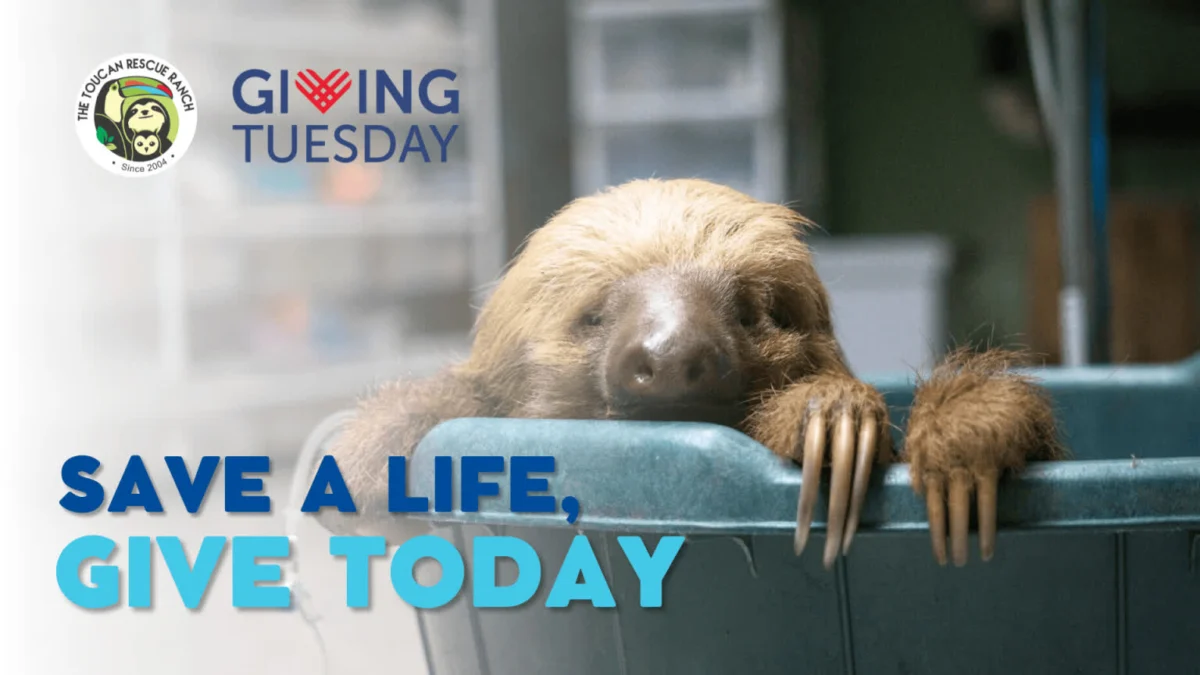
The Toucan Rescue Ranch, a prominent Costa Rican wildlife conservation organization, has issued an urgent appeal for public support as it prepares for Giving Tuesday 2024, citing an unprecedented surge in animal admissions that has pushed the facility to its operational limits. Marking its 20th year of operation, the nonprofit reported that as of July 2024, it had already surpassed the total number of wildlife emergencies handled in the entirety of 2023, signaling a critical escalation in the threats facing Costa Rica’s native fauna. With nearly 42% of its current residents classified as orphans, the organization is seeking to raise $8,000 to sustain its rescue, rehabilitation, and rewilding programs through the end of the year.
The increase in wildlife emergencies is primarily attributed to intensifying human-wildlife conflicts, including power line electrocutions, vehicular collisions, and the persistent illegal pet trade. As urbanization continues to encroach upon natural habitats in Costa Rica’s Central Valley and coastal regions, the intersection of human infrastructure and animal corridors has become increasingly hazardous. Toucan Rescue Ranch (TRR) officials noted that the 2024 calendar year is on track to record the highest volume of cases in the organization’s two-decade history, necessitating a doubling of efforts to provide specialized veterinary care and long-term rehabilitation.
A Two-Decade Evolution in Wildlife Conservation
Founded in 2004, the Toucan Rescue Ranch began as a specialized facility for the rescue and rehabilitation of toucans and other avian species. Over the last 20 years, however, the scope of its mission has expanded dramatically to include a wide array of Costa Rican mammals and reptiles, most notably sloths, owls, and spider monkeys. This evolution was driven by a growing demand for specialized care that few facilities in the region were equipped to provide.
The chronology of the organization is marked by a transition from a small-scale sanctuary to a comprehensive medical and educational hub. In the early 2010s, the ranch gained international recognition for its work with sloths, developing innovative protocols for the hand-rearing of orphaned infants. By 2020, the facility had integrated advanced surgical capabilities and a dedicated rewilding program, ensuring that animals were not merely kept in captivity but were actively prepared for a return to the wild. The current crisis, characterized by a record-breaking influx of 400 animals within the first seven months of 2024, represents the most significant challenge to the organization’s infrastructure to date.
The Data Behind the Surge: 2023 vs. 2024
Statistical analysis provided by Toucan Rescue Ranch highlights a concerning trend in wildlife vulnerability. In 2023, the facility treated over 400 animals, a figure that was considered high at the time. However, the 2024 mid-year data indicates that the pace of admissions has accelerated. By reaching the 400-animal milestone in July, the organization is projecting a potential 70% to 80% increase in total annual cases compared to the previous year.
Of the animals currently under care, 41.8% are orphans. This high percentage of juveniles is a direct consequence of adult mortality caused by human factors. When a mother sloth or anteater is killed by a car or electrocuted on a non-insulated power line, the offspring—if they survive the initial incident—require months or even years of intensive care before they can regain independence. The cost of raising an orphan is significantly higher than treating a short-term injury, as it involves specialized milk formulas, 24-hour monitoring, and the construction of "pre-release" enclosures that simulate a natural environment.
Primary Drivers of Wildlife Emergencies
The "human-wildlife conflict" cited by TRR is not a singular issue but a combination of systemic infrastructure failures and illegal activities.
Electrocution and Infrastructure
One of the most frequent causes of admission is electrocution. In many parts of Costa Rica, power lines remain uninsulated. Arboreal animals like sloths and howler monkeys often mistake these lines for tree branches or vine bridges. The resulting high-voltage shocks cause severe burns, nerve damage, and often necessitate limb amputations. While organizations have lobbied the Instituto Costarricense de Electricidad (ICE) to insulate cables and install wildlife bridges, the pace of infrastructure upgrades has struggled to keep up with urban expansion.
Vehicular Impact and Habitat Fragmentation
As roads are built through formerly contiguous forests, animals are forced to cross asphalt to find food or mates. Slow-moving species like the three-toed sloth are particularly vulnerable to being struck by vehicles. Furthermore, habitat fragmentation increases the likelihood of animals entering residential areas, where they face secondary threats such as domestic dog attacks.
The Illegal Pet Trade
Despite strict environmental laws in Costa Rica, the illegal pet trade remains a factor in wildlife displacement. Toucan Rescue Ranch frequently receives animals confiscated by the Ministry of Environment and Energy (MINAE). These animals often arrive with nutritional deficiencies or behavioral issues stemming from improper care in domestic settings, requiring long-term psychological and physical rehabilitation before rewilding can even be considered.
Official Responses and the Giving Tuesday Framework
Giving Tuesday, established in 2012 as a counter-movement to the consumerism of Black Friday and Cyber Monday, has become a cornerstone of the nonprofit sector’s annual fundraising. For Toucan Rescue Ranch, a donor-funded entity that does not receive significant government subsidies, this global day of giving is essential for bridging the gap between rising operational costs and available resources.
The organization’s $8,000 goal for the 2024 campaign is specifically earmarked for the escalating costs of medical supplies, specialized diets, and the maintenance of rewilding sites. "Every donation, big or small, helps us meet the ever-increasing demands of our sanctuary," the organization stated. They emphasized that as a registered nonprofit, donations are tax-deductible, providing an incentive for international donors, particularly those in the United States, to contribute to Costa Rican conservation efforts.
Conservationists within the organization have expressed that while the number of injuries is heartbreaking, the success rate of their rewilding program provides a sense of purpose. Rewilding—the process of returning an animal to its natural habitat—is the ultimate metric of success for the ranch. It involves a multi-stage process: stabilization in the clinic, rehabilitation in an outdoor enclosure, and a "soft release" where the animal is monitored in a protected forest before being fully granted independence.
Broader Implications for Costa Rican Biodiversity
The situation at Toucan Rescue Ranch serves as a microcosm of the broader challenges facing biodiversity in the 21st century. Costa Rica is home to nearly 5% of the world’s species, and its economy is heavily dependent on ecotourism. The health of its wildlife populations is therefore not only an environmental concern but also an economic one.
If rescue facilities like TRR reach a breaking point where they can no longer accept new patients, the burden of managing injured wildlife falls back onto state agencies that may lack the specialized veterinary expertise or the capacity for long-term rehabilitation. This could lead to higher rates of euthanasia for treatable injuries or a decline in the populations of key species that play vital roles in seed dispersal and forest health.
The rise in emergencies also highlights the need for more robust urban planning and stricter enforcement of wildlife protection laws. Analysis suggests that without significant investment in wildlife-safe infrastructure—such as canopy bridges and insulated wiring—the number of "preventable" injuries will continue to climb regardless of how much money is raised for rehabilitation.
Conclusion and Call to Action
The Toucan Rescue Ranch’s appeal for Giving Tuesday 2024 is a call for collective responsibility. The organization posits that while the injuries are caused by human activity, the solution also lies in human intervention. By providing a safe haven for the "voiceless," the ranch aims to ensure that Costa Rica’s wildlife continues to thrive for future generations.
As the December 3rd Giving Tuesday date approaches, the ranch is encouraging supporters to engage not just through financial contributions but by spreading awareness of the threats facing tropical wildlife. The $8,000 target represents a critical threshold for the facility to maintain its standard of care during a record-setting year. For the hundreds of animals currently in the ranch’s care—from the orphaned sloth clinging to a stuffed toy to the toucan recovering from a broken wing—the success of this campaign is quite literally a matter of life and death. In the words of the organization’s mission, the goal remains clear: to heal, rehabilitate, and ultimately return these animals to their rightful home in nature.
