
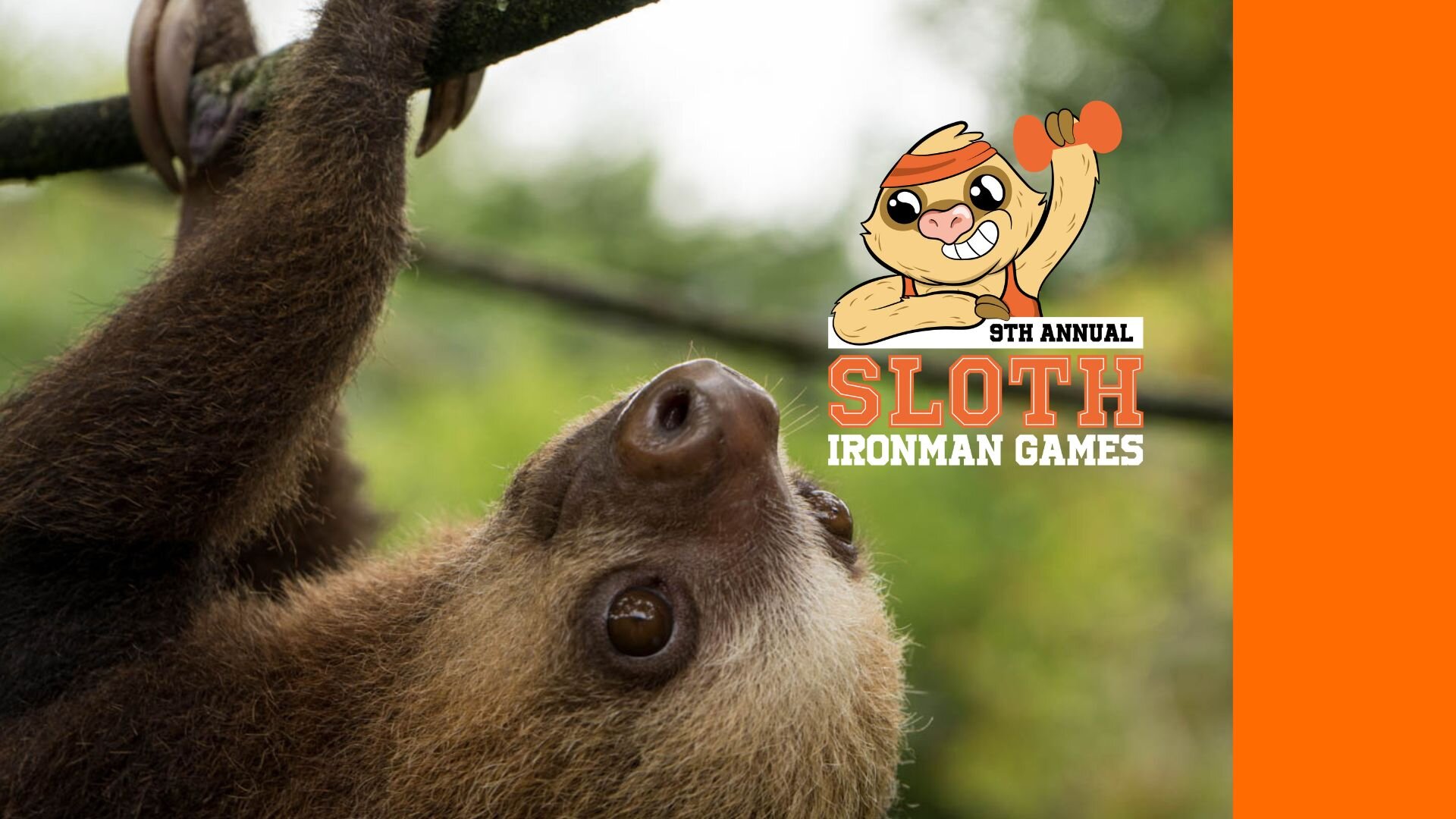
The 9th Annual Sloth Ironman Games has officially returned for 2024, marking a significant milestone in the intersection of wildlife education, digital fundraising, and species-specific conservation. Hosted by the Toucan Rescue Ranch (TRR), a prominent wildlife rescue facility in Costa Rica, this year’s iteration of the competition aims to surpass previous benchmarks for both public engagement and financial support for the Saving Sloths Together (SST) program. The event, which has grown from a local initiative into a globally recognized digital campaign, serves as a critical platform for highlighting the plight of sloths while providing the necessary resources for their rehabilitation and eventual rewilding.
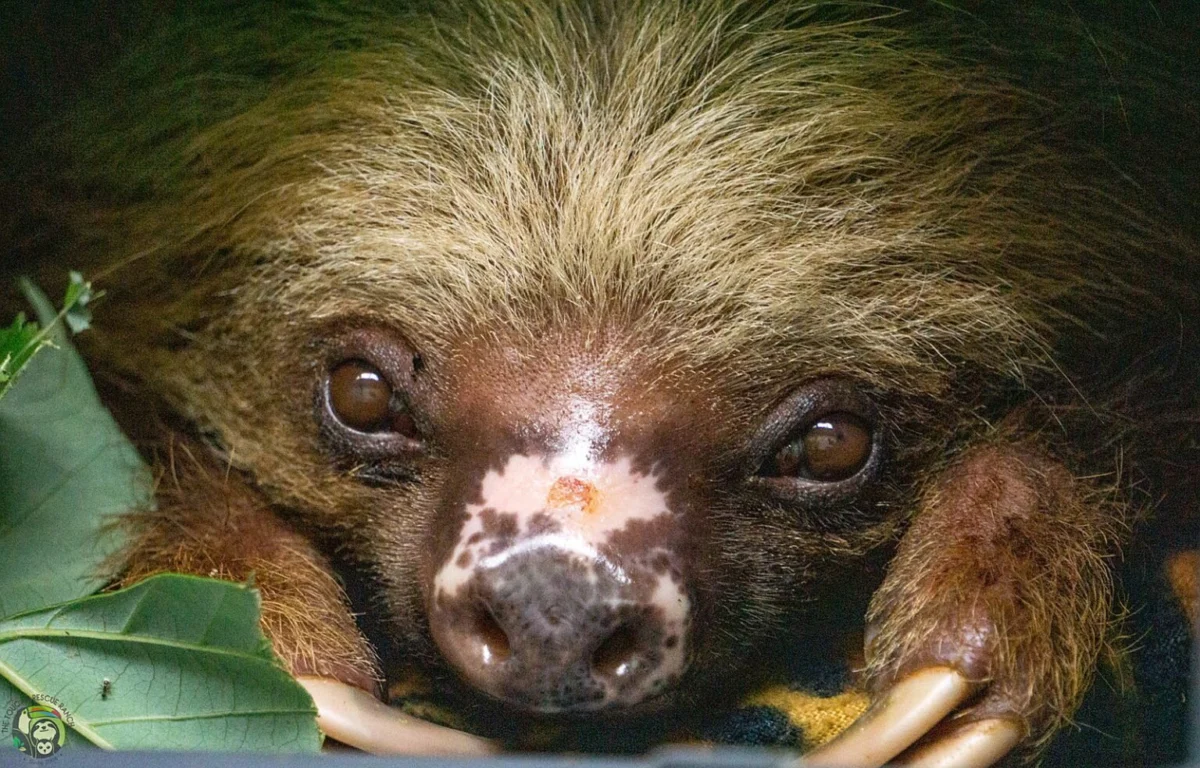
The Sloth Ironman Games is an annual series of enrichment-based challenges designed to simulate the natural behaviors and physical requirements of sloths in the wild. While the name suggests a high-intensity athletic competition, the reality is a carefully managed, non-invasive series of events that prioritize the welfare of the animals. For the 2024 season, four "slothletes"—rescued sloths currently undergoing rehabilitation at the ranch—have been selected to participate. These individuals represent the thousands of sloths that require human intervention each year due to habitat loss, human-wildlife conflict, and environmental hazards.
The Mechanics of the Competition and Public Engagement
The competition is structured around a series of events that reflect the daily biological needs and survival skills of the Bradypus (three-toed) and Choloepus (two-toed) sloth species. These challenges include the 1-Meter Dash, which measures the sloth’s climbing agility; the Hibiscus Eat-Off, highlighting their foraging and dietary habits; and the Poop-Off Challenge, a unique event that addresses the complex and infrequent digestive cycles of these arboreal mammals.
The scoring system for the 2024 Sloth Ironman Games is a hybrid model that combines the physical performance of the slothletes with the philanthropic participation of the global audience. In each event, slothletes earn points based on their performance (e.g., speed or volume of consumption). However, the primary driver of the competition is the "fan favorite" donation system. Supporters can contribute funds in the name of a specific sloth, with every dollar donated translating into points for that slothlete. This gamification of conservation fundraising has proven highly effective, allowing the Toucan Rescue Ranch to secure the significant capital required for specialized veterinary care and long-term release programs.
The event is broadcast via social media platforms, including Facebook and YouTube, utilizing the GMT-6 (Costa Rica) time zone. This digital-first approach ensures that the message of sloth conservation reaches an international audience, transcending geographical barriers. The culmination of the games will occur on October 25th during a live-streamed Championship Ceremony, where the 2024 Sloth Ironman Champion will be officially crowned.
Background and the Saving Sloths Together (SST) Program
To understand the importance of the Sloth Ironman Games, one must look at the broader context of sloth conservation in Central America. In 2017, the Toucan Rescue Ranch entered into a strategic partnership with The Sloth Institute Costa Rica (TSI) to launch the Saving Sloths Together (SST) program. This collaboration was born out of a necessity to standardize and improve the "rescue-to-release" pipeline.
Sloths in Costa Rica face a multitude of anthropogenic threats. Urbanization and the fragmentation of rainforests have forced these animals to navigate dangerous environments. Two of the most pressing issues are electrocution from uninsulated power lines and attacks by domestic animals. Additionally, the illegal pet trade and the "sloth selfie" industry continue to exploit these animals, often leading to orphaned infants who require years of specialized care before they can survive independently.
The SST program focuses on a multi-stage rehabilitation process. Initial rescue involves emergency veterinary intervention, often requiring surgeries or treatments for severe burns and fractures. Following medical stabilization, the sloths enter a rehabilitation phase where they are encouraged to develop the muscle strength and foraging skills necessary for wild survival. The final stage, rewilding, is a meticulous process involving "soft release" sites. Here, sloths are monitored in a semi-controlled environment to ensure they can navigate the canopy and find food before they are fully released into protected wilderness areas.
Chronology of the 2024 Games and Conservation Timeline
The 2024 games follow a structured timeline designed to build momentum and maximize educational outreach:
- Early October: Selection and Training: The four slothletes are selected based on their health status and readiness for enrichment activities. TRR staff ensures that the participation is entirely voluntary on the part of the animals.
- Mid-October: Preliminary Events: The various "Ironman" challenges are recorded and streamed. These videos include educational commentary explaining the science behind sloth biology and the specific rescue story of each participant.
- October 20–24: Peak Fundraising Period: The donation windows remain open as fans watch the performances and cast their "financial votes" for their preferred slothlete.
- October 25: The Championship Ceremony: A live broadcast announces the final point tallies, combining performance scores and donation totals. This event also serves as a transparency report, detailing how the funds raised will be allocated for the upcoming fiscal year.
Historically, the Sloth Ironman Games have seen a steady increase in participation. In its inaugural years, the event was a modest local fundraiser. By the 8th annual games in 2023, the event had garnered thousands of viewers and raised significant sums that funded the construction of new pre-release enclosures and the purchase of tracking equipment, such as VHF radio collars, which are essential for monitoring sloths post-release.
Supporting Data and Environmental Impact
The impact of the funds raised through the Sloth Ironman Games is measurable and significant. According to data provided by the Toucan Rescue Ranch and its partners, the cost of rehabilitating a single sloth can range from $1,000 to over $5,000, depending on the severity of its injuries and the duration of its stay. Specialized milk formulas for orphaned infants, high-quality veterinary diagnostics, and the maintenance of large-scale climbing enclosures represent the bulk of these expenses.
Furthermore, the SST program’s success rate in rewilding is a point of pride for the Costa Rican conservation community. Since the partnership began in 2017, dozens of sloths have been successfully returned to the wild with high survival rates. This is largely attributed to the rigorous "rewilding" protocols funded by events like the Sloth Ironman Games. The program also contributes to citizen science and academic research, providing data on sloth genetics, health, and behavior that are shared with the global scientific community.
Official Responses and Broader Implications
Representatives from the Toucan Rescue Ranch emphasize that while the games are lighthearted in presentation, the underlying mission is of the utmost seriousness. "The Sloth Ironman Games allow us to tell the stories of these resilient animals in a way that resonates with people’s hearts," a spokesperson for the ranch noted. "It transforms a passive observer into an active participant in the sloth’s journey back to the rainforest."
Conservation analysts suggest that the Sloth Ironman Games represent a successful model for "edu-tainment" in wildlife preservation. By utilizing the charismatic nature of sloths, TRR is able to fund the less "glamorous" aspects of conservation, such as infrastructure maintenance and legislative advocacy for better wildlife protection laws. The games also provide a boost to Costa Rica’s reputation as a world leader in eco-tourism and environmental stewardship.
The broader implications of the games extend to the mitigation of the "sloth selfie" crisis. By providing a legitimate, ethical way for the public to interact with and support sloths online, the event discourages the pursuit of unethical wildlife encounters in person. It educates the public on why sloths should not be held or touched by humans, reinforcing the "look but don’t touch" policy that is vital for the animals’ psychological and physical health.
Conclusion and Future Outlook
As the 9th Annual Sloth Ironman Games progress toward the October 25th finale, the focus remains on the long-term sustainability of sloth populations in Costa Rica. The funds raised this year are slated for several key initiatives, including the expansion of the SST rewilding sites and the development of educational programs for local communities to reduce human-sloth conflicts.
The success of this event serves as a reminder that conservation requires both scientific rigor and creative public engagement. Through the 1-Meter Dash and the Poop-Off Challenge, the Toucan Rescue Ranch is not just crowning a champion slothlete; it is securing a future for a species that is an integral part of the biological heritage of the Americas. The global community is invited to watch, donate, and learn, ensuring that the slow-motion athletes of the rainforest continue to thrive for generations to come.
