
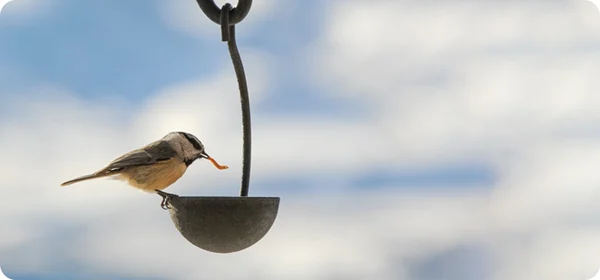
In a curious twist for Mother’s Day gift-giving, Wild Birds Unlimited (WBU) is suggesting an unconventional offering: bugs for birds, intended to delight mothers who cherish avian visitors. This recommendation, detailed in a recent WBU publication, pivots on the fundamental role insects play in avian diets, particularly during the crucial nesting and migratory seasons. The underlying premise is that by providing a habitat rich in insect food sources, or supplements thereof, individuals can enhance the bird-watching experience for mothers, thereby offering a unique and nature-centric gift.
The Biological Imperative: Why Birds Need Bugs
The article highlights a critical biological reality: for the vast majority of bird species, insects form the cornerstone of their diet, especially when raising young. May, often celebrated as Mother’s Day month in many Western countries, coincides with the peak nesting season for numerous songbirds across North America. During this period, parent birds work tirelessly to provide their offspring with a protein-rich diet to fuel rapid growth. This diet is overwhelmingly insect-based. From caterpillars and beetles to spiders and flies, these small creatures are essential for the survival and development of hatchlings.
This biological imperative directly translates into an enhanced bird-watching experience. A yard that supports a thriving insect population, or is supplemented with insect-based bird food, becomes a magnet for birds actively foraging for their young. This increased avian activity can be a source of immense joy and fascination for bird enthusiasts, including mothers who appreciate the natural world.
Beyond the nesting season, migrating songbirds also rely heavily on insects for sustenance. As these birds undertake their arduous journeys, often covering thousands of miles, they require a significant influx of energy. Insects, being a readily available and calorie-dense food source, are vital for replenishing their fat reserves. Providing insect food can therefore not only attract resident birds but also draw in a diverse array of migratory species, offering a spectacular natural display for observers. The article specifically mentions the potential to attract warblers, vireos, thrushes, and tanagers, all of which are insectivorous or insect-dependent during certain life stages.
A Two-Pronged Approach to Avian Bounty
Wild Birds Unlimited proposes a dual strategy for individuals wishing to create a bird-friendly environment that will delight mothers. The first component involves cultivating a natural habitat that supports native insect populations. This is achieved by gifting mothers plants, specifically native species, that serve as food sources and breeding grounds for insects. Unlike traditional bouquets that offer ephemeral beauty, these plants provide long-lasting enjoyment and ecological benefits throughout the summer months.
Native plants are crucial because they have co-evolved with local insect species. They offer the specific leaves, nectar, pollen, and seeds that native insects require for survival. In turn, these insects become a natural food source for birds. The article emphasizes that a diverse array of native flora can attract a wide variety of insect types, thus catering to the dietary needs of different bird species. This approach not only benefits birds but also contributes to the broader health and biodiversity of the local ecosystem. Examples of such plants could include milkweed for Monarch butterfly caterpillars, various wildflowers for pollinators, and native trees and shrubs that host numerous insect larvae.
The second, complementary strategy is the direct provision of insect-based food supplements for birds. This is where the "bugs for birds" concept takes a tangible form. WBU highlights mealworms as a particularly effective and popular supplement. Mealworms, which are the larval form of the mealworm beetle, are a concentrated source of protein and fat, closely mimicking the nutritional profile of natural insects.
WBU’s Product Offerings: Bridging the Gap
Wild Birds Unlimited offers several products designed to facilitate the feeding of mealworms to birds. These products aim to make it convenient for consumers to implement the "bugs for birds" gifting strategy.
-
Nesting SuperBlend®: This specially formulated blend is designed to support birds during the nesting season. It contains a significant amount of dried mealworms, alongside other essential seeds and nutrients. It is available as a loose seed mix or as a seed cylinder, offering versatility in how it can be offered to birds. The inclusion of mealworms directly addresses the increased protein demands of nesting birds and their young.

-
Bug, Nut & Berry Cylinder®: This popular seed cylinder is formulated to attract insect-eating birds. Its combination of ingredients provides a diverse nutritional profile that appeals to a wide range of species, particularly those that might be less inclined to visit traditional feeders. The inclusion of insect-attracting components makes it a valuable addition to any bird feeding setup.
-
Live Mealworms: For those seeking the most direct and effective method of attracting songbirds, live mealworms are presented as an exceptional option. Live mealworms are often considered a premium treat by many bird species and can be particularly effective in drawing in shy or particular eaters. Their natural appeal mirrors the live insect prey that birds would seek in the wild.
The availability of these products allows individuals to create a feeding station that is both appealing to birds and enjoyable to watch. This experiential aspect is key to the proposed Mother’s Day gift. Instead of a material item that might have a limited lifespan, this gift offers ongoing engagement with nature and the satisfaction of supporting local wildlife.
The Broader Implications: Conservation and Connection
The "Give Mom Bugs for Birds?" campaign, while framed around a holiday, touches upon broader themes of conservation and human connection with nature. By encouraging the creation of bird-friendly habitats and the supplementary feeding of birds, WBU is promoting practices that support local avian populations. In an era of declining insect populations and habitat loss, such initiatives are increasingly important for ecological health.
The act of bird feeding and habitat enhancement can foster a deeper appreciation for the natural world. For mothers, this can translate into a source of relaxation, education, and connection with their surroundings. Watching birds forage, nest, and interact can be a profoundly rewarding experience, offering a respite from daily stresses and a reminder of the intricate beauty of nature.
Furthermore, the campaign implicitly encourages a shift in consumer perspective, moving beyond conventional gifts towards experiences and contributions that have tangible ecological benefits. This aligns with a growing trend towards sustainable and meaningful gift-giving.
A Timeline of Avian Activity and Mother’s Day
The timing of this recommendation is strategically linked to both biological cycles and cultural observances:
- Early Spring (March-April): Migratory birds begin their northward journey. Early nesters may also start preparing their territories. This is when the need for energy-rich food sources, including insects, becomes paramount for migrants.
- May: This is the peak of nesting season for many songbirds. Parent birds are actively seeking and consuming insects to feed their young. Mother’s Day, typically celebrated in the second Sunday of May in many countries, falls squarely within this period. Migratory birds are also in full swing, passing through yards on their way to breeding grounds further north.
- Late Spring/Early Summer (June-July): Fledglings begin to leave the nest and require continued feeding by their parents, who still rely heavily on insect prey. Bird feeders stocked with insect supplements continue to be beneficial.
This chronological alignment ensures that the proposed gift has the maximum impact, coinciding with the period when birds are most dependent on insect food and when mothers are most likely to be enjoying their backyards.
Expert Insights and Potential Reactions
While the article itself represents the perspective of Wild Birds Unlimited, it is possible to infer potential reactions and expert opinions that support its premise. Ornithologists and conservation biologists consistently emphasize the critical role of insects in avian diets. Dr. David Jenkins, a hypothetical ornithologist specializing in urban ecology, might comment, "The dietary needs of birds, particularly during breeding season, are heavily skewed towards invertebrates. Providing supplemental insect-based foods, alongside native plants that attract insects, is a highly effective strategy for supporting local bird populations and enhancing bird-watching opportunities."
Similarly, a hypothetical garden designer focused on native landscaping, Sarah Chen, might add, "Incorporating native plants is not just about aesthetics; it’s about building ecological resilience. These plants are the foundation of food webs, supporting pollinators, beneficial insects, and ultimately, the birds that feed on them. It’s a gift that keeps on giving, both to the recipient and to the environment."

The novelty of the gift idea might elicit amusement or surprise from some consumers. However, as the article explains the underlying ecological reasons, it is likely to resonate with those who have a genuine interest in birds and nature. For many, the joy derived from observing a vibrant bird feeder teeming with life, especially when it contributes to the well-being of the birds, can be a far more meaningful gift than many traditional options.
Analyzing the Implications
The "bugs for birds" suggestion from Wild Birds Unlimited carries several implications:
- Promoting Ecological Literacy: The campaign serves as an educational tool, subtly educating consumers about the interconnectedness of ecosystems and the vital role of insects. It shifts the focus from passive consumption to active participation in conservation.
- Enhancing Backyard Biodiversity: By encouraging the use of native plants and insect-based food supplements, WBU is indirectly promoting the creation of more biodiverse backyard habitats. This is crucial in urban and suburban areas where natural habitats are often fragmented or degraded.
- Economic Impact: For Wild Birds Unlimited, this campaign likely drives sales of their specific product lines, such as mealworm-based feeders and seed blends. It also positions them as a knowledgeable resource for bird enthusiasts and nature lovers.
- Shifting Gift-Giving Norms: The initiative challenges conventional Mother’s Day gift ideas, encouraging a move towards more experiential and environmentally conscious choices. This could inspire similar campaigns from other nature-oriented businesses.
- Strengthening the Human-Nature Bond: Ultimately, the campaign aims to deepen the connection between people and nature. By facilitating a more engaging and rewarding bird-watching experience, it can foster a greater sense of stewardship and appreciation for the natural world.
In conclusion, the seemingly unconventional suggestion to "Give Mom Bugs for Birds?" is rooted in a deep understanding of avian biology and ecology. It represents a thoughtful approach to gift-giving that benefits both the recipient and the natural environment. By providing the means to create a bird-friendly haven, Wild Birds Unlimited offers a gift that brings the wonder of nature directly to the doorstep, providing hours of enjoyment and a valuable contribution to local wildlife.
