
The annual return of hummingbirds, a spectacle that graces backyards across North America each spring, represents a remarkable feat of natural endurance and a cherished harbinger of warmer seasons. These diminutive avian jewels, undertaking arduous migratory journeys that can span thousands of miles, inspire anticipation and delight among bird enthusiasts and casual observers alike. For those who diligently prepare feeders and cultivate nectar-rich gardens, the first glimpse of these vibrant fliers is a reward that far outweighs the patience required.
The Grand Migration: A Journey of Epic Proportions
The migration of hummingbirds is one of the most extraordinary natural phenomena observable by the public. Species such as the Ruby-throated Hummingbird, prevalent in eastern North America, embark on a perilous voyage from their wintering grounds in Central America, often Mexico. This journey, which can extend to approximately 2,000 miles, is a testament to their incredible resilience and instinctual navigation. For many, the final destination is their familiar breeding grounds in the United States and Canada, where they will spend the summer months.
The timing of this migration is influenced by a complex interplay of environmental cues, including changes in daylight hours and temperature, which signal the availability of blooming flowers, their primary food source. As spring progresses, these tiny birds, some weighing as little as a dime, begin their northward push. Their arrival is not a sudden event but a gradual unfolding, with early arrivals typically observed in late March or early April in southern regions, and progressively later in more northern latitudes as the season advances. This staggered arrival ensures that migratory birds encounter blooming floral resources along their entire route.
Western Wonders: Resident and Migratory Species
While many hummingbirds are migratory, a significant number, particularly in the western United States, are year-round residents or undertake shorter, altitudinal migrations. Species like Anna’s Hummingbird, Costa’s Hummingbird, and Allen’s Hummingbird are frequently observed in California and other Pacific coastal areas. For residents in these regions, the anticipation might shift from waiting for arrival to witnessing the development of local hummingbird populations. The sight of newly fledged hummingbirds, venturing out from their nests for the first time to visit feeders, offers a distinct and equally captivating experience. These young birds, often exhibiting a slightly duller plumage than their adult counterparts, represent the continuation of the hummingbird legacy.
The Art of Attraction: Creating a Hummingbird Haven
Attracting these aerial acrobats to one’s yard involves more than just hanging a feeder. While nectar feeders are crucial, providing a diverse habitat that mimics their natural environment significantly increases the likelihood of repeat visits. For migratory species like the Ruby-throated Hummingbird, feeders are essential refueling stations. A well-maintained nectar feeder, filled with a solution of one part granulated white sugar to four parts boiling water (cooled before use), provides the necessary energy. It is critical to avoid red dye, honey, or artificial sweeteners, which can be harmful to hummingbirds. Regular cleaning of feeders, typically every two to three days in warm weather, is paramount to prevent the growth of mold and bacteria that can sicken the birds.
Beyond feeders, native flowering plants play a vital role in sustaining hummingbird populations. Plants with tubular, brightly colored flowers, such as bee balm (Monarda spp.), cardinal flower (Lobelia cardinalis), salvias, and penstemons, are particularly attractive. These plants not only offer nectar but also provide perching sites and attract small insects, which are an important source of protein for hummingbirds, especially during breeding season. For western species, the selection of native plants might include fuchsias, honeysuckles, and various types of currants. Creating a multi-layered landscape with a variety of bloom times ensures a continuous food source throughout the spring and summer.
Observing the Marvels: The Intricate Feeding Mechanism
The feeding behavior of hummingbirds is a spectacle in itself, offering a glimpse into their highly specialized adaptations. Contrary to popular belief, hummingbirds do not "suck" nectar through their beaks. Instead, they possess a remarkable tongue that is grooved or forked, allowing it to lap up nectar with incredible speed. The tongue can extend beyond the tip of the beak and flicks in and out of the mouth up to 12 times per second. This rapid lapping action draws the nectar into their mouths, providing the energy required for their high metabolism and sustained flight.

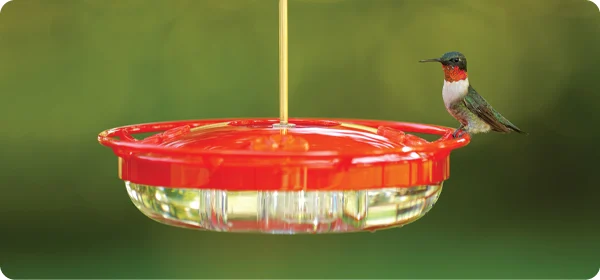
Observing this intricate feeding mechanism firsthand can be an unparalleled experience. Specialized feeders, such as those with clear plastic bases, are designed to allow viewers to witness this rapid tongue movement. This transparency offers an intimate perspective on a biological process that is usually hidden from view, further enhancing the enjoyment of hummingbird watching.
The Science Behind the Wonder: Metabolism and Flight
Hummingbirds possess the highest metabolic rate of any warm-blooded animal. Their wings can beat at astonishing speeds, ranging from 12 to 80 beats per second depending on the species and activity, enabling them to hover, fly backward, and maneuver with unparalleled agility. This remarkable physiology necessitates a constant intake of high-energy food. Their diet of nectar provides the sugars needed for immediate energy, while insects offer essential proteins, fats, and micronutrients.
During migratory flights, hummingbirds must build up significant fat reserves. They can increase their body weight by as much as 50% before embarking on long journeys. This stored energy is crucial for sustaining them through periods when food may be scarce, especially during long flights over water where no feeding opportunities exist. The ability to convert food into energy so efficiently is a key factor in their migratory success.
Broader Implications: Conservation and Human Connection
The presence of hummingbirds in our backyards serves as a potent reminder of the intricate connections within ecosystems and the importance of conservation efforts. As habitats are altered and climate change impacts floral bloom times, the challenges faced by these migratory birds are increasing. Supporting local conservation initiatives and creating bird-friendly habitats in urban and suburban areas are vital steps in ensuring the continued survival of hummingbird populations.
The act of observing and attracting hummingbirds fosters a deeper connection with nature. It encourages individuals to become more aware of their local environment, the importance of biodiversity, and the role they can play in supporting wildlife. This engagement can extend to broader environmental stewardship, inspiring action to protect natural spaces and promote sustainable practices.
Expert Insights and Resources
Organizations like Wild Birds Unlimited (WBU) play a significant role in educating the public about backyard bird feeding and conservation. WBU, a franchise system of nature specialty stores, offers a wealth of resources, including expert advice, educational events, and specialized products designed to support avian life. Their "Nature Centered" podcast, for instance, features episodes like "Hooray for Hummingbirds," which delves into the intricacies of attracting and observing these fascinating creatures. These platforms provide valuable information for both novice and experienced birdwatchers, enhancing their understanding and enjoyment of the natural world.
The "Hooray for Hummingbirds" episode, hosted by John and Brian, likely explores practical tips for feeder placement, nectar preparation, and plant selection, while also highlighting the unique behaviors and ecological importance of hummingbirds. Such expert-led discussions aim to demystify hummingbird care and encourage more people to participate in citizen science and conservation efforts by documenting their observations.
A Timeless Reward
Ultimately, the wait for hummingbirds is a profound experience. It is a period of anticipation that culminates in the breathtaking arrival of these tiny marvels. Their darting flight, iridescent plumage, and tenacious feeding habits offer a consistent source of wonder and delight. Whether witnessing their arduous migration from afar or observing resident species raising their young, the presence of hummingbirds enriches our lives and serves as a powerful symbol of nature’s resilience and beauty. The commitment to providing them with the resources they need is a small investment that yields an immeasurable return in joy and a deeper appreciation for the natural world. The cyclical return of these vibrant visitors each year is a testament to their incredible journey and a cherished annual reward for those who open their yards and hearts to them.
