
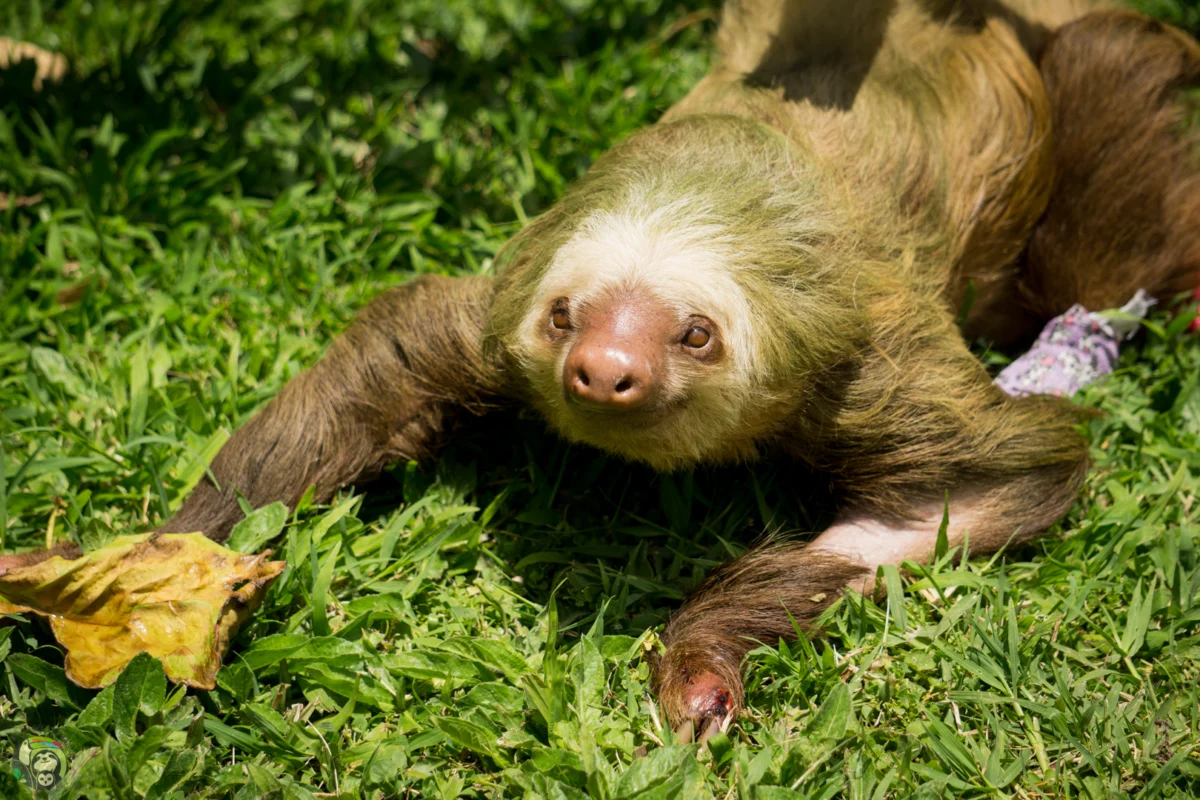
In the lush, high-altitude cloud forests of San José de la Montaña, Costa Rica, the Toucan Rescue Ranch (TRR) has established itself as a global leader in the specialized field of wildlife medicine and rehabilitation. As a non-profit organization dedicated to the rescue, rehabilitation, and eventual release of Costa Rica’s diverse fauna, TRR operates a sophisticated veterinary complex that bridges the gap between emergency trauma care and long-term conservation science. The facility’s commitment to wildlife extends far beyond basic triage, incorporating advanced surgical techniques, species-specific nutritional science, and a rigorous rehabilitation protocol designed to return animals to their natural habitats with the highest possible chance of survival.
The Critical Need for Wildlife Intervention in Costa Rica
Costa Rica, despite its small landmass, hosts nearly 6% of the world’s biodiversity. However, this biological wealth faces increasing pressure from human encroachment, infrastructure development, and the illegal pet trade. The Toucan Rescue Ranch serves as a frontline responder to these challenges. Many of the residents arriving at the clinic are victims of electrocution from uninsulated power lines, vehicular strikes, or displacement due to deforestation.
To address these multifaceted threats, TRR has developed a multi-disciplinary approach to medicine. The facility’s medical directorate emphasizes that wildlife medicine is significantly more complex than domestic veterinary practice, requiring an intimate understanding of the unique physiological and psychological needs of avian species, primates, sloths, and small wild cats. This expertise is critical because wild animals instinctively mask signs of illness or injury to avoid predation, making early and accurate diagnosis a matter of life or death.
Chronology of Care: From Emergency Intake to the Wild
The journey of a patient at Toucan Rescue Ranch follows a strictly regulated chronology designed to minimize stress and maximize recovery efficiency. This process begins the moment an animal is transferred to the facility, often by the Ministry of Environment and Energy (MINAE) or concerned citizens.
Phase One: Immediate Stabilization and Assessment
Upon arrival, every animal undergoes an exhaustive health assessment. This initial phase is critical for identifying non-obvious internal injuries, such as internal hemorrhaging or respiratory distress. The TRR veterinary team utilizes diagnostic tools including digital radiography (X-ray) and comprehensive blood panels to establish a baseline of health. For species like the three-toed sloth, whose metabolism is exceptionally slow, these diagnostics must be interpreted through a specialized lens, as standard mammalian benchmarks rarely apply.
Phase Two: Specialized Surgical and Medical Intervention
Once stabilized, patients may move into the surgical suite. The ranch has gained international recognition for its work in avian and exotic medicine. Notable procedures include complex orthopedic surgeries to repair fractured wings in toucans and raptors, as well as innovative shell repair for injured turtles. These interventions often involve the use of specialized anesthesia protocols tailored to the sensitive respiratory systems of birds and reptiles.
Phase Three: The Rehabilitation Bridge
Post-operative care transitions into a phase of managed rehabilitation. Unlike domestic animals, wildlife patients must remain "wild" during their recovery. TRR utilizes enclosures that simulate the animal’s natural environment, encouraging the use of natural foraging behaviors and physical movement. During this period, human contact is strictly limited to prevent habituation, which would render the animal unfit for release.
Phase Four: Final Reintroduction
The ultimate goal of the medical program is the "soft release" or "hard release" of the patient. For animals that have spent significant time in care, a soft release involves a gradual transition at a remote site, such as TRR’s Sarapiquí release station, where they are monitored as they acclimate to the wild.
Supporting Data: The Impact of Evidence-Based Medicine
The success of the Toucan Rescue Ranch is underpinned by data-driven practices. While exact annual intake numbers fluctuate, facilities of this caliber in Costa Rica typically manage between 500 and 1,000 animals per year. Research indicates that specialized wildlife clinics can increase the release success rate of certain species by up to 40% compared to generalist facilities.
One of the most significant data points in TRR’s history involves the "Saving Sloths Together" program. By tracking the medical outcomes of electrocuted sloths, the ranch has contributed vital data to the scientific community regarding the treatment of high-voltage burns in arboreal mammals. This data is used not only to improve medical protocols but also to lobby for better infrastructure, such as insulated power lines and wildlife bridges, which address the root causes of these injuries.
Advanced Medical Technology and Preventative Protocols
The clinic at TRR is equipped with state-of-the-art technology that mirrors human neonatal and trauma units. This includes specialized incubators for orphaned neonates, such as baby sloths and oncillas, which require precise temperature and humidity control to survive.
Preventative medicine is equally prioritized. Upon intake and periodically during their stay, residents are screened for parasites and zoonotic diseases. Vaccination protocols are implemented where appropriate to ensure that no domestic diseases are introduced back into wild populations upon an animal’s release. This "One Health" approach recognizes that the health of wildlife is inextricably linked to the health of the ecosystem and the human populations surrounding it.
Nutritional Support: The Science of Species-Specific Diets
A cornerstone of the recovery process at TRR is nutritional therapy. The ranch employs specialists who formulate diets tailored to the exacting needs of each resident. For example, a toucan’s diet must be strictly controlled for iron content to prevent Hemochromatosis (iron storage disease), a common and often fatal condition in captive piciforms.
Similarly, the nutritional requirements of an orphaned sloth change weekly as they transition from specialized milk formulas to a variety of wild leaves. The TRR team meticulously sources endemic plant species to ensure that the animals’ digestive systems are prepared for the diet they will encounter in the wild. This attention to detail reduces the risk of gastrointestinal stasis, a leading cause of mortality in rehabilitated wildlife.
Professional Training and Global Conservation Impact
Toucan Rescue Ranch serves as a vital educational hub for the next generation of wildlife veterinarians and conservationists. The facility hosts interns and residents from across the globe, providing hands-on experience in exotic medicine that is rarely available in standard veterinary curricula.
"Education is the most powerful tool we have in conservation," a TRR representative noted during a recent briefing on facility operations. By training staff and interns in the latest wildlife medicine techniques, the ranch ensures that its high standards of care are exported to other conservation projects worldwide. This intellectual exchange fosters a global network of experts capable of responding to wildlife crises, from local poaching incidents to large-scale environmental disasters.
Broader Implications: Wildlife Health as an Environmental Barometer
The work performed at Toucan Rescue Ranch has implications that extend far beyond the individual animals saved. Wildlife clinics act as early warning systems for environmental health. An uptick in a particular type of injury or illness can signal a larger ecological problem, such as chemical runoff affecting local water sources or a new viral outbreak within a specific population.
By maintaining rigorous medical records and performing necropsies on animals that do not survive, TRR provides a wealth of biological data to the Costa Rican government and international scientific bodies. This information is crucial for developing national conservation strategies and for understanding how climate change is shifting the distribution and health of tropical species.
A Collaborative Future for Costa Rican Wildlife
The success of the Toucan Rescue Ranch is a testament to the power of collaborative conservation. The facility works in close partnership with MINAE, local law enforcement, and other NGOs to create a cohesive safety net for wildlife. This network ensures that an injured animal found in a remote corner of the country can be stabilized and transported to the specialized care it needs at TRR.
As the ranch looks to the future, the focus remains on expanding its medical capabilities and enhancing its release programs. The integration of GPS tracking technology in post-release monitoring is one such area of growth, allowing the team to verify the long-term success of their medical interventions.
Ultimately, the Toucan Rescue Ranch embodies a sophisticated blend of compassion and clinical excellence. Through its dedication to cutting-edge wildlife medicine, the ranch not only heals the individual but also strengthens the resilience of Costa Rica’s natural heritage. Every successful release is a victory for biodiversity, ensuring that the vibrant calls of toucans and the slow, steady presence of sloths continue to define the Costa Rican landscape for generations to come. Support for these missions, whether through donations, volunteering, or advocacy, remains a vital component in the global effort to preserve the world’s most vulnerable and extraordinary species.
