

The Philippines is currently grappling with a severe energy crisis, exacerbated by the ongoing geopolitical tensions stemming from the US-Iran war. Wetlands International expresses profound solidarity with the millions of Filipino families experiencing the hardship and economic strain caused by this crisis. The organization recognizes the critical need for immediate and sustainable solutions, advocating for a decisive and accelerated shift towards renewable energy sources. This transition, they emphasize, is crucial for ensuring long-term energy security without jeopardizing the nation’s invaluable natural heritage.
Declaration of National Energy Emergency and a Call for Renewable Investment
In response to the escalating energy shortage, the Philippine government has declared a State of National Energy Emergency under Executive Order 110. This declaration underscores the gravity of the situation and signals a critical juncture for the nation’s energy policy. Wetlands International urges the government to seize this moment to prioritize and expedite its transition to renewable energy, a path they believe offers a robust and environmentally responsible solution to the current predicament.
Concerns Over Liguasan Marsh Exploration
Amidst the energy crisis, Wetlands International has voiced significant concern over renewed efforts to pursue oil and gas exploration in the Liguasan Marsh. This vast wetland system, the largest swamp and marsh area in south-central Mindanao, is recognized as one of the Philippines’ most important and biodiverse ecosystems. While acknowledging the imperative to address the energy emergency, the organization stresses that the ecological sensitivity of the Liguasan Marsh necessitates the utmost environmental scrutiny and a cautious, science-based approach.
Dr. Annadel Cabanban, Country Director of Wetlands International Philippines, emphasized the critical role of the Liguasan Marsh: "The Liguasan Marsh is not just a wetland—it is a lifeline for communities, wildlife, and our climate resilience. We cannot afford to damage an ecosystem that safeguards us from floods, supports fisheries, and stores vast amounts of carbon. A truly secure energy future is one that strengthens, not sacrifices, the natural systems that protect Filipino lives."
The Irreplaceable Ecological and Economic Value of Liguasan Marsh
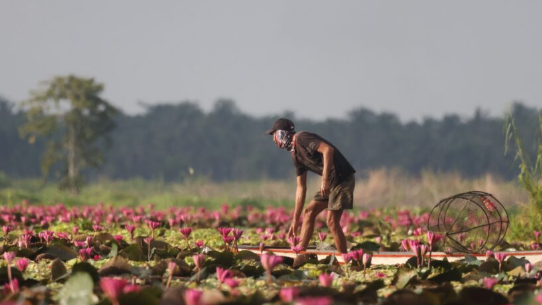
The Liguasan Marsh is an ecological treasure trove, playing a vital role in the Philippines’ environmental and economic landscape. Its significance extends far beyond its status as a biodiverse habitat.
- Flood Control and Water Regulation: As a vast wetland, the marsh acts as a natural sponge, absorbing excess water during heavy rainfall and mitigating flood risks for surrounding communities. Its degradation would significantly diminish this protective capacity, leaving communities more vulnerable to devastating floods, a recurring challenge in the Philippines.
- Biodiversity Hotspot: The marsh is home to a remarkable array of flora and fauna, including numerous endemic species. It serves as a critical breeding ground and habitat for fish, birds, reptiles, and other wildlife, supporting a rich and complex food web. The disruption of this delicate ecosystem could lead to irreversible species loss.
- Fisheries and Livelihoods: The Liguasan Marsh is a vital source of sustenance and livelihood for thousands of Filipino families. Its waters teem with fish, supporting a robust fishing industry that forms the backbone of many local economies. Contamination from oil and gas exploration could decimate fish populations, threatening food security and economic stability.
- Carbon Sequestration: Wetlands, particularly large marsh systems like Liguasan, are significant carbon sinks, playing a crucial role in regulating the global climate. Disturbing these ecosystems through extraction activities would release vast amounts of stored carbon dioxide into the atmosphere, exacerbating climate change and undermining global efforts to reduce emissions. The Philippines, as an island nation highly vulnerable to climate impacts, has a vested interest in preserving these natural carbon sinks.
- Cultural Heritage: The Liguasan Marsh is deeply intertwined with the cultural heritage and traditional practices of indigenous communities who have lived in and relied upon its resources for generations. Oil and gas exploration risks not only environmental destruction but also the erosion of these cultural ties and ancestral domains.
Potential Repercussions of Unregulated Resource Extraction
Wetlands International highlights the severe and potentially irreversible consequences of pursuing oil and gas exploration in the Liguasan Marsh without stringent environmental safeguards and thorough assessments. These risks include:
- Water Source Contamination: Accidental spills or leaks from exploration and extraction activities could severely contaminate the marsh’s freshwater sources, impacting drinking water supplies for local communities and the health of aquatic ecosystems.
- Heightened Flooding: Damage to the marsh’s natural water-regulating functions could lead to increased frequency and severity of flooding in downstream areas.
- Biodiversity Loss: Habitat destruction, pollution, and noise from extraction operations could lead to significant declines in wildlife populations, potentially driving some species to extinction.
- Carbon Emissions: The disturbance of peatlands and other carbon-rich soils within the marsh would release substantial amounts of greenhouse gases, contributing to climate change.
- Threats to Livelihoods and Cultural Heritage: The degradation of the marsh’s natural resources would directly threaten the livelihoods of fishing communities and disrupt the cultural practices and traditions of indigenous peoples.
A Broader Threat to Philippine Wetlands
The concerns raised by Wetlands International extend beyond the Liguasan Marsh, encompassing the broader threat to the Philippines’ extensive network of wetlands and forests. These vital ecosystems provide indispensable services, including:
- Clean Water Supply: Wetlands act as natural filters, purifying water and ensuring a reliable supply of clean drinking water for millions.
- Food Security: They support diverse agricultural and fisheries sectors, contributing significantly to the nation’s food security.
- Coastal Protection: Mangrove forests and other coastal wetlands serve as natural barriers against storm surges and coastal erosion, protecting communities and infrastructure.
- Biodiversity Support: These ecosystems are crucial for maintaining the rich biodiversity of the Philippines, a global megadiversity hotspot.
The degradation of these natural systems undermines the Philippines’ resilience to climate impacts, exacerbates existing vulnerabilities, and jeopardizes the long-term well-being of its citizens.
Lessons from Southeast Asian Neighbors
Wetlands International points to the successful renewable energy transitions undertaken by neighboring Southeast Asian countries as models for the Philippines. These examples demonstrate that energy security and environmental protection can be achieved simultaneously:

- Vietnam: Has experienced rapid growth in solar power deployment, significantly contributing to its energy mix.
- Indonesia: Is developing renewable microgrids to power remote communities, improving energy access and reducing reliance on fossil fuels.
- Thailand: Has implemented community-based biomass energy systems, empowering local communities and promoting sustainable energy production.
- Malaysia: Has established competitive solar auctions, attracting investment and driving down the cost of renewable energy.
These initiatives showcase a pragmatic and forward-thinking approach to energy development that prioritizes sustainability and environmental stewardship.
A Vision for a Sustainable Energy Future
The Philippines stands at a crossroads, facing the dual challenges of an energy crisis and the imperative to protect its natural environment. Wetlands International advocates for a development path that is both responsible and sustainable, one that safeguards the nation’s ecosystems, upholds its climate commitments, and ensures the well-being of present and future generations.
"Moving away from fossil fuels is not only an energy decision—it is a wetlands decision," Dr. Cabanban stated. "Every wetland we protect strengthens our resilience against floods, droughts, and climate impacts that fossil fuels continue to worsen. By reducing our reliance on oil and investing in renewable energy, we allow vital wetlands like the Liguasan Marsh to keep doing what they do best: protect communities, sustain biodiversity, and stabilize our climate."
Call to Action and Collaboration
Wetlands International Philippines reiterates its call for the Philippine government to prioritize investment in renewable energy and to accelerate a just and rapid energy transition. They emphasize that fossil-fuel extraction in fragile ecosystems is not a sustainable or climate-resilient solution.
The organization stands ready to collaborate with government agencies, civil society partners, and scientific institutions. Guided by a long-term, future-oriented energy strategy that safeguards wetlands, upholds scientific and community consultation, and aligns with climate commitments, Wetlands International aims to help shape a resilient and sustainable energy transition rooted in sound science and community welfare.
This moment of national urgency presents an opportunity to forge a future where energy security goes hand-in-hand with environmental protection, climate resilience, and the dignity and well-being of all Filipinos. The decisions made today regarding the nation’s energy future will have profound and lasting impacts on its environment, its economy, and the lives of its people for generations to come.
