
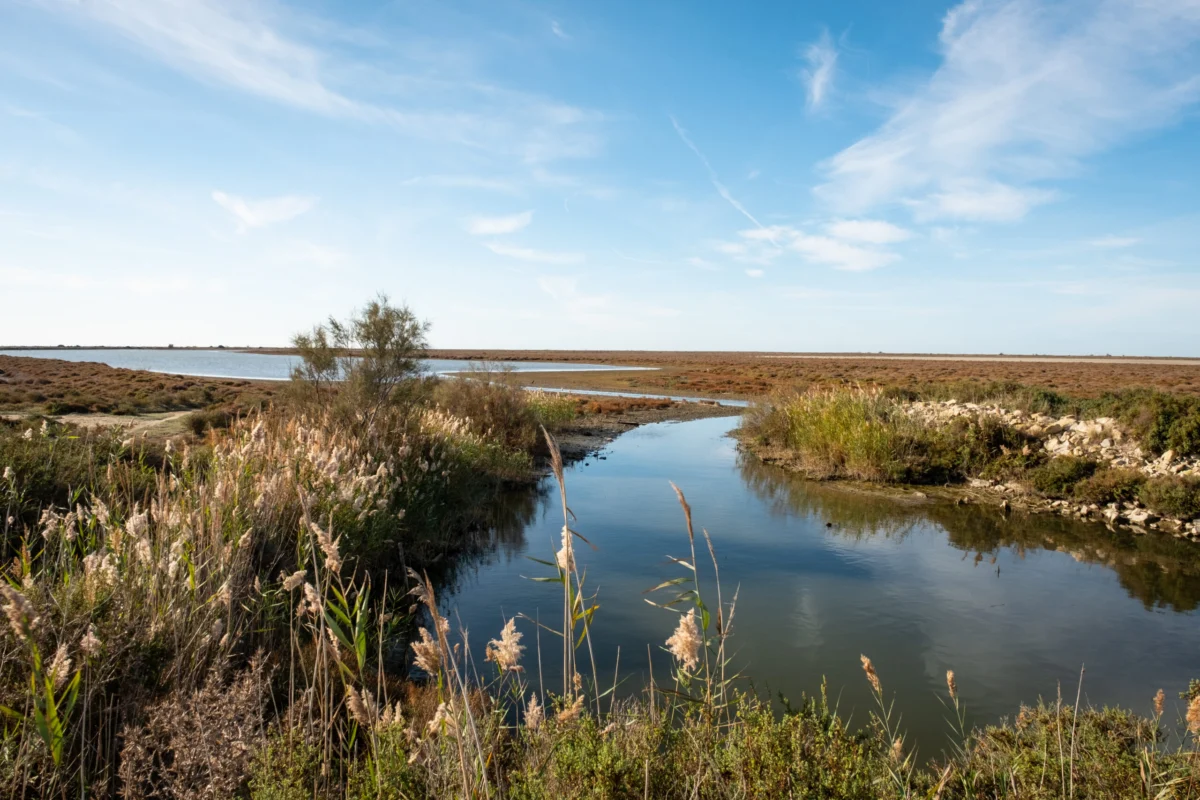
As spring unfurls across the Camargue, a region of unparalleled natural beauty in southern France, it heralds the return of tens of thousands of migratory birds. This annual spectacle, painting the landscape with vibrant colours, echoing with diverse sounds, and perfumed by the unique scents of its wetlands, is a testament to a delicate ecological balance forged over centuries. This intricate tapestry of life is the result of a powerful synergy between profound natural processes and sustained human activity that has sculpted this vital wetland ecosystem. However, this internationally recognized natural heritage, a cornerstone of European biodiversity and a crucial climate regulator, is currently facing unprecedented threats from a series of ambitious infrastructure projects, raising serious concerns about its future and the erosion of democratic public participation in environmental decision-making.
A Natural Heritage of Global Significance
The Rhône delta, encompassing the Camargue, stands as one of Europe’s and the Mediterranean’s largest and most ecologically diverse wetland systems. Its strategic location along critical migratory flyways makes it an indispensable sanctuary for an astonishing array of avian life, boasting 400 bird species. Critically, it provides refuge for 103 species listed on the European Red List of Threatened Species by the International Union for Conservation of Nature (IUCN). Nestled within a biodiverse "golden triangle" alongside the Crau and the Alpilles, the Camargue’s ecological significance is recognized globally.
The French state acknowledged this importance early on. In the 1970s, a deliberate policy decision designated the Camargue primarily for environmental protection, in contrast to the industrial development prioritized in the nearby Fos-Berre area and the burgeoning tourism sector in Languedoc-Roussillon to the west. This commitment to the Camargue’s environmental role has only deepened over the subsequent decades. In a landmark recognition of its ecological value, the Camargue became the first French site designated as a Wetland of International Importance under the Ramsar Convention in 1986. Today, its status is further reinforced by a comprehensive suite of protection designations, including a UNESCO Biosphere Reserve, a Regional Natural Park, multiple nature reserves, and sites managed by the Conservatoire du Littoral.
Given this extensive recognition and protection, one might assume the Camargue is secure from significant external pressures. However, the reality on the ground paints a far more precarious picture.
Mounting Infrastructure Threats and a Growing Democratic Void
The Camargue is currently confronting a barrage of development proposals that threaten its ecological integrity. Among the most significant are:
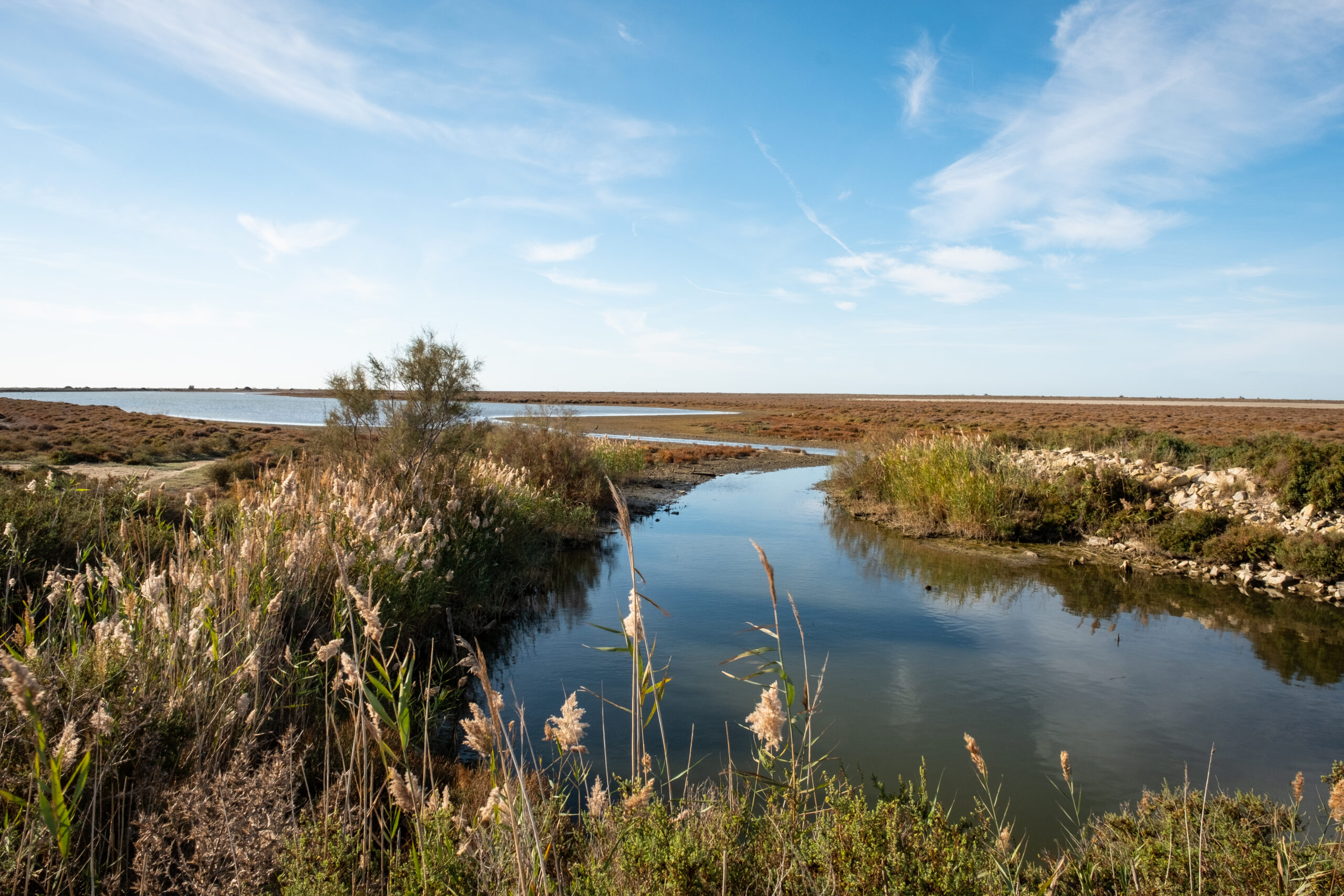
- A Very High-Voltage Power Line (THT): This proposed line is slated to traverse both the Camargue and the Crau, raising concerns about habitat fragmentation, visual intrusion, and potential impacts on wildlife, particularly birds.
- A Superhighway Project: This ambitious road construction project is set to impact some of the Camargue’s rare and ecologically sensitive peatlands, habitats crucial for specific flora and fauna.
- A New Bridge: The construction of a bridge designed to facilitate heavy lorry traffic is planned to cut through the heart of the delta, potentially exacerbating existing environmental pressures and altering the landscape.
While each of these projects individually warrants careful scrutiny, their cumulative impact is a cause for profound concern. Experts warn that the combined effects could lead to significant habitat fragmentation, disrupt delicate hydrological balances that sustain the wetlands, increase risks for local communities, and diminish the very benefits that a protected Camargue provides to its inhabitants.
Beyond the ecological ramifications, a more insidious threat is emerging: a discernible fracture in democratic dialogue and public participation.
A Pattern of Disregarded Consultation
While consultation processes have been initiated for these projects, their efficacy has been severely questioned. Despite clear and consistent opposition from a broad spectrum of stakeholders—including citizens, protected area managers, farmers, and other local communities—the State has largely maintained its original course, showing a reluctance to seriously consider or implement proposed alternatives.
A prime example of this trend occurred during the public debate organized in 2025 by the National Commission for Public Debate (CNDP) concerning reindustrialization and decarbonization projects in Fos-Berre. The proposed overhead THT line faced substantial opposition due to its anticipated negative impacts on the environment, the distinctive landscapes of the region, and the local economy. During the debate, a viable alternative solution was presented, detailing a potentially less impactful route and method of transmission. However, following the conclusion of the public debate, the State reiterated its commitment to the original overhead line project. The justification provided was the urgent need to secure an additional 4 GW of power capacity by 2030, a target deemed achievable within the given timeframe only through an overhead transmission line. Crucially, the CNDP’s recommendations, which included initiating a conciliation process to foster a more balanced and mutually agreeable solution, were not heeded. Furthermore, responses to broader questions raised during the debate regarding the industrial rationale of the territories, including considerations of sufficiency and the multifaceted roles of these areas, remained vague and failed to adequately address critical aspects of sustainable development.
A similar pattern of disregard for public input is evident in the Arles superhighway project. Following a public inquiry held in December 2025, the Commission’s findings were unequivocal. It issued an unfavorable ruling on the project’s declaration of public utility and a strongly unfavorable assessment of its socio-economic, environmental, and health impacts. Despite these damning conclusions, the regional prefect has recently confirmed the State’s intention to proceed with the project, effectively overriding the findings of the public inquiry.
The consistent pattern of ignoring the outcomes of formal consultation processes significantly erodes public trust in democratic institutions and processes. These decisions appear to contravene the fundamental right to public participation in environmental decision-making, as enshrined in Article 7 of the French Environmental Charter and upheld by the international framework of the Aarhus Convention. This situation echoes the urgent warnings issued by the United Nations Special Rapporteur on Environmental Defenders, Michel Forst. In his comprehensive 2024 report, Forst highlighted a worrying trend of diminishing democratic safeguards and increasingly weakened public participation, a concern he specifically noted as being particularly acute in France.

Rethinking Solutions for a Sustainable Future
The challenges facing the Camargue are undeniably real, stemming from pressing energy demands and evolving economic imperatives. However, the solutions proposed must not create an artificial dichotomy between economic progress and environmental preservation, nor should they pit the urgent need for energy transition against the imperative to safeguard invaluable natural heritage. Instead, the responses must be firmly rooted in the principles of sufficiency—in energy, land use, and water management. Crucially, biodiversity must no longer be treated as a mere adjustment variable in development plans; it must be recognized as an essential foundation for long-term prosperity and resilience.
The Camargue, situated at the mouth of one of Europe’s most powerful rivers, is at the nexus of the critical environmental challenges of the 21st century. Its extensive wetlands are not merely the bedrock of the region’s ecological, agricultural, and cultural wealth. They also function as indispensable climate buffers, acting as significant carbon sinks and providing a vital form of "life insurance" against the escalating impacts of future climate change.
It was within the Camargue, at the Tour du Valat research center, that the international movement for wetland conservation truly began to coalesce in the late 1950s, under the visionary impetus of Luc Hoffmann. This pioneering work directly led to the establishment of the Ramsar Convention, the world’s first multilateral environmental agreement, underscoring the Camargue’s historical and ongoing significance in global conservation efforts.
As the 67th Standing Committee of the Ramsar Convention convenes this week, a critical question looms large: Will France uphold its international commitments and demonstrate the political will necessary to genuinely protect this irreplaceable natural jewel for future generations? The decisions made today regarding the Camargue will not only shape the future of this iconic landscape but will also serve as a barometer of France’s commitment to its environmental obligations and the principles of democratic environmental governance. The urgency for a re-evaluation of development priorities, one that genuinely integrates ecological safeguarding with societal needs and respects the outcomes of public deliberation, has never been greater.
