
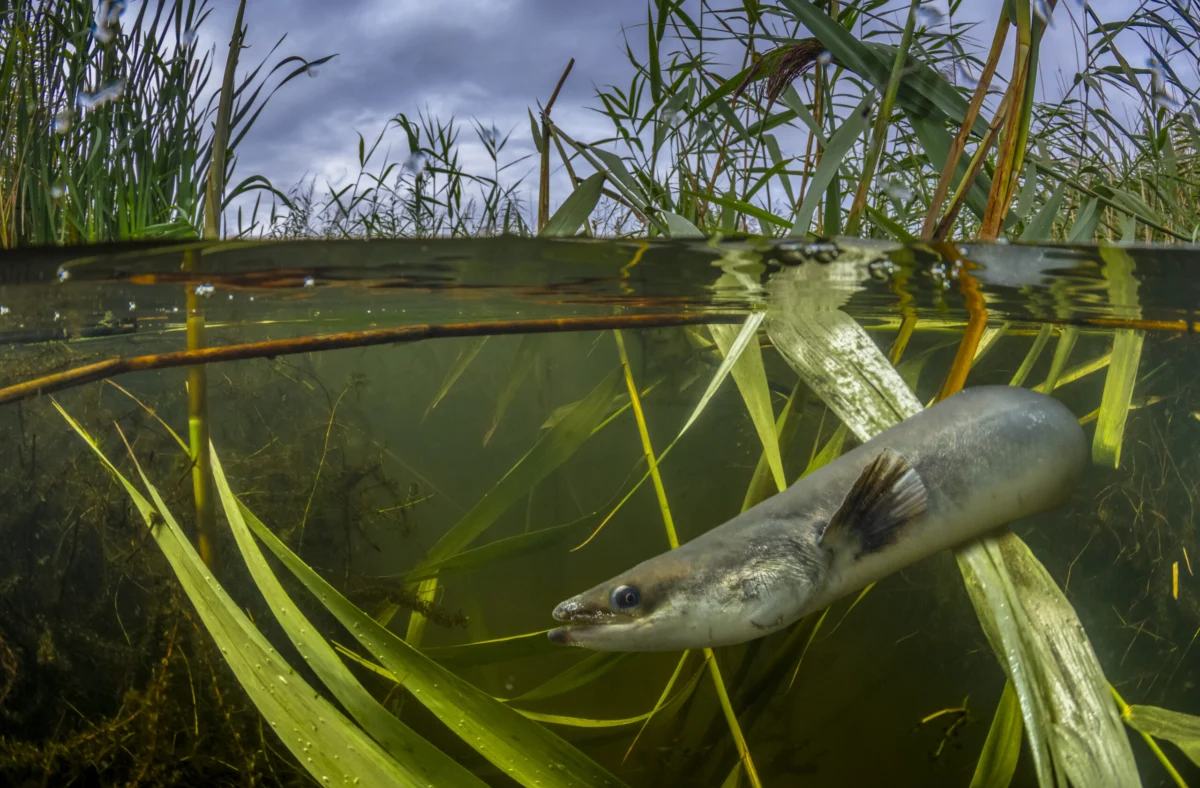
The updated European Red List of Freshwater Fishes, the most comprehensive assessment in 15 years, reveals little evidence of species recovery and calls for urgent action to protect Europe’s aquatic biodiversity.
A stark and sobering reality has emerged from the latest assessment of Europe’s freshwater fish populations, painting a grim picture of aquatic biodiversity under severe threat. The newly released European Red List of Freshwater Fishes, the most exhaustive evaluation of its kind in fifteen years, has revealed a deeply concerning trend: a widespread lack of recovery among species, underscoring the urgent need for decisive and coordinated action to safeguard the continent’s vital aquatic ecosystems.
The findings, published on April 13, 2026, indicate that a staggering proportion of native European freshwater fish species are now of elevated conservation concern. Out of the 558 native species meticulously evaluated, an alarming 42% are currently classified as threatened with extinction. This figure is compounded by an additional 18% of species that are categorized as Near Threatened, meaning they are close to meeting the criteria for a threatened status. Collectively, this means nearly six in ten native European freshwater fish species are facing significant risks to their survival.
"These statistics provide a sobering reminder that all is not well with Europe’s freshwater fishes – and its wetlands," stated Kathy Hughes, Biodiversity Lead at Wetlands International and co-chair of the IUCN Freshwater Fish Specialist Group. "The assessment found that Europe’s freshwater fishes are significantly more threatened than those in other regions – with 42% at risk of extinction. If Europe’s freshwater wetlands are not healthy enough for fishes, they are not healthy enough for our societies and economies to flourish."
This comprehensive assessment, a collaborative effort involving over 135 experts from more than 30 countries, provides a scientifically rigorous, evidence-based evaluation of extinction risk. The proportion of threatened species has seen a notable increase of 5% since the previous assessment in 2011, a statistic that directly contradicts hopes for a turnaround in aquatic ecosystem health across the continent. The report’s findings offer little solace, showing minimal evidence of widespread recovery.
The Silent Crisis in Europe’s Waters
Freshwater fish are not merely inhabitants of rivers, lakes, and wetlands; they are fundamental to the health and functioning of these ecosystems. As the most diverse vertebrate group on Earth, they serve as critical indicators of the overall well-being of aquatic environments. The deteriorating status of these fish populations is therefore a direct signal of broader ecosystemic decline, affecting everything from water quality to the intricate food webs that sustain other wildlife and, ultimately, human populations.
The implications of this decline are profound. Without immediate, concerted efforts to address the multifaceted threats facing these species, Europe risks losing a substantial portion of its unique aquatic biodiversity within the next generation. The report underscores that the drivers of this crisis are complex and often interconnected, creating a formidable challenge for conservationists and policymakers alike.
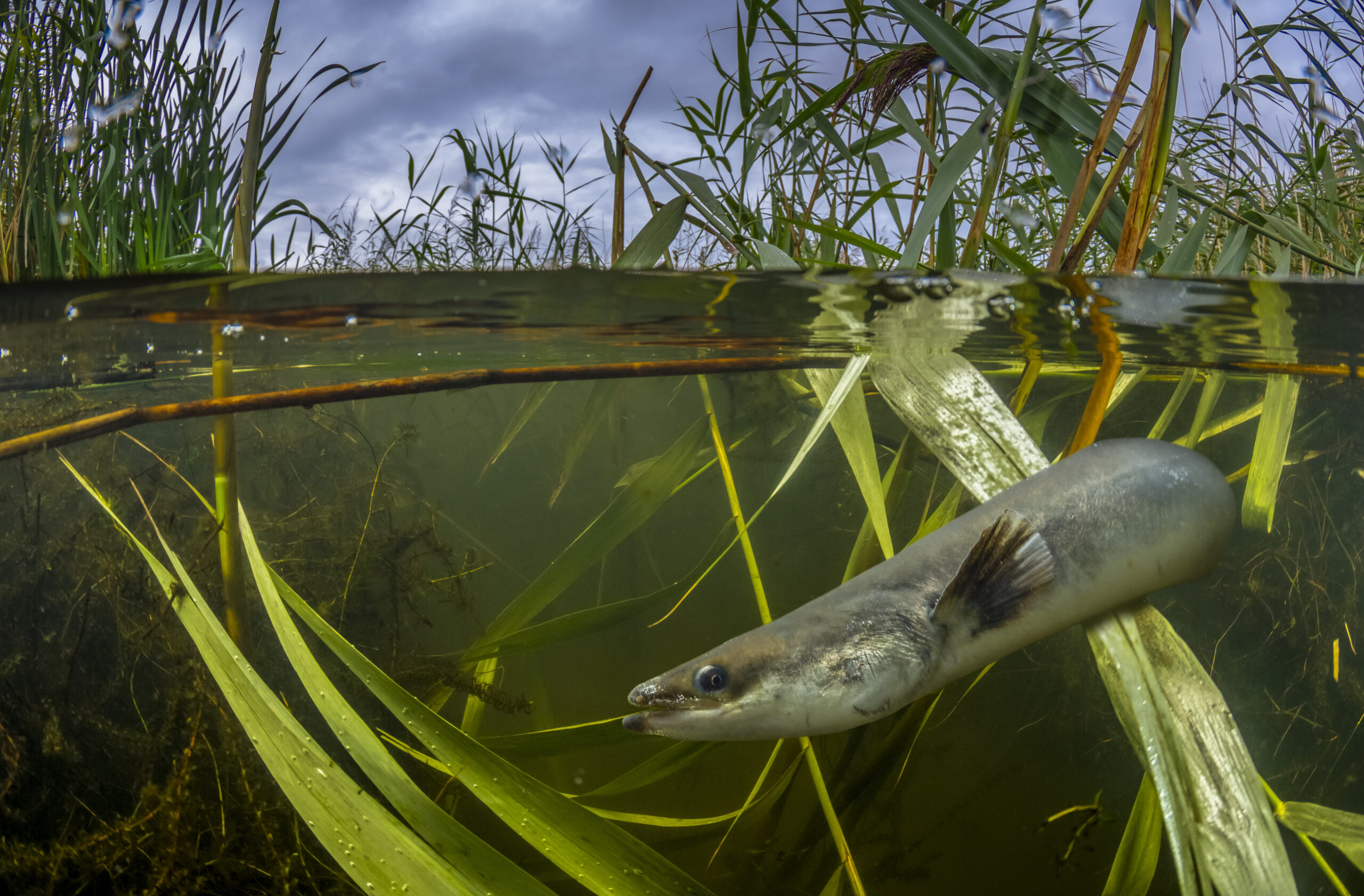
Key Drivers of Decline: A Multifaceted Threat
The European Red List of Freshwater Fishes meticulously details the primary factors contributing to the perilous state of these species. The findings highlight a pervasive set of interconnected threats that are pushing fish populations towards the precipice.
Habitat Modification: The Pervasive Threat
By far the most significant and widespread threat identified is habitat modification, impacting a staggering 69% of all assessed species. This category is dominated by the construction of dams, weirs, and other physical barriers that fragment river systems, disrupt natural flow regimes, and impede the essential movements of fish. These structures not only block migration routes vital for breeding and feeding but also alter water levels, temperature, and sediment transport, fundamentally changing the habitats upon which fish depend.
Pollution: A Silent Killer
Chemical and physical pollution poses another immense challenge, affecting more than 65% of freshwater fish species. This includes agricultural runoff laden with pesticides and fertilizers, industrial discharge containing heavy metals and other toxins, and untreated or inadequately treated sewage. These pollutants degrade water quality, leading to direct mortality, reduced reproductive success, and increased susceptibility to diseases. Sedimentation, often exacerbated by land-use practices and dam construction, further degrades habitats by silting up spawning grounds and reducing oxygen levels.
Invasive Species: Disrupting Ecological Balance
The introduction and spread of non-native, invasive species represent a substantial threat, impacting 56% of assessed fish populations. These introduced species often outcompete native fish for food and habitat, prey upon native species, or introduce novel diseases and parasites. The ecological disruption caused by invasive species can lead to dramatic population declines and even local extinctions of native fish.
Climate Change: A Growing Menace
While currently affecting 35% of species, the report explicitly warns that climate change is poised to become an increasingly dominant driver of decline in the coming decades. Rising water temperatures, altered precipitation patterns leading to more frequent floods and droughts, and changes in water chemistry are all expected to exert significant pressure on freshwater fish populations, particularly in southern Europe where water scarcity is already a critical issue. The impacts are varied, from direct thermal stress to the disruption of breeding cycles and the enhancement of existing threats like pollution and invasive species.
Migratory Species Face Acute Pressure
The report highlights a particularly dire situation for migratory freshwater fish species. Approximately 39% of these species are experiencing declines, a stark contrast to the roughly 14% of non-migratory species facing similar pressures. This significant disparity underscores the devastating impact of barriers to fish movement, such as dams and weirs, which are critical impediments to the life cycles of migratory species that rely on long-distance journeys for breeding and feeding.
A Call for Urgent, Coordinated Action
The findings of the European Red List of Freshwater Fishes serve as a critical wake-up call, emphasizing the interconnectedness of healthy aquatic ecosystems with human well-being. "Europe’s rivers and lakes are sending a clear warning: nearly two thirds of freshwater fishes are at risk, and many show no recovery over the past 15 years," stated Matthew Ford, lead author of the report and a member of the IUCN Freshwater Fish Specialist Group. "Strengthening data collection, research and evidence-based management is essential to safeguard these species and the freshwater ecosystems we all rely on."
A Timely Resource for Policy and Conservation
The publication of this updated Red List arrives at a pivotal moment for Europe’s environmental policy. Inland waters, historically undervalued, are finally gaining recognition on global and European biodiversity agendas. The report offers crucial, scientifically robust evidence to inform and strengthen the implementation of key policy initiatives.

These include the EU Biodiversity Strategy for 2030, the ambitious Nature Restoration Regulation, and the Kunming-Montreal Global Biodiversity Framework. The Red List’s repeated assessments over time serve as a vital long-term biodiversity indicator, providing a clear measure of progress or decline. While biological indicators under the Water Framework Directive capture changes in fish communities at a water body level, the species-specific assessment provided by the Red List is essential for designing targeted and impactful restoration and mitigation measures.
The European Water Resilience Strategy, recently published, also stands to benefit significantly from these findings, offering timely guidance to integrate biodiversity considerations more effectively into water management and restoration efforts.
A Warning Against Weakening Environmental Legislation
The escalating crisis for freshwater fish populations has prompted strong reactions from environmental organizations, who warn against any rollback of environmental protections. Chris Baker, Director of Wetlands International Europe, issued a stern warning: "The rapidly deteriorating conservation status of the EU’s freshwater fish is a stark warning to the European Commission, the European Parliament and Member States that now is not the right time to weaken Europe’s environmental legislation, most notably the Water Framework and the Habitats Directives."
Baker further emphasized the public’s expectations, adding, "Furthermore, surveys show that the vast majority of European citizens expect more effective actions from their elected representatives to safeguard Europe’s rivers, wetlands and biodiversity."
The Road Ahead: A Path to Recovery
The European Red List of Freshwater Fishes is more than just a catalog of declining species; it is a powerful advocacy tool and a critical roadmap for future conservation efforts. The report implicitly calls for a multi-pronged approach:
- Habitat Restoration and Connectivity: Prioritizing the removal or modification of barriers to fish migration, restoring natural river flows, and rehabilitating degraded wetland habitats are paramount. This includes initiatives like fish passes, dam decommissioning, and the creation of buffer zones along waterways.
- Pollution Control: Stricter enforcement of anti-pollution regulations, investment in advanced wastewater treatment, and promoting sustainable agricultural practices are essential to reduce the influx of harmful substances into aquatic environments.
- Invasive Species Management: Implementing robust biosecurity measures to prevent the introduction of new invasive species and developing effective control and eradication strategies for existing ones are crucial.
- Climate Change Adaptation: Developing strategies to build resilience in aquatic ecosystems against the impacts of climate change, such as managing water resources more sustainably and protecting key refugia, will be vital.
- Enhanced Monitoring and Research: Continued and expanded monitoring of fish populations and their habitats, coupled with ongoing research into the complex interactions of threats, will provide the evidence needed to adapt conservation strategies.
- Policy Integration: Ensuring that biodiversity considerations are fully integrated into all relevant sectoral policies, including water management, agriculture, energy, and spatial planning, is fundamental.
The future of Europe’s freshwater fish, and by extension the health of its vital aquatic ecosystems, hinges on the willingness of governments, industries, and individuals to heed the urgent warnings of the European Red List and commit to transformative change. The report serves as a clear testament that the time for incremental action has passed; a bold and comprehensive response is now required to avert an irreversible ecological crisis.
