
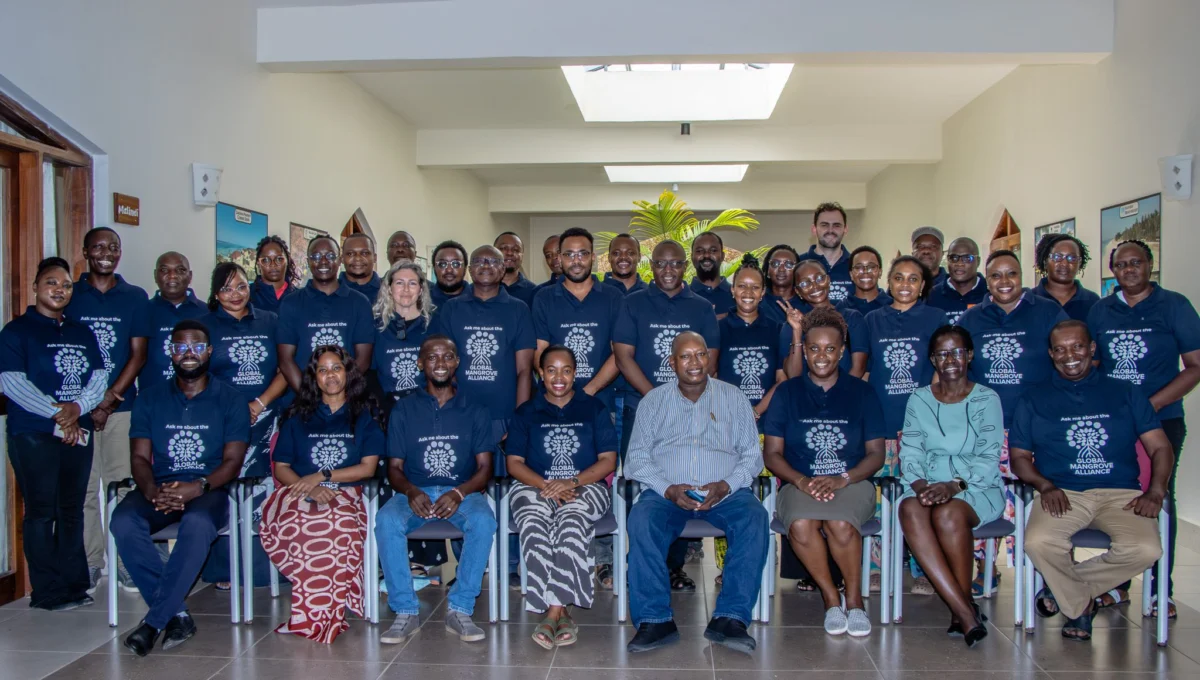
The launch of the Kenya Mangrove Champions Initiative, a pivotal workshop bringing together a diverse array of stakeholders, signals a significant step forward in strengthening the conservation and restoration of Kenya’s vital mangrove ecosystems. Hosted in Kenya by Wetlands International and the Global Mangrove Alliance, the gathering marked the inception of a collaborative, science-based, and locally driven approach to mangrove restoration, aiming to create a connected community of practice that can accelerate effective conservation efforts globally. This initiative responds to the escalating global ambition and investment in mangrove restoration, recognizing the urgent need for interconnected learning networks to disseminate and adapt successful, ground-up restoration strategies.
The workshop convened mangrove practitioners, community leaders, youth advocates, technical experts, government representatives, and non-governmental organizations. Their collective presence underscored a shared commitment to enhancing mangrove resilience, which is critical for coastal protection, biodiversity support, and the livelihoods of millions. Mangrove ecosystems, particularly in East Africa, are facing unprecedented threats from coastal development, pollution, and unsustainable resource extraction, making initiatives like the Kenya Mangrove Champions Initiative not just timely but essential for ecological and economic stability.
Building a Connected Community for Best Practice Mangrove Restoration
At its core, the Mangrove Champions Initiative is designed to cultivate a robust network of practitioners who can transcend fragmented and conventional restoration methodologies. The aim is to move towards more sustainable, community-driven projects that acknowledge the unique ecological, social, economic, and cultural contexts of each mangrove landscape. Participants emphasized that effective restoration is intrinsically linked to local livelihoods, cultural identity, and existing governance structures, underscoring the necessity of integrating these elements into restoration planning and execution.
A cornerstone of the initiative is the recognition and empowerment of local leaders, the "Mangrove Champions." These individuals are already at the forefront of driving change within their respective landscapes. Their invaluable lived experiences, when combined with scientific and technical expertise, are considered crucial for developing restoration approaches that are both effective and enduring. The initiative seeks to bridge the gap between on-the-ground knowledge and scientific understanding, creating a synergistic approach that maximizes the potential for lasting impact.
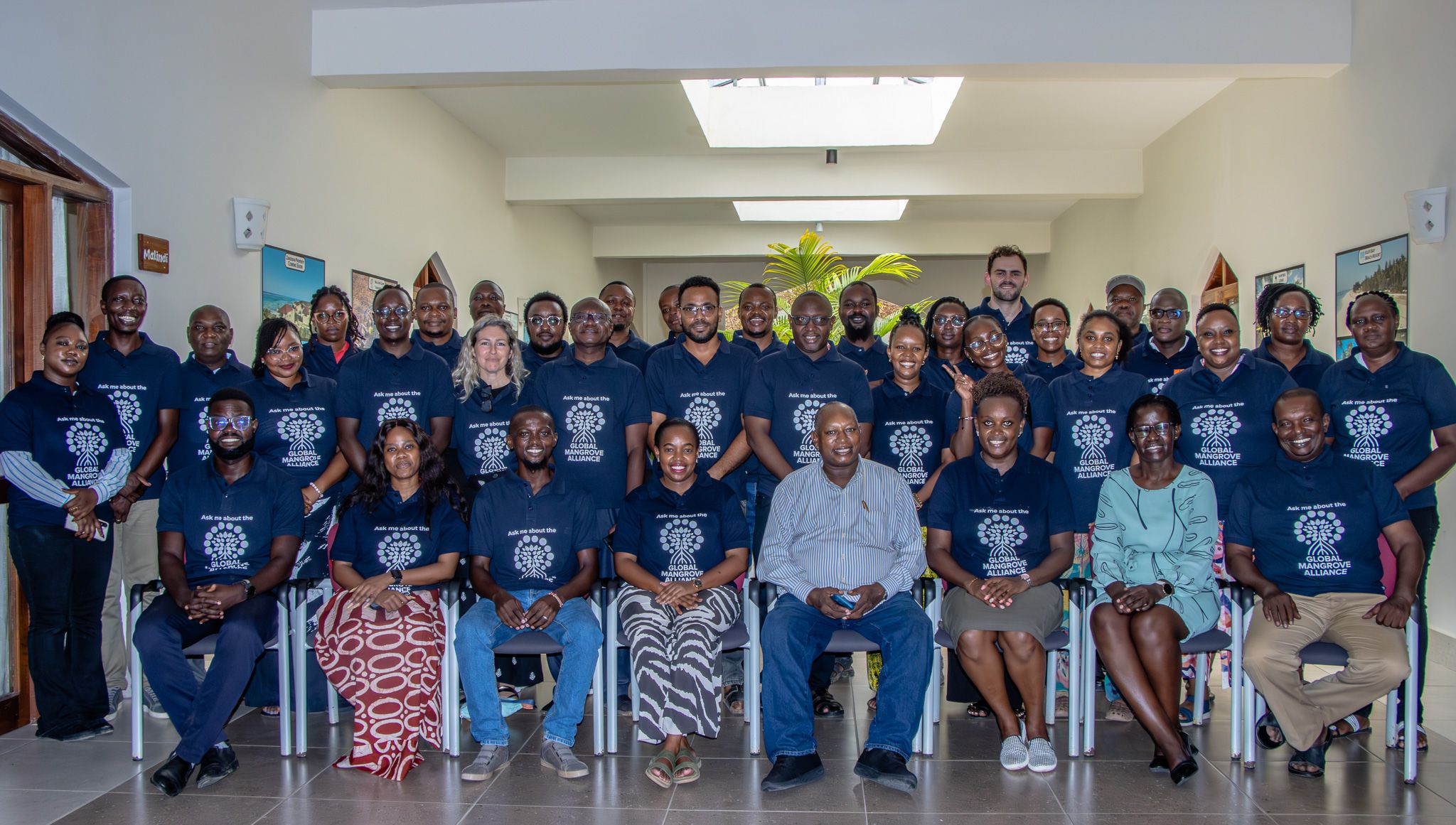
The Global Mangrove Alliance, which has established national chapters worldwide, including in Kenya, plays a crucial role in supporting effective mangrove conservation and restoration at national levels. Through the Mangrove Champions Initiative, these chapters, starting with Kenya, are now bringing together a broad spectrum of stakeholders to collaboratively learn and implement best practices in mangrove restoration. This coordinated effort aims to forge a connected network of practitioners across various sites, fostering a culture of continuous learning, collaboration, and action rooted in local realities.
Elena Roddom from Wetlands International highlighted the workshop’s success in fostering an environment of mutual learning and sharing. "This experience was so valuable," she stated. "All participants were so committed and keen to learn from each other, and people felt very comfortable to share their local experience and expertise. As a result, established mangrove restoration experts, researchers, and government actors learned from young mangrove champions and community leaders who are testing experimental approaches in the field, and vice versa." This reciprocal exchange of knowledge, from seasoned professionals to emerging community leaders, is a testament to the initiative’s potential to democratize expertise and accelerate innovation in mangrove restoration.
Mangrove Restoration Expeditions: Bringing Learning to the Field
A central and innovative component of the initiative involves organizing locally grounded mangrove restoration expeditions. These immersive field-based learning experiences are designed to bring the principles of restoration directly to active sites. The inaugural expedition is scheduled to take place in Kwale County, near Mombasa, a region known for its significant mangrove cover and ongoing conservation efforts.
These expeditions will unite Mangrove Champions, technical experts, NGOs, and government implementation agencies, such as the Kenya Forest Service, at sites where members of the Global Mangrove Alliance Kenya are actively engaged in mangrove restoration. The "classroom in the field" approach is intended to create highly participatory and immersive learning environments where participants feel empowered to openly discuss challenges, uncertainties, and lessons learned.
During these expeditions, participants will engage in a collective analysis of ecological conditions, evaluate various restoration approaches, and dissect implementation challenges directly within the restoration landscapes. A critical aspect of this process will be exploring how to collaborate respectfully and effectively with local communities. This includes a deep reflection on local realities, encompassing power dynamics, community priorities and traditional knowledge, and the broader governance contexts. The importance of engaging stakeholders beyond the immediate village leadership will also be a key focus, ensuring a comprehensive and inclusive approach to restoration planning and execution.

The expeditions are strategically designed to strengthen both ongoing and future mangrove restoration projects in Kenya. More broadly, they aim to contribute to systemic change by enhancing the overall impact of mangrove restoration at scale. By moving beyond simple knowledge exchange, these expeditions are intended to foster behavioral change across the restoration sector. This is achieved by improving the quality of restoration efforts, promoting collaborative learning, and embedding field-informed decision-making into the practice of mangrove conservation.
The Start of a Wider Effort: Scaling Impact and Cultivating Global Networks
Throughout the workshop, participants consistently underscored the critical importance of continuous reflection and cross-learning between projects and across different national contexts. Key questions that emerged included: How can meaningful data be effectively gathered in contexts where baseline information is often limited? How can insights gained from one expedition inform strategies in another? And how can storytelling contribute to a broader narrative of impact without sacrificing the essential nuance of local realities? These questions highlight the complex challenges and opportunities inherent in large-scale conservation initiatives.
The Kenya workshop serves as a foundational step for a broader effort to scale the Mangrove Champions initiative across other countries and priority landscapes. The vision is to cultivate a globally connected yet locally grounded community of practice. In this envisioned network, restoration knowledge will flow freely across diverse landscapes, and the future of mangrove restoration will be shaped as much by local experience and leadership as by scientific advancements and global ambitions. This holistic approach recognizes that enduring conservation success is built on the bedrock of local ownership and deep understanding of the ecosystems being protected.
Broader Implications for Conservation and Climate Resilience
The implications of the Kenya Mangrove Champions Initiative extend far beyond the immediate restoration of mangrove forests. Mangroves are globally recognized as critical natural infrastructure, providing a suite of ecosystem services essential for both environmental health and human well-being. They act as powerful natural buffers against storm surges and sea-level rise, protecting coastal communities from the devastating impacts of extreme weather events, which are becoming more frequent and intense due to climate change. For example, studies have shown that healthy mangrove forests can reduce wave energy by up to 66% and storm surge by up to 30%, offering significant protection to coastal populations and infrastructure.
Furthermore, mangroves are exceptionally effective carbon sinks, sequestering carbon at rates significantly higher than many terrestrial forests. This makes their conservation and restoration a crucial nature-based solution for mitigating climate change. Estimates suggest that mangroves store up to 1,000 tons of carbon per hectare, contributing significantly to global carbon sequestration efforts. By supporting the restoration of these vital ecosystems, the initiative directly contributes to global climate resilience and carbon reduction targets.
The economic benefits derived from healthy mangrove ecosystems are also substantial. They serve as critical nurseries for commercially important fish and shellfish species, supporting vital fisheries industries that provide livelihoods and food security for millions. The vibrant biodiversity supported by mangrove habitats, including numerous bird species, reptiles, and mammals, also offers opportunities for ecotourism, generating revenue and creating sustainable employment. The initiative’s focus on integrating restoration with local livelihoods aims to ensure that these economic benefits are realized by the communities directly involved in conservation efforts.
The success of the Kenya Mangrove Champions Initiative could serve as a powerful model for other nations facing similar ecological and developmental challenges. By fostering a collaborative, inclusive, and science-informed approach, the initiative has the potential to significantly advance the global agenda for mangrove conservation and restoration, ensuring the long-term health of these invaluable coastal ecosystems and the communities that depend on them. The commitment to learning, adapting, and sharing knowledge across diverse stakeholders is a promising pathway toward achieving lasting conservation impact in a rapidly changing world.
