

Velddrif, Western Cape, South Africa – A pioneering research initiative spearheaded by BirdLife South Africa has commenced, marking a significant milestone for ornithological research and conservation in the country. For the first time, migratory shorebirds in South Africa are being fitted with sophisticated tracking devices to unravel the intricate details of their epic journeys. This groundbreaking project focuses on critically important species, including the Curlew Sandpiper (Calidris ferruginea) and the Grey Plover (Pluvialis squatarola), with initial fieldwork concentrated at vital coastal ecosystems like the Berg River estuary in Velddrif.
These species are known to undertake extensive migrations, typically travelling from their wintering grounds in South Africa to breed in the high Arctic mainland. However, the precise routes, crucial stopover sites, and the ecological significance of these journeys along the Africa-Eurasian Flyway have remained largely enigmatic for South African populations. This initiative aims to fill critical knowledge gaps, providing essential data to inform and strengthen international conservation strategies for these threatened species, both of which are currently listed as globally Vulnerable on the IUCN Red List.
Unlocking the Secrets of Long-Distance Migrations
The deployment of satellite tracking devices represents a significant leap forward in understanding avian migration patterns. While tracking studies have been conducted extensively along other segments of the Africa-Eurasian Flyway, very few tagged birds originating from or passing through South Africa have been tracked to their ultimate destinations or origins. This has left the migratory pathways, critical refueling stations, and breeding grounds of the South African shorebird populations shrouded in mystery. This project is the first to equip long-distance Palearctic migratory shorebirds, specifically the Curlew Sandpiper and Grey Plover, with tracking technology within South Africa.
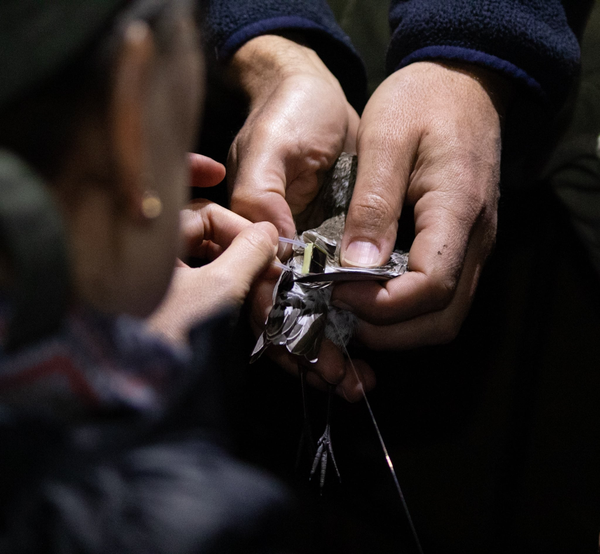
The methodology involves a multi-faceted approach. Qualified bird handlers meticulously attach small, lightweight satellite tracking devices to the birds. Alongside tracking, colour-ringing is also employed, allowing for visual identification and resighting efforts by researchers and citizen scientists across their migratory range. These combined techniques will generate high-resolution data on individual bird movements, providing unprecedented insights into their flight paths, duration of journeys, and the specific habitats they utilize for foraging and resting.

A Collaborative Endeavor for Global Conservation Impact
This ambitious project is a testament to the power of international collaboration, bringing together leading scientific institutions and conservation organizations. Key partners include the Department of Ornithology at the Max Planck Institute for Biological Intelligence in Germany, Wetlands International in the Netherlands, the FitzPatrick Institute of African Ornithology at the University of Cape Town, and Conserve Eden based in Plettenberg Bay.
Financial support for this critical research has been generously provided by the Royal Society for the Protection of Birds (RSPB) in the United Kingdom and the Ecological Restoration Fund, also based in the UK. This international backing underscores the global importance of migratory shorebirds and the shared responsibility to protect them and their vital habitats.
The current fieldwork in the Western Cape builds upon BirdLife South Africa’s prior conservation efforts, including earlier monitoring of European Rollers in the Kruger National Park. This prior work highlighted the diverse array of habitats within South Africa that are crucial for migratory birds. The logistical challenges of accessing remote field sites for such research have been significantly eased by the long-term loan of a 2025 Subaru Forester from Subaru Southern Africa, demonstrating valuable corporate support for environmental initiatives.
Analyzing the Data: Mapping the Unknown
The integration of satellite tracking with extensive on-the-ground monitoring promises to yield a wealth of data. Researchers anticipate mapping detailed migration routes, identifying crucial refueling stopover sites that are essential for birds to build up energy reserves for their arduous journeys, and uncovering previously unrecognized ecological connections between distant regions. This comprehensive understanding is indispensable for developing and implementing a truly effective flyway-scale conservation approach.
Jessica Wilmot, Flyway & Migrants Project Manager at BirdLife South Africa, emphasized the project’s significance: "BirdLife South Africa has a long-standing commitment to conservation along the West Coast, and this project represents a natural and vital extension of that work. It not only illuminates the interconnectedness of landscapes within South Africa but also underscores how shorebirds serve as living bridges, linking us to critical wetlands across the African continent and beyond. In the wake of the recent Ramsar Conference of the Parties 15 in Victoria Falls, this research serves as a timely reminder of the profound importance of these wetland ecosystems for global biodiversity."

Early Insights: A Glimpse into Remarkable Journeys
Even in its early stages, the tracking data is already revealing astonishing and diverse migratory behaviors. Initial observations indicate that while some tagged individuals have begun moving eastward, others have commenced a steady northward trajectory along the western coastline of Africa. This early divergence in flight paths suggests a flexibility in migratory strategies that researchers are keen to explore further.
Remarkably, two birds have already reached the vast Sudd wetlands in South Sudan, a critical stopover and potential staging area for many migratory species. Another bird is reportedly in close proximity in the eastern Central African Republic. Further south, two individuals have been detected in Angola, and three have established temporary residences in the Makgadigadi Pans Key Biodiversity Areas in Botswana.
These initial movements provide an exciting opportunity for both the public and the conservation community to follow the birds’ progress in near real-time. This engagement can foster greater awareness and support for shorebird conservation efforts. The ability to witness these incredible journeys unfold can inspire a deeper connection to the natural world and the urgent need to protect the habitats that sustain these remarkable avian travelers.
The Broader Implications for Conservation and Research
The implications of this research extend far beyond the scientific community. By providing concrete data on migratory routes and habitat use, the project will directly inform policy decisions and conservation actions at both national and international levels. Identifying and protecting critical stopover sites, which are often overlooked but are vital for the survival of migratory birds, will become a priority.
The project also has the potential to galvanize further research into other migratory species that utilize South Africa’s rich biodiversity. The methodologies and technologies employed here can serve as a blueprint for future studies, expanding our understanding of the complex ecological networks that connect continents through the movement of wildlife.
Furthermore, the engagement of international partners highlights the interconnectedness of global environmental challenges. The fate of migratory shorebirds in South Africa is intrinsically linked to the health and conservation of wetlands and terrestrial habitats across Africa, Europe, and Asia. This project underscores the necessity of a coordinated, flyway-wide approach to conservation, recognizing that the protection of these species requires collaboration across borders and continents.
The project is also poised to highlight the importance of the Ramsar Convention on Wetlands, an international treaty for the conservation and wise use of wetlands. The recent COP15 in Victoria Falls underscored the critical role of wetlands in biodiversity conservation, climate change mitigation, and human well-being. The findings from this shorebird tracking initiative will provide tangible evidence of how these vital ecosystems support migratory species on a continental scale, reinforcing the urgency of their protection.
Future Outlook and Public Engagement
BirdLife South Africa is committed to making the findings of this research accessible to a wide audience. They plan to share updates on the birds’ movements, potentially through interactive maps and regular reports. This will not only educate the public about the incredible lives of these migratory birds but also encourage them to become active participants in conservation efforts.
To support this vital work and contribute to future tracking endeavors, the public is invited to visit the dedicated donation page at: https://www.birdlife.org.za/shorebirdtracking. Contributions will directly fund the acquisition of tracking devices, the costs of fieldwork, and the ongoing analysis of the data, ensuring the continuation of this essential research for years to come. The success of this project hinges on sustained support, enabling BirdLife South Africa and its partners to continue their work in safeguarding these iconic migratory species and the critical habitats they depend upon.
