
A pivotal webinar, "Avian Vet Insider — Avian Neoplasia, Part 2," is scheduled for Friday, May 8th, 2026, commencing at 12:00 p.m. Pacific Standard Time. This in-depth session, hosted by Dr. Stephanie Lamb, will delve into the complexities of neoplastic disorders in avian species, building upon the foundational knowledge established in the initial installment of this two-part series. The webinar aims to equip veterinarians, avian specialists, and dedicated bird owners with comprehensive insights into both common and rarer forms of cancer affecting pet birds, emphasizing diagnostic approaches, treatment modalities, and the overarching goal of improving patient outcomes and quality of life.
Understanding Avian Neoplasia: A Growing Concern in Aviculture
Neoplasia, commonly referred to as cancer, represents a significant health challenge in avian medicine. While historically less frequently diagnosed than in mammalian counterparts, advancements in diagnostic imaging, laboratory analysis, and a deeper understanding of avian physiology have led to an increased recognition of neoplastic conditions in pet birds. These conditions can manifest in a wide array of presentations, affecting virtually any organ system. Factors contributing to the rise in diagnosed avian neoplasia are multifaceted, including an aging pet bird population, improved veterinary care, and a greater appreciation for the longevity and complexity of avian life.
The first part of the "Avian Vet Insider" series, held previously, laid the groundwork by exploring specific types of skin cancers and tumors of the reproductive tract. These areas are particularly pertinent due to their accessibility for examination and their significant impact on a bird’s well-being. Skin tumors can range from benign papillomas to aggressive squamous cell carcinomas, often requiring prompt surgical intervention. Reproductive tract tumors, especially in unspayed females, can lead to hormonal imbalances, organ compression, and systemic illness.
This second installment promises to broaden the scope of discussion, venturing into neoplastic conditions affecting other vital organ systems. The gastrointestinal tract, a complex and critical component of avian health, will be a central focus. Tumors within the digestive system can present with a myriad of subtle to overt clinical signs, often mimicking other common avian ailments, thereby posing a diagnostic challenge. Understanding the nuances of these presentations is crucial for timely and accurate diagnosis.
Dr. Stephanie Lamb: A Leading Voice in Avian Oncology
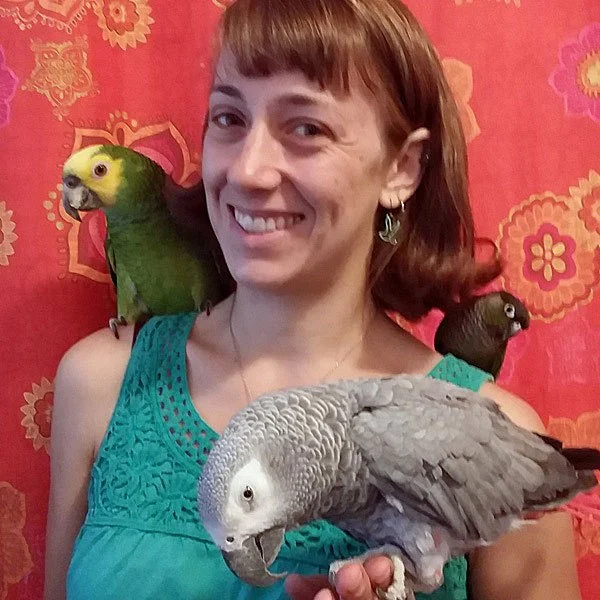
Dr. Stephanie Lamb, the featured expert for this webinar, is a recognized authority in avian veterinary medicine, with a particular interest and expertise in oncology. Her extensive experience in diagnosing and managing neoplastic diseases in a diverse range of avian species provides attendees with invaluable practical knowledge. The visual aid accompanying the webinar announcement, featuring Dr. Lamb alongside an Amazon parrot and an African Grey, underscores her hands-on approach and deep connection with her avian patients. Her ability to translate complex oncological principles into accessible information for veterinary professionals and informed pet owners is a hallmark of her educational contributions.
The webinar’s structure, as a two-part series, reflects the extensive and intricate nature of avian neoplasia. By dividing the topic, Dr. Lamb can dedicate sufficient time to each area, ensuring a thorough exploration without overwhelming attendees. This pedagogical approach allows for a deeper dive into specific anatomical regions and tumor types, facilitating a more comprehensive understanding of the disease processes involved.
Chronology of Learning: From Foundation to Advanced Insights
The "Avian Vet Insider" series represents a deliberate effort to advance the understanding of avian oncology within the veterinary community and among informed bird enthusiasts. The first part of the webinar, which focused on skin and reproductive tract neoplasia, likely occurred in a preceding month, establishing a baseline of knowledge. This second part, scheduled for May 8th, 2026, serves as the concluding segment, aiming to synthesize and expand upon this foundation.
The decision to host these webinars at a midday hour (12:00 p.m. PST) suggests an effort to accommodate professionals who may be actively engaged in practice during typical morning hours. The inclusion of a time zone converter link is a practical consideration, acknowledging the global reach of online educational platforms and the diverse geographical locations of potential attendees. This foresight ensures that participants can accurately ascertain the webinar’s commencement time in their local regions, minimizing potential scheduling conflicts.

Beyond the Webinar: Implications for Avian Healthcare
The implications of a comprehensive webinar on avian neoplasia are far-reaching. For veterinary practitioners, it offers an opportunity to refine their diagnostic skills, update their knowledge on emerging treatment protocols, and enhance their confidence in managing these complex cases. Early and accurate diagnosis is paramount in improving prognosis and quality of life for affected birds. Understanding the subtle clinical signs associated with gastrointestinal tumors, for instance, can enable veterinarians to intervene at an earlier, more treatable stage.
For bird owners, the information disseminated through such educational initiatives can empower them to be more vigilant observers of their pets’ health. Recognizing subtle changes in appetite, droppings, behavior, or physical appearance can prompt timely veterinary consultation. Furthermore, a better understanding of the disease allows owners to engage more effectively in treatment discussions with their veterinarians, making informed decisions about their pet’s care.
The focus on both common and rarer cancers highlights the spectrum of neoplastic diseases birds can encounter. While common tumors might be more readily recognized, knowledge of rarer forms can prevent diagnostic delays and ensure appropriate specialist referral when necessary. This comprehensive approach is essential in an era where pet birds are increasingly viewed as cherished family members, warranting the highest standard of veterinary care.
Supporting Data and Context in Avian Oncology
While specific statistical data for avian neoplasia is less robust than for companion mammals, existing studies and veterinary case records provide valuable insights. For example, in some avian species, certain types of tumors, such as lymphomas and sarcomas, have been observed with higher frequency. Genetic predisposition can also play a role, with some breeds or individual birds showing a greater susceptibility to specific cancers.
The gastrointestinal tract, a key area to be covered in the webinar, is susceptible to a variety of neoplastic processes. These can include adenocarcinomas of the intestines, hepatic tumors affecting the liver, and pancreatic neoplasms. Clinical signs often include weight loss, decreased appetite, vomiting or regurgitation, diarrhea or constipation, and abdominal distension. Diagnosis typically involves a combination of physical examination, bloodwork, diagnostic imaging (radiography, ultrasound), and biopsy for histopathological confirmation.
The economic impact of avian neoplasia, while not directly addressed by the webinar, is a consideration for both owners and veterinary practices. Advanced diagnostics and treatments can be costly, necessitating careful discussion of prognosis and financial commitment. However, the focus on improving quality of life and managing these conditions underscores the ethical imperative to provide the best possible care, regardless of the financial investment.
Broader Impact and Future Directions
The "Avian Vet Insider" series, by focusing on critical areas of avian health like neoplasia, contributes significantly to the advancement of avian veterinary medicine. Such educational initiatives foster a community of informed professionals and owners, leading to improved patient care and a deeper appreciation for the complexities of avian health.
The implications for the future of avian oncology are substantial. Continued research into the genetic and environmental factors contributing to avian cancers, the development of novel diagnostic tools (e.g., liquid biopsies), and the refinement of targeted therapies hold immense promise for improving outcomes. Webinars like this one serve as crucial platforms for disseminating this evolving knowledge and encouraging collaboration within the field.
The commitment to providing in-depth, expert-led education on challenging topics such as avian neoplasia demonstrates a dedication to the well-being of pet birds. As our understanding of avian physiology and disease processes continues to grow, resources like the "Avian Vet Insider" series will be indispensable in ensuring that birds receive the most effective and compassionate care possible. The ongoing dialogue and knowledge sharing facilitated by these events are vital for the continued progress and excellence in avian veterinary practice.
