
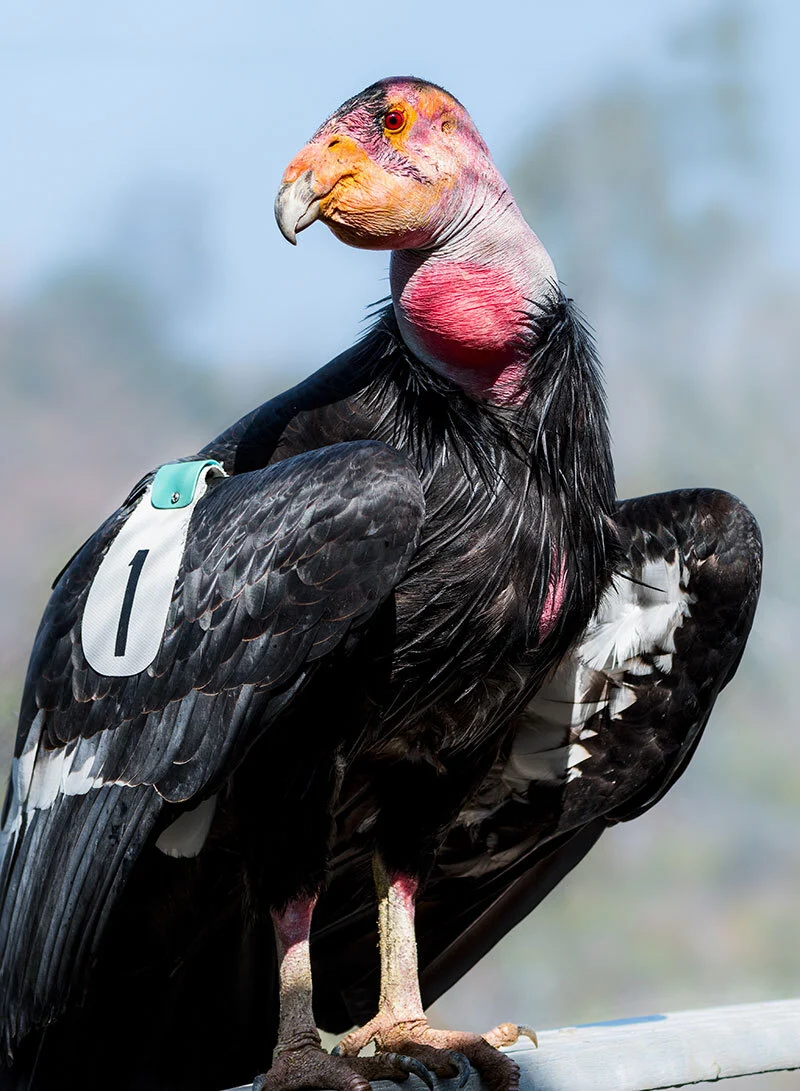
The Los Angeles Zoo is commemorating a remarkable milestone: the sixtieth anniversary of Topa Topa, a California condor whose life has become inextricably linked with the monumental efforts to save his species from the brink of extinction. Rescued as a frail fledgling sixty years ago, Topa Topa has transcended his origins to become a symbol of hope, a cornerstone of a critical conservation program, and a testament to the enduring power of dedicated stewardship. His enduring presence at the zoo highlights not only the precarious state of the California condor but also the profound successes achieved through decades of concerted conservation action.
A Fledgling’s Fragile Beginning
The story of Topa Topa begins in the early 1960s, a period when the majestic California condor faced an unprecedented crisis. This magnificent scavenger, with its impressive wingspan and ancient lineage, saw its numbers dwindle at an alarming rate due to a confluence of factors including habitat loss, lead poisoning from ingesting ammunition fragments in carrion, and human persecution. It was during this critical juncture that a one-year-old fledgling, later to be known as Topa Topa, was discovered in a weakened and severely malnourished state. Weighing a mere 17 pounds, his prospects for survival in the wild were grim.
Following his rescue, Topa Topa was brought to the Los Angeles Zoo for intensive rehabilitation. For ten crucial days, he received the care and nourishment necessary to regain his strength. The hope was that once recovered, he could be successfully reintroduced into the wild, rejoining his dwindling kind. However, post-release monitoring revealed a stark reality: Topa Topa lacked the essential foraging skills typically imparted by adult condors. Without this vital tutelage, his chances of independent survival were deemed exceedingly low. This critical deficiency led to the difficult but ultimately life-saving decision to bring Topa Topa back to the zoo as a permanent resident. This marked a pivotal moment, as Topa Topa became the first California condor ever to live within the controlled environment of a zoo.
The Genesis of a Recovery Program
The California condor’s plight escalated dramatically in the decades that followed Topa Topa’s rescue. By 1982, the species was classified as critically endangered, with its wild population having plummeted to an estimated 27 individuals. Recognizing the urgent need for a comprehensive intervention, a landmark recovery plan was initiated in 1987. This ambitious program involved the collaboration of key institutions, including the Los Angeles Zoo and the San Diego Zoo, to gather all remaining wild condors into managed care. The primary objectives were to protect them from immediate threats and to establish a robust breeding program that could eventually lead to reintroduction into the wild.
The managed care facilities provided a sanctuary where the condors could be shielded from the myriad dangers they faced in their natural habitat. This included the development of specialized diets to mitigate lead poisoning and the creation of safe breeding environments. The program’s success was not instantaneous, but rather a slow and painstaking process built on scientific research, dedicated animal husbandry, and a deep commitment to the species’ future.
Topa Topa: Ambassador and Patriarch
Topa Topa’s enduring presence at the Los Angeles Zoo transformed him from a rescued individual into a vital educational ambassador. His physical presence offered the public a tangible connection to a species teetering on the edge of oblivion. Through his story, the zoo was able to effectively communicate the urgency of the condor crisis and the importance of conservation efforts. He provided a face to the abstract concept of endangerment, inspiring empathy and fostering a greater understanding of the delicate balance of ecosystems.
Beyond his role as an ambassador, Topa Topa emerged as a critical progenitor within the breeding program. In 1993, he sired his first two chicks, marking a significant step forward in the efforts to bolster the condor population. Over the subsequent years, Topa Topa’s genetic contributions proved invaluable, leading to the production of over 300 offspring. This reproductive success was a direct result of the meticulous planning and execution of the breeding program, which aimed to maximize genetic diversity and ensure the health of each new generation.
A core tenet of the California Condor Recovery Program was to raise chicks in a manner that minimized human imprinting, thereby increasing their chances of successful reintroduction into the wild. This involved complex rearing techniques, often utilizing puppet parents and secluded nesting sites to encourage natural behaviors. Topa Topa, through his established role and proven fertility, became an indispensable component of this strategy. Preparing him for his role as a key breeder required years of careful observation and management, but his eventual contribution was fundamental to the program’s burgeoning success.
A Statistical Triumph, A Continued Vigilance
The impact of the California Condor Recovery Program, with Topa Topa as a central figure, is nothing short of extraordinary. From a low of just 27 birds in 1987, the global population has now surged to over 607 individuals. This remarkable recovery is a testament to the dedication of the scientists, zookeepers, and conservationists involved. The reintroduction of condors into various sites across California, Arizona, Utah, and Baja California has allowed the species to reclaim its ancestral territories.
However, despite this significant numerical increase, the California condor remains one of the world’s rarest birds and is still listed as Critically Endangered by the International Union for Conservation of Nature (IUCN). The threats that led to its decline have not entirely disappeared. Lead poisoning remains a persistent danger, necessitating ongoing efforts to promote non-lead ammunition among hunters and to manage contaminated carcasses. Habitat fragmentation and the potential for disease also continue to pose challenges to the long-term viability of wild populations.
Topa Topa’s legacy continues to resonate within the current breeding program. A significant portion of the birds currently in managed care are his descendants, representing a substantial portion of the program’s genetic reservoir. Furthermore, 94 of his offspring are currently flying free in the wild, contributing to the establishment of self-sustaining populations. This remarkable lineage underscores Topa Topa’s profound and lasting impact on his species’ survival.
The Enduring Significance of a Long Life
As Topa Topa celebrates his sixtieth year at the Los Angeles Zoo, his life serves as a powerful narrative of resilience and the profound impact of dedicated conservation. He has witnessed firsthand the near collapse of his species and has played an instrumental role in its remarkable resurgence. His journey from a vulnerable fledgling to a vital patriarch embodies the spirit of perseverance that defines the California Condor Recovery Program.
The story of Topa Topa is more than just the biography of a single bird; it is a microcosm of the broader conservation movement. It highlights the critical importance of zoos as vital partners in species preservation, providing not only a safe haven but also the expertise and resources necessary for successful breeding and reintroduction efforts. His life underscores the fact that heroes can emerge from unexpected places, and that even the most fragile beginnings can lead to a legacy of immense significance. The ongoing efforts to ensure the California condor’s future are a direct continuation of the hope that Topa Topa has represented for six decades, a reminder that with unwavering commitment, even the most daunting conservation challenges can be met. The gratitude extended to Topa Topa is a reflection of the profound debt owed to this remarkable sentinel of the skies.
