
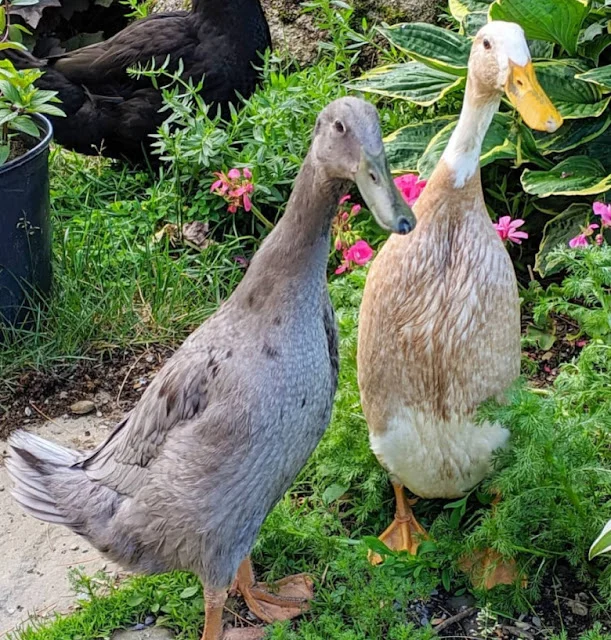
The Indian Runner duck, a distinct subspecies of the mallard (Anas platyrhynchos domesticus), represents one of the most anatomically unique and historically significant breeds in the avian world. Known for an upright posture that mimics the human gait and a silhouette often compared to a bowling pin or a wine bottle, the Indian Runner has transitioned from an ancient tool of Southeast Asian agriculture to a cornerstone of modern sustainable farming and organic pest management. Unlike the majority of domestic duck breeds that waddle with a horizontal carriage, the Indian Runner’s physiological evolution allows it to run with remarkable speed and agility, a trait that has secured its relevance in both historical trade routes and contemporary ecological viticulture.

Historical Origins and Archaeological Evidence
The lineage of the Indian Runner duck is deeply rooted in the maritime and agricultural history of Southeast Asia, particularly within the regions now known as Indonesia, Thailand, and Malaysia. Archaeological evidence suggests that these ducks have been domesticated for over two millennia. Stone carvings discovered in the temple complexes of Java, dating back more than 2,000 years, depict birds with the characteristic upright stance of the Runner, indicating that the breed’s unique morphology was already established in antiquity.
For centuries, these ducks were integral to the "duck-rice" symbiotic farming systems of the East. Farmers utilized the birds as a natural labor force. Each morning, large flocks were herded into rice paddies where they spent the day foraging. This practice served a dual purpose: the ducks provided highly effective pest control by consuming snails, slugs, and insects that would otherwise decimate crops, while their droppings provided a consistent source of nitrogen-rich fertilizer. At sunset, the birds were herded back to enclosures, a daily routine that favored individuals with the stamina and anatomical structure to walk long distances—factors that directly influenced the selection for the upright, "running" phenotype seen today.

Introduction to the Western World and Scientific Recognition
The breed remained largely isolated from Western poultry circles until the mid-19th century. Historical records indicate that Indian Runners were first imported to the United Kingdom in the 1830s and 1840s via merchant ships. Their arrival sparked immediate interest due to their peculiar appearance, leading to the nickname "Penguin Ducks."
One of the most notable historical figures to take interest in the breed was Charles Darwin. In his 1868 work, The Variation of Animals and Plants Under Domestication, Darwin documented the Runner duck, noting its extreme departure from the skeletal structure of the wild mallard. Darwin’s observations highlighted how selective breeding for utility—specifically the ability to travel across varied terrain—had shifted the bird’s center of gravity and leg placement.

By the late 1800s, the breed had reached the United States, where it was officially recognized by the American Poultry Association (APA) in 1898. The standardization of the breed led to a surge in popularity, not only for its aesthetic novelty but for its unprecedented egg-laying capabilities, which rivaled the most productive chicken breeds of the era.
Anatomical Characteristics and Physiological Data
The Indian Runner is classified as a "light" breed, with mature adults typically weighing between 3.5 and 5 pounds (1.6 to 2.3 kilograms). Their most striking feature is their vertical carriage, which usually sits at an angle of 50 to 80 degrees relative to the ground. In moments of high alertness or curiosity, they can stand at a full 90-degree vertical extension.

Several key anatomical features distinguish the Indian Runner from other domestic ducks:
- Leg Placement: The legs are set much further back on the body than those of waddling breeds like the Pekin or Rouen. This posterior placement allows for a fluid, running stride.
- Neck and Bill: They possess long, slender necks and straight bills that form a continuous line with the head, contributing to their streamlined, aerodynamic appearance.
- Flightlessness: While they possess wings, their body-to-wing-load ratio makes sustained flight impossible. However, they compensate with land speed, being capable of outrunning many common terrestrial predators over short distances.
- Color Diversity: The Indian Runner holds the distinction of having the most extensive variety of recognized plumage colors of any duck breed. Currently, there are approximately 16 recognized color phases, including Blue, Black, Chocolate, Cumberland Blue, Fawn and White, Trout, and White.
Economic Impact and Egg Production Statistics
In the realm of commercial and homestead poultry, the Indian Runner is prized primarily for its high-volume egg production. Data from avian researchers and heritage breed conservancies indicate that a healthy female Indian Runner can produce between 180 and 250 eggs per year. In optimal conditions and high-performance strains, some individuals have been recorded laying upwards of 300 eggs annually.

The eggs are medium to large, typically weighing between 65 and 80 grams, and range in color from pearlescent white to a pale, minty green or blue. Beyond the quantity, duck eggs are increasingly sought after in the culinary industry for their higher fat content and larger yolks compared to chicken eggs, which provides superior leavening properties in baking. From an economic perspective, the Indian Runner offers a high "feed-to-egg" conversion ratio, making them a cost-effective choice for small-scale egg producers.
Role in Modern Integrated Pest Management (IPM)
One of the most significant modern applications of the Indian Runner duck is in the field of sustainable viticulture and organic farming. In a shift away from chemical pesticides, several high-profile vineyards globally have implemented "Duck Patrols."

A prominent example is the Vergenoegd Löw Wine Estate in South Africa, which utilizes a flock of over 1,000 Indian Runner ducks to manage their vineyards. This method of Integrated Pest Management (IPM) involves releasing the ducks into the vines to consume the white dune snails and various insects that threaten the grapevines. This natural intervention reduces the need for synthetic molluscicides and provides organic fertilization. Agricultural analysts suggest that the use of Runner ducks in this capacity can reduce pest-related crop loss by up to 30% while simultaneously lowering the carbon footprint of the vineyard by reducing mechanical spraying.
Behavioral Traits and Social Structure
Ethological studies of the Indian Runner reveal a highly social and intelligent bird. They exhibit a strong flocking instinct, which makes them easier to herd than more independent breeds. While they can be skittish and high-strung if not properly socialized, they are generally docile and non-aggressive toward other poultry.

A notable behavioral deviation in the Runner duck is its maternal instinct—or lack thereof. Because the breed was historically selected for continuous egg production and daily labor in the fields, the "broody" trait (the instinct to sit on and hatch eggs) was largely bred out of the population. Consequently, many Indian Runner females will lay eggs indiscriminately and show little interest in incubation. Modern breeders often rely on artificial incubation or "foster" mothers, such as Muscovy ducks or chickens, to hatch Runner ducklings. However, recent anecdotal evidence from breeders suggests that small-scale, heritage-managed flocks are beginning to see a resurgence in natural brooding behaviors as the birds are kept in less intensive environments.
Conservation Status and Genetic Legacy
The Livestock Conservancy currently lists the Indian Runner duck as a "recovering" breed. This classification indicates that while the breed is no longer in immediate danger of extinction, its genetic diversity requires careful management to ensure long-term viability. The rise of industrial factory farming in the mid-20th century saw a shift toward heavy, meat-producing breeds like the Pekin, which led to a decline in the numbers of light, egg-laying breeds like the Runner.

The Indian Runner’s genetic legacy also lives on through its contributions to other popular breeds. It was a foundational ancestor in the development of the Khaki Campbell and the Buff Orpington duck, both of which were bred to combine the Runner’s prolific egg-laying with improved meat quality.
Implications for Future Agriculture
As the global agricultural sector faces increasing pressure to move toward regenerative practices, the Indian Runner duck stands as a model for biological utility. Their ability to provide high-quality protein through eggs while simultaneously serving as a mobile, eco-friendly pest control unit aligns with the principles of permaculture and circular farming.

In conclusion, the Indian Runner is far more than an avicultural curiosity. It is a biological testament to centuries of specialized breeding that prioritizes functionality and environmental harmony. From the ancient rice paddies of Indonesia to the modern organic vineyards of the Cape, the Runner duck continues to prove that traditional heritage breeds are not merely relics of the past but are essential tools for a sustainable agricultural future. Its unique physiology, high productivity, and role in ecological management ensure that the "bowling pin" of the duck world will remain a vital asset to farmers and conservationists alike for generations to come.
