
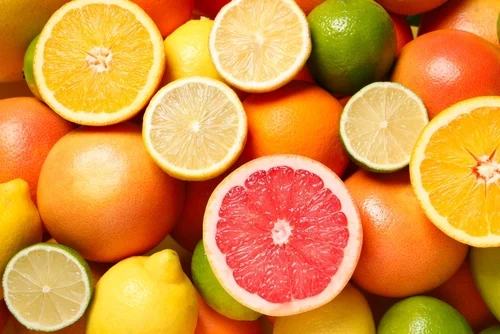
The practice of utilizing kitchen scraps as a supplement for backyard poultry diets has become a cornerstone of sustainable small-scale farming, yet the inclusion of citrus fruits—including oranges, lemons, and grapefruits—remains a subject of significant debate among avian nutritionists and experienced poultry keepers. While many organic waste products serve as excellent sources of vitamins and minerals for Gallus gallus domesticus, recent physiological data and observational studies suggest that citrus consumption, particularly in high volumes, can lead to metabolic interference and a decline in reproductive output. The primary concern cited by experts involves the potential for citrus components to disrupt calcium absorption, a critical factor in both skeletal integrity and the formation of high-quality eggshells.
The Biochemical Interaction Between Citric Acid and Calcium Homeostasis
At the center of the citrus debate is the biochemical relationship between citric acid and the avian digestive system. For laying hens, calcium is the most vital mineral in their daily intake, as the production of a single eggshell requires approximately 2 to 2.5 grams of calcium. When a hen consumes citrus, the high concentrations of citric acid and certain essential oils found in the peels are thought to interfere with the metabolic pathways responsible for calcium sequestration.
While the exact mechanism of interference continues to be studied, the prevailing theory in avian veterinary medicine suggests that excessive citric acid can lead to the formation of calcium citrate within the digestive tract. While calcium citrate is a common supplement for humans, in the rapid transit system of a chicken, it may not be absorbed as efficiently as calcium carbonate. If the bird’s bloodstream does not maintain adequate calcium levels, a biological fail-safe is triggered: the hen begins to leach calcium from her own skeletal structure—specifically the medullary bone—to ensure the eggshell is formed. This process, known as resorption, can lead to a condition similar to osteoporosis, resulting in brittle bones and increased susceptibility to fractures.

Nutritional Redundancy: The Avian Synthesis of Vitamin C
One of the most common misconceptions regarding the feeding of citrus to chickens is the perceived need for supplemental Vitamin C (ascorbic acid). In human nutrition, citrus is prized for its high Vitamin C content because the human body lacks the enzyme L-gulonolactone oxidase required to synthesize the vitamin internally. However, chickens are biologically distinct in this regard.
Healthy poultry are capable of synthesizing their own Vitamin C within their liver and kidneys. Consequently, the high Vitamin C content in oranges and grapefruits offers no additional nutritional benefit to a healthy flock. In fact, an egg contains nearly every essential nutrient required for life except for Vitamin C, a fact that highlights the bird’s self-sufficiency in this area. While supplemental Vitamin C is occasionally used by commercial farmers to help birds cope with extreme heat stress or respiratory illness, these are specific therapeutic applications rather than daily dietary requirements. Therefore, the nutritional "pro" of feeding citrus is effectively negated by the bird’s internal physiology.
Chronology of Dietary Trends in Backyard Poultry Management
The evolution of poultry feeding practices has shifted significantly over the last century, moving from a "scraps-only" model to highly specialized, scientifically formulated feeds.
- Early 20th Century: Chickens were largely scavengers, eating insects, seeds, and whatever household waste was available. Citrus was rarely a factor in most climates where chickens were kept.
- 1950s–1980s: The rise of commercial poultry farming led to the development of "complete" feeds. Research during this era focused on maximizing growth and egg production, identifying the precise calcium-to-phosphorus ratios needed for high-yield flocks.
- 2000s–Present: The resurgence of backyard chicken keeping has reintroduced kitchen scraps into the poultry diet. This trend, driven by a desire for sustainability and waste reduction, has led to a renewed focus on "toxic" or "interference" foods. Modern experts now categorize citrus not necessarily as a "poison," but as a "metabolic inhibitor" that should be managed with caution.
This chronology illustrates a shift from opportunistic feeding to a more nuanced understanding of how specific plant compounds interact with avian biology. As more households embrace the "farm-to-table" lifestyle, the need for clear guidelines on what constitutes safe organic waste has become paramount.

Observed Symptoms of Excessive Citrus Intake
Poultry keepers who provide frequent access to citrus fruits often report a specific set of symptoms that align with calcium deficiency and metabolic stress. These clinical signs are critical for owners to recognize before permanent damage occurs to the flock’s health.
- Thin or Soft-Shelled Eggs: This is often the first sign of a problem. When calcium absorption is hindered, the shell gland (uterus) cannot deposit a sufficient layer of calcium carbonate, resulting in "rubber eggs" or shells that crack under the weight of a nesting hen.
- Reduced Egg Production: The avian body will prioritize survival over reproduction. If mineral levels are consistently low, the bird may stop laying altogether to preserve its internal resources.
- Skeletal Fragility: In severe cases, particularly in older hens, the depletion of calcium from the bones leads to lameness or a "hunched" posture.
- Digestive Irritation: The high acidity of citrus can cause irritation in the crop and gizzard. Some studies suggest that while citrus may have antimicrobial properties, the acidity can also disrupt the delicate balance of beneficial gut flora.
Expert Perspectives and Veterinary Recommendations
Avian veterinarians and agricultural extension officers generally advise a conservative approach to citrus. While the occasional orange slice is unlikely to cause a systemic collapse of a bird’s health, it is not recommended as a regular dietary staple.
"Chickens are naturally discerning foragers," notes one agricultural analyst. "If you observe a flock offered a variety of fruits, they will almost always gravitate toward berries, melons, and pomes (like apples) while ignoring citrus rinds. This is an evolutionary avoidance strategy, likely triggered by the strong scent of limonene and the bitter taste of the pith."
The consensus among the scientific community is that the "treat" portion of a chicken’s diet—which includes kitchen scraps—should never exceed 10% of their total daily intake. Within that 10%, citrus should occupy a negligible space. Instead, owners are encouraged to provide calcium-rich alternatives such as crushed oyster shells or recycled, baked, and crushed eggshells to ensure shell quality remains high.

Broader Implications for Waste Management and Composting
The exclusion of citrus from poultry diets raises questions about the most effective way to handle these organic wastes in a homesteading environment. Rather than risking the health of the flock, agricultural experts suggest that citrus rinds and leftovers are better suited for the compost pile.
However, even in composting, citrus requires a specific approach. The high acidity can slow down the decomposition process if the pile is not properly balanced with "brown" carbon-rich materials like dried leaves or straw. Furthermore, large amounts of citrus can deter beneficial worms in a vermicompost system. The most sustainable cycle for citrus waste involves deep-trench composting or high-heat aerobic composting, which eventually breaks down the oils and acids, turning them into nutrient-rich soil for the garden—soil that can then grow vegetables that are safe and beneficial for chickens to consume.
Final Analysis of Nutritional Safety
The data suggests that while citrus is not "toxic" in the same way that avocado pits or dried beans can be, its role in a poultry diet is at best redundant and at worst detrimental. The risk of calcium leaching and the subsequent impact on eggshell quality and bone density outweighs any minor vitamin contribution the fruit might offer.
For the modern poultry keeper, the priority remains the delivery of a balanced diet that supports the intense physiological demands of egg production. By understanding the bird’s unique ability to synthesize its own Vitamin C and its sensitive calcium-regulation system, owners can make informed decisions that promote flock longevity. The most prudent course of action is to reserve citrus for the compost bin and focus on scraps that provide clear nutritional advantages, such as dark leafy greens, squash, and non-citrus fruits. This evidence-based approach ensures that the backyard flock remains a productive and healthy component of the sustainable homestead.
