
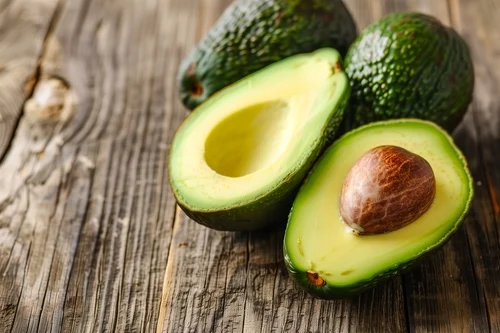
The consumption of the avocado plant, scientifically known as Persea americana, poses a severe and often fatal risk to various avian species, including domestic chickens, as well as several classes of mammals and fish. While the avocado is a staple of human nutrition, prized for its high healthy fat content and micronutrients, it contains a specialized fungicidal toxin called persin. For many animals, particularly birds, this compound acts as a potent cardiotoxin, leading to rapid physiological decline, respiratory distress, and sudden cardiac failure. According to data consolidated from the Merck Veterinary Manual and various avian pathology reports, every component of the avocado plant—including the fruit’s flesh, the nutrient-dense pit, the leathery skin, and the foliage of the tree itself—carries sufficient concentrations of persin to induce toxicosis.
The chemical nature of persin is a fatty acid-derived compound that the avocado tree produces as a natural defense mechanism against fungal infections. While human metabolism is capable of processing and neutralizing this compound effectively, the metabolic pathways of birds and certain mammals are ill-equipped to handle the substance. The concentration of persin varies significantly across different parts of the plant and between different varieties of avocado. Research indicates that the leaves of the avocado tree, particularly those of the Guatemalan variety (Persea americana var. guatemalensis), contain the highest concentrations of the toxin. However, because the exact lethal dose can vary based on the bird’s size, health status, and the specific strain of the plant, veterinary experts advise a zero-tolerance policy regarding the feeding of any avocado components to poultry.

The Physiological Mechanism of Persin Poisoning
When a chicken or other susceptible animal ingests avocado, the persin is absorbed into the bloodstream, where it targets the myocardial tissues—the muscles of the heart. The primary pathological effect is the induction of myocardial necrosis, which is the premature death of heart muscle cells. As the heart muscle weakens, it loses its ability to pump blood efficiently, leading to a cascade of systemic failures.
In birds, the clinical progression is notably rapid. Because avian species have high metabolic rates and oxygen demands, any compromise in cardiac function manifests quickly as respiratory distress. The lack of efficient circulation leads to pulmonary edema (fluid in the lungs) and hydropericardium (fluid accumulation in the sac surrounding the heart). This fluid buildup prevents the lungs from expanding fully, effectively causing the bird to suffer from a lack of oxygen, even if the environment is well-ventilated. In many documented cases, a bird that appears healthy may succumb to a heart attack within 12 to 48 hours of ingestion.
Chronology of Toxicosis and Clinical Symptoms
The timeline of avocado poisoning is often too short for effective veterinary intervention. Understanding the chronology of symptoms is vital for poultry keepers who may suspect accidental ingestion.

- Initial Ingestion (0–6 Hours): Immediately after consuming avocado flesh or skin, there may be no visible signs of distress. The toxin is being processed in the digestive tract and beginning to enter the circulatory system.
- Early Onset (6–12 Hours): The first signs of lethargy may appear. Birds may stop foraging or interacting with the flock. They may appear "puffed up," a common sign of avian illness where feathers are ruffled to retain body heat as the metabolic rate fluctuates.
- Acute Phase (12–24 Hours): Respiratory symptoms become pronounced. This includes "open-beak breathing" or gasping. In chickens, the comb and wattles may take on a bluish tint (cyanosis), indicating a severe lack of oxygen in the blood. Small birds, such as canaries or budgerigars, are particularly vulnerable at this stage; studies show that as little as 5% of an avocado fruit can be lethal to these smaller species within this timeframe.
- Terminal Phase (24–48 Hours): If the dose was sufficient, the animal will experience total cardiac collapse. Death is often sudden and preceded by an inability to perch or stand.
Broader Susceptibility Across Species
While the risk to chickens and turkeys is well-documented in agricultural circles, the scope of persin toxicity extends to a wide array of animals. The Merck Veterinary Manual highlights that goats, sheep, and cattle are susceptible, though the symptoms in these ruminants can differ from those in birds. In lactating mammals, persin often targets the mammary glands, causing non-infectious mastitis. This results in decreased milk production, and the milk itself may become cheesy or flaky, potentially containing high concentrations of the toxin that could then affect nursing offspring.
In addition to livestock, common laboratory and household animals such as mice, rats, and guinea pigs have shown extreme sensitivity to persin. Exotic birds, including ostriches and emus, are also at high risk. Even certain species of fish are susceptible to water contamination if avocado waste is disposed of in ponds or streams. Interestingly, while dogs and cats are generally more resistant to the cardiotoxic effects of persin than birds or goats, they are still at risk of gastrointestinal upset or, more dangerously, foreign body obstruction if they ingest the large, dense avocado pit.
The Rising Risk in Backyard Poultry Management
The increase in backyard chicken keeping over the last decade has brought the issue of avocado toxicity to the forefront of hobbyist farming. Many new poultry owners adopt a "zero-waste" philosophy, utilizing chickens as a means to process kitchen scraps. While this is generally a sustainable practice, the lack of awareness regarding specific food hazards poses a significant threat to flock health.

Agricultural experts and veterinary professionals are increasingly concerned about the "hidden" ways chickens might access avocado. This includes discarded skins in compost piles that are not properly secured, or even fallen leaves and fruit in regions where avocado trees are grown as landscape plants. Because chickens are opportunistic omnivores, they will often sample any new organic material in their environment. The high fat content of the avocado makes it palatable to birds, meaning they will not instinctively avoid it despite its toxicity.
Expert Analysis and Official Recommendations
Veterinary toxicologists emphasize that there is no known antidote for persin poisoning. Treatment is purely supportive and often unsuccessful once clinical signs of heart failure have appeared. Consequently, the consensus among agricultural officials is that prevention is the only viable strategy.
In response to the prevalence of avocado in modern diets, several poultry associations have issued updated feeding guidelines. These guidelines categorize avocado alongside other high-risk foods such as dried beans (which contain hemagglutinin), green potato skins (containing solanine), and chocolate (containing theobromine). The official stance from veterinary experts is that even if a chicken has previously consumed a small amount of avocado without immediate death, the cumulative damage to the heart muscle can lead to a shortened lifespan or sudden death during periods of heat stress or egg-laying.

Broader Implications for Animal Welfare and Education
The issue of avocado toxicity serves as a case study for the importance of specialized nutritional knowledge in animal husbandry. As more people move toward self-sufficiency and small-scale egg production, the gap between traditional agricultural knowledge and modern pet ownership becomes apparent.
The implications of this toxicity reach beyond the individual loss of a bird. For small-scale farmers, the sudden loss of a flock to accidental poisoning can represent a significant economic blow and emotional distress. Furthermore, the presence of toxic plants in grazing areas for larger livestock like sheep and goats requires careful land management and foliage clearing, especially in climates like California, Florida, and parts of Mexico where avocado trees are prevalent.
To mitigate these risks, experts suggest the following protocols for poultry and livestock owners:

- Strict Scrap Sorting: Ensure that all kitchen waste is screened before being fed to animals. Avocado skins and pits should be disposed of in secured bins rather than open compost if chickens have access to the area.
- Landscaping Awareness: Owners should identify all trees on their property. If avocado trees are present, the area beneath the canopy should be fenced off to prevent poultry from consuming fallen leaves or fruit.
- Educational Outreach: Community gardens and "rent-a-chicken" programs must include toxicity charts in their introductory materials to prevent accidental poisonings.
In conclusion, while the avocado remains a nutritional powerhouse for human consumption, it represents a lethal hazard in the world of veterinary medicine. The presence of persin across all parts of the Persea americana plant makes it a non-negotiable "forbidden food" for chickens and a wide range of other animals. Through rigorous adherence to feeding safety protocols and increased public awareness, the incidence of this avoidable toxicosis can be significantly reduced, ensuring the health and longevity of both backyard flocks and commercial livestock.
