
The movement to restore Europe’s free-flowing rivers has achieved a monumental milestone in 2025, with a record-breaking 603 river barriers dismantled across the continent. This unprecedented surge in dam removal efforts has reconnected an estimated 3,740 kilometers of vital waterways, signaling a profound shift towards enhanced climate resilience, improved water and food security, a significant boost to biodiversity, and accelerated recovery for beleaguered freshwater ecosystems. The findings are detailed in the newly released "Dam Removal Europe 2025 report," which underscores the escalating momentum and tangible impact of these restoration initiatives.
This latest achievement marks the fifth consecutive year that the number of barrier removals has reached a new zenith, surpassing the previous record of 542 removals set in 2024 by an impressive 11%. The report, published on May 20, 2026, highlights a remarkable sixfold increase in barrier removals since the first continental count was initiated in 2020. This rapid expansion signifies that river restoration is no longer a niche pursuit but is rapidly becoming a mainstream conservation strategy.
Merijn Hougee, Head of International Landscapes at WWF Netherlands, commented on the significance of these findings: "These achievements show a true European river restoration success story. From just over 100 annual barrier removals six years ago to more than 600 in 2025, it shows how rapidly river restoration is becoming mainstream and how the momentum is growing. By removing more barriers, we are able to show how biodiversity bounces back and how we can strengthen resilience against climate change."
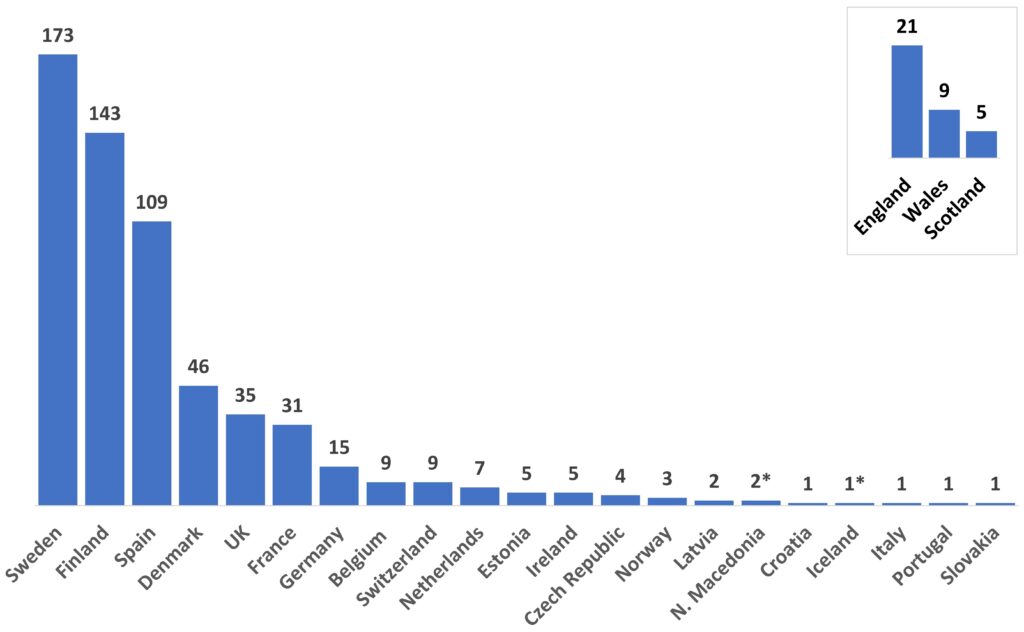
The growing participation in this vital conservation effort is further evidenced by the inclusion of two new countries in the dam removal landscape for 2025: Iceland and North Macedonia. Their inaugural barrier removals mark their official entry into the continental movement, bringing the total number of participating nations to 29. This expansion reflects a widening recognition of the ecological and societal benefits derived from restoring natural river flows.
A Surge in Action: Key Data and Trends
The "Dam Removal Europe 2025 report" reveals a dynamic and growing network of organizations and governments committed to revitalizing Europe’s rivers. The surge in removals is attributed to a confluence of factors, including increased awareness of the detrimental impacts of river fragmentation, advancements in dam removal techniques, and supportive policy frameworks.
Sweden emerged as the leading nation in 2025, spearheading the effort with an impressive 173 barrier removals. Finland and Spain followed closely, demonstrating how concerted national commitment and strategically coordinated actions can dramatically accelerate progress. The report visualizes these efforts in Figure 1, illustrating the number of barriers removed per country, with a specific inset detailing the removals within the United Kingdom.
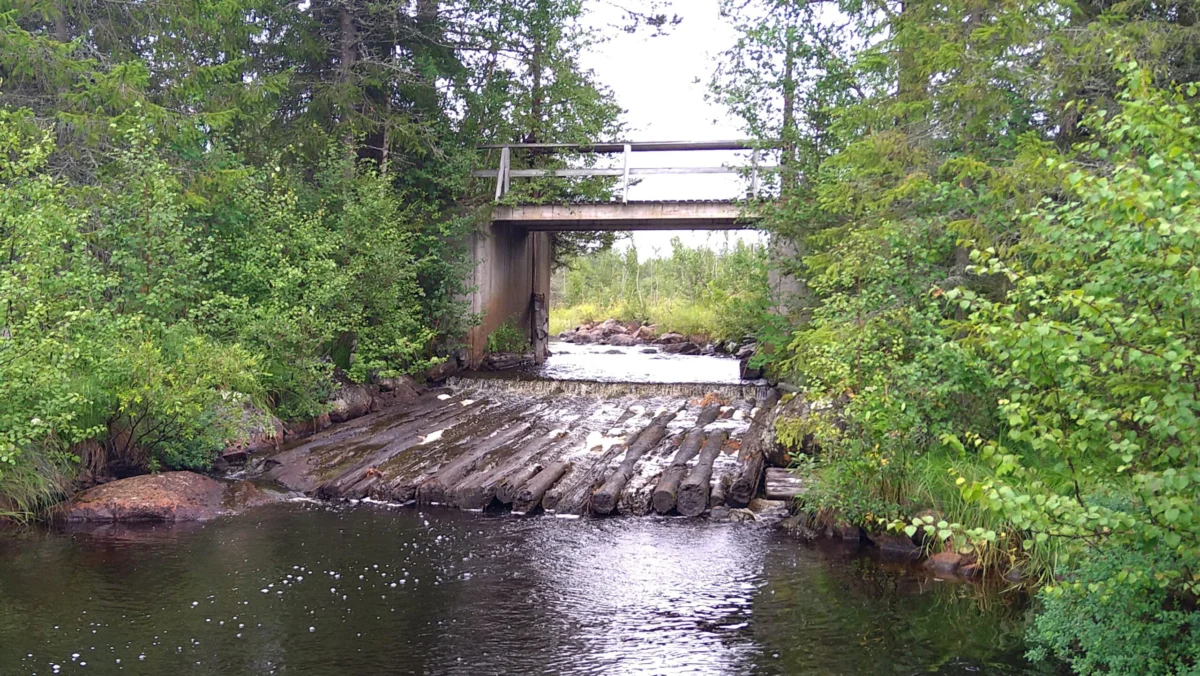
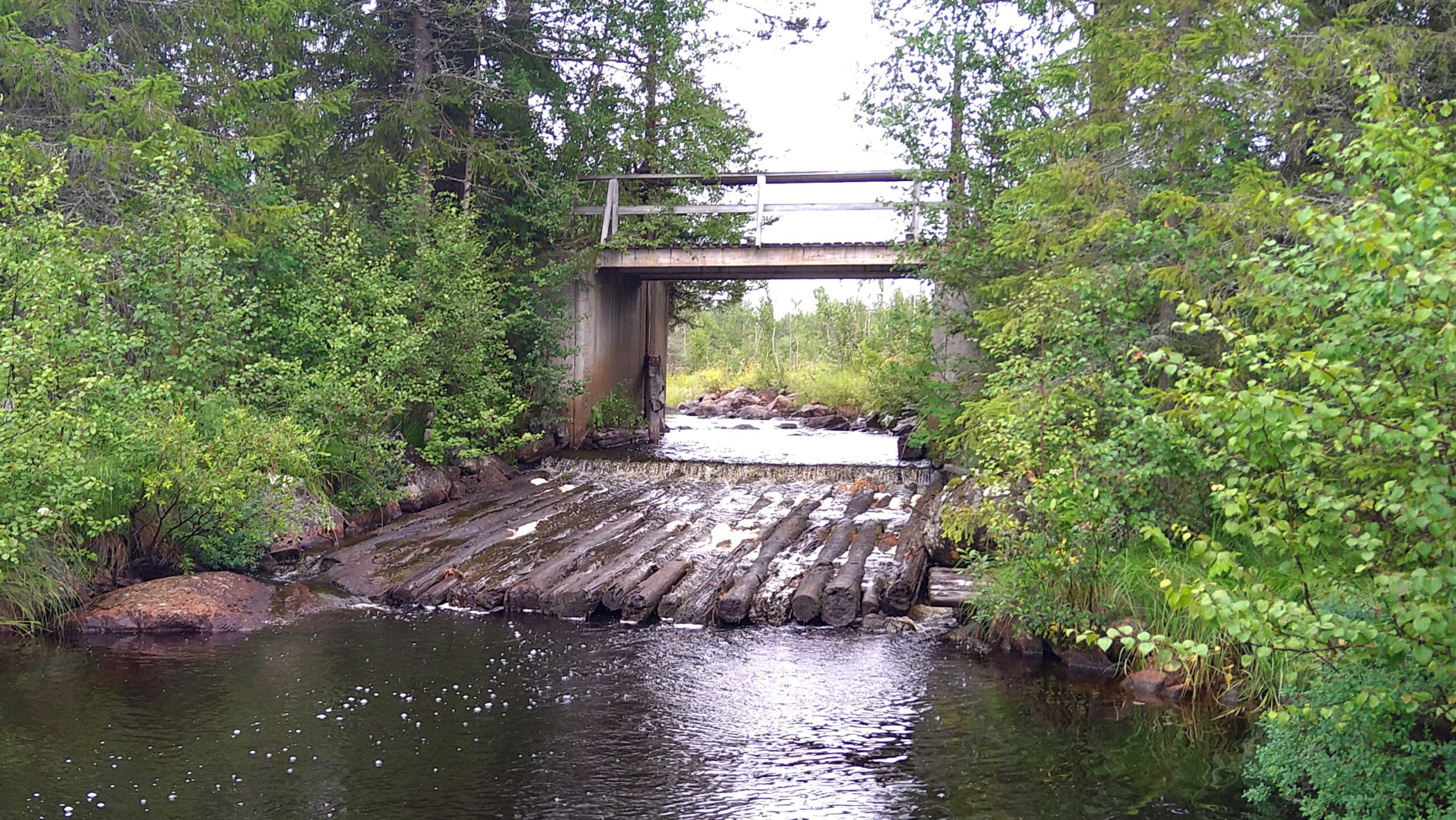
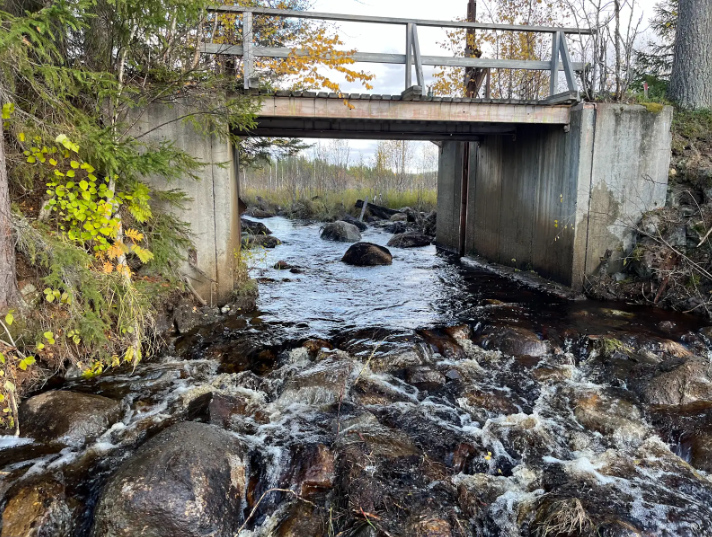
The majority of barriers removed in 2025 were characterized as small, often obsolete structures such as culverts and weirs. While individually these might seem minor, their cumulative removal at scale delivers substantial environmental benefits. Sweden’s efforts, in particular, focused on dismantling numerous timber dams, remnants of the country’s historical industrial-scale forestry practices. These dams, once essential for floating logs downstream, now impede natural river processes. Figure 2 provides a stark visual comparison of a Fräkentjärnsdammen timber floating dam in Sweden before and after its removal, showcasing the dramatic transformation of the landscape.

The Pervasive Problem of River Fragmentation
Despite the record-breaking progress, Europe’s rivers remain heavily fragmented. An estimated 1.2 million barriers—encompassing dams, weirs, and culverts—continue to disrupt the natural flow of water, sediment, and nutrients, critically impeding the migration of aquatic species. Many of these structures are now considered obsolete, serving no functional purpose while inflicting ongoing damage on riverine ecosystems.
This fragmentation is a primary driver of ecosystem degradation and has contributed significantly to the alarming decline of freshwater biodiversity. According to a recent report by the European Commission, a staggering 42% of Europe’s freshwater fish species are currently classified as threatened with extinction. The blockage of migratory routes for species like the Atlantic salmon, as depicted in Figure 3, is a poignant example of the devastating consequences of this fragmentation.
Chris Baker, Director of Wetlands International Europe, emphasized the urgency and opportunity presented by this situation: "Europe’s rivers are fragmented by an estimated 1.2 million barriers—and more than 150,000 of them are already considered obsolete. That makes barrier removal one of the biggest ecological ‘easy wins’ available today. These obsolete barriers no longer provide any benefits, yet they continue to degrade rivers every day they remain standing." This statement highlights the cost-effectiveness and ecological return on investment associated with removing these redundant structures.
Policy and Global Ambitions: A Synergistic Approach
The record-breaking success of barrier removals in 2025 aligns strategically with Europe’s broader environmental objectives. The EU Nature Restoration Regulation, which entered into force in 2024, sets an ambitious target to restore at least 25,000 kilometers of rivers to a free-flowing state by 2030. Barrier removal stands out as one of the most effective and direct means of achieving this crucial target.
Furthermore, these national and continental efforts contribute directly to global conservation ambitions, including those outlined in the Freshwater Challenge. This international initiative aims to restore 300,000 kilometers of degraded rivers worldwide by 2030. The escalating pace of dam removal in Europe provides a significant contribution to this global endeavor, demonstrating a tangible commitment to freshwater ecosystem recovery on an international scale.
A Timeline of Progress: From Niche to Mainstream
The journey of river barrier removal in Europe can be traced through a discernible timeline, illustrating its evolution from a nascent concept to a powerful conservation movement:
- Pre-2020: Ad-hoc and localized dam removal projects were undertaken across Europe, often driven by specific environmental concerns or local initiatives. Data collection and continental coordination were limited.
- 2020: The first continental count of river barrier removals was initiated, establishing a baseline and highlighting the potential for large-scale impact. A modest number of removals were recorded.
- 2021-2023: The movement gained significant traction, with increasing numbers of barrier removals recorded each year. Awareness grew, and more organizations and countries began to engage actively.
- 2024: A new record was set with 542 barrier removals, signaling a significant acceleration in efforts and the growing mainstream acceptance of dam removal as a key restoration tool. The EU Nature Restoration Regulation was adopted, providing a strong policy framework for future efforts.
- 2025: This landmark year saw a record-shattering 603 barriers removed, reconnecting over 3,740 km of rivers. Iceland and North Macedonia joined the initiative, and Sweden emerged as a national leader in removal efforts. This year cemented river restoration as a central pillar of Europe’s environmental policy and conservation agenda.
Broader Implications and Future Outlook
The implications of this sustained success in dam removal extend far beyond the immediate ecological benefits. The restoration of free-flowing rivers directly enhances water security by improving groundwater recharge and reducing the risk of water scarcity during droughts. It also strengthens food security by facilitating the migration of commercially important fish species and improving the overall health of aquatic food webs.
Moreover, healthy, dynamic river systems are increasingly recognized as critical natural infrastructure. They provide natural flood defenses by allowing rivers to meander and dissipate floodwaters, reducing the impact of extreme weather events exacerbated by climate change. The reconnection of rivers also allows for the natural transport of sediments, which is crucial for maintaining healthy deltas and coastal ecosystems, further bolstering resilience against sea-level rise.
The momentum generated in 2025 provides a strong foundation for future endeavors. As more obsolete barriers are identified and prioritized for removal, the potential for further ecological recovery and societal benefit remains immense. The ongoing success of the dam removal movement in Europe serves as a powerful testament to what can be achieved through coordinated action, scientific understanding, and a shared commitment to restoring the health of our planet’s vital freshwater ecosystems. With continued political will and public support, Europe’s rivers are poised to flow more freely, supporting a richer tapestry of life and a more resilient future for generations to come.
