
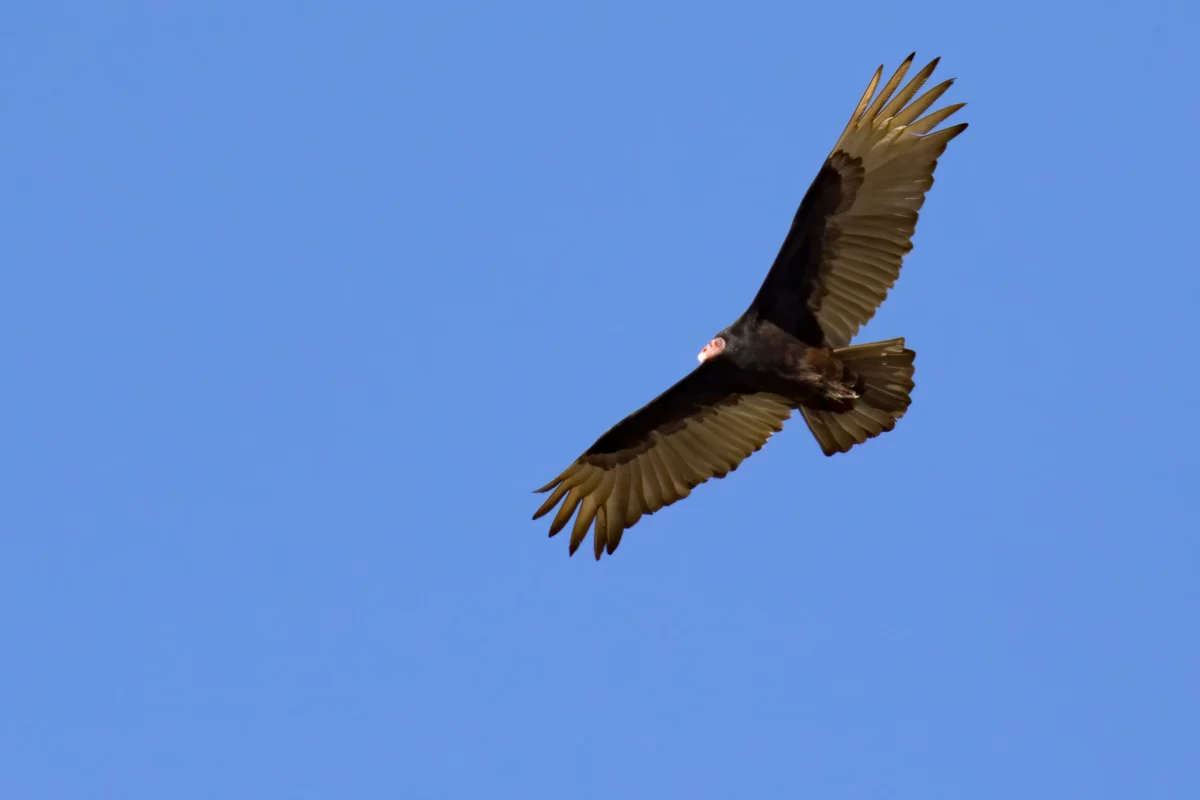
The Center for Birds of Prey has issued a compelling call to poets and haiku enthusiasts across the nation, inviting them to participate in a unique literary contest designed to celebrate International Vulture Awareness Day. This initiative seeks to highlight the often-misunderstood yet ecologically vital Turkey Vultures and Black Vultures, two species integral to Florida’s diverse ecosystems. Fifteen winning haikus will be selected and prominently featured along the Center’s popular storywalk, offering a creative and engaging platform to educate the public about these crucial avian species. Submissions are now open via a dedicated online portal, available at act.audubon.org/a/haiku, until the deadline of July 31, 2026.
A Poetic Tribute to Nature’s Clean-Up Crew
The haiku contest serves as a creative conduit to draw attention to Turkey Vultures (Cathartes aura) and Black Vultures (Coragyps atratus), species often overlooked or even maligned despite their indispensable role as nature’s scavengers. These birds perform a critical ecological service by consuming carrion, thereby preventing the spread of diseases and recycling nutrients back into the environment. Their efficiency in waste management is paramount, particularly in warmer climates like Florida, where decomposition rates are rapid. By focusing on these two native species, the Center for Birds of Prey aims to foster a deeper appreciation and understanding of their unique adaptations and their significant contribution to ecosystem health.
The haiku, a traditional Japanese poetic form, is characterized by its simple yet evocative structure: three lines with a 5, 7, 5 syllable count. This accessible format encourages concise observation and profound expression, making it an ideal medium for capturing the essence of vultures and their natural habitat. Poets are challenged to distill their admiration and knowledge of these birds into seventeen syllables, offering a fresh perspective on creatures often associated with less glamorous aspects of the natural world. The winning entries will transform the perception of vultures from mere scavengers to symbols of natural resilience and ecological balance.
International Vulture Awareness Day: A Global Imperative
International Vulture Awareness Day (IVAD), observed annually on the first Saturday of September, serves as a global platform to raise public awareness about the ecological importance of vultures and the severe threats they face worldwide. Initiated by the Hawk Conservancy Trust and the Birds of Prey Programme in South Africa, IVAD has grown into a significant international event supported by conservation organizations, zoos, and wildlife centers across six continents. The inaugural event in 2009 brought together various entities to collaboratively highlight the plight of vultures, which are among the most threatened groups of birds globally.
Vultures face a multitude of anthropogenic threats, including poisoning (both intentional and unintentional, often through ingestion of poisoned carcasses meant for predators), habitat loss, collision with power lines and wind turbines, and a decline in food availability due to changes in livestock farming practices. In Asia, certain species experienced catastrophic declines exceeding 95% in the 1990s and early 2000s due to the widespread use of the veterinary drug diclofenac, which is highly toxic to vultures. While significant progress has been made in banning such drugs, the recovery of vulture populations is a slow and arduous process. Globally, 16 of the 23 species of Old World and New World vultures are listed as endangered or critically endangered by the IUCN Red List. Events like IVAD are crucial for mobilizing public support and resources for conservation efforts, emphasizing that the disappearance of vultures would have severe ecological consequences, including increased disease transmission and disruption of natural nutrient cycles. The Center for Birds of Prey’s haiku contest for IVAD on September 5, 2026, is thus a localized effort contributing to a critical global conservation message.
The Center for Birds of Prey: Decades of Dedication to Raptor Conservation
Established in 1979, the Audubon Center for Birds of Prey has been a beacon of raptor conservation in Florida for over four decades. Its mission encompasses the rehabilitation of injured, sick, and orphaned native raptors, coupled with comprehensive educational programming designed to foster public appreciation and understanding of these majestic birds. The Center operates a state-of-the-art Raptor Trauma Clinic, which treats more than 700 raptors annually, ranging from diminutive screech owls to powerful eagles. This clinic plays a vital role in returning rehabilitated birds to the wild, contributing directly to the health of Florida’s wild raptor populations.
Beyond direct veterinary care, the Center is a vibrant educational hub. It houses over 30 ambassador birds, non-releasable raptors that serve as living educational tools, allowing visitors to experience up-close encounters with Florida’s top predators. These encounters are pivotal in breaking down misconceptions and building empathy for wildlife. The Center offers a diverse array of programs, including immersive summer camps for children, tailored field trips for schools, and extensive community outreach initiatives that bring conservation education directly to the public. These programs not only educate but also inspire future generations of conservationists, demonstrating the intricate balance of ecosystems and humanity’s role in their preservation. The storywalk, a beloved feature of the Center, is a testament to their innovative approach to visitor engagement. For those interested in experiencing the Center firsthand, visit audubon.org/cbop/visit.
The Storywalk Experience: A Narrative Journey Through Nature
The storywalk at the Center for Birds of Prey offers a unique and immersive experience, blending the joy of reading with the tranquility of an outdoor stroll. This innovative concept involves displaying linked poems or book pages within outdoor cases strategically placed along a walking trail, encouraging participants to engage with a narrative as they explore the natural surroundings. It transforms a simple walk into an interactive journey, appealing to visitors of all ages, from curious children to reflective adults.
Integrating the winning haikus into this established storywalk will create a dynamic new layer to the visitor experience. As individuals wander through the Center’s grounds, they will encounter the profound and artistic expressions dedicated to Turkey and Black Vultures. This placement ensures maximum visibility for the poems and the conservation message they carry. The physical act of moving from one poem to the next, set against the backdrop of Florida’s natural beauty, deepens the connection between art, nature, and education. It provides an opportunity for quiet contemplation, allowing the concise wisdom of the haikus to resonate more powerfully. The storywalk thus becomes a living gallery, celebrating both avian life and human creativity, ultimately aiming to transform public perception of vultures from feared to revered.
Contest Mechanics and Eligibility: A Call for Authentic Human Creativity
The haiku contest is open for free submissions via the Audubon website, ensuring broad accessibility for all interested poets. The submission period extends from the present through July 31, 2026, providing ample time for careful crafting and reflection. Following the submission deadline, a panel of Audubon staff will undertake the rigorous task of reviewing all entries in August. This careful selection process will culminate in the announcement of 15 winners, whose poems will then be prepared for display. The physical printing and installation of the winning haikus along the storywalk are scheduled for September 2026, perfectly timed to coincide with International Vulture Awareness Day on September 5.
Crucially, the contest stipulates that all poets must be over 18 years of age, ensuring adult authorship and artistic maturity. Furthermore, a significant rule mandates that no artificial intelligence (AI) is permitted to be used in the drafting or editing of the haikus. This clause underscores the Center’s commitment to authentic human creativity and expression, a stance increasingly common in artistic competitions in an era of rapidly advancing AI technologies. It ensures that the winning poems are true reflections of human observation, emotion, and craftsmanship. Winners will receive the distinct honor of having their original poem prominently featured in the Center’s storywalk, along with a complimentary annual membership to the Center for Birds of Prey. This membership provides year-long access to the Center and its programs, further cementing their connection to raptor conservation. Poets will have the option to have their name displayed alongside their poem or to remain anonymous, respecting individual preferences for public recognition.
The Ecological Footprint of Florida’s Vultures
Florida’s ecosystems are intrinsically linked to the presence of its two native vulture species: the Turkey Vulture and the Black Vulture. While both are carrion feeders, they exhibit distinct behaviors and preferences that collectively optimize their role as nature’s clean-up crew. Turkey Vultures are renowned for their exceptional sense of smell, allowing them to detect gases produced by decaying animals from significant distances. Their soaring flight patterns, often characterized by a distinctive teetering motion, are a common sight across the state’s diverse landscapes, from coastal areas to dense forests. Black Vultures, in contrast, rely more on their keen eyesight and often follow Turkey Vultures to carcasses. They are more aggressive at feeding sites and tend to forage in groups, efficiently stripping carcasses.
These vultures are vital in preventing the spread of diseases such as anthrax, rabies, and botulism by rapidly consuming infected carcasses, thereby limiting pathogen exposure to other wildlife and humans. Without them, the decomposition process would slow significantly, leading to an increase in disease vectors and a potential rise in scavenger populations like feral dogs and rats, which can carry diseases transferable to humans. Despite their critical role, vultures are often viewed with disdain or fear due to their association with death. Public perception challenges persist, highlighting the urgent need for educational initiatives like this haiku contest. Both species are protected under the Migratory Bird Treaty Act, underscoring their recognized ecological importance and the legal framework for their conservation.
Broader Implications: Fostering Conservation Through Creative Engagement
The Center for Birds of Prey’s haiku contest represents a strategic convergence of art, education, and conservation, yielding significant broader implications beyond the immediate event. By inviting the public to engage creatively with vultures, the initiative aims to shift prevailing negative perceptions and cultivate a deeper sense of appreciation and stewardship. Art, particularly poetry, possesses a unique power to evoke empathy and emotional connection, often succeeding where purely scientific discourse might fall short. When individuals craft a haiku about a vulture, they are compelled to observe, research, and reflect on the species, thereby internalizing its ecological value and beauty.
This integration of creative expression into conservation efforts enhances public engagement by making the message more accessible and personal. It transforms passive recipients of information into active participants in the conservation narrative. Such initiatives are crucial in a world grappling with biodiversity loss, as they demonstrate innovative approaches to wildlife advocacy. Officials at the Center for Birds of Prey likely hope that this creative endeavor will not only raise awareness for International Vulture Awareness Day but also inspire a lasting commitment to raptor conservation among participants and visitors alike. The visibility of the winning poems on the storywalk will serve as a continuous reminder of the beauty and importance of these birds, potentially influencing thousands of visitors over the coming years. By celebrating vultures through the elegant simplicity of haiku, the Center reinforces its commitment to not just rehabilitating birds, but also rehabilitating human perspectives.
In conclusion, the haiku contest organized by the Center for Birds of Prey for International Vulture Awareness Day is more than just a competition; it is a meticulously planned initiative to celebrate, educate, and conserve. By inviting poets to illuminate the ecological significance and often-overlooked grace of Florida’s Turkey and Black Vultures through the ancient art of haiku, the Center is fostering a vital connection between human creativity and wildlife preservation. As the deadline of July 31, 2026, approaches, poets are encouraged to contribute their voices to this unique conservation effort, helping to ensure that these indispensable birds receive the recognition and protection they so rightfully deserve.
