
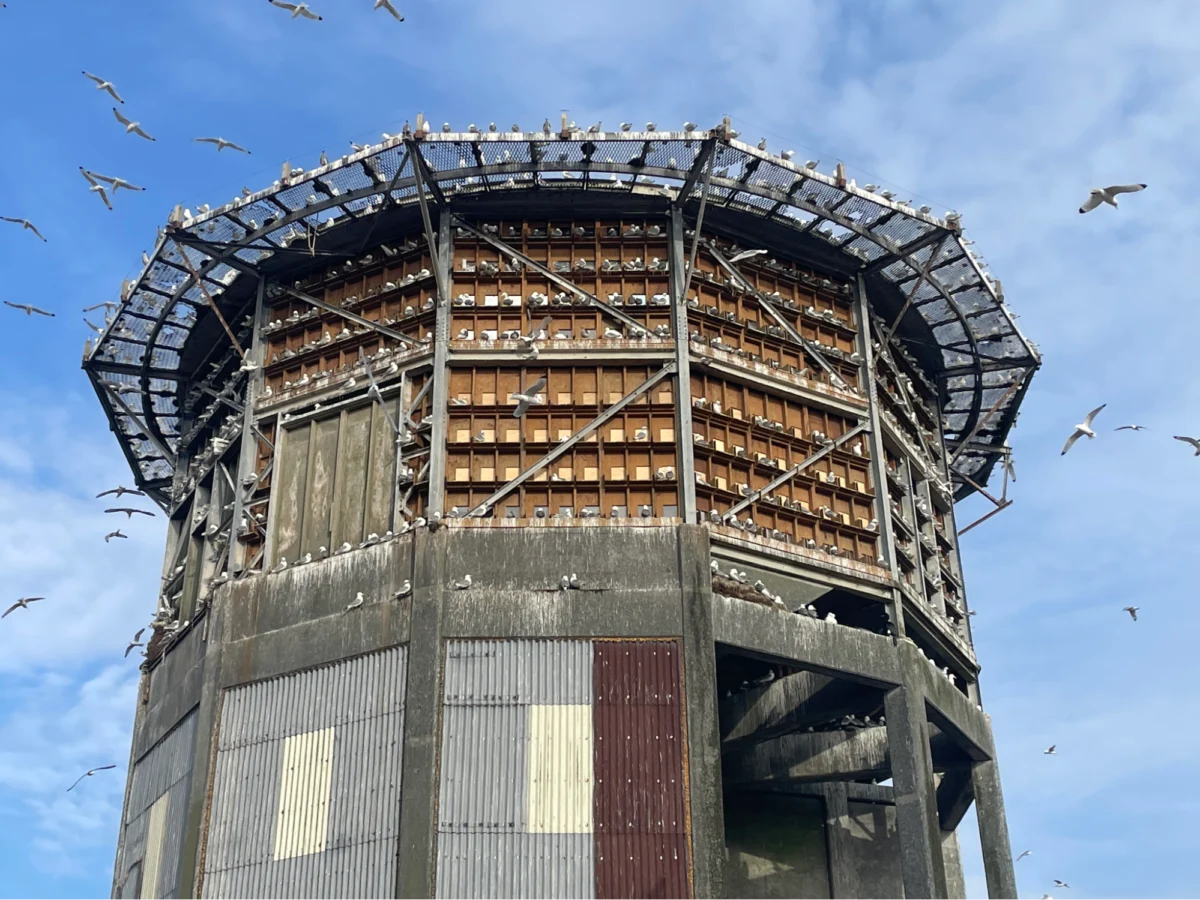
Middleton Island, a remote landmass situated uniquely in the Gulf of Alaska, serves as the critical first point of contact for prevailing winds sweeping between Hawaii and Alaska. More profoundly, it functions as an unparalleled natural laboratory, where tens of thousands of seabirds congregate each summer, transforming this isolated outpost into one of the most vital observatories for assessing the ecological well-being of the North Pacific Ocean. These avian inhabitants are not merely residents; they are indispensable bio-indicators, relaying real-time intelligence on the rapidly shifting conditions of this vast marine ecosystem.
The Sentinels of the North Pacific: Middleton Island’s Unique Role
The strategic geographic position of Middleton Island, approximately 120 kilometers southwest of Cordova, Alaska, places it at the crossroads of powerful oceanic and atmospheric forces. This exposure makes it an ideal location to study the immediate impacts of environmental changes on marine life. For decades, scientists have recognized the profound importance of seabirds as ecological barometers. Their sensitivity to changes in prey availability, ocean temperature, and habitat integrity makes them excellent indicators of broader ecosystem health. When seabird populations experience stress—manifesting as altered foraging patterns, reduced breeding success, or population declines—it signals potential distress within the wider marine food web, often long before these changes become evident through other monitoring methods.
The Institute for Seabird Research and Conservation (ISRC) has been at the forefront of this crucial work, establishing Middleton Island as a long-term research station dedicated to understanding seabird ecology and marine conservation. The island itself carries a fascinating history, having served as a U.S. Air Force installation during the Cold War era. After its decommission in 1963, the land was repurposed, transforming from a strategic military outpost into a scientific stronghold. This unique heritage provides the ISRC with robust, pre-existing infrastructure that, with adaptation, facilitates intensive, continuous research in an otherwise challenging environment. The commitment of ISRC and its partners ensures that this legacy of strategic importance continues, albeit now focused on environmental defense rather than military.
A Critical Vantage Point: The Research Tower
Central to ISRC’s operations and the success of its long-term monitoring efforts is a distinctive research tower. This purpose-built structure, equipped with one-way mirrored windows, allows scientists to observe seabirds at exceptionally close range without disturbing their natural behaviors. The tower is more than just an observation deck; it is a sophisticated, integrated laboratory enabling the collection of invaluable long-term data that would be practically impossible to gather through conventional field methods. From within its walls, researchers meticulously track the lives of seven intensively monitored species, including Black-legged Kittiwakes (Rissa tridactyla), various cormorant species (e.g., Pelagic Cormorant, Red-faced Cormorant), and puffins (e.g., Tufted Puffin, Horned Puffin). Five of these species rely significantly on the artificial nesting habitats meticulously maintained and expanded by ISRC within and around the tower, underscoring the vital symbiotic relationship between the research infrastructure and the birds it studies.
These observations extend beyond mere counts; scientists employ advanced techniques, such as GPS tracking, to map foraging routes, measure energy expenditure, and pinpoint critical feeding grounds. This level of detail provides an unprecedented window into the daily struggles and adaptations of seabirds in a dynamic ocean environment. For example, GPS trackers fitted to kittiwakes can reveal deviations from traditional foraging grounds, indicating shifts in prey distribution. The long-term nature of this data collection—spanning years and even decades—is paramount, allowing researchers to distinguish between natural fluctuations and more profound, concerning ecological shifts that could signify broader environmental degradation.
Echoes of Climate Change: The 2014-2016 Marine Heatwave and Beyond
The invaluable insights gleaned from Middleton Island’s seabirds have repeatedly underscored their role as early warning systems. Perhaps one of the most stark demonstrations of this occurred during the unprecedented marine heatwave that gripped the North Pacific from 2014 to 2016, infamously dubbed "The Blob." This vast expanse of unusually warm ocean water, which extended from the Gulf of Alaska down to Baja California, had profound and widespread ecological consequences, disrupting marine food webs and causing mass mortality events across numerous species, from copepods to whales. Scientists estimate that marine heatwaves are becoming more frequent and intense due to climate change, making long-term monitoring sites like Middleton Island increasingly crucial.
On Middleton Island, the Black-legged Kittiwakes offered a real-time, visceral account of these dramatic changes. Prior to the heatwave, these birds typically foraged on abundant capelin (Mallotus villosus) within a few kilometers of the island. Capelin, a small forage fish rich in fat, is a cornerstone of the North Pacific ecosystem, supporting a wide array of predators, including seabirds, marine mammals, and larger fish. However, as ocean temperatures soared during The Blob, the distribution and abundance of capelin drastically shifted, forcing the kittiwakes to adapt. GPS tracking data revealed a dramatic change in their foraging behavior: birds began undertaking arduous, energy-intensive journeys to distant coastal waters, some traveling up to 576 kilometers away from their nests in search of food. This extraordinary effort to find sustenance highlighted the severity of the prey scarcity near the island.
The energetic cost of these extended foraging trips was immense. Despite the birds’ increased effort, the impact on their reproductive success was devastating. Scientists, observing from behind the mirrored windows of the research tower, documented a precipitous plummet in chick production during the heatwave years. This observation highlighted a critical ecological principle: even if adult birds can survive by traveling further, the increased energy expenditure often comes at the direct expense of their offspring, leading to widespread reproductive failure. During the peak of the heatwave, some years saw chick production rates fall by as much as 80-90% compared to pre-heatwave averages, a clear indicator of ecosystem distress.
When ocean temperatures eventually cooled, the ecosystem did not simply revert to its previous state. The seabirds, through their continued behaviors and population dynamics, revealed what scientists now interpret as a potential "new ecological regime." This suggests a fundamental shift in the structure and function of the ecosystem, where species interactions, food web dynamics, and environmental conditions have been permanently altered. For example, some forage fish species may have been replaced by less nutritious alternatives, or their distribution patterns may have fundamentally changed, requiring sustained behavioral adjustments from predators. This concept of a new regime underscores the long-lasting and potentially irreversible impacts of major climate events on marine ecosystems, necessitating adaptive management strategies.
The data gathered from Middleton Island’s seabirds has transcended academic curiosity; it has become a critical resource for practical conservation and management. According to ISRC Science Director Shannon Whelan, "The information we gather from these birds directly informs decisions that affect not only seabirds but also commercial fisheries and the entire marine food web." Fisheries managers across the region now integrate this seabird data into their stock assessments, using the birds’ feeding patterns and reproductive success as proxies for the health and availability of commercially important fish species further down the food chain. This integration exemplifies the power of long-term ecological monitoring to provide actionable intelligence for sustainable resource management in the face of environmental uncertainty.
A Storm’s Fury: Damage to the Research Hub
The continuity of this vital research was abruptly jeopardized last fall. Dave Baxter, a long-standing friend of the ISRC project and an employee at the island’s Federal Aviation Administration (FAA) station, played a crucial role in alerting the ISRC team to a developing crisis. Baxter, whose year-round presence on the island provides an essential human link in an otherwise uninhabited landscape, sent a concerning photograph: one wall of the venerable research tower had been violently breached during a severe storm. The interior was littered with shattered glass, and the gaping hole left the delicate research equipment and the structural integrity of the tower exposed to the relentless elements of the Gulf of Alaska.
Middleton Island is no stranger to extreme weather. The region is renowned for its intense storms, characterized by hurricane-force winds and heavy precipitation. The particular storm that caused the damage brought winds exceeding 60 miles per hour, a common occurrence that highlights the constant battle against the elements faced by any infrastructure on the island. In such an unforgiving environment, even seemingly minor damage can rapidly escalate, threatening to compromise not only the structure itself but also years of invaluable scientific data and the future of the research program. For a small nonprofit organization like ISRC, the sudden and urgent need for significant repairs presented a formidable logistical and financial challenge, potentially sidelining critical monitoring efforts during a crucial period leading up to the spring breeding season.
Resilience and Renewal: The Repair and Expansion Effort
Understanding the profound importance of the Middleton Island research, ISRC swiftly mobilized to address the crisis. This rapid response was made possible through the crucial support of key philanthropic partners: Audubon Alaska and the Rasmuson Foundation. Audubon Alaska, a leading voice for conservation in the state, recognized the urgency of protecting this critical monitoring infrastructure. The Rasmuson Foundation, known for its significant investments in Alaskan communities and organizations, provided essential financial backing. Their commitment to marine conservation and scientific research provided the immediate financial resources necessary to plan and execute the extensive repairs. According to a spokesperson from Audubon Alaska, "Supporting the ISRC’s work on Middleton Island is paramount. The data gathered there is a cornerstone of our understanding of marine health in a changing Arctic and North Pacific, and we were committed to ensuring its continuity."
With funding secured, a dedicated team of four ISRC researchers embarked on the challenging journey to Middleton Island on March 20. Their arrival was met not only by the expected remoteness but also by harsh weather conditions: deep snowdrifts from recent winter storms and the ominous signs of an incoming blizzard. Despite the formidable environment, the urgency of their mission was paramount. The breeding season for the seabirds was imminent, typically beginning in late April to early May, and the window of opportunity to complete repairs before the birds needed to settle onto their nest sites was narrow. As they approached the damaged tower, Black-legged Kittiwakes could already be seen wheeling through the colony, a few attempting brief landings before being swept back into the fierce wind, a stark reminder of the impending nesting frenzy.
Working against the clock and the elements, the team meticulously replaced the three walls that had sustained significant wind damage. Their efforts culminated on April 9, with the repairs successfully completed, restoring the tower’s structural integrity and safeguarding the research within. This rapid turnaround, completed in just under three weeks amidst challenging conditions, speaks volumes about the dedication of the ISRC team and the urgency of their mission.
Beyond merely restoring the tower, the repair effort presented an opportunity for enhancement. Recognizing the critical need for safe nesting habitat, the ISRC team ingeniously integrated an expansion into the rebuilt walls. The number of artificial nesting sites within the tower was significantly increased, more than doubling from 81 to 192. This expansion has already proven to be a resounding success, with the new sites rapidly being occupied by returning seabirds, underscoring the intense demand for secure breeding locations.
Restoring Habitat: A Battle Against Erosion and Predation
The expansion of nesting sites is not just an incremental improvement; it is a vital intervention in a long-standing ecological battle on Middleton Island. Historically, the island supported a staggering population of more than 80,000 breeding pairs of Black-legged Kittiwakes, many of which nested on the island’s natural cliffs. However, a series of ecological challenges has drastically altered this landscape.
The introduction of European rabbits (Oryctolagus cuniculus) to the island in the mid-20th century inadvertently set in motion a cascade of environmental degradation. These non-native herbivores proliferated rapidly, grazing heavily on native vegetation, particularly the grasses and low-lying shrubs that stabilized the cliff faces. This overgrazing destabilized the fragile cliff ecosystems, accelerating natural erosion processes that gradually stripped away crucial nesting ledges. As the natural cliff habitat diminished, so did the capacity of the island to support its historical seabird populations, contributing to significant declines.
Compounding this habitat loss, the increased erosion and altered landscape contributed to the establishment of a resident population of Bald Eagles (Haliaeetus leucocephalus) on the island. While Bald Eagles are a magnificent species, their presence in large numbers, particularly in areas where seabirds are concentrated, can exert immense predatory pressure on seabird colonies. Eagles prey on eggs, chicks, and even adult seabirds, further contributing to population declines and forcing birds to seek safer, often artificial, nesting locations. The pressure from Bald Eagles has become a major factor in the vulnerability of ground-nesting and cliff-nesting seabirds across many Alaskan colonies.
Today, the vast majority of kittiwakes and other cliff-nesting seabirds on Middleton Island depend heavily on human-made structures, such as the ISRC research tower and other maintained artificial habitats. These structures offer steep, often enclosed nesting spaces that provide crucial protection from ground predators like eagles and foxes (which are periodically present on the island, though efforts are made to manage them). With natural nesting habitat severely limited and competition for available sites intensely high, every new, safe nesting location, like those created during the tower’s repair, becomes immediately valuable for the survival and reproductive success of these vulnerable populations. The expansion in the tower represents a tangible increase in the island’s capacity to support these vital seabird populations.
Looking Ahead: Sustaining Research for a Changing Ocean
As the breeding season unfolds, the research tower on Middleton Island is once again a vibrant hub of activity. The air is filled with the calls of thousands of seabirds, a testament to the success of the repair and expansion efforts. The tower stands not only as a functional research facility but also as a symbol of resilience and proactive conservation. It is better equipped than ever to support both the diverse seabird populations that call Middleton Island home and the essential scientific endeavors that depend on them.
Projects of this nature are fundamental to ensuring that Middleton Island retains its status as a critical observation point in a rapidly changing global ocean. The ongoing monitoring provides continuous data streams that are indispensable for understanding the long-term impacts of climate change, marine heatwaves, and other anthropogenic pressures on the North Pacific ecosystem. The ISRC, with sustained support from partners like Audubon Alaska and the Rasmuson Foundation, is committed to continuing its vital work: tracking the nuanced signals that seabirds send, interpreting these messages, and applying that knowledge directly to the conservation and informed management of Alaska’s invaluable marine ecosystems. The future health of this vast and productive ocean hinges significantly on the vigilance of these dedicated scientists and the continued function of critical infrastructure like the Middleton Island research tower.
For comprehensive details regarding the Institute for Seabird Research and Conservation’s pivotal work on Middleton Island, interested parties are encouraged to visit isrcmiddleton.org. Shannon Whelan, the Science Director of ISRC, leads the Core Research Program, overseeing all logistical and monitoring efforts at the Middleton Island research station, driving the scientific understanding that underpins marine conservation in the region.
