
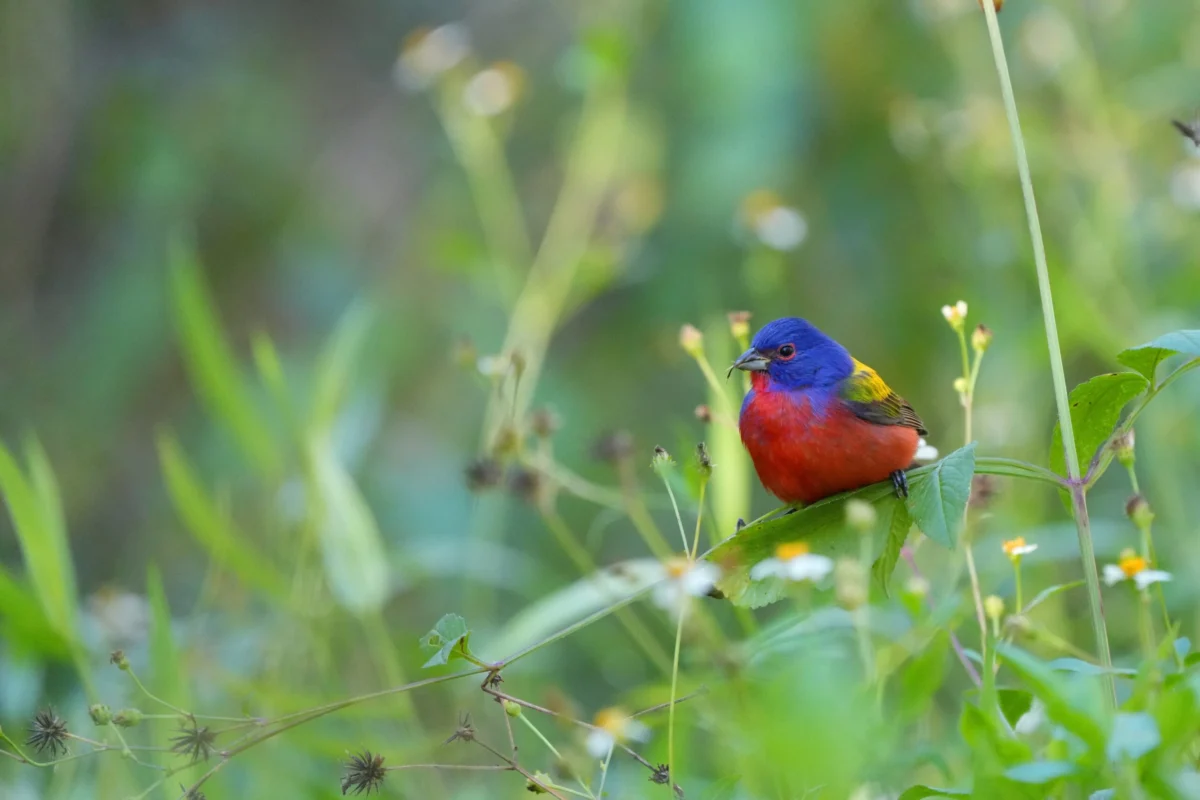
The Trinity River Audubon Center (TRAC) is poised to become a vibrant hub of ecological activity this spring, offering residents and visitors an unparalleled opportunity to immerse themselves in the rich biodiversity of North Texas. Situated as a critical urban refuge along the expansive Trinity River, TRAC’s spring season is a testament to the thriving natural world, where the landscape bursts into full bloom, revealing a complex tapestry of flora and fauna. This period of heightened natural activity provides an ideal backdrop for exploration, education, and profound connection with the environment, reinforcing TRAC’s pivotal role in regional conservation and community engagement.
The Heart of Urban Ecology: Trinity River Audubon Center’s Mission
The Trinity River Audubon Center, a flagship facility of Audubon Texas, stands as a beacon of environmental stewardship within the bustling Dallas-Fort Worth metropolitan area. Established in 2008, TRAC occupies a remarkable 120-acre site that was once the largest illegal landfill in the state. Its transformation into a thriving nature center and a gateway to the 6,000-acre Great Trinity Forest represents a monumental achievement in ecological restoration and urban conservation. The Center’s core mission revolves around connecting people with nature, particularly those in urban settings, through hands-on educational programs, recreational opportunities, and dedicated habitat preservation efforts. It serves as a living laboratory where visitors can witness the intricate relationships between plants, animals, and their environment, fostering a deeper understanding and appreciation for the natural world.
TRAC’s strategic location within the Great Trinity Forest is particularly significant. This vast urban forest, one of the largest in the United States, plays a crucial role in the ecological health of the region, providing vital flood control, improving air and water quality, and serving as a critical migratory corridor and habitat for an array of wildlife. The Center itself boasts an impressive diversity of ecosystems, including bottomland hardwood forests, wetlands, and Blackland Prairie, each contributing to a rich mosaic that supports hundreds of species. This ecological diversity is particularly evident during the spring, a season of renewal and heightened biological activity that transforms the landscape into a dynamic spectacle.
Spring’s Vibrant Tapestry: Flora and Fauna in Full Display
As spring progresses, TRAC’s landscape undergoes a remarkable metamorphosis, transitioning from subtle greenery to an explosion of color and life. The unique microclimates and varied habitats within the center allow for a staggered but continuous display of natural beauty. Early spring often heralds the emergence of delicate annuals, paving the way for the more robust and iconic blooms that define late spring.
Native Plants: Foundations of a Thriving Ecosystem
A cornerstone of TRAC’s ecological health is its commitment to native plant species. These plants, adapted to the local climate and soil conditions, form the foundation of the ecosystem, providing essential food and shelter for native wildlife. This time of year, the prairies around the Center are dominated by the striking Texas Paintbrush (Castilleja indivisa), its brilliant neon-red bracts creating vivid swaths of color that are unmistakable against the greening grasses. This hemi-parasitic plant, often found growing near grasses, is a vital nectar source for early pollinators.
As May approaches, the floral display intensifies. The cheerful, pinwheel-like blooms of Firewheels (Gaillardia pulchella), with their distinctive red and yellow petals, join the prairie chorus. These resilient wildflowers are highly attractive to a variety of insects, including bees and butterflies. Alongside them, the fragrant spikes of Bee Balm (Monarda fistulosa), also known as horsemint or wild bergamot, attract a plethora of pollinators, including long-tongued bees and hummingbirds. A host of other wildflowers, from delicate bluebonnets to various asters and coneflowers, contribute to a vibrant palette, ensuring a continuous supply of nectar and pollen for the insect populations that underpin the entire food web.
Beyond the open prairies, the Great Trinity Forest offers its own arboreal spectacle. The Roughleaf Dogwood (Cornus drummondii) trees become adorned with clusters of creamy white blossoms, their delicate flowers often humming with the activity of busy native bees and other pollinators. These trees not only provide aesthetic beauty but also offer critical resources for wildlife, including berries for birds later in the season. Another notable native vine, the Coral Honeysuckle (Lonicera sempervirens), showcases its tubular red-orange blooms, a specialized design perfectly suited for attracting and feeding hummingbirds. A moment of quiet observation near these blossoms may reward visitors with the sight of a Ruby-throated Hummingbird (Archilochus colubris) darting in for a drink of nectar, its iridescent gorget flashing in the sunlight. This precise co-evolution between native plants and their pollinators is a prime example of the ecological interconnectedness that TRAC strives to preserve and educate about.
Avian Wonders: Migratory Jewels and Resident Species
Spring at TRAC is synonymous with the return of migratory birds, transforming the center into a bustling avian highway stop. The Great Trinity Forest lies within the Central Flyway, one of North America’s major bird migration routes, making TRAC an indispensable stopover site for millions of birds traveling between their wintering grounds in Central and South America and their breeding grounds further north.
Among the returning species, the Dickcissel (Spiza americana) makes its presence known with its distinctive "dick-dick-cissel" song, filling the tall grasses of the prairie. These small, sparrow-like birds are a common sight and sound in open fields across the central United States during the breeding season. However, the true "star performer" of spring, often sought by seasoned birders and delighted novices alike, is the Painted Bunting (Passerina ciris). Its dazzling plumage—a mosaic of brilliant red underparts, blue head, and green back—makes it one of North America’s most colorful songbirds. Its delicate, sparkling song, often described as sounding like "falling sparkles," emanates from the treetops, offering a challenging but rewarding glimpse of this avian jewel.
The presence of these and hundreds of other bird species underscores the ecological value of TRAC. It serves not only as a crucial breeding ground but also as a vital refueling station for species undertaking epic migratory journeys. The health of these bird populations is directly linked to the health of habitats like TRAC, highlighting the importance of conserving urban green spaces. According to Audubon Texas, the state is home to over 600 bird species, and TRAC regularly records over 200 species throughout the year, making it a prime birding destination.
A Calendar of Connection: May Events at TRAC
Beyond the spontaneous wonders of nature, TRAC offers a thoughtfully curated calendar of events throughout May, designed to cater to diverse interests and age groups, fostering community engagement and deepening appreciation for the natural world.
Celebrating Music and Nature: "Herd Here"
The month kicks off on May 3rd with "Herd Here," a unique chamber music performance scheduled from 11:00 a.m. to 12:30 p.m. This family-friendly event blends the beauty of live classical music with the serene backdrop of nature, offering a multisensory experience. Performances like "Herd Here" aim to broaden the appeal of nature centers, demonstrating how art and environment can coalesce to create memorable and enriching experiences, perhaps even inspiring younger generations to explore classical music within an unconventional setting.
Global Awareness, Local Action: World Migratory Bird Day
On May 9th, TRAC will host its annual celebration of World Migratory Bird Day. This global initiative, observed annually, highlights the need for international cooperation to conserve migratory birds and their habitats. TRAC’s event offers a suite of hands-on activities designed to educate and engage. Bird banding demonstrations provide a rare opportunity to observe birds up close, learning about their physiology, migration patterns, and overall health through data collected by trained ornithologists. The annual "Birder Bowl" is a friendly, competitive event that tests participants’ knowledge of local bird species, calls, and ecology, promoting learning in an interactive format. Guided bird walks, led by experienced naturalists, allow participants to hone their identification skills while exploring TRAC’s diverse habitats and spotting both resident and migratory species. These activities are crucial for raising awareness about the challenges migratory birds face, from habitat loss to climate change, and empowering individuals to contribute to conservation efforts.
Accessibility in Birding: The Big Sit and Weekend Walks
Continuing the avian focus, May 10th presents "The Big Sit," an innovative birdwatching event that emphasizes accessibility. Participants are invited to enjoy birdwatching from a comfortable, stationary spot, observing the dynamic activity of birds as they move through a specific area. This event is particularly welcoming for individuals with mobility challenges or those who prefer a more relaxed approach to birding, demonstrating that connecting with nature doesn’t always require strenuous hiking. Furthermore, TRAC offers peaceful weekend bird walks on May 16th and May 24th, providing regular opportunities for guided exploration and bird identification, catering to both beginners and seasoned birders seeking to expand their knowledge and sightings.
Nurturing Young Scientists: Science Sunday
Recognizing the importance of early environmental education, TRAC hosts "Science Sunday" on the second Sunday of each month, with the May edition falling on May 12th. These programs feature engaging, STEM-based activities specifically designed for ages 6-12. Each month focuses on a different scientific theme, encouraging curiosity, critical thinking, and a hands-on approach to understanding ecological principles. From dissecting owl pellets to investigating water quality or exploring insect life cycles, Science Sunday aims to inspire the next generation of scientists and environmental stewards.
Sustaining the Mission: Scissortails and Cocktails Fundraiser
A pivotal event for the Center’s ongoing operations and conservation efforts is the annual "Scissortails and Cocktails" fundraiser, scheduled for May 14th. This evening event invites attendees to dress up and support TRAC’s vital work. The name "Scissortails" is a nod to the iconic Scissor-tailed Flycatcher (Tyrannus forficatus), a graceful migratory bird known for its extraordinarily long, forked tail, and a common sight in Texas. Fundraisers like this are indispensable for sustaining the center’s educational programs, habitat restoration projects, and general operational costs, ensuring TRAC can continue to serve as a critical resource for both wildlife and the community.
Statements on Conservation and Community
"Our spring season truly showcases the incredible biodiversity we protect here at the Trinity River Audubon Center," stated Lisa Johnson, Executive Director of TRAC (inferred). "It’s a vibrant classroom where every visit reveals a new lesson about the natural world, from the intricate dance between pollinators and native plants to the awe-inspiring journeys of migratory birds. Our goal is to make these wonders accessible to everyone, fostering a deep appreciation that translates into a commitment to conservation."
A representative from Audubon Texas (inferred) added, "Centers like TRAC are vital hubs for connecting urban communities with nature and fostering a stewardship ethic. They serve as critical green infrastructure, providing essential habitat, ecological services, and invaluable educational opportunities that support Audubon’s broader mission of protecting birds and the places they need."
Visitors often echo these sentiments. "There’s a sense of peace and discovery here that’s hard to find anywhere else in the city," commented Sarah Chen, a regular visitor (inferred). "Each time I come, I see something new, whether it’s a rare bird or a wildflower I hadn’t noticed before. It’s a wonderful escape and a constant reminder of how much natural beauty is right in our backyard."
Broader Implications: TRAC’s Role in a Sustainable Future
The Trinity River Audubon Center’s springtime activities and year-round operations have far-reaching implications beyond mere recreation. Its existence and continued success contribute significantly to the ecological resilience and environmental literacy of the Dallas-Fort Worth metropolitan area.
Fostering Environmental Stewardship: By providing accessible, engaging, and educational experiences, TRAC plays a crucial role in cultivating a new generation of environmental stewards. Programs like Science Sunday directly engage children with STEM concepts in a natural setting, potentially inspiring future careers in conservation, biology, or environmental science. For adults, the various walks, talks, and volunteer opportunities foster a deeper understanding of local ecological issues and empower them to take action in their own communities.
A Blueprint for Urban Conservation: TRAC serves as a powerful example of successful urban conservation and restoration. Its transformation from a degraded landfill to a thriving ecosystem demonstrates the potential for ecological recovery, even in heavily impacted areas. This model offers valuable lessons for other urban centers grappling with environmental degradation and the need for green infrastructure. The center’s focus on native plants and habitat restoration directly contributes to regional biodiversity, mitigating the effects of habitat fragmentation and urban sprawl. Moreover, by protecting a portion of the Great Trinity Forest, TRAC helps to preserve critical ecosystem services, including carbon sequestration, stormwater management, and air purification, all of which are increasingly important in the face of climate change.
Community Well-being and Quality of Life: The presence of TRAC significantly enhances the quality of life for Dallas residents. Access to green spaces and nature has been scientifically linked to improved physical and mental health, reduced stress, and increased community cohesion. TRAC provides a sanctuary where individuals and families can reconnect with nature, exercise, learn, and socialize in a healthy environment. Its diverse events calendar ensures that it caters to a wide demographic, making nature accessible to all segments of society, regardless of age or background.
As spring unfolds its full splendor at the Trinity River Audubon Center, it reaffirms the critical importance of urban nature preserves. TRAC stands as a living testament to the power of conservation, education, and community engagement, inviting everyone to witness the wonders of ecology in full bloom and become part of a larger movement towards a more sustainable future.
For those eager to experience the natural beauty and participate in the enriching programs, further details and event registration can be found on the official Trinity River Audubon Center website.
