
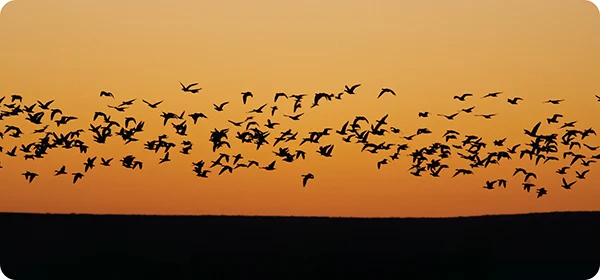
September marks a pivotal transition not only in the human calendar but also in the intricate rhythms of the natural world, particularly for avian populations. As summer’s fervor recedes, replaced by the crisp air of autumn, birds face a period of profound change, characterized by molting and the impending journey of migration. This critical juncture demands peak physical condition, necessitating a significant shift in their nutritional intake to support these demanding biological processes. Wild Birds Unlimited (WBU), a leading franchise system dedicated to backyard bird feeding and nature appreciation, highlights this crucial period and offers guidance to enthusiasts on how to best support their feathered visitors.
The Autumnal Shift: A Time of Profound Biological Demands
The arrival of September signifies a multifaceted transition. For many families, the leisurely pace of summer vacations gives way to the structured routines of academic life, with school activities taking center stage. Outdoor environments mirror this shift: the intense heat of summer gradually yields to cooler breezes, and the vibrant blooms of warmer months begin their transformation into seeds and berries, a vital food source for many species. The foliage of deciduous trees, still lush and green at the outset of the month, prepares for its annual spectacular display of color before shedding its leaves.
Birds, too, are acutely attuned to these environmental cues, initiating their own complex transitions. For most adult birds, the demanding period of parental care has concluded, freeing them to focus on their own survival and reproductive cycles. The diminishing daylight hours trigger a biological imperative, a "restless stirring" that signals the approaching need to undertake long-distance migrations to warmer wintering grounds. Concurrently, many birds undergo a process known as molting, where old, worn feathers are systematically replaced with a fresh, new plumage. This renewal of feathers is not merely aesthetic; these new coverings are essential for efficient flight, providing insulation against the encroaching cold, and maintaining waterproofing, crucial for survival in variable weather conditions.
Molting and Migration: The Nutritional Imperative
These seasonal transitions present significant physiological challenges for birds, demanding a substantial increase in their nutritional intake. The process of molting, for instance, is an energy-intensive endeavor. Growing an entirely new set of feathers, which are primarily composed of protein, requires an extraordinary surge in dietary protein. This process can last anywhere from four to eight weeks, during which the bird’s need for this essential nutrient is significantly elevated. Beyond protein, the sheer energy required to fuel the metabolic processes involved in feather regeneration is immense.
Migration, often undertaken shortly after or in conjunction with molting, presents an equally formidable challenge. Many migratory bird species engage in a remarkable feat of physiological adaptation: they must nearly double their body weight in a matter of weeks. This dramatic increase in mass is achieved by consuming vast quantities of food, allowing them to accumulate substantial reserves of body fat. This stored fat serves as the primary fuel source for the arduous, often thousands-of-miles-long, journeys to their wintering grounds. The drive to acquire sufficient fat reserves for sustained flight is all-consuming, dictating the birds’ foraging behavior and priorities.
The stakes for obtaining proper nutrition during these periods are exceptionally high. For a bird, failure to adequately fuel either molting or migration can have severe consequences, potentially leading to reduced survival rates. Consequently, their natural instincts compel them to seek out and devour foods that are rich in fats and proteins, as these provide the essential building blocks and energy necessary for survival and successful completion of these critical life-cycle events.
An Opportunity for Backyard Enthusiasts
This period of heightened nutritional demand presents a unique opportunity for individuals who enjoy observing and supporting backyard wildlife. By providing readily available, high-energy food sources, backyard bird feeders can become vital refueling stations for birds undertaking their seasonal transformations. Wild Birds Unlimited emphasizes that offering foods rich in fats and proteins directly addresses the birds’ immediate needs, making feeders an attractive and essential resource.

The company recommends a variety of food options that cater specifically to these nutritional requirements. High-quality blends, such as their WBU Plus Blends, are formulated to provide a balanced and energy-dense diet. Whole peanuts are an excellent source of protein and fat. Nyjer® seed, though small, is a favorite of finches and provides valuable nutrients. Sunflower chips, a hull-less form of sunflower seeds, are rich in fat and easily digestible. Suet, a rendered animal fat, is a particularly high-energy food, especially beneficial during colder months and for birds engaged in strenuous activity. Finally, Bark Butter® products, a unique blend of suet and peanut butter, are highly palatable and packed with essential fats and proteins, attracting a wide variety of birds.
By offering these targeted food selections, backyard observers can not only contribute to the well-being of local bird populations but also significantly enhance their own bird-watching experience. The presence of birds actively foraging at feeders during this transitional period offers a dynamic and engaging way to witness the cycles of nature firsthand, right in one’s own backyard.
The Science Behind the Transition: Expert Insights
The biological intricacies of molting and migration have been the subject of extensive ornithological research. Studies have quantified the protein requirements for feather growth, demonstrating that the keratinization process, which forms feathers, is highly protein-dependent. Research on migratory birds has revealed remarkable adaptations, including the ability of some species to metabolize fat at exceptionally high rates, generating the necessary energy for prolonged flight. For example, studies on the Blackpoll Warbler have documented flights of over 2,000 miles over the Atlantic Ocean, powered almost entirely by stored fat reserves.
The timing of these events is also closely linked to environmental factors. Photoperiodism, the physiological response to changes in the length of day and night, plays a crucial role in triggering both molting and migratory restlessness. Hormonal changes, influenced by photoperiod, initiate the physiological shifts required for these demanding activities.
Broader Implications and Conservation Efforts
Understanding and supporting birds during these critical transitional periods has broader implications for avian conservation. Healthy migratory populations are essential for maintaining ecological balance in both their breeding and wintering grounds. By providing supplementary food sources, individuals can help mitigate some of the pressures faced by birds, particularly in increasingly urbanized and fragmented landscapes where natural food sources may be diminished.
The efforts of organizations like Wild Birds Unlimited extend beyond simply selling bird feed. They are actively involved in educating the public about avian ecology and conservation. Their "Nature Centered" podcast, for instance, features episodes like "Basics of Transition," where experts John and Brian delve into the science and practicalities of supporting birds through these challenging times. Such educational initiatives are vital for fostering a deeper appreciation for wildlife and promoting responsible stewardship of natural resources.
The phenomenon of migration itself is a marvel of the natural world, with certain species undertaking journeys that defy comprehension. The Arctic Tern, for example, undertakes the longest migration of any animal, traveling from its Arctic breeding grounds to Antarctic waters and back each year, covering an astonishing distance of up to 56,000 miles. These incredible feats underscore the extreme physiological demands placed upon these creatures.
Conclusion: A Symbiotic Relationship
September’s transition is a powerful reminder of the interconnectedness of ecosystems and the intricate adaptations that allow wildlife to thrive. For birds, it is a period of intense biological demand, requiring a significant nutritional investment to fuel feather renewal and epic migratory journeys. For humans, it offers a chance to engage with nature on a deeper level, providing tangible support to avian populations while enriching our own understanding and appreciation of the natural world. By offering appropriate high-fat, high-protein foods, backyard observers can play a small but significant role in ensuring the successful passage of birds through this critical phase, fostering a symbiotic relationship that benefits both wildlife and the people who cherish it.

The information provided by Wild Birds Unlimited and supported by ongoing scientific research highlights the importance of proactive engagement in supporting migratory bird populations. As the seasons continue to turn, the opportunities to observe and contribute to the well-being of our feathered neighbors remain abundant, particularly during these transformative autumn months.
