
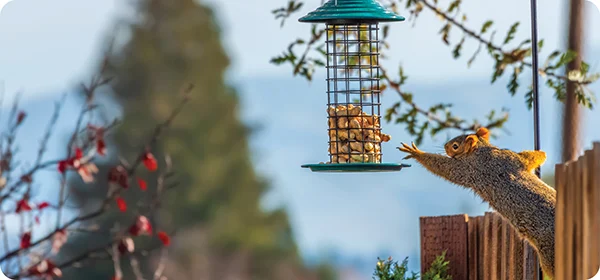
The age-old desire to attract and observe backyard birds often encounters an inevitable challenge: unwanted visitors. From agile squirrels to flocks of opportunistic birds, these creatures can quickly deplete feeders, damage equipment, and disrupt the serene experience bird enthusiasts seek. Fortunately, expert advice and innovative solutions are available to help individuals regain control of their feeders and foster a more balanced ecosystem in their own backyards.
The Natural Drive for Sustenance
The fundamental driver behind critter activity at bird feeders is survival. For many wild animals, finding reliable food sources is a constant endeavor. When a readily accessible and abundant supply of seeds, nuts, and other provisions is presented in a backyard feeder, it is naturally perceived as a significant opportunity. This inherent instinct, coupled with the often impressive problem-solving abilities of animals like squirrels, leads to frequent raids on these culinary oases. While the charm of a squirrel scampering up a feeder might initially delight some, the persistent depletion of birdseed and potential damage to feeders can quickly test the patience of even the most devoted nature lover.
Squirrels: The Agile Adversaries
Squirrels, with their remarkable agility, intelligence, and sheer determination, are frequently at the forefront of feeder raids. Their ability to navigate complex environments and their capacity to consume large quantities of birdseed can lead to significant financial losses for bird feeding enthusiasts. The cost of replacement seed and damaged feeders can accumulate, prompting a search for effective countermeasures.
Baffling the Bold: Physical Deterrents for Squirrels
One of the most effective and widely recommended strategies for deterring squirrels from pole-mounted feeders involves the use of baffles. These devices are designed to create an insurmountable barrier, preventing squirrels from reaching the feeder itself.
Stovepipe Baffles: These smooth, metal cylinders are highly effective when installed correctly on a pole system. The key to their success lies in their placement: they must be positioned at least five feet above the ground. Furthermore, the entire pole system, including the feeder, should be situated at least ten feet away from any potential launching points such as trees, bushes, or fences. This strategic placement ensures that a squirrel cannot leap from an adjacent surface directly onto the feeder or pole. By creating a slick, unclimbable surface, the stovepipe baffle effectively transforms any feeder hung on the pole into a squirrel-proof avian dining establishment.
Hanging Feeders and Domed Baffles: For feeders hung from trees or other overhead structures, a different approach is necessary. In these scenarios, a domed squirrel baffle, placed directly above the feeder, can be a game-changer. This large, often clear or opaque dome acts as a protective canopy. Squirrels attempting to descend from the hanging chain or wire will be blocked by the dome, unable to reach the feeding ports. This method is particularly useful for tube or hopper feeders that are accessible only from above.
Exclusion Cages: Another innovative solution involves retrofitting feeders with exclusion cages. These cages, available in various sizes and mesh dimensions, essentially create a protective barrier around the feeder. The openings in the cage are typically sized to allow smaller birds, such as finches and chickadees, to access the food while excluding larger birds and, crucially, squirrels. This "cage within a cage" concept effectively limits access to the seed, ensuring that only the intended avian visitors can partake.
Addressing "Nuisance" Birds: Fostering a Favorable Environment
The term "nuisance birds" is a colloquial descriptor for species that congregate at feeders in such large numbers that they overwhelm the available food supply and deter the presence of preferred species. Birds like starlings and grackles, while part of the natural ecosystem, can become problematic for backyard bird feeders when their numbers are exceptionally high. The goal is not to eliminate these species entirely but to create an environment that favors the birds you wish to attract and discourages those that are overly aggressive or consumptive.
Strategic Food Choices
The type of birdseed offered plays a pivotal role in influencing which birds visit a feeder. Certain seeds are universally appealing, while others are more selective.

Seeds to Avoid: Cracked corn and millet are often favored by a wide range of birds, including many that can be considered "nuisance" species. Their inclusion in a seed mix can inadvertently attract larger, more aggressive flocks, leading to rapid depletion of the feeder.
Seeds to Embrace: Safflower seed is a particularly effective choice for deterring many common nuisance birds, such as blackbirds, while remaining a favorite for many songbirds like cardinals and chickadees. Its slightly bitter taste, unappealing to some species, makes it a more exclusive offering.
Pure Suet Cakes: Pure suet cakes, devoid of added ingredients like corn or millet, are often ignored by starlings, a common culprit in feeder raids. However, these nutrient-rich offerings are highly attractive to woodpeckers, nuthatches, and other desirable species. By offering pure suet, enthusiasts can cater to specific avian preferences and minimize competition.
Feeder Design and Perch Preferences
The engineering of bird feeders themselves can be a powerful tool in managing visitor populations.
Weight-Sensitive Feeders: These feeders are equipped with mechanisms that close off feeding ports when a bird of a certain weight lands on them. This feature effectively excludes heavier birds, such as starlings and grackles, while allowing smaller, lighter birds to feed freely. The sensitivity can often be adjusted to fine-tune which birds are excluded.
Caged Feeders: Similar to exclusion cages for squirrels, feeders with integrated cages offer a dual benefit. The mesh surrounding the feeding ports allows small birds to pass through while blocking larger species. This design ensures that only smaller avian visitors can access the seed, promoting a more peaceful feeding experience.
Perch Length and Availability: The design of perches can also influence feeder accessibility. Feeders with short perches, or even those with no perches at all, naturally favor smaller birds that can cling to the feeding ports. Larger birds often struggle to balance on these limited perches, making the feeder less appealing to them.
Expert Guidance and Community Resources
Navigating the complexities of backyard bird feeding and critter management can be a learning process. Fortunately, resources are readily available to assist enthusiasts.
Certified Bird Feeding Specialists®: Stores like Wild Birds Unlimited employ Certified Bird Feeding Specialists® who possess a wealth of knowledge regarding local bird species, their dietary needs, and effective strategies for managing common backyard challenges. These specialists can offer personalized advice, recommend appropriate feeders and food types, and provide practical solutions tailored to individual circumstances.
Nature Centered Podcast: For those seeking broader insights and expert discussions, the Nature Centered Podcast offers a valuable platform. Episode 76, titled "Critter Solutions," delves deeper into the strategies and products discussed, providing a comprehensive auditory resource for understanding and implementing effective critter management techniques. This podcast serves as a testament to the ongoing commitment of organizations like Wild Birds Unlimited to fostering a deeper connection between people and nature through informed practices.

The Broader Impact: A Balanced Backyard Ecosystem
Successfully managing critter activity at bird feeders is not merely about protecting one’s seed supply. It contributes to the creation of a more balanced and harmonious backyard ecosystem. By providing food sources that cater to a diverse range of avian species, while employing methods to manage the impact of others, individuals can support local wildlife populations. This practice encourages a greater variety of birds to visit, enhancing the observational opportunities for enthusiasts and contributing to the overall biodiversity of the urban and suburban landscape. The informed choices made by backyard bird feeders have ripple effects, supporting the natural food web and fostering a greater appreciation for the intricacies of the natural world. Ultimately, the goal is to coexist, ensuring that both the birds and their human admirers can enjoy the simple pleasure of a well-stocked feeder.
